The scorching desert sun beat down upon the dusty, barren landscape as the sound of pickaxes striking earth echoed through the air, a cacophony that would signal the beginning of a monumental undertaking. This was not just any ordinary construction project, but the inception of a marvel that would change the course of history. The idea of connecting the Mediterranean Sea to the Red Sea via a canal had been a topic of discussion for centuries, with many considering it an impossible feat due to the harsh desert conditions and the sheer scale of the project. However, on April 25, 1859, the construction of the Suez Canal finally began, marking the realization of a dream that had been envisioned by many but undertaken by few. The Suez Canal Company, led by Ferdinand de Lesseps, had been granted a concession by the Egyptian government to construct the canal, which would be approximately 164 kilometers long and take nearly a decade to complete. As the first shovels of dirt were lifted, the workers, a mix of local Egyptians and international laborers, embarked on a journey that would test their endurance, skill, and determination. The immediate impact of the construction was the influx of thousands of workers into the region, which led to the establishment of new towns and the growth of existing ones. The completion of the Suez Canal in 1869 would go on to revolutionize global trade, reducing travel time between Europe and Asia by thousands of miles and cementing its place as one of the most important waterways in the world. Today, the Suez Canal remains a vital artery of international commerce, with over 17,000 vessels passing through it every year, a testament to the vision and perseverance of those who dared to dream of connecting two seas.
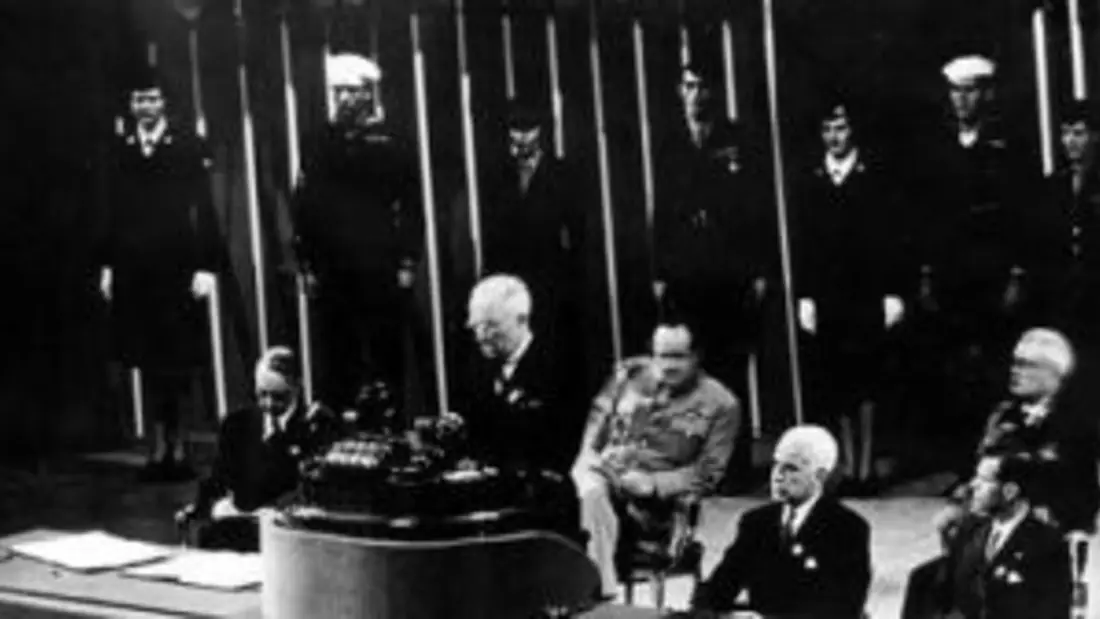
Virginia Gildersleeve, a 55-year-old American educator and diplomat, was sipping her morning coffee as she prepared for another long day of negotiations. As the sole female member of the US delegation to the upcoming conference, she felt a mix of excitement and trepidation about the task ahead. The world was still reeling from the devastation of World War II, and the need for a new international organization to promote peace and security had become increasingly urgent. The idea for such an organization had been floated by President Franklin D. Roosevelt and British Prime Minister Winston Churchill in 1941, and over the next few years, it had gained momentum. On April 25, 1945, the United Nations Conference on International Organization was set to begin in San Francisco, bringing together representatives from 50 countries to hammer out the details of the new organization. As Gildersleeve made her way to the conference venue, she was joined by other notable figures, including Secretary of State Edward Stettinius and Soviet Ambassador Andrei Gromyko. Over the next two months, the delegates would engage in intense negotiations, debating issues such as voting procedures, membership criteria, and the role of the new organization in maintaining international peace and security. The conference would ultimately produce the United Nations Charter, a document that would shape the course of international relations for decades to come. In the immediate aftermath of the conference, the world witnessed a new era of cooperation and diplomacy, as nations began to work together to address common challenges and prevent future conflicts. Today, the United Nations remains a vital institution, continuing to play a critical role in promoting peace, security, and cooperation among its member states.