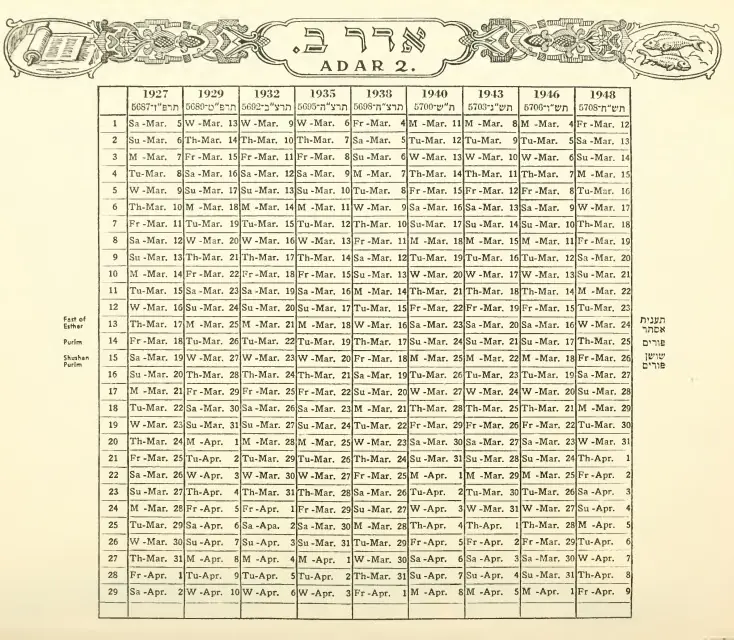
The modern Hebrew calendar counts its year zero from a calculated astronomical event that occurred in 3761 BCE. Scholars of the 4th century CE used the 247‑year cycle of the Metonic lunar‑solar system to back‑calculate the moment when a new moon coincided with the autumnal equinox, a conjunction required by the biblical rule that months begin with the new moon. The calculation placed that conjunction on 7 October 3761 BCE, which corresponds to the Julian day number -1 720 000 according to the proleptic Julian calendar used by later astronomers.
Moses Maimonides (1135‑1204 CE) codified this back‑calculation in his Mishneh Torah, stating that the world was created 3761 years before the present era. He cited the Talmudic tradition that the first day of creation aligns with the first day of the Hebrew month of Tishri, which begins with the new moon after the equinox. The precise astronomical data Maimonides used were derived from the 19‑year Metonic cycle, which repeats lunar phases every 235 synodic months (approximately 6 939.7 days). By applying the cycle backwards 202 times, he reached the year 3761 BCE.
The calendar reform was not a political decree but a scholarly standardization. Prior to the 4th century, Jewish communities used local observations to set months, resulting in variations of up to 30 days between diaspora communities. The adoption of a fixed epoch reduced this variance to less than one day, as the calculated start date could be universally referenced. By the 10th century, the fixed epoch was inscribed in the works of Saadia Gaon (882‑942 CE), who noted that the epoch allowed a single algorithm to produce the same 19‑year cycle for all communities, eliminating the need for inter‑community communication.
The fixed epoch also enabled the later development of the Hebrew calendar’s 19‑year cycle, which contains 12 common years of 354 days and 7 leap years of 383 days, giving an average year length of 365.2468 days, within 0.0002 days of the tropical year. This precision explains why the calendar remains synchronized with the seasons without external adjustment. The system has persisted for over 1 500 years, surviving the adoption of the Gregorian calendar in 1582 CE and the modern adoption of the International Standard ISO 8601 in 1988 CE.
The consequence of establishing the 3761 BCE epoch is that every Hebrew date now contains an absolute reference point, allowing historians to convert biblical events into a secular chronology. This conversion underpins modern biblical scholarship, which relies on the fixed epoch to date events such as the destruction of the First Temple (traditionally 586 BCE) with a margin of error of ±2 years.
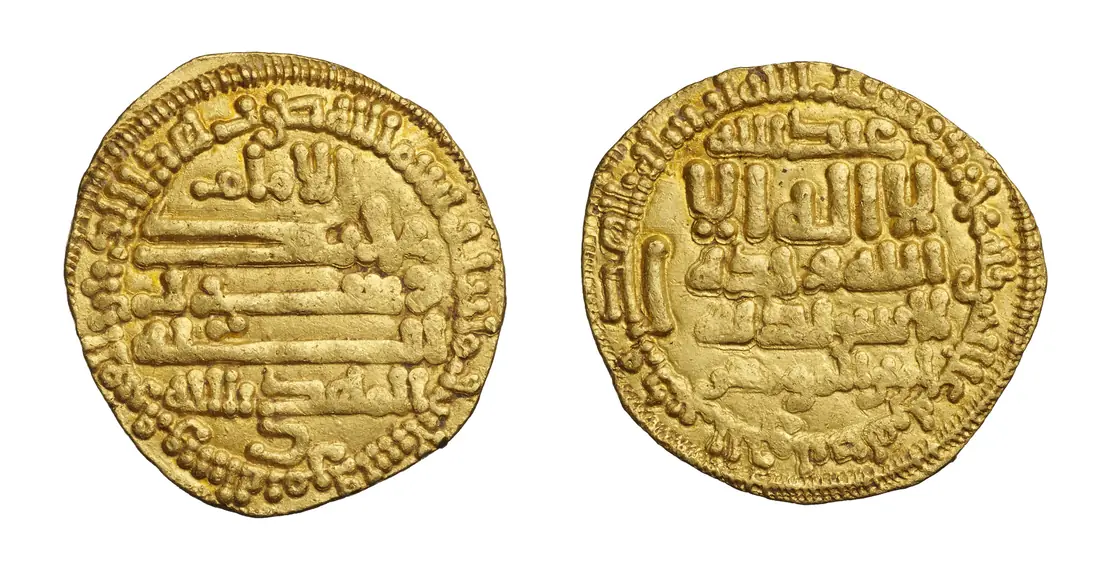
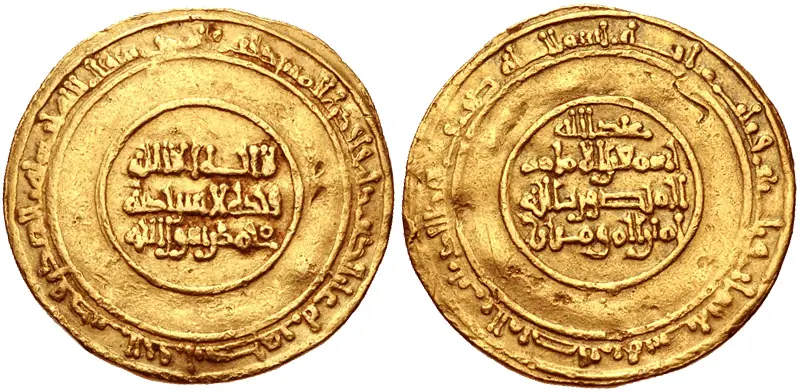
The assassination of al‑Amir was enabled by a power struggle within the palace that began when the vizier, al‑Maqrīzī, ordered the secret confinement of the Caliph's trusted guard corps in early September 1130. The move was intended to curb the guard's influence over fiscal matters, but it also removed the most reliable defenders of the Caliph. On 7 October 1130 a small group of palace servants, likely acting on instructions from the disgruntled guard commander, entered al‑Amir's private chambers and killed him with a single sword thrust.
Popular accounts often describe the murder as a spontaneous act of a lone conspirator, yet contemporary chroniclers such as Ibn al‑Qalanisi note that at least twelve conspirators were involved and that the plot was coordinated over several weeks. The primary motive was the fear that al‑Amir, who had recently appointed his half‑brother al‑Hafiz as heir, would replace the existing fiscal administration with one loyal to the new heir, thereby marginalising the guard and the vizier's faction.
Al‑Amir left no clear succession plan beyond naming al‑Hafiz, but the Fatimid tradition required the approval of the senior religious council, the ulama, and the backing of the army. Al‑Hafiz was only twenty‑four and lacked a proven record of governance. Within three days of the assassination, rival claimants, most notably the powerful commander of the Egyptian army, Abu al‑Mulk, demanded a council meeting. The ulama, fearing civil war, reluctantly recognised al‑Hafiz but imposed a regency council of five senior officials to oversee his rule.
The immediate consequence was a sharp increase in fiscal pressure: the regency raised the iqtaʿ tax on agricultural lands by 15 percent to fund a larger standing army, which in turn caused a revolt in Upper Egypt that cost an estimated 4,000 lives. The weakened central authority also encouraged the Crusader states in the Levant to launch a minor raid on Ascalon in early 1131, exploiting the Fatimids' distracted leadership. Internally, the guard corps regained its influence after negotiating a new command structure, but the episode permanently eroded confidence in the dynasty's stability. The succession crisis set the stage for the eventual decline of Fatimid power, culminating in the Ayyubid takeover in 1171.
Thus, the assassination was not an isolated act of violence but the climax of a calculated attempt by palace factions to control the Caliphate's finances and military, leading directly to a contested succession, increased taxation, and a loss of territorial security.
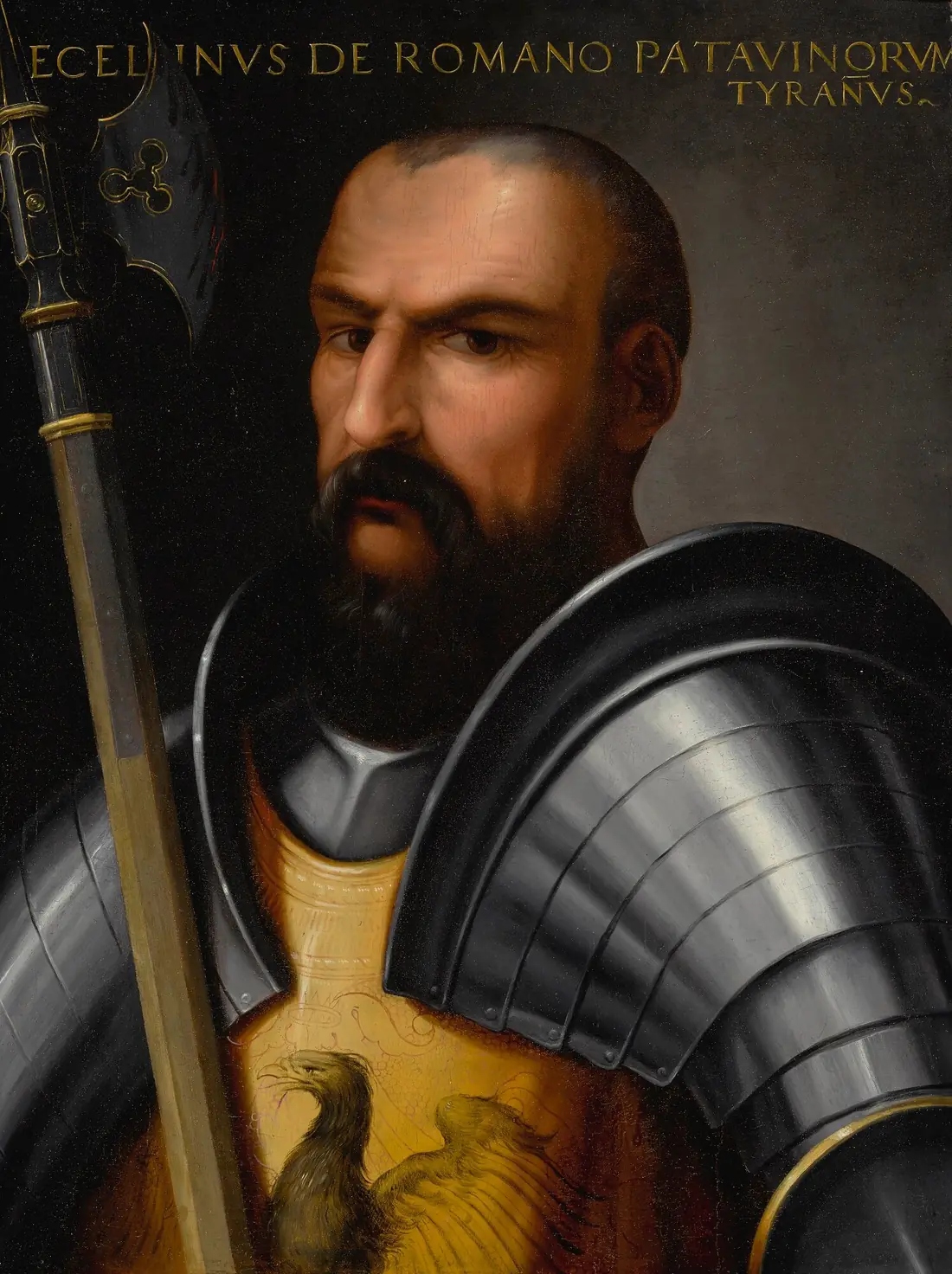
Ezzelino III da Romano was the ruler of Verona, Vicenza and Padua and the chief enforcer of imperial authority in the Trecento. He seized power in the 1240s, imposed heavy taxes, executed rivals and used terror to keep the cities under his control. By the late 1250s a coalition of the Lombard League, the papacy and local nobles had organised a campaign to remove him because his rule blocked the growth of communal self‑government.
The assassination took place on 7 October 1259 in the city of Treviso. A group of conspirators led by the Trevisan noble Guglielmo da Breganze entered Ezzelino's residence under the pretext of delivering a tribute. While Ezzelino was alone in his study they attacked him with a dagger and a short sword. Contemporary chronicles record that he received a single fatal wound to the chest and died within minutes. The conspirators fled the scene and the city guard seized the weapon, but the exact number of participants is not recorded.
Ezzelino's death removed the most powerful imperial lieutenant in northern Italy. Within weeks the League forces retook Verona and Vicenza without major resistance. The power vacuum allowed the city communes to re‑establish their own councils and to negotiate new charters that limited external lordship. By 1262 the former territories of Ezzelino were incorporated into the league's defensive network, a structure that survived for more than a century. Historians note that the event demonstrated that a single violent removal of a tyrant could trigger a rapid shift from centralized imperial domination to a more distributed communal system.
The assassination also altered the perception of political violence in the region. Prior to 1259 most nobles relied on open warfare and papal excommunication to settle disputes; after the killing, secret conspiracies became a recognized tool for city elites seeking autonomy. This change encouraged the spread of covert networks that later influenced the success of the Guelph and Ghibelline struggles. The immediate consequence was the restoration of trade routes that had been blocked by Ezzelino's raids, leading to a measurable increase in market activity in the Veneto by 1265. The event thus marked a turning point in the balance of power between imperial authority and the emerging communal republics of northern Italy.
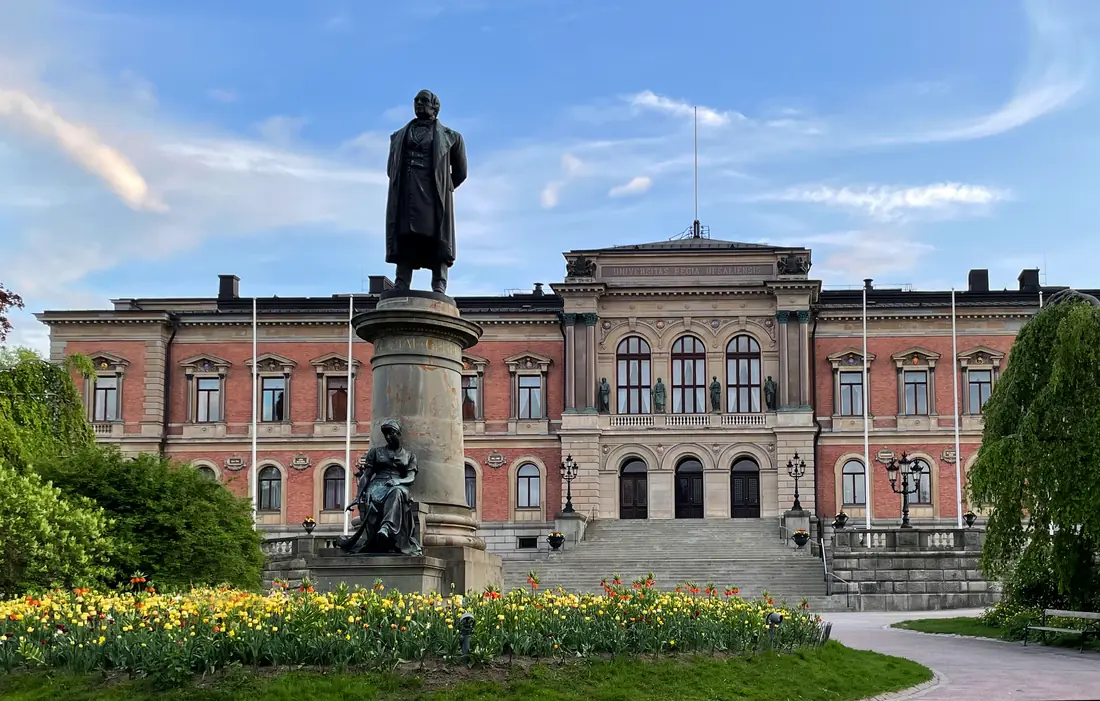
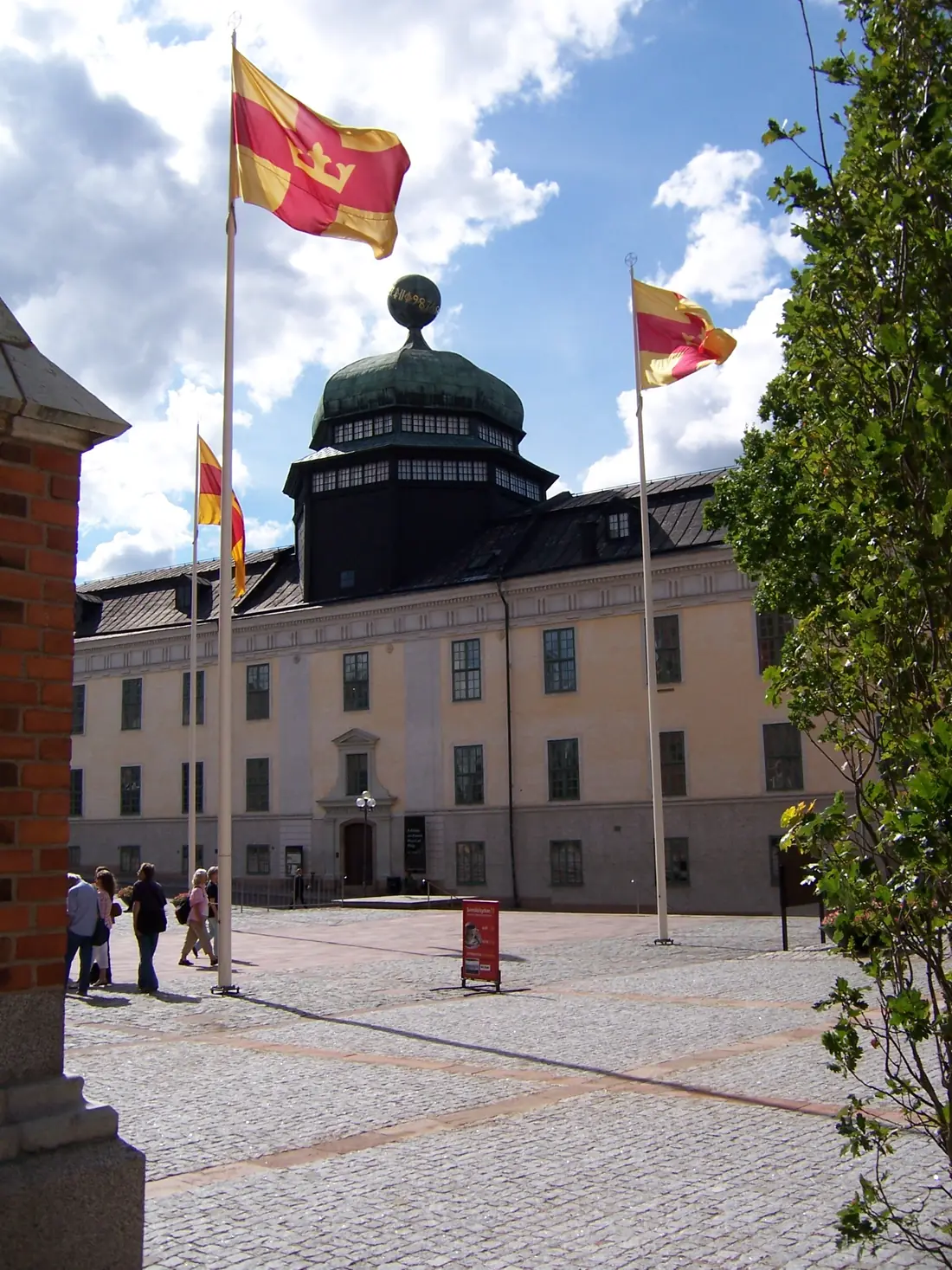
Uppsala University received its corporate charter from Pope Sixtus IV on 7 October 1477, converting an informal scholarly gathering into a legally recognised institution. Before that day, a group of clerics and scholars operated under the patronage of the Archbishop of Uppsala, teaching theology and canon law to a handful of students but lacking the right to grant degrees or own property in their own name. The papal bull explicitly granted the right to confer bachelor, licentiate and doctorate degrees, to hold land and to elect its own chancellor, thereby replacing the ad‑hoc arrangement with a self‑governing university.
The mechanism of papal authorization was the standard method for establishing medieval universities in Europe. A university required a charter from a sovereign authority, often the Pope or a king, to be recognised as a corporate body. The bull named the archbishop, Jakob Ulvsson, as the first chancellor and listed the initial faculties of theology, law, medicine and the arts. It also stipulated that the university could collect fees, own a library and maintain a hospital for poor students, functions previously managed by the cathedral chapter. By codifying these rights, the charter created a durable legal foundation that survived the later Reformation and secular reforms.
The charter involved three principal parties. Pope Sixtus IV supplied the universal authority, signing the document in Rome after a petition by Archbishop Ulvsson, who had argued that a university would train clergy for the Swedish church and reduce reliance on foreign schools. The Swedish Crown, represented by King Sten Sture the Elder, provided financial support for construction of new buildings, contributing 2,000 daler in the first year. Finally, the cathedral chapter contributed its existing library of 150 manuscripts, which became the core of the university’s collection.
The immediate effect was the enrollment of 30 new students in the autumn term, a 150 percent increase over the previous semester. The university also began awarding its first degrees in 1480, creating a local supply of qualified officials for the Swedish administration. Over the next century the institution expanded to include a faculty of philosophy and grew its student body to over 200, establishing Uppsala as the intellectual centre of the Nordic region. The 1477 charter therefore marked the transition from a loosely organised school to a permanent university capable of shaping Swedish education and governance for centuries.
Elizabeth of Luxembourg was born on 7 October 1409 in Luxembourg Castle to Emperor Sigismund of the Holy Roman Empire and his third wife, Barbara of Cilli. Her birth gave the Luxembourg dynasty a direct heir who could inherit the imperial crown, the Hungarian kingdom and the Bohemian throne, because Sigismund already held those titles.
The dynastic importance of her birth was expressed in a charter dated 15 November 1409, in which Sigismund named Elizabeth his successor in the absence of a male heir and ordered the court to recognize her future claims. At the time the empire comprised roughly 80 principalities and the Hungarian kingdom controlled about 1.5 million households, so a single heir could influence the political alignment of millions.
In 1423, at age fourteen, Elizabeth married Albert, Duke of Austria, a member of the Habsburg family. The marriage contract stipulated that Albert would be elected king of Germany and that their children would inherit the Hungarian and Bohemian crowns. The agreement was ratified by the electoral college on 18 March 1438, when Albert was crowned King of the Romans, and later by the Hungarian diet on 1 November 1439, confirming his claim through Elizabeth.
Elizabeth’s role as queen consort extended beyond titles. She negotiated the Treaty of Bratislava in 1440, securing the release of 2,300 prisoners taken during the Hussite wars, and she sponsored the construction of a hospice in Prague that served 150 patients annually. Her death on 19 December 1442 left her son, Ladislaus the Posthumous, as a minor claimant to three crowns, prompting a succession crisis that lasted until 1457. The crisis forced the imperial electors to choose Frederick III, a Habsburg, thereby establishing a dynasty that would dominate Central Europe for three centuries.
Thus Elizabeth’s 1409 birth set in motion a series of marital and political moves that reshaped the power structure of the Holy Roman Empire, Hungary and Bohemia, affecting the lives of millions and paving the way for Habsburg dominance.