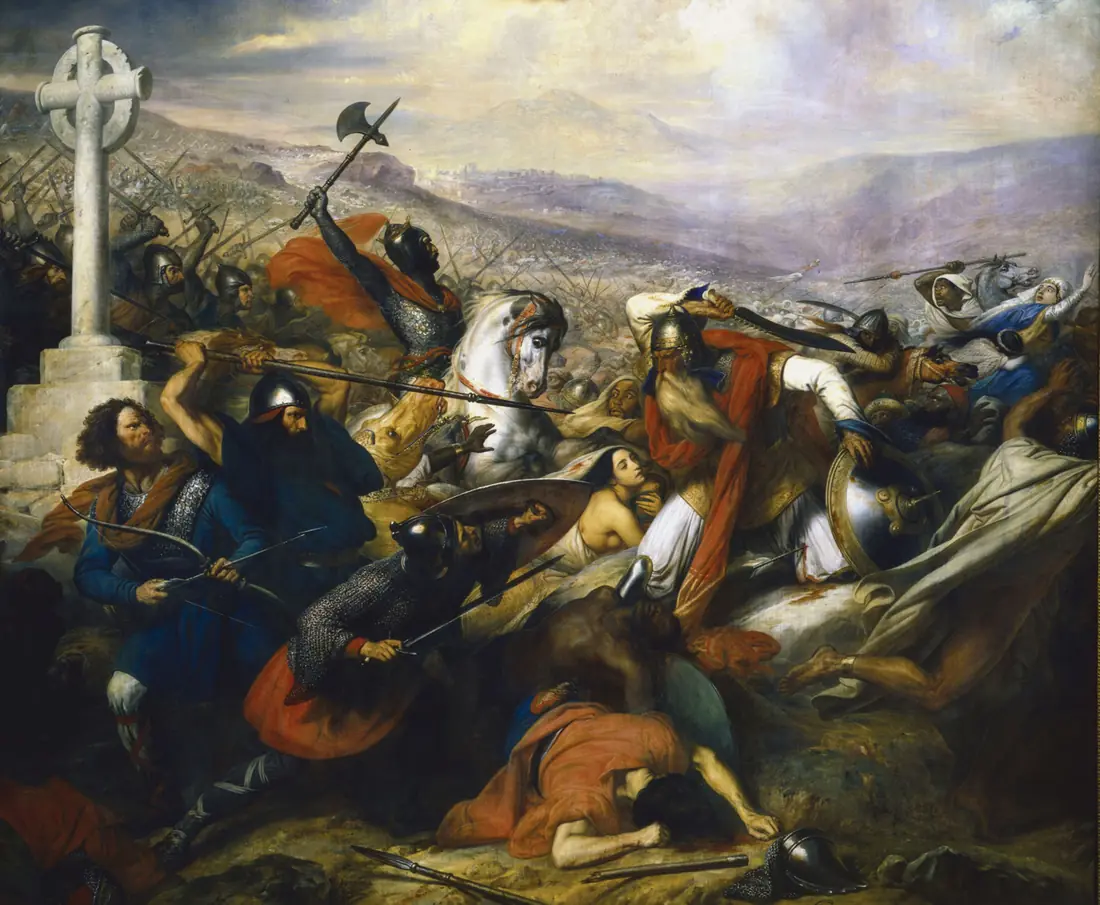
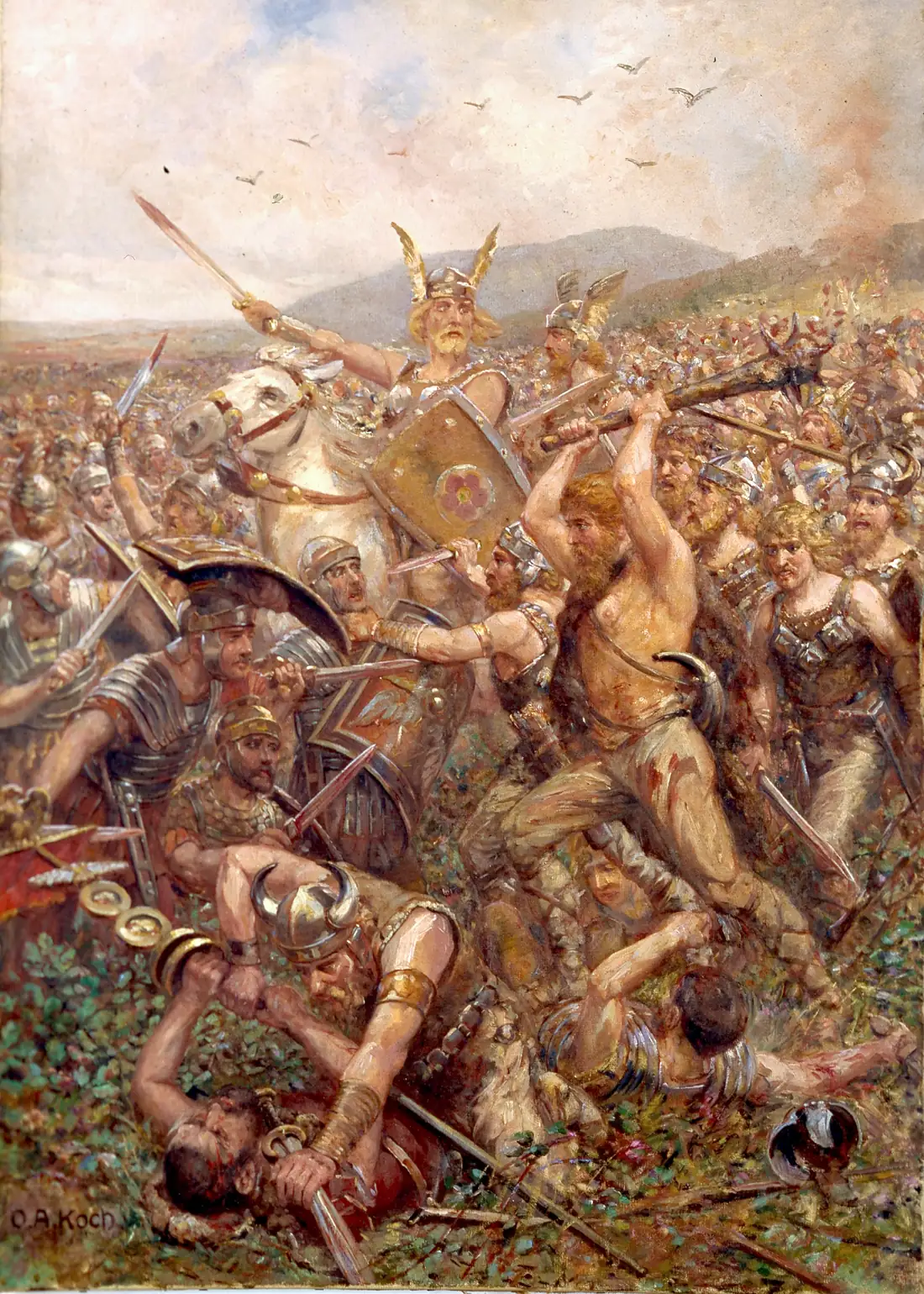
The Frankish leader Charles Martel stopped an Umayyad army from crossing the Loire River. Contemporary Frankish sources record that the Muslim force numbered about 20,000 cavalry while the Frankish levy was roughly 15,000 infantry and a small contingent of mounted men. The battle took place on open ground near the city of Tours, where the Franks formed a defensive line on a slight rise and used shield walls to absorb repeated cavalry charges.
The decisive mechanism was the disciplined infantry formation. Frankish soldiers placed their shields overlapped and thrust spears forward, forcing the Umayyad horsemen to break contact and suffer heavy losses. The Muslim commander, Abdul Rahman al-Ghafiqi, was killed in the melee; his death is recorded by the chronicle of the monk John of Tithonus, who notes that only a few of the original 20,000 survived the encounter.
Estimates of casualties vary, but the Frankish annals list 2,000 dead on their side and claim that the Muslim losses exceeded 10,000. Modern scholars consider the Frankish figure plausible for the infantry, while the Muslim death toll is likely exaggerated, yet the loss of their commander and a substantial portion of their cavalry is undisputed. The Frankish victory prevented the Umayyad army from advancing further into Aquitaine and forced the survivors to retreat south across the Pyrenees.
A common belief is that this battle saved Western Europe from an Islamic conquest. The record shows that the Umayyads had no strategic plan to occupy Gaul beyond raiding and that their supply lines were already overextended. The primary effect of the victory was political: it cemented Charles Martel’s reputation, allowed him to collect tribute from neighboring regions, and gave the Frankish realm the resources to develop a more centralized authority. Within a generation his son Pepin established the Carolingian dynasty, which later provided the framework for the Holy Roman Empire.
The battle also altered the perception of infantry versus cavalry in medieval warfare. After Tours, Frankish commanders increasingly relied on well‑trained foot soldiers to counter mounted forces, a practice that spread throughout Western Europe. This shift made large standing infantry forces an ordinary component of European armies, a development that would shape military organization for centuries.
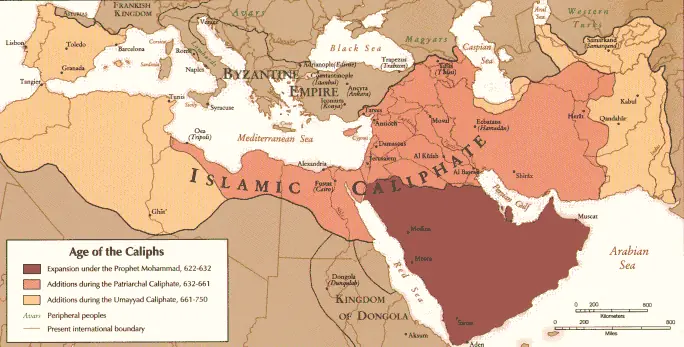
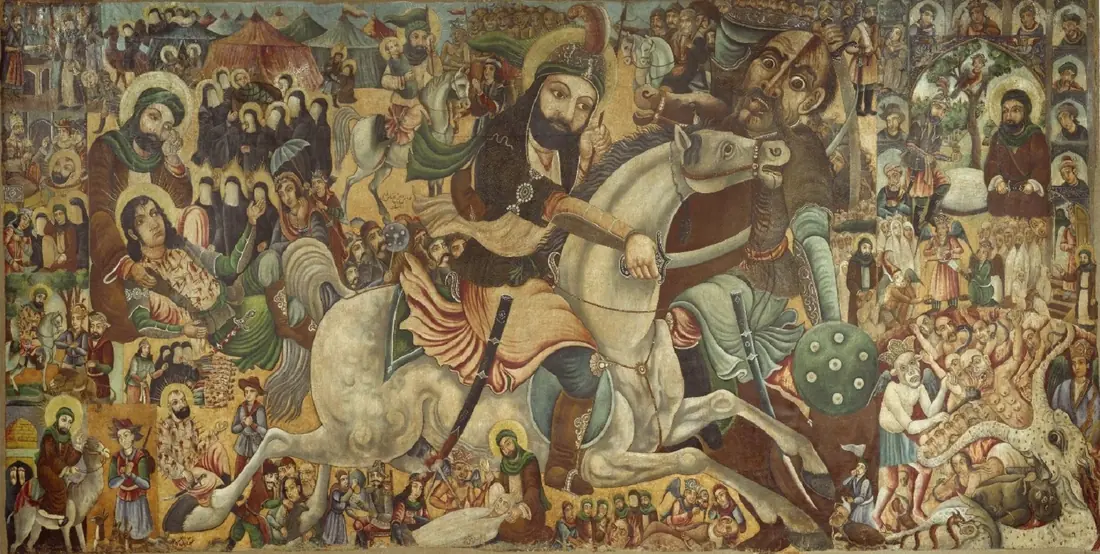
In the spring of 680 the Umayyad Caliphate controlled the Islamic empire from Damascus, with Yazid I recognized as successor after the death of his father Muawiyah I in 680. The legitimacy of Yazid's rule was contested by several members of the Prophet Muhammad's family, particularly Husayn ibn Ali, grandson of Muhammad and son of Ali ibn Abi Talib, who refused to pledge allegiance because he considered Yazid's conduct un-Islamic. Husayn left Mecca for Kufa after receiving letters from its residents promising support, but the governor of Kufa, Ubayd Allah ibn Ziyad, dispatched a force of about 4,000 soldiers to intercept him.
On the 10th of October 680 the two forces met on the plain of Karbala, a desert area near modern‑day Iraq. Husayn's group consisted of roughly 72 fighters, including family members and companions, while the Umayyad army numbered around 4,000 infantry and cavalry. Husayn positioned his men on a small rise, hoping the terrain would offset the numerical disadvantage. The Umayyad commander, Umar ibn Sa'ad, ordered a siege that cut off water supplies, forcing the smaller group to fight without basic sustenance.
After several hours of combat, Husayn's forces suffered severe losses; only a handful survived the melee and the subsequent massacre. Husayn himself was killed, and his head was taken to Yazid as a trophy. Contemporary accounts record that 72 of Husayn's companions died, while Umayyad casualties were limited, with estimates of a few dozen wounded. The battle ended with the complete defeat of Husayn's contingent and the consolidation of Yazid's authority over the empire.
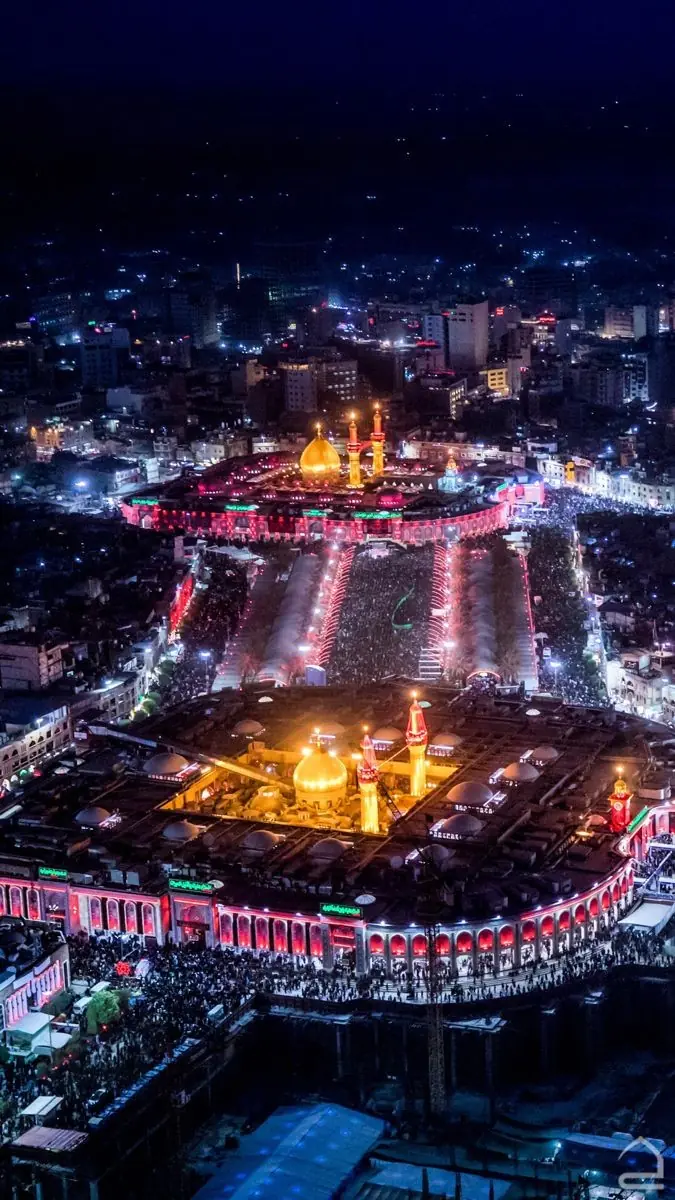
The immediate effect was the suppression of dissent in Kufa, as the governor executed suspected supporters of Husayn. However, the martyrdom resonated strongly among the Prophet's descendants and their followers. Within months, the event sparked a series of uprisings led by other members of the Alid family, notably the revolt of Mukhtar al‑Thaqafi, who claimed to avenge Husayn. Over the longer term, the memory of Karbala became a central symbol of resistance for Shia Muslims, shaping religious rituals such as the annual commemoration of Ashura. The battle thus transformed a political dispute over succession into a defining religious narrative that continues to influence Islamic sectarian identity.
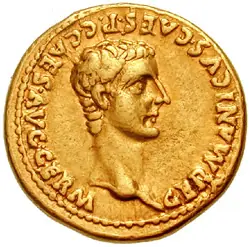
Germanicus Julius Caesar, a popular Roman commander and heir of the Julio‑Claudian dynasty, died in the Syrian city of Antioch while on a campaign in the eastern provinces. The official cause was a sudden fever that lasted three days, but ancient sources record that his brother‑in‑law, the governor Gnaeus Calpurnius Piso, was suspected of having administered poison. The suspicion arose because Piso had previously clashed with Germanicus over the administration of the newly conquered client kingdoms and because Germanicus had publicly rebuked Piso for mismanagement of the imperial treasury.
The mechanism of the alleged poisoning involves the administration of a toxic substance, likely a plant extract such as hemlock, which was known to cause rapid cardiac failure. Roman medical writers described such poisons as acting by stopping the heart's rhythm after a period of vomiting and severe abdominal pain. Germanicus fell ill after a banquet hosted by Piso, exhibited vomiting, and then suffered a high fever that did not respond to the treatments of the imperial physicians, including the famed surgeon Scribonius Largus. The lack of an autopsy leaves the exact cause unproven, but the pattern matches known symptoms of acute plant poisoning.
Germanicus controlled several legions stationed in the east, commanded the army of the East, and was responsible for the integration of newly acquired territories after the defeat of Parthia. His death removed a charismatic leader who had been promised the succession after Emperor Tiberius. The immediate effect was a power vacuum in the eastern command, which Piso filled, thereby consolidating his own authority. The Roman Senate opened an inquiry, and Tiberius ordered Piso to stand trial for treason and murder. The trial was delayed for two years, during which Piso committed suicide, an act that was interpreted as an implicit admission of guilt.
In the longer term, Germanicus' death shifted the balance of power toward the emperor’s direct relatives. Tiberius' son, Drusus, gained prominence, and the eventual succession of Caligula in AD 37 was facilitated by the removal of a rival claimant. The episode also reinforced the Senate’s limited capacity to check provincial governors, leading to tighter imperial oversight of provincial administration in the following decades. The memory of Germanicus endured as a symbol of military virtue, influencing later propaganda that portrayed subsequent emperors as his heirs.
Germanicus’ death thus altered the command structure of the eastern army, changed succession dynamics within the imperial family, and prompted reforms that increased central control over provincial governors.
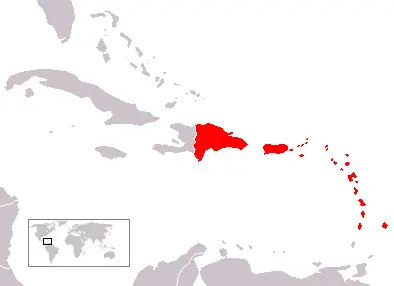
The Caribbean experienced its deadliest recorded storm in October 1780 because a massive low‑pressure system formed over the Atlantic and moved westward with unprecedented speed. British Admiral George Brydges Rodney had ordered his fleet to shelter in the Bay of St. John on October 8, believing the weather would improve; the order was written in his log on the 7th and dispatched to captains on the 9th. Modern meteorology shows that the storm’s central pressure dropped below 920 mb, creating wind speeds that exceeded 150 km/h and a storm surge of up to three meters along the Lesser Antilles.
Popular accounts often claim that the hurricane struck a single island, but ship logs from the French vessel Le Merveilleuse and the Dutch brigantine De Groot confirm that the eye passed over Barbados, Martinique, Saint Vincent and Grenada within a twelve‑hour period. The French log recorded 1,200 deaths on Martinique, while British records from Barbados list 1,500 fatalities and the loss of 120 houses. Overall mortality estimates range from 20,000 to 30,000, based on parish registers that show a sudden increase in burial entries between October 10 and 12.
The disaster prompted immediate relief efforts that were hampered by the destruction of ports. Governor Sir William Young of Barbados wrote to the British Treasury on October 15 requesting £5,000 for food and medical supplies; the Treasury approved £2,500 on October 20, citing the extraordinary loss of crops. The shortage of sugar cane caused the price of raw sugar to rise from 5 to 12 shillings per hundredweight by November, a figure documented in the London commodity index.
In the aftermath, colonial administrations revised building codes to require stone foundations for new structures, a policy recorded in the Barbados Assembly minutes of March 1781. The hurricane also influenced naval strategy: Rodney’s fleet, having lost 30 % of its men and several ships, avoided large‑scale engagements in the Caribbean for the next two years, as noted in his correspondence with Admiral Sir Peter Parker. The event therefore reshaped both civil planning and military deployment in the region, demonstrating how a single meteorological anomaly can alter economic and strategic trajectories.
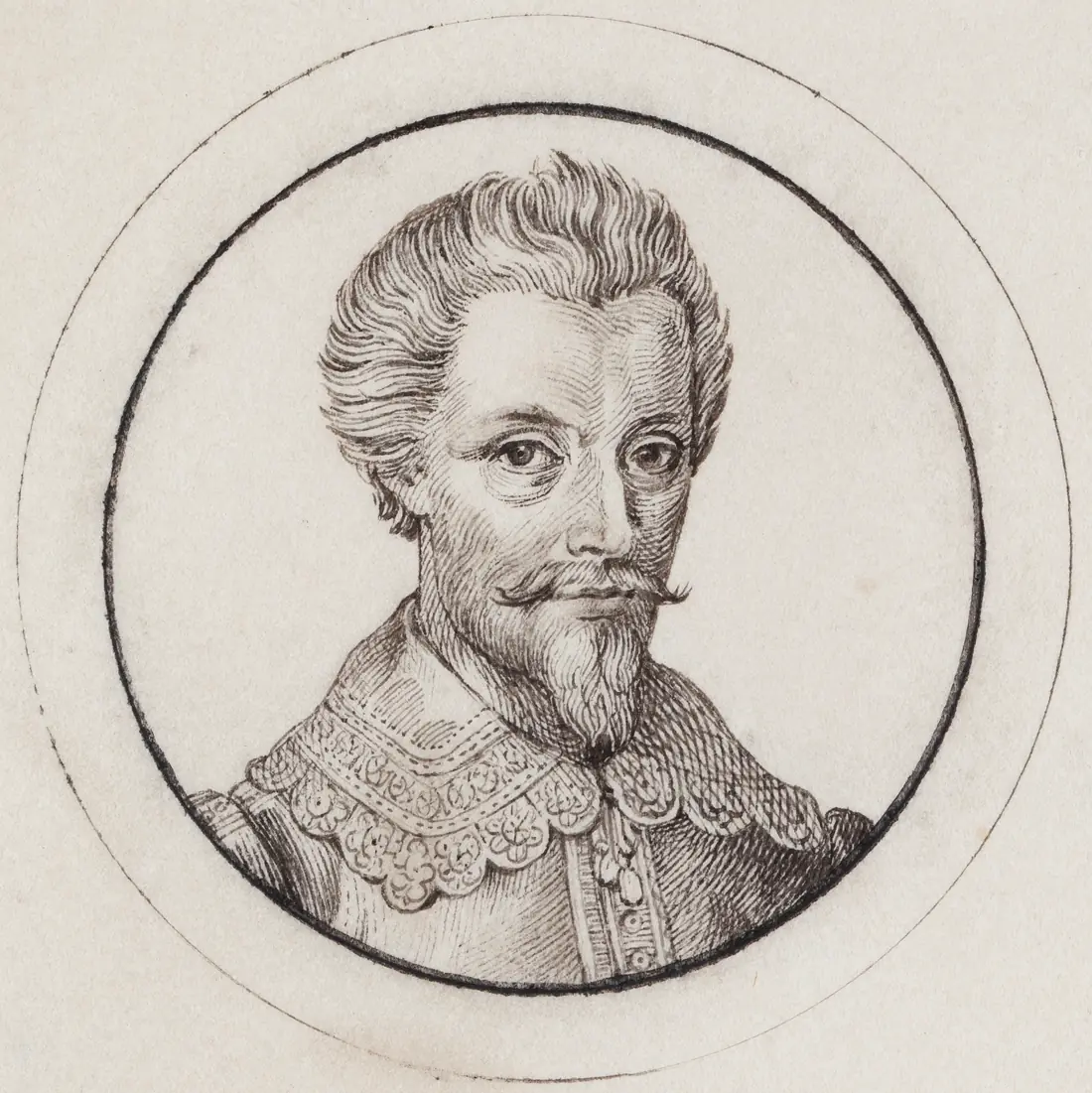
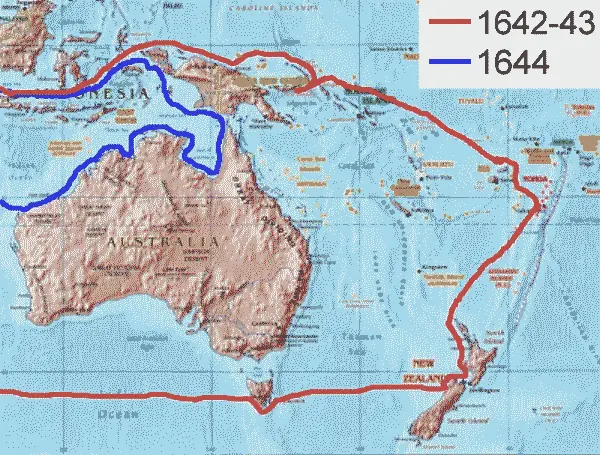
Abel Tasman died on 10 October 1659 in Batavia, the capital of the Dutch East India Company in the East Indies. Before his death he had spent more than three decades in the service of the Company, rising from a ship’s mate to a senior commander who led two voyages that added the islands of Tasmania and New Zealand to European maps. The Company kept detailed logs of his voyages, and those records show that his first expedition in 1642 sent three ships with a crew of about 250 men, while his second in 1644 used two ships and roughly 200 crew members. The primary purpose of the voyages was to locate new trade routes and potential sources of spice, a commodity that accounted for more than half of the Company’s profit in the 1640s.
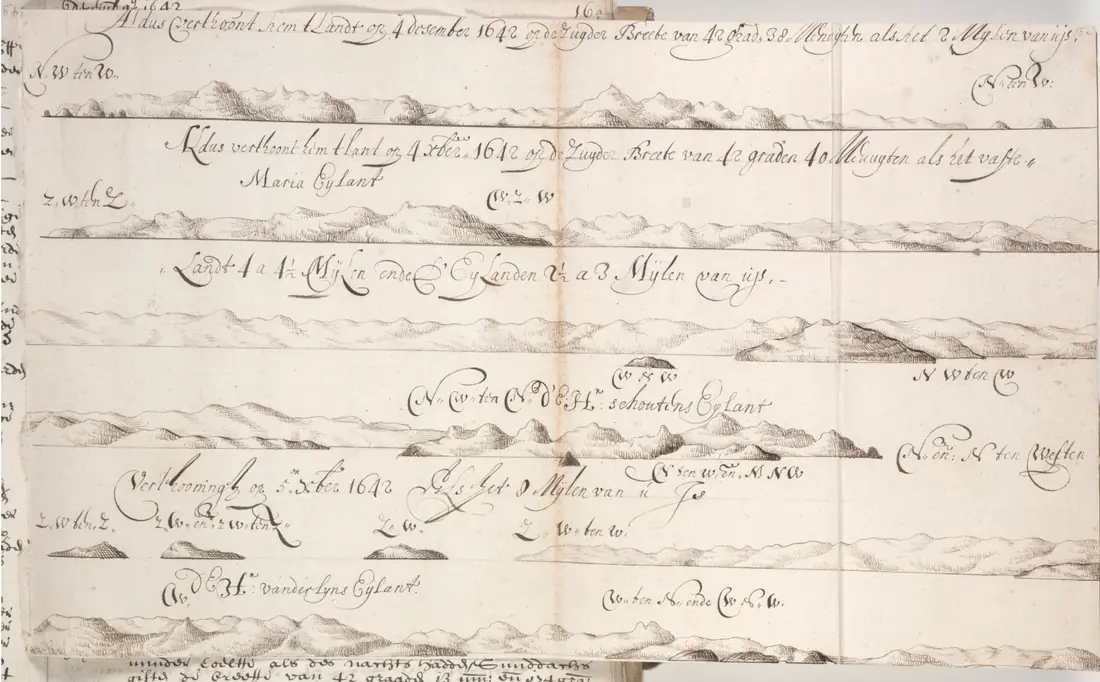
The mechanism that made Tasman’s exploration possible was the Company’s monopoly on Dutch shipping in the Asia Pacific, backed by a charter that granted it the right to raise its own navy and to claim territory on behalf of the United Provinces. This charter required the Company to report any new lands to its directors in Amsterdam, who then decided whether to issue a formal claim. After Tasman’s 1642 sighting of the southern island, the Company recorded the name "Van Diemen’s Land" in its registers, but it never established a settlement there. The 1644 encounter with the Māori on the north island of New Zealand resulted in a brief exchange of fire and the loss of one Dutch sailor, after which the expedition withdrew without establishing a foothold.
Tasman returned to Batavia after each voyage and continued to serve as a senior officer, overseeing shipbuilding and the training of crews. His death removed a navigator who had contributed to the Company’s geographic knowledge but who had not secured any permanent colonies. The immediate replacement was a younger officer, Jan van Riebeeck, who later founded a settlement at the Cape of Good Hope in 1652, shifting the Company’s focus toward securing a resupply point for ships travelling to and from the East Indies.
The consequence of Tasman’s death was the loss of a seasoned explorer at a time when the Company was consolidating its trade network. Without his experience, the Dutch reduced exploratory voyages in the South Pacific and concentrated resources on existing outposts. This strategic shift meant that the British and French later filled the vacuum in the region, establishing colonies that would become modern Australia and New Zealand. Tasman’s charts, however, remained in the Company’s archives and continued to guide later navigators, illustrating how a single death could alter the direction of imperial expansion while preserving valuable geographic information.