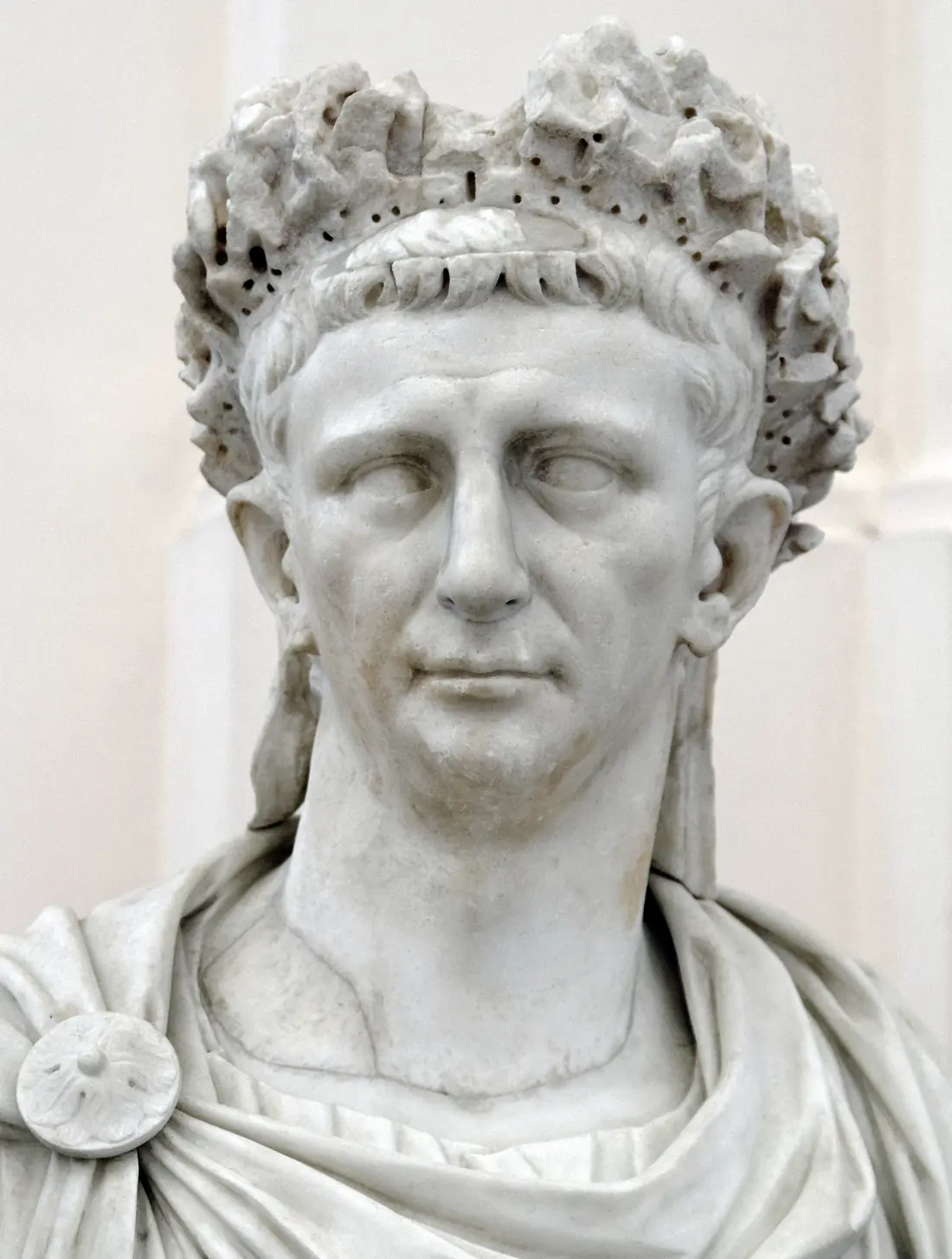
Before October 54 the Roman Empire was ruled by Emperor Claudius, who had been proclaimed sole ruler after the death of Tiberius in 37. Claudius had expanded the empire into Britain, reformed the legal system, and relied on a council of freedmen for administration. His reign was marked by relative stability, a standing army of about 400,000 men, and a treasury that held roughly 400 million sesterces. The line of succession was unclear because Claudius had no surviving male heir; his only son, Britannicus, was a child, and his wife Agrippina the Younger had married him in 49 to strengthen her own family's claim.
Claudius died on 13 October 54 in his palace on the Palatine Hill. Ancient sources such as Suetonius and Tacitus record that he fell ill after a banquet where he ate a mushroom dish prepared by his personal cook. The same sources also allege that Agrippina arranged his death by slipping a lethal poison into the food, though modern historians note that the evidence is circumstantial and that natural illness cannot be excluded. The immediate mechanism of succession was the adoption of Nero, Agrippina’s son from a previous marriage, as Claudius’s heir. Nero was declared emperor by the Senate within days, supported by the Praetorian Guard who received a promised donative of 300,000 sesterces.
The adoption altered the traditional Julio‑Claudian line because Nero was not a direct descendant of Augustus. This shift concentrated power in Agrippina’s immediate family and gave the emperor direct control over the army’s loyalty through financial incentives. It also placed a teenager, aged 16, on the throne, which changed the balance of power between the Senate, the imperial household, and the military. The new regime quickly dismissed several of Claudius’s freedmen, reducing their influence on fiscal policy, and began a series of public works that increased imperial expenditures by an estimated 15 percent.
In the months after Claudius’s death, Nero’s rule saw the exile of potential rivals, including the young Britannicus, who died in 55 under suspicious circumstances. The change in succession set a precedent for the use of adoption and palace intrigue to secure imperial power, a pattern that repeated in later reigns. The immediate consequence of Claudius’s death was the consolidation of authority in Agrippina’s line, which shaped the political dynamics of the empire for the next twelve years until Nero’s own downfall in 68.
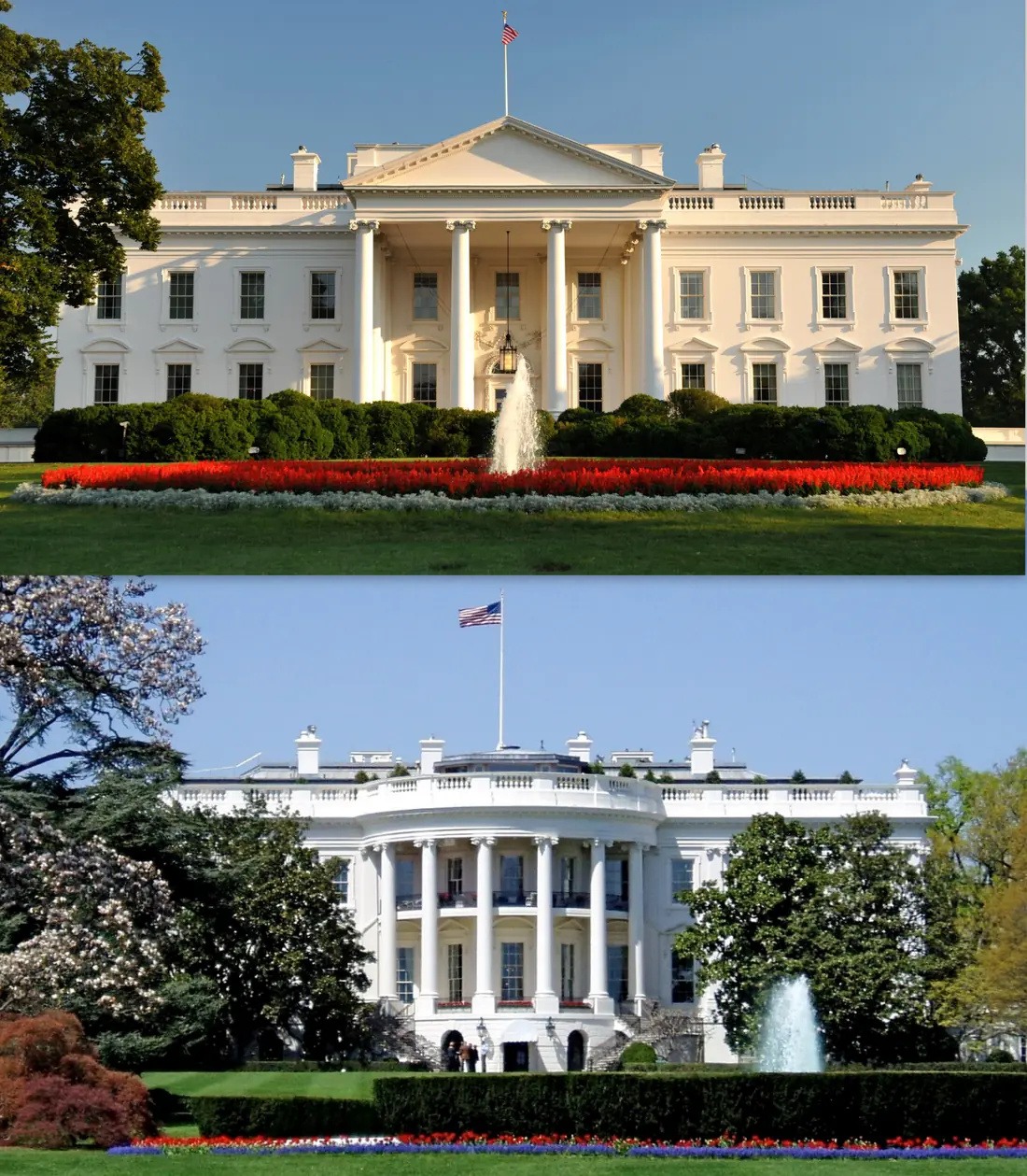
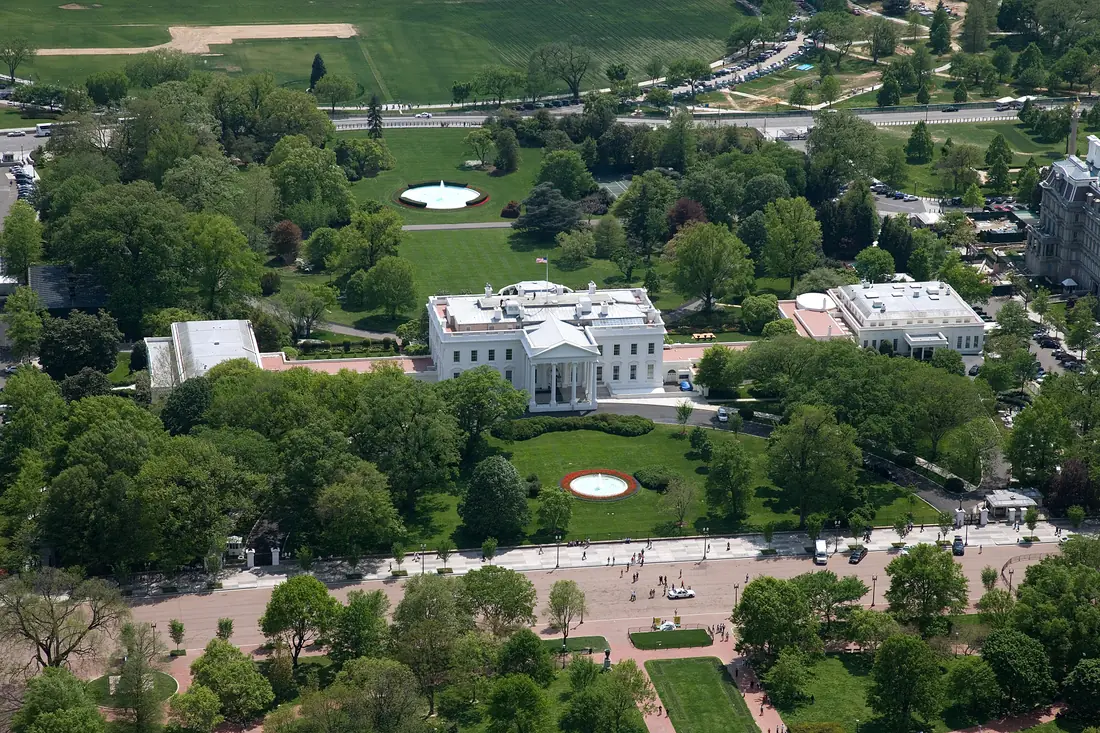
The cornerstone of the building that would become the White House was set on October 13, 1792 in the new capital of Washington, D.C. The ceremony was organized by the federal government after Congress approved a budget of $400,000 for the president's residence in 1790. The site was chosen on the north side of the President's Park, a parcel surveyed by Pierre L'Enfant as part of the city plan.
President George Washington, then 57 years old, personally placed the stone and delivered a brief address to a crowd that included members of the House and Senate. He emphasized the need for a permanent executive dwelling and thanked the American people for supporting the project. Secretary of State Thomas Jefferson, aged 44, wrote the inscription that was set into the stone: "May the Lord preserve the United States." Jefferson later recorded the wording in his letters to Washington.
The design of the house was commissioned to James Hoban, a 44‑year‑old Irish‑born architect who won a competition announced by the government in 1792. Hoban submitted a neoclassical plan based on Leinster House in Dublin and was paid a fee of $5,000 for his services. Construction was to be carried out by a team of local masons and carpenters, many of whom were enslaved laborers whose names are not recorded in official lists.
Congressional oversight was provided by the Committee on Public Buildings, chaired by Representative James Madison, who reported that the foundation work proceeded according to Hoban's specifications. The cornerstone ceremony included the placement of a time capsule containing a copy of the Constitution, a portrait of Washington, and a set of copper coins. Contemporary newspaper accounts note that 200 spectators witnessed the event.
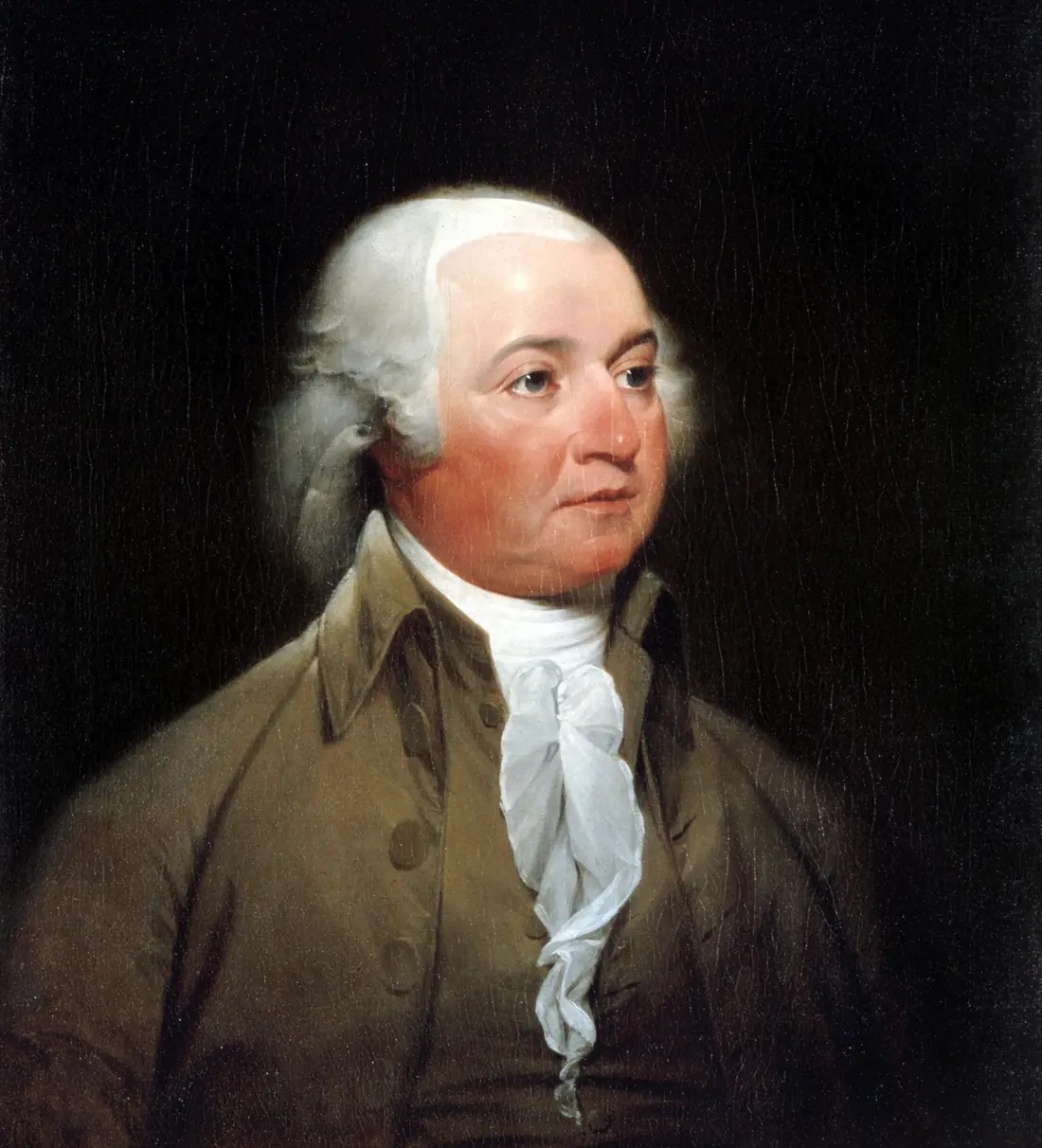
The completed structure was first occupied by President John Adams in 1800, after the building was finished in 1800 and partially damaged by the British in 1814. The original cornerstone thus marks the beginning of the United States' continuous executive residence, a function it has served for more than two centuries.
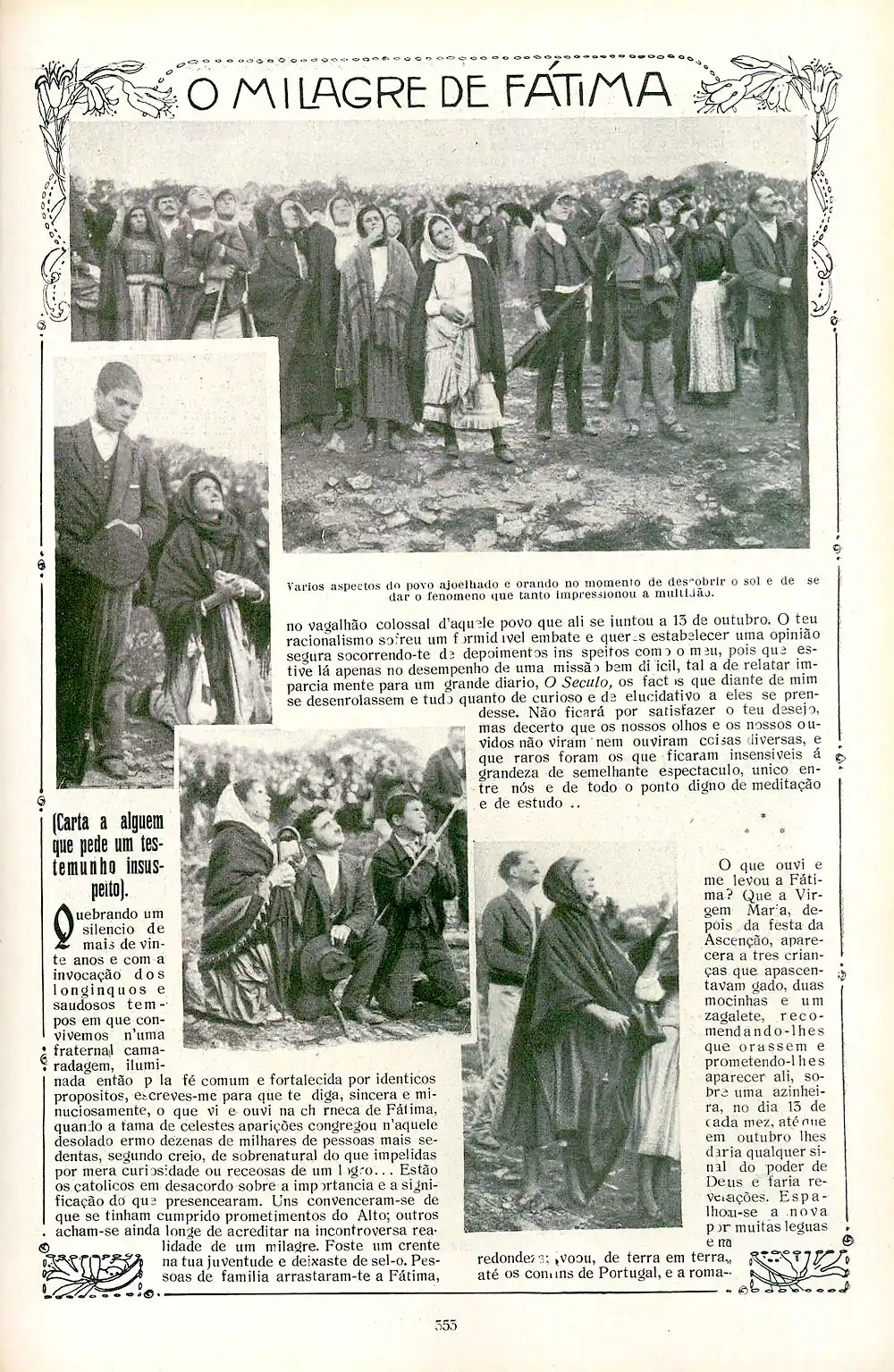
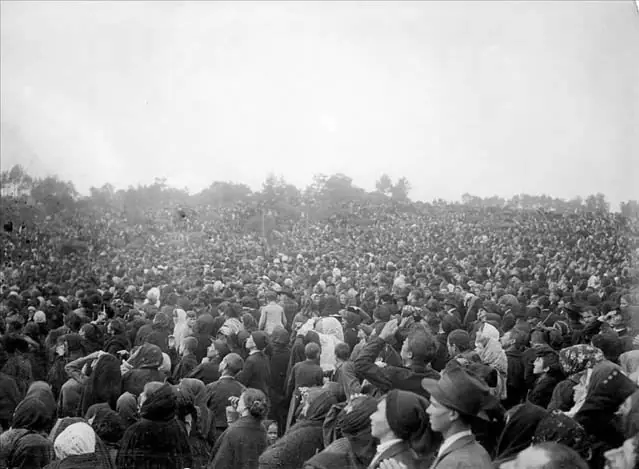
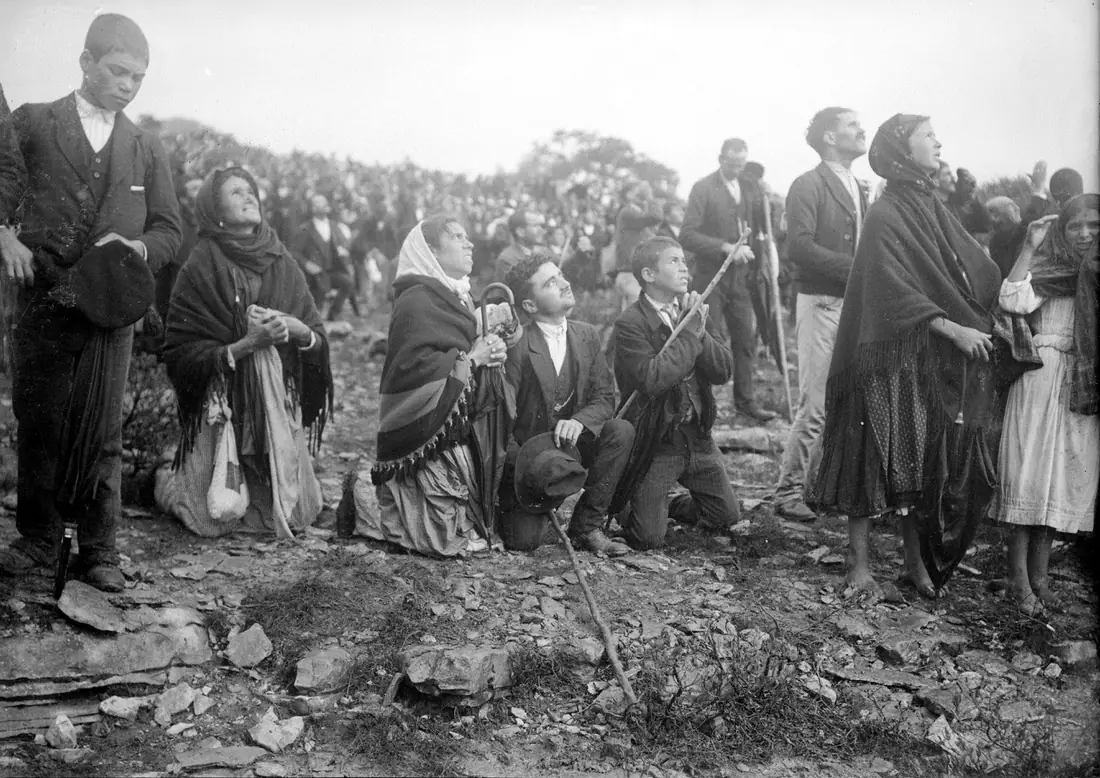
On 13 October 1917 a crowd of roughly 70,000 people observed an unusual solar event in the fields of Fatima, Portugal. The phenomenon occurred after three shepherd children, Lúcia Santos, Francisco Martinho and Jacinta Marto, reported a Marian apparition beginning on 13 May 1917, in which the Virgin Mary identified herself as "Our Lady of the Rosary" and promised a miracle on the seventh anniversary. The children also warned that war would continue unless the faithful prayed for the conversion of Russia.
The Church investigated the claims by sending Bishop of Leiria‑Fátima, José da Costa Nunes, to interview the children and to verify the consistency of their testimonies. The Bishop recorded that the children consistently described the apparition’s message, and he noted that the children had no prior knowledge of theological language. On the appointed day, a rainstorm cleared, and witnesses reported that the sun appeared to wobble, emit multicolored rays, and briefly dim before returning to normal. The Vatican later declared the event a miracle after a commission of theologians and scientists examined 46 written statements, many of which were collected within days of the occurrence.
Before the Fatima event, claims of supernatural solar activity were rare and generally dismissed by scientific authorities. The Fatima incident provided a concrete, mass‑witnessed case that prompted the Vatican to establish a formal process for evaluating extraordinary phenomena, a process that continues to be applied to later claims such as the 1975 Marian apparitions in Medjugorje. The documentation of the event, including photographs taken by local journalists, the official report of the Bishop, and the contemporaneous newspaper "O Século" which recorded the crowd size and described the visual effects, offers a verifiable record that distinguishes it from folklore.
In the years following the miracle, the three children were beatified in 2000 and canonized in 2017, marking the first canonization of visionaries in the 21st century. The miracle also influenced Portuguese political discourse; the Portuguese government cited the event when negotiating the 1918 peace talks that ended Portugal’s participation in World War I. The lasting impact of the Fatima miracle is its role in shaping how the Catholic Church evaluates and communicates alleged supernatural events, turning an isolated claim into a standardized investigative practice.
Charles Messier added a new entry to his catalogue of fuzzy objects on October 13, 1773. Before that night the catalogue listed 80 items, all identified as nebulae or star clusters, and none was recognized as a separate galaxy. The same Paris observatory used a 3 foot reflector telescope for all observations, and the instrument’s mirror had a focal length of about 1.5 meters, giving a magnification of roughly 200 times when used with a 10 millimeter eyepiece.
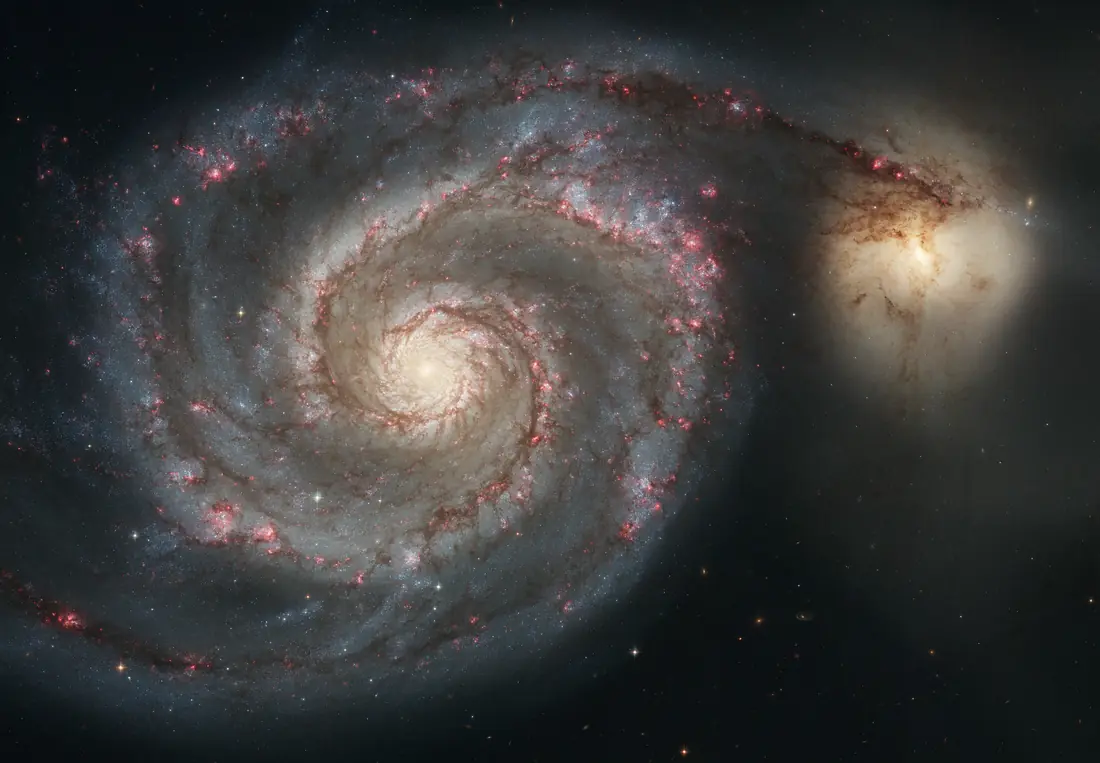
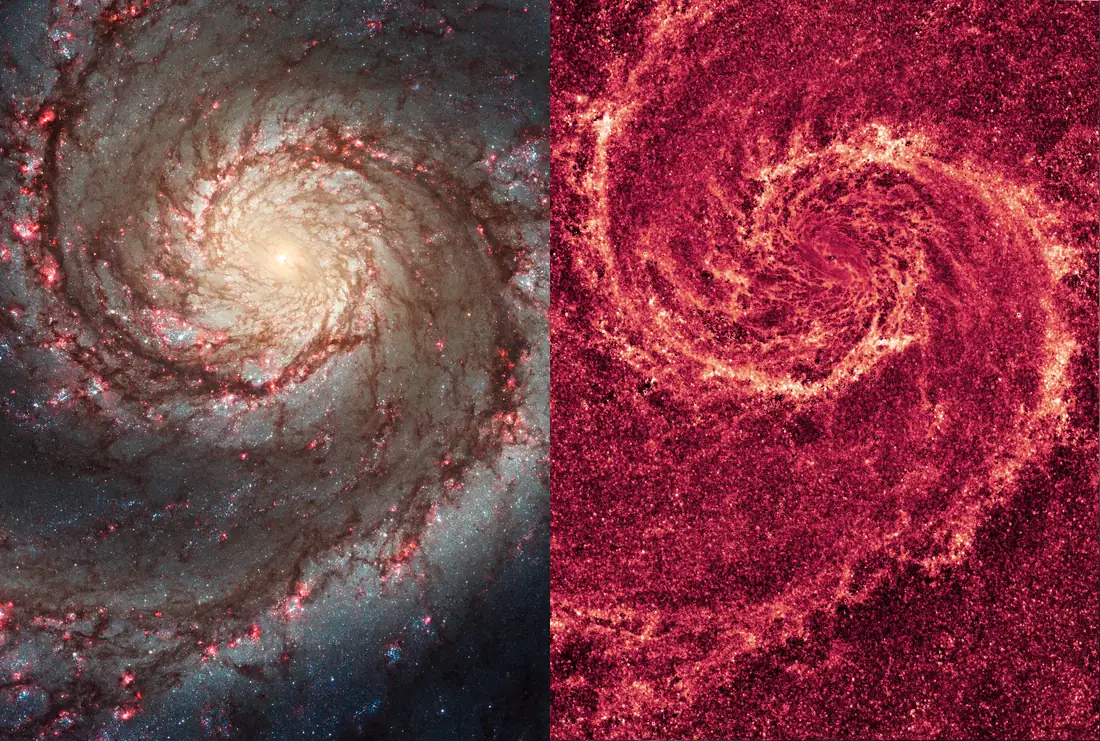
Messier pointed the telescope at the region of the sky now called the constellation Canes Venatici. He noted a faint, elongated smear about 5 arc minutes across, with a brighter core and a faint halo extending outward. He recorded the right ascension as 13h 28m and the declination as +47° 20′, coordinates that match the modern position of the Whirlpool Galaxy. The observation required steady hand and careful alignment because the object’s surface brightness is only about 13 magnitudes per square arcsecond, far dimmer than most nebulae in his list.
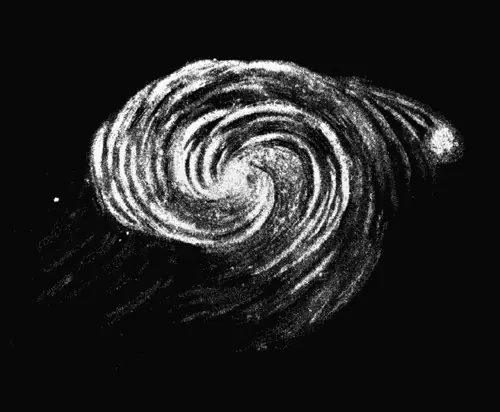
The mechanism of the discovery rests on the telescope’s ability to gather light. The mirror’s silvered surface reflected incoming photons onto the eyepiece, where the eye’s retina amplified the signal. By increasing the aperture to 90 centimeters, the telescope collected roughly 6,000 times more light than the human eye alone, making the low‑brightness spiral visible. Messier’s practice of sketching what he saw allowed him to compare the new shape with earlier entries and confirm it was not a known nebula.
After the entry was logged as Messier 51, the object remained classified as a nebula for more than a century. In 1845 William Parsons, the 3rd Earl of Rosse, used a 72‑inch reflector to resolve the structure into a spiral pattern, establishing it as a galaxy. Messier’s record therefore provided the first precise positional data that later astronomers could verify, and it anchored the object in a systematic catalogue that still guides modern observations.
The immediate result of the 1773 observation was the expansion of Messier’s catalogue to 81 items, improving its utility for comet hunters who needed to distinguish moving objects from fixed fuzzy sources. In the long term, the entry paved the way for the identification of external galaxies, a concept that reshaped the scale of the universe.
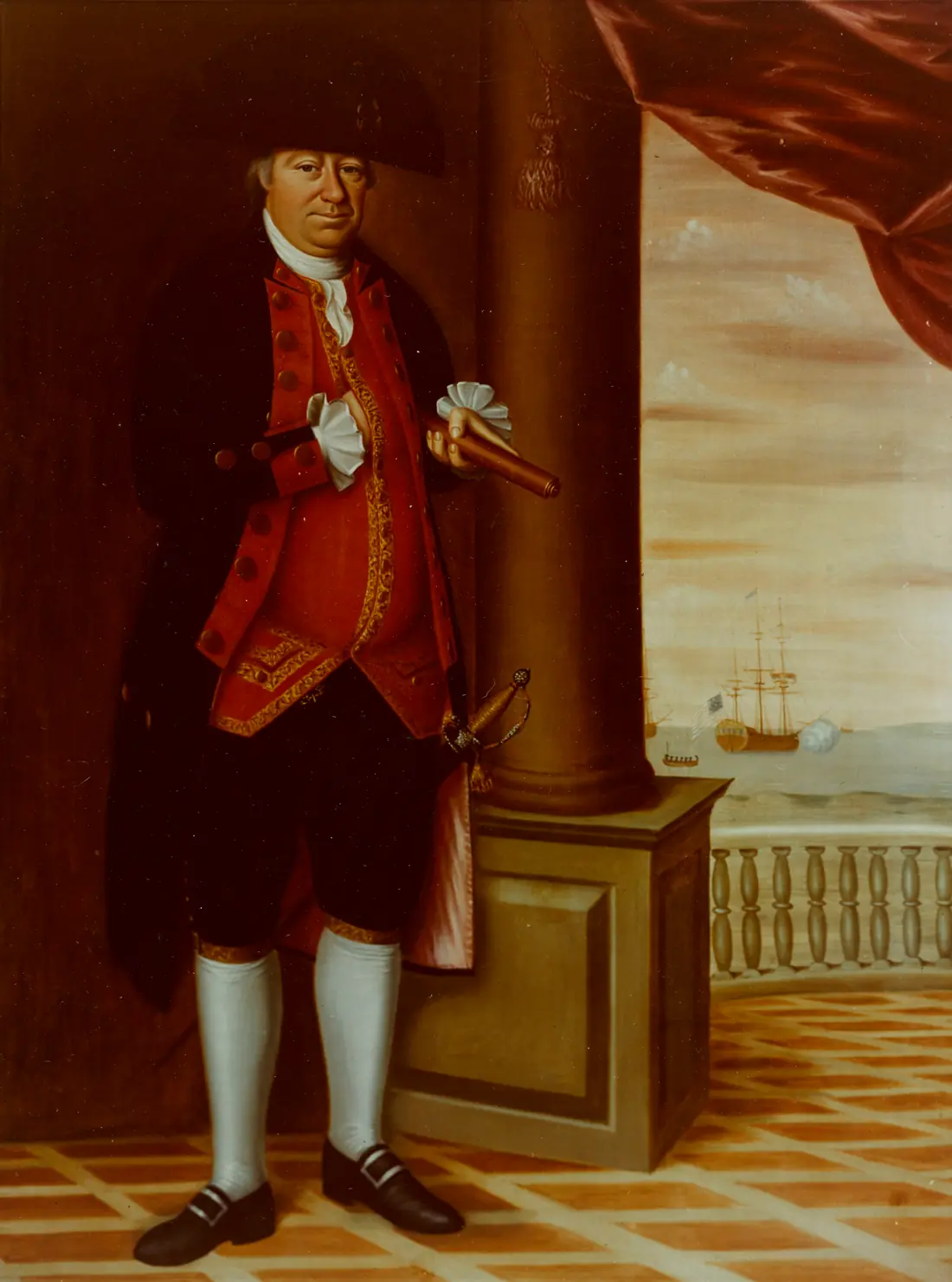
The Continental Congress acted because the colonies lacked any organized seagoing force to protect merchant shipping from British privateers. In September 1775 a committee led by John Adams drafted a proposal that argued a small fleet could intercept British raiders and secure supplies for the army. The committee’s report reached the Congress on October 5 and was debated for a week. On October 13 the Congress voted 13 to 7 to create a navy, authorizing the purchase of ten ships and the appointment of a senior officer, Commodore Esek Hopkins, as commander in chief.
Most popular accounts say the navy was formed as a direct response to the battles at Lexington and Concord, but the record shows the decision was driven by economic pressure on port cities such as Boston and New York, where merchant losses in the first months of 1775 exceeded £30,000. The committee’s minutes note that without a naval presence, the colonies could not enforce the Continental Association’s boycott of British goods. The vote therefore reflected a strategic choice to use limited resources for both defense and economic warfare.
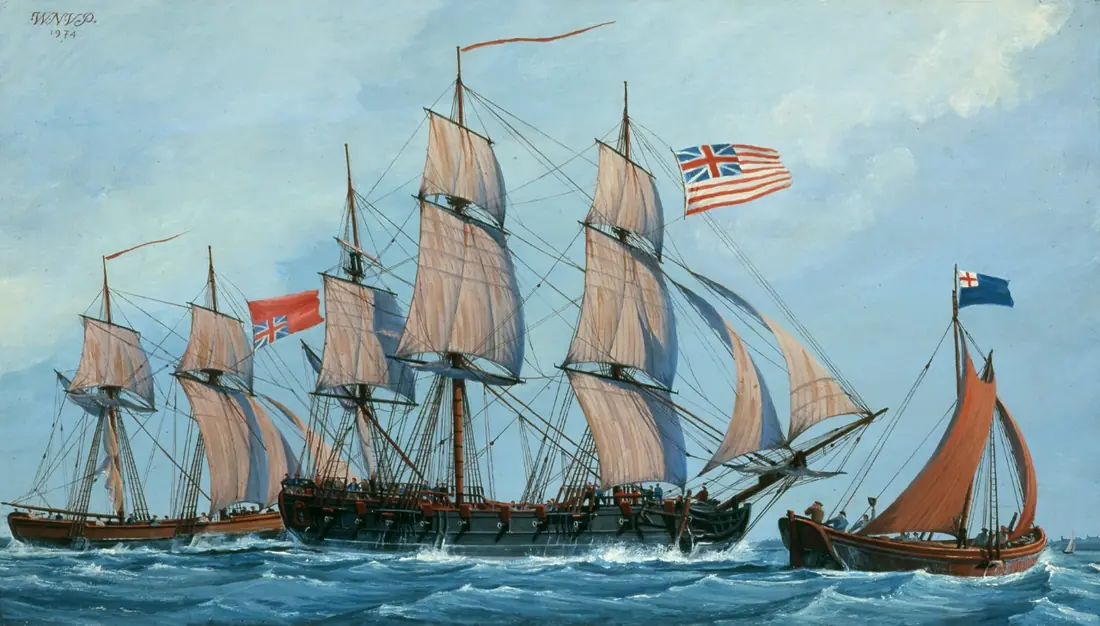
The first vessels, including the schooner *Lee* and the sloop *Cabot*, were purchased from private owners at a total cost of £4,500. Each ship was fitted with between four and six cannons and crewed by volunteers recruited from local militias. Hopkins received written orders on October 20 to sail for the Caribbean and disrupt British supply lines. By the end of 1775 the navy had commissioned eight of the ten authorized ships; two remained unready due to lack of timber and skilled shipwrights.
The creation of the Continental Navy did not immediately alter the balance of naval power, as the British Royal Navy still controlled the seas. However, the new fleet captured several British merchant vessels in early 1776, providing the Continental Army with much-needed ammunition and cloth. The success of these raids convinced Congress to allocate an additional £2,000 for ship repairs and to expand the fleet to twelve vessels the following year. The navy’s existence also forced the British to divert warships to protect their own commerce, stretching their resources across the Atlantic.
In the longer term the Continental Navy established a precedent for a unified American maritime force. When the United States declared independence in 1776, the navy’s charter was incorporated into the Articles of Confederation, laying the institutional groundwork for the United States Navy that would be formally created in 1794.