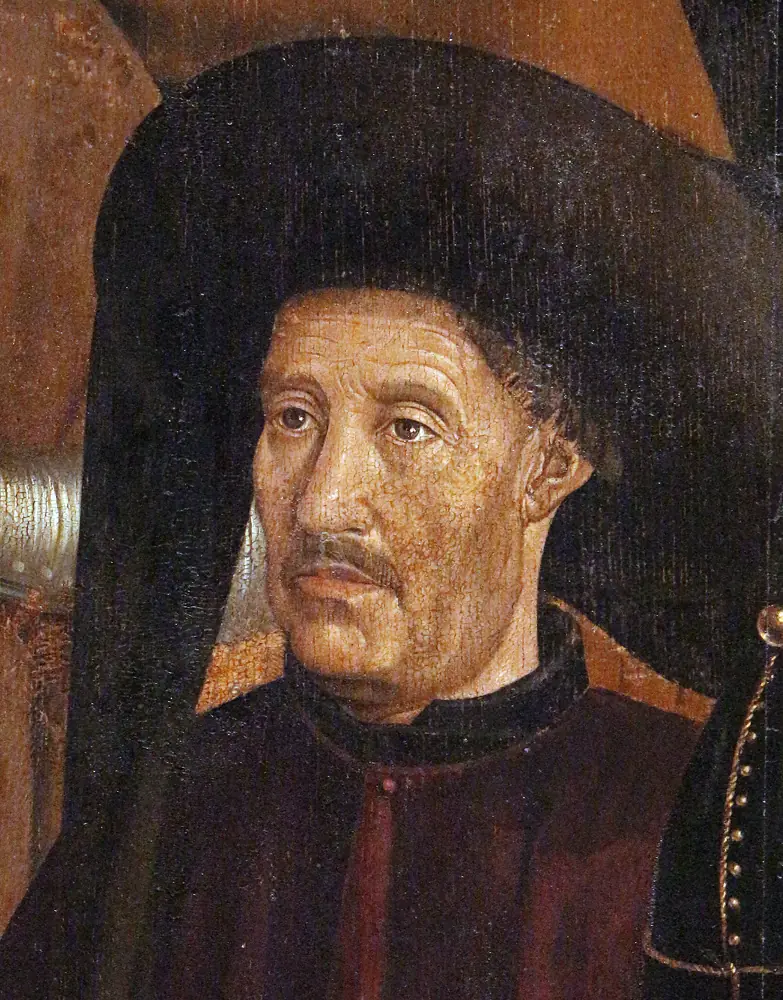
Prince Henry the Navigator died on 13 November 1460 in the town of Sagres, ending the life of the Portuguese royal who had directed early Atlantic exploration. Henry was born in 1394 and had been appointed infante, a title that gave him authority over the kingdom's maritime policy. By the 1420s he had created a navigation school at Sagres, where experienced pilots, cartographers and shipbuilders gathered to develop new techniques for sailing beyond the familiar coasts of Europe.
The school functioned as a state‑funded research centre. Henry allocated royal treasury funds and levied customs duties from the growing trade with the Canary Islands to pay for the construction of caravels, a ship design with a shallow draft and lateen sails that could tack against the wind. Skilled craftsmen such as the shipwright João de Santarém built vessels that could carry up to 30 tons of cargo, while pilots like Gil Eanes tested new compass calibrations and the use of the astrolabe at sea. The resulting improvements reduced the average crossing time from Lisbon to Madeira from 30 days to about 12 days, allowing more frequent voyages.
Henry’s patronage also extended to cartography. Under his direction the court cartographer Fernão Vaz de Almada produced the 1462 Atlantic map, which for the first time showed the Madeira and Azores archipelagos with accurate latitudes. These maps were based on observations recorded by captains such as Diogo de Teive, who reported a new island group in 1452. By standardising nautical charts the Portuguese Crown could claim newly discovered lands and negotiate trade rights with other European powers.
At the time of Henry’s death the throne was occupied by his nephew, King Afonso V, who was 16 years old. Afonso inherited the ongoing exploration programme but lacked Henry’s personal interest in navigation. The royal council, led by the chancellor Pedro de Menezes, continued to fund voyages, yet the momentum slowed. Within a decade the focus shifted toward the African coast, culminating in the 1488 rounding of the Cape of Good Hope by Bartolomeu Dias.
Henry’s death therefore marked the transition from a period of rapid Atlantic ship development and mapmaking to a phase where Portuguese expansion turned southward. The institutions he created survived, and the caravels he promoted remained the principal vessel type for the next half‑century, enabling the later discovery of sea routes to India.
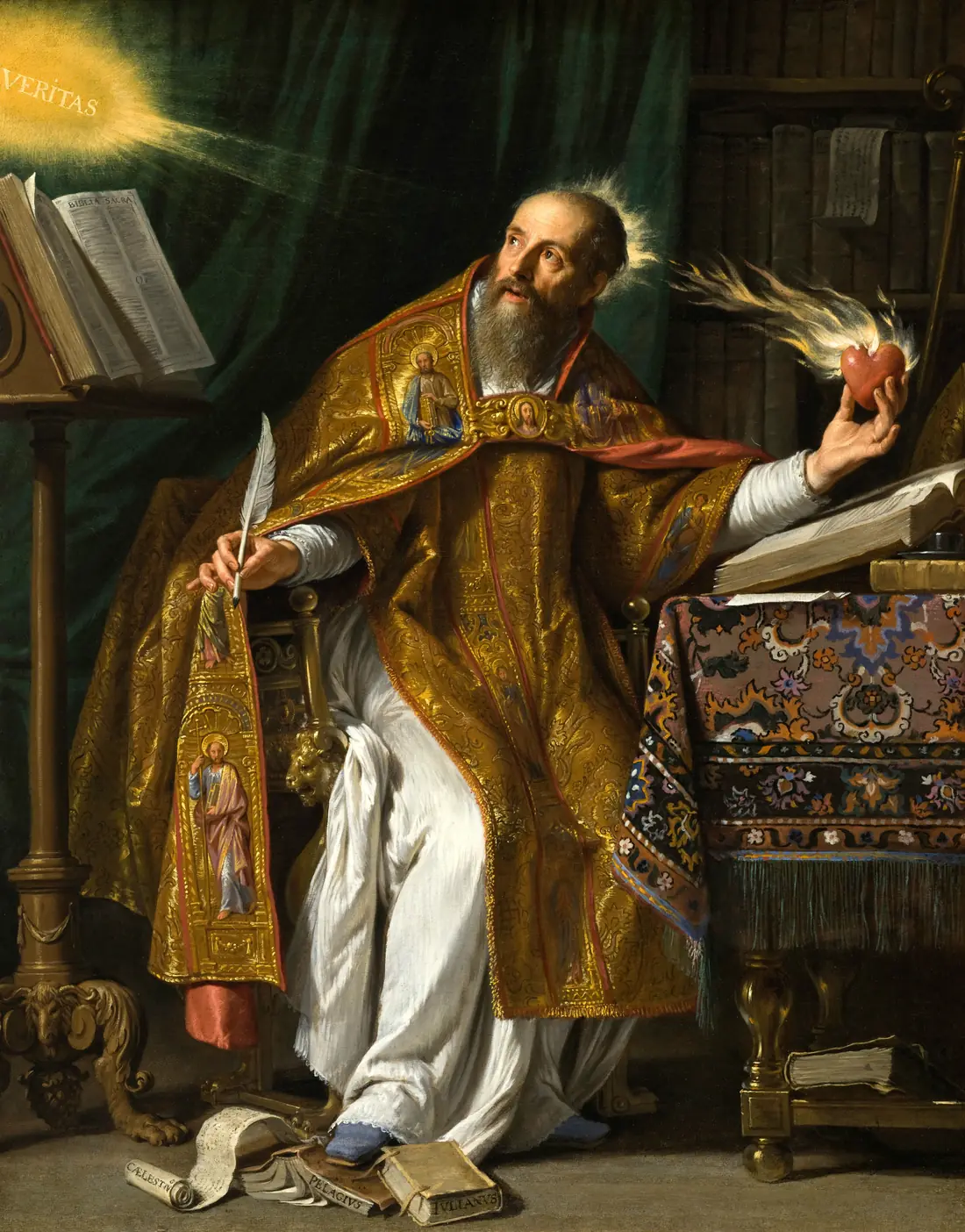
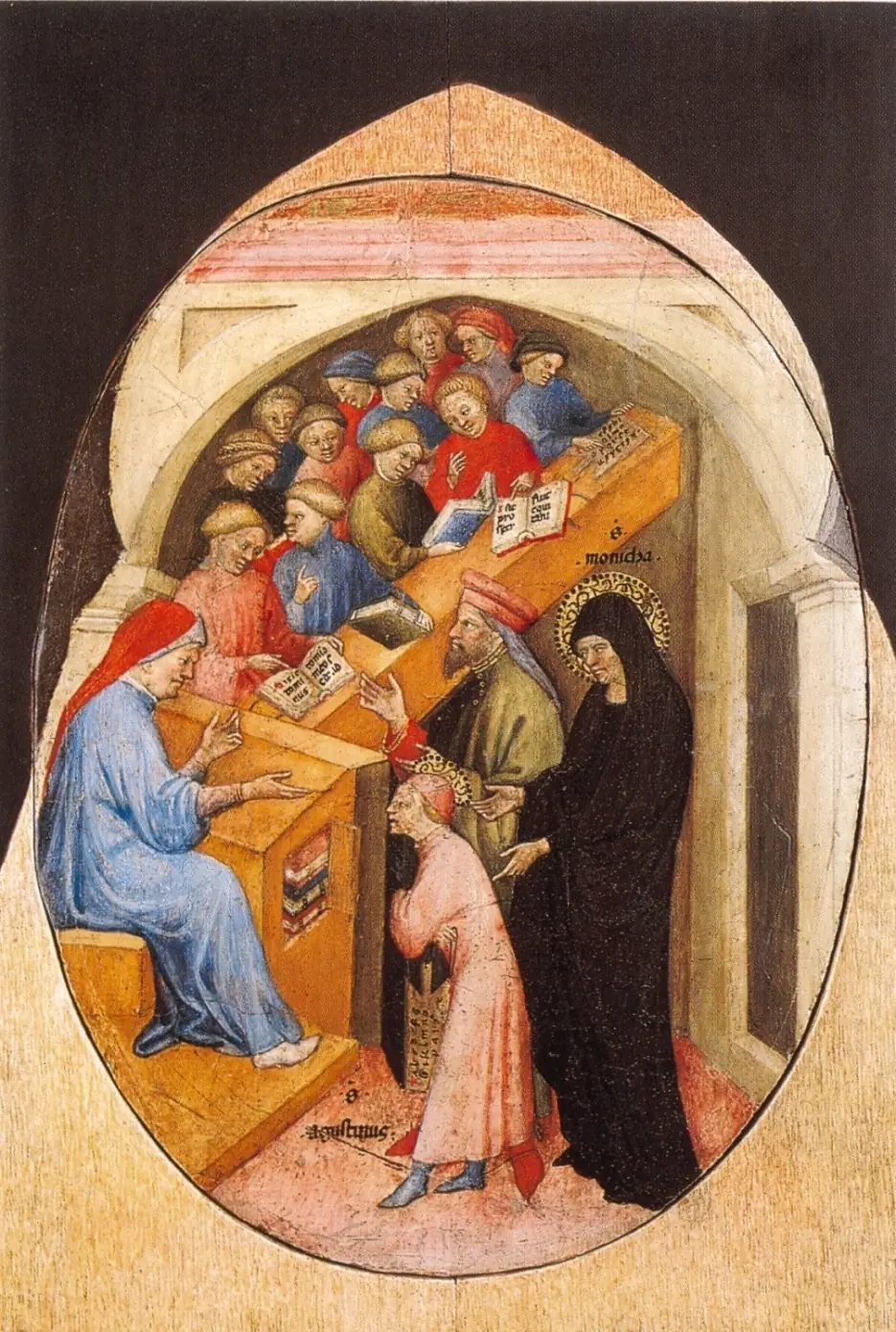
Augustine was born on 13 November 354 in Tagaste, a town of about 2,000 inhabitants in the Roman province of Numidia. His father, Patricius, was a pagan landowner who held a modest estate of roughly 30 hectares, while his mother, Monica, was a Christian who survived three marriages and lived to age 71.
The family practiced a mixed religion; Augustine attended a local school where the curriculum required study of Latin rhetoric for at least six years, a standard duration for boys of the middle class. At age 19 he left Tagaste for Carthage, a city 200 kilometers to the south, to pursue a career as a teacher of rhetoric. In Carthage he joined a Manichean sect that claimed the universe consisted of 2 opposing forces, a belief that attracted an estimated 10,000 adherents across North Africa.
After eleven years of Manichean affiliation Augustine returned to his native region in 384, then served as a professor in Milan for three years. During that period he encountered Bishop Ambrose, whose sermons were attended by roughly 5,000 citizens each week. Ambrose’s arguments contributed to Augustine’s baptism at age 32, a conversion documented by his own Confessions written around 397 when he was about 43.
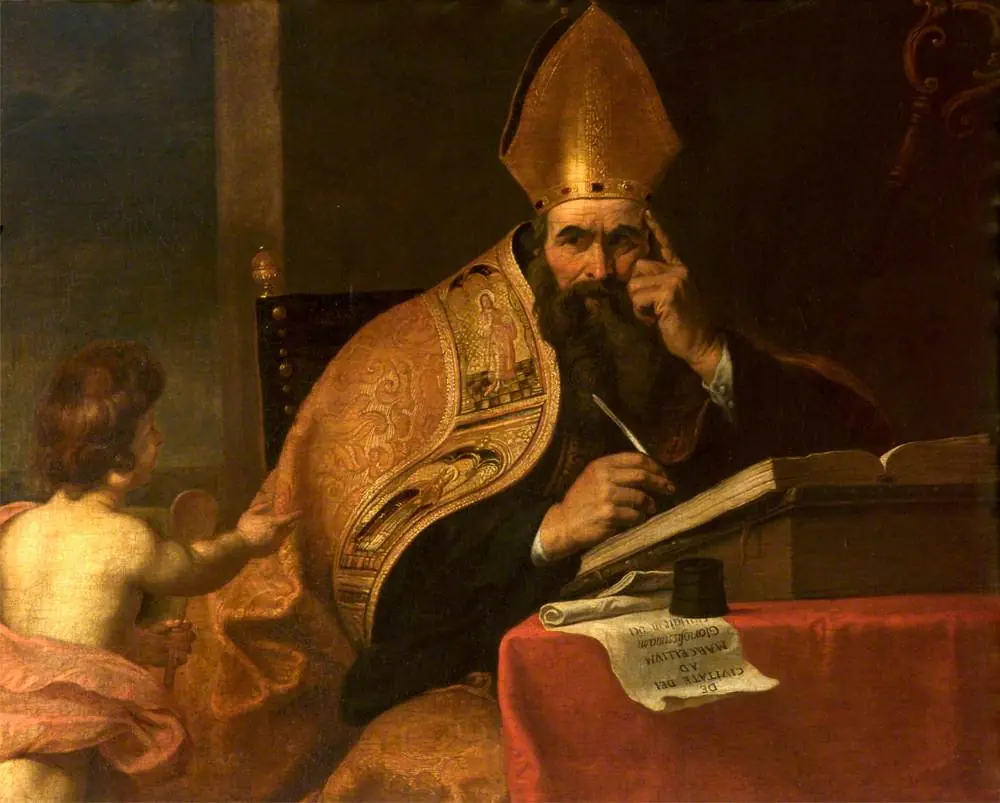
Augustine became bishop of Hippo in 395, a diocese covering an area of about 12,000 square kilometers and serving a Christian population estimated at 30,000. Over the next 18 years he wrote more than 100 treatises, including "City of God" (written between 413 and 426) which spans 22 books and addresses the fall of Rome in 410. His writings were copied by hand in scriptoria that produced roughly 1,500 manuscripts before the 9th century, a number that demonstrates the early demand for his theological work.
Augustine died on 28 August 430 at age 75 during the Vandal siege of Hippo, an event that lasted 14 months and resulted in the death of an estimated 5,000 residents. His burial site became a pilgrimage destination visited by at least 200 pilgrims per year in the 6th century. The theological positions he articulated, especially on original sin and grace, shaped the doctrines of the Western Church for the next 1,500 years and remain cited in contemporary theological curricula.
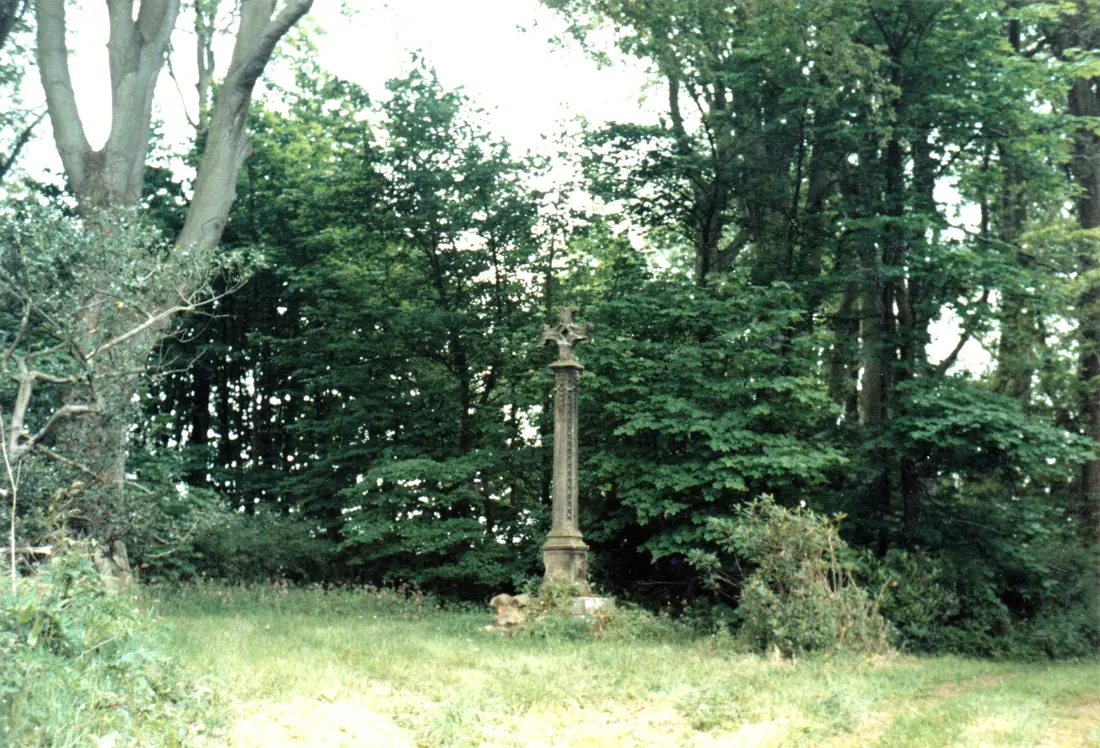
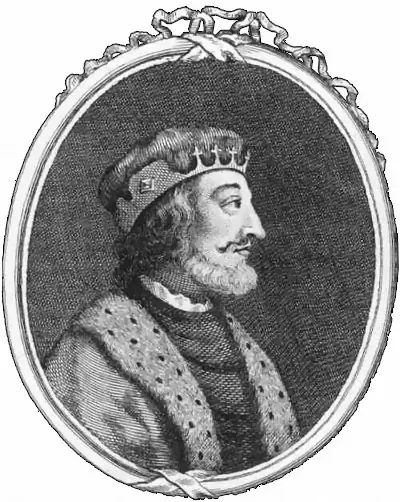
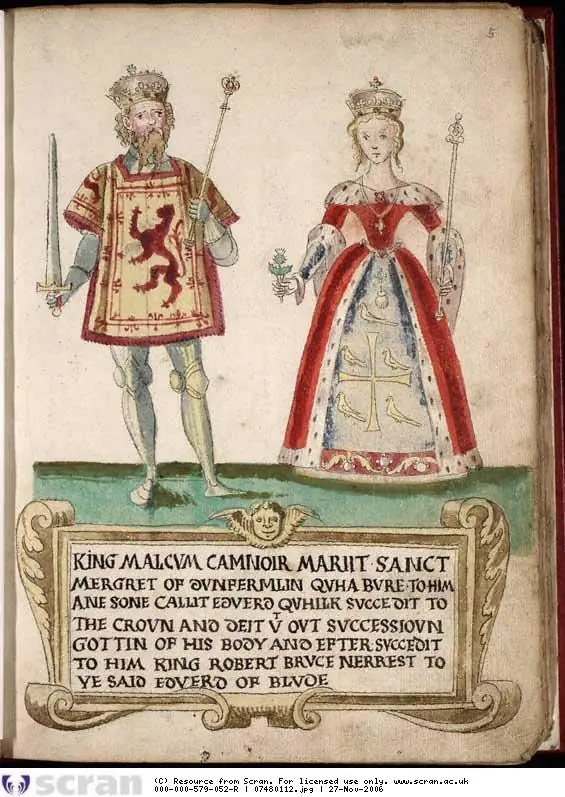
The Battle of Alnwick ended with an English victory and the death of King Malcolm III of Scotland and his son Edward. Malcolm had invaded northern England in late 1093 to assert a claim over the disputed border region of Northumbria. He led a force of roughly three hundred men, drawn from his own household troops and allied northern lords. The English defenders were assembled by local nobles of Northumberland, chiefly the earl of Northumbria, who mustered about five hundred infantry and a small contingent of cavalry. The two armies met near the town of Alnwick, a settlement situated less than twenty miles south of the Scottish border.
The Scots advanced in a tight formation intended to break the English line, but the English infantry held a defensive position on a low rise that forced the attackers into a narrow front. Contemporary chronicles note that the English archers released a volley that struck the Scottish vanguard, causing immediate disarray. Malcolm, attempting to rally his men, was unhorsed and slain; his son Edward fell shortly thereafter. English casualties were light, with fewer than twenty reported dead, while Scottish losses were heavy, with most of the three hundred combatants killed or captured.
The death of Malcolm III created an immediate succession crisis in Scotland. His brother Donald Bán, later known as Donald III, claimed the throne, but his rule was contested by Malcolm’s surviving sons, notably Duncan II, who would later seek English support to regain the crown. In the months following the battle, William II of England launched a punitive expedition into Scotland in 1094, compelling Donald to acknowledge English overlordship and to pay tribute. This tribute established a precedent for English influence over Scottish affairs that persisted for several decades.
The battle also altered the political landscape of northern England. The victory reinforced the authority of the Northumbrian nobles, encouraging them to maintain a fortified presence along the border. It demonstrated that a relatively small English force could repel a royal Scottish invasion, deterring further large‑scale attacks for the next generation. The death of a reigning Scottish king on English soil underscored the volatility of the Anglo‑Scottish frontier and set the stage for a series of diplomatic and military engagements that shaped the relationship between the two kingdoms well into the twelfth century.
Malcolm III had ruled Scotland since 1058, expanding his authority over the Gaelic and Anglo‑Saxon territories and establishing a line of succession that linked the Scottish throne to the Anglo‑Norman elite. By 1093 he controlled the core of the kingdom, but his claim to the English border lands remained contested by William II of England, who sought to enforce Norman dominance north of the River Tweed. The dispute centered on the strategic castle at Alnwick, a fortified site that guarded the main road between Northumberland and the Scottish marches. Malcolm entered the conflict to support his son-in‑law, the deposed Earl of Northumbria, and to press his own claim to the region.
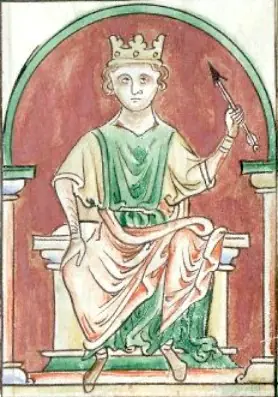
The military action at Alnwick involved a Scottish force estimated at 1,200 men, composed of infantry and a small contingent of mounted knights. William's army, recorded as roughly 800 strong, held the castle and positioned archers on the ramparts. Malcolm's plan was to force a direct assault on the gate, a tactic that relied on overwhelming the defenders with sheer numbers. The Scots advanced in three waves, but the Norman archers inflicted heavy losses; contemporary chroniclers note that at least 300 Scots fell before the gate could be breached. The breach was achieved only after the third wave forced the defenders to retreat, but the Scots could not maintain the momentum.
During the melee Malcolm was struck by a lance thrust that penetrated his breastplate, a wound that proved fatal within hours. His death was recorded by the Anglo‑Norman chronicler Orderic Vitalis, who specifies that the king died on the battlefield and was buried at Tynemouth. The succession crisis that followed was immediate: Malcolm's eldest son, Duncan II, was a minor and lacked the support of the powerful earls who favored the claim of Malcolm's brother, Donald III. William II seized the opportunity to install a garrison at Alnwick, reinforcing Norman control of the border.
The loss of Malcolm III altered the balance of power between Scotland and England. The ensuing internal conflict in Scotland weakened its ability to resist Norman encroachment, and the English crown maintained a permanent military presence at Alnwick for the next two decades. This shift set the stage for further Anglo‑Scottish wars in the early twelfth century.
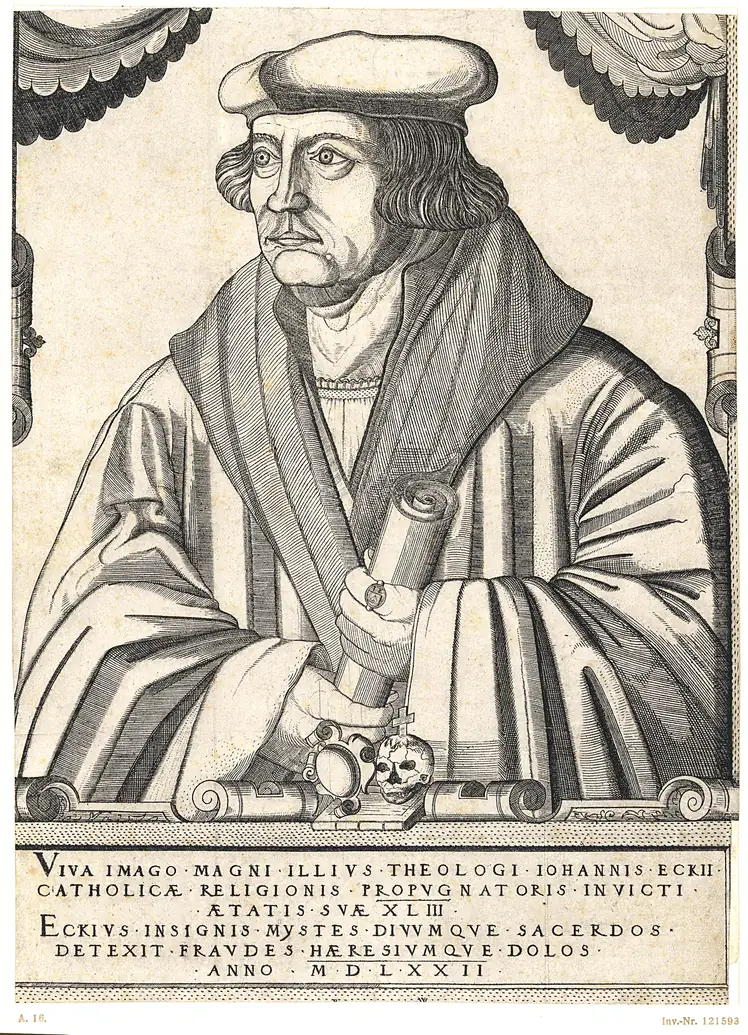
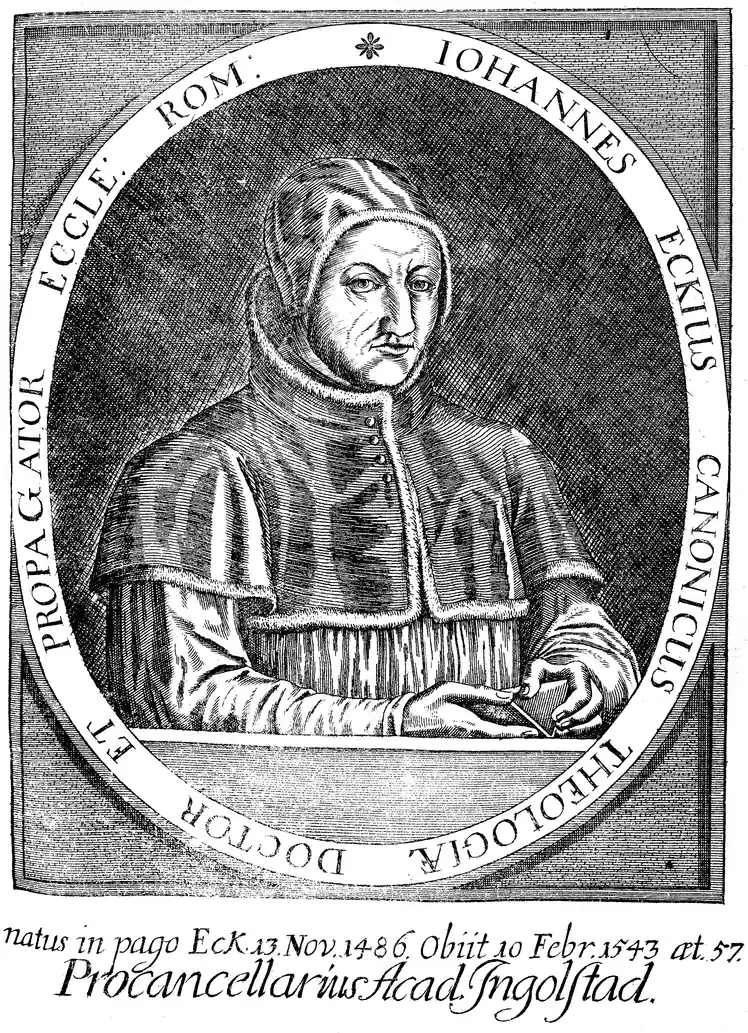
Johann Eck was born on 13 November 1486 in the Bavarian town of Landsberg am Lech. His birth added a future theologian to a Holy Roman Empire that at the time was dominated by the Catholic Church and a university system that trained clergy in scholastic methods. The prevailing belief among scholars was that doctrinal disputes would be settled within the university without affecting the wider Church hierarchy.
Eck entered the University of Ingolstadt in 1505, studying under the prominent professor Johannes Nider. He earned a doctorate in theology in 1510 and secured a teaching position that gave him influence over the next generation of priests. His early career coincided with growing criticism of indulgence sales, a practice defended by the papacy but increasingly questioned by reformers such as Martin Luther.
When Luther posted his theses in 1517, the university environment that had previously insulated theological debate was suddenly exposed to public controversy. Eck responded by publishing a series of pamphlets that defended the papal authority and refuted Luther's claims about justification by faith alone. In 1519 he was appointed professor of theology at Ingolstadt, a position that allowed him to organize formal debates with Luther. The most famous of these, held in Leipzig in 1519, involved 30 scholars on each side and lasted three days. Eck presented scriptural and canonical citations, while Luther relied on the same sources to argue for reform. The debate concluded without a formal decision, but contemporary accounts record that Eck's arguments persuaded a majority of the attending clergy to reject Luther's positions.
Eck's subsequent career was marked by his role as an inquisitor for the Holy Roman Emperor Charles V. He participated in the 1521 Diet of Worms, where he helped draft the edict that declared Luther an outlaw. Eck also contributed to the 1522 papal bull that excommunicated Luther, a document signed by Pope Adrian VI. These actions reinforced the imperial and papal stance that the Reformation represented a political threat as well as a theological dispute. Eck's writings, including the 1525 "Defensio contra Lutherum, " were printed in over 200 copies within two years, a scale that spread his counter‑reformation arguments across German-speaking lands.
Eck died in 1546, but his work established a model for institutional resistance to Protestant ideas. The mechanisms he employed, academic disputation, printed polemics, and legal prosecution, became standard tools for the Catholic Counter‑Reformation. His life illustrates how a single scholar could shift the balance between doctrinal debate and state‑sanctioned enforcement in early sixteenth‑century Europe.