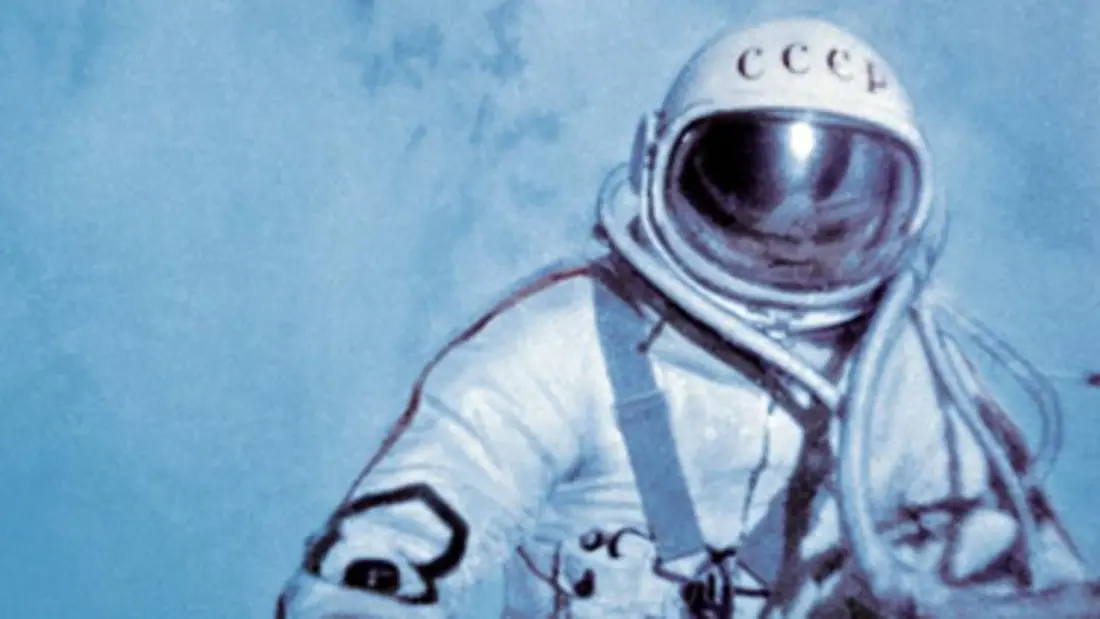
What happens when the boundaries of human exploration are pushed to the very limits of existence, and a single step changes the course of history? This is the story of a moment that would redefine the possibilities of space travel. The context for this extraordinary event was set by the intense competition of the Cold War, with the Soviet Union and the United States vying for supremacy in space exploration. Years of meticulous planning, technological innovation, and rigorous training culminated in the Voskhod 2 mission, which launched on March 18, 1965. On March 23, 1965, Soviet cosmonaut Alexei Leonov made history by performing the first spacewalk, spending 12 minutes outside the spacecraft. This groundbreaking achievement was made possible by the Voskhod 2 spacecraft, which carried Leonov and his crewmate Pavel Belyayev into orbit. The spacewalk, also known as an EVA (extravehicular activity), was a crucial test of the Soviet space program's capabilities and marked a significant milestone in the exploration of space. The immediate impact of Leonov's spacewalk was a surge in confidence for the Soviet space program, demonstrating their ability to push the boundaries of what was thought possible. The legacy of this event extends far beyond the Cold War era, as it paved the way for future spacewalks and extravehicular activities that are crucial for space exploration today. The bravery and ingenuity of Alexei Leonov and the entire Voskhod 2 team continue to inspire new generations of space explorers and scientists, reminding us that the boundaries of human achievement are limited only by our imagination and determination.
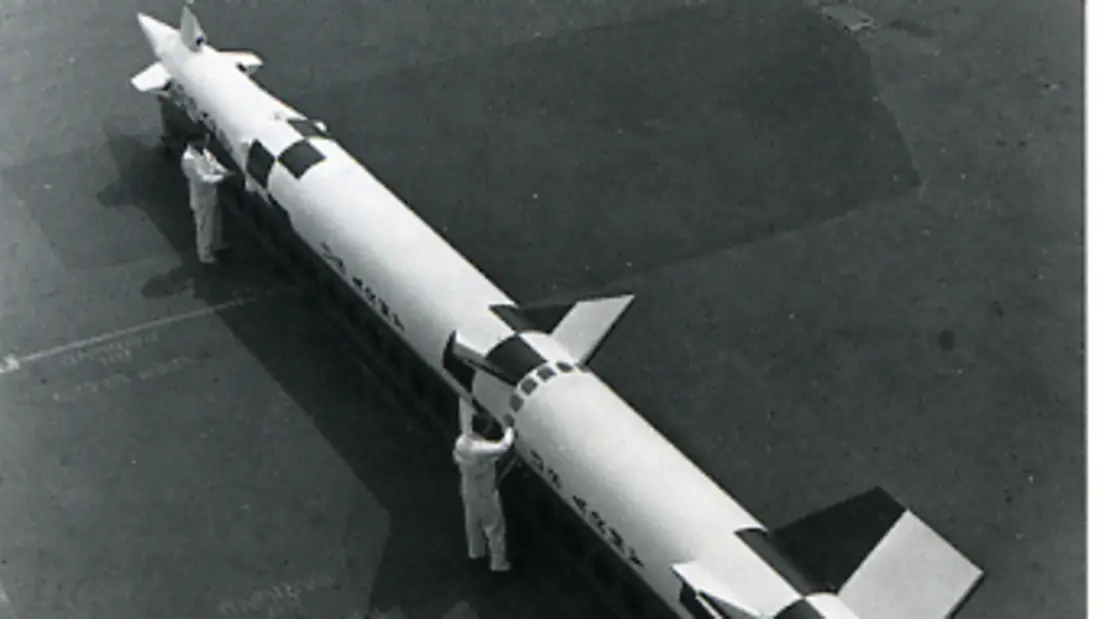
The flickering glow of television screens illuminated living rooms across America as the nation tuned in to witness a pivotal moment in history. The sound of President Ronald Reagan's voice, steady and resolute, filled the airwaves, drawing in listeners with an announcement that would change the course of the Cold War. This moment was the culmination of years of escalating tensions between the United States and the Soviet Union, with both superpowers engaged in a relentless arms race that seemed to have no end in sight. The threat of nuclear war loomed large, and the need for a strategic defense system had become increasingly urgent. On March 23, 1983, President Reagan stood before the nation to unveil his vision for a new era of defense, the Strategic Defense Initiative (SDI), a comprehensive system designed to protect the United States from the threat of ballistic missiles. The SDI, quickly dubbed 'Star Wars' by the media, aimed to develop a network of space-based and ground-based systems that could detect, track, and destroy incoming missiles before they reached their targets. The announcement sent shockwaves around the globe, with the Soviet Union condemning the initiative as a dangerous escalation of the arms race. In the immediate aftermath, the SDI sparked a heated debate about its feasibility, cost, and potential impact on international relations. However, the initiative also marked a significant shift in the Cold War paradigm, as the United States began to explore new technologies and strategies that could potentially neutralize the Soviet nuclear threat. Today, the legacy of the Strategic Defense Initiative continues to influence the development of missile defense systems, serving as a testament to the enduring impact of President Reagan's visionary announcement on March 23, 1983.