
Exxon Valdez oil spill
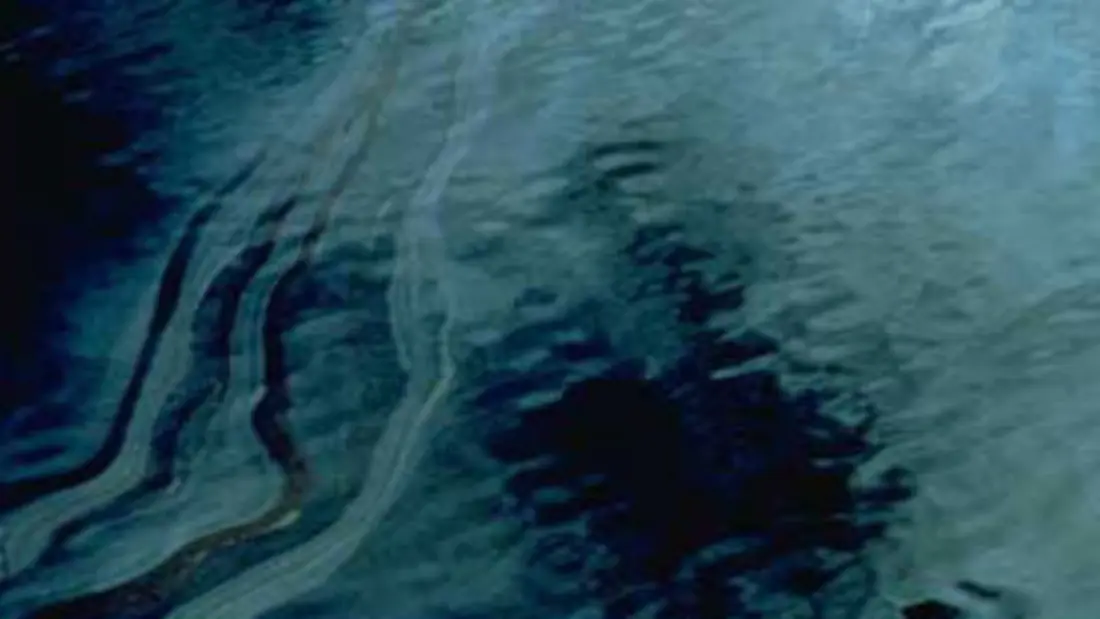
The eerie silence of a frozen wilderness was shattered by the sound of crunching metal and the cries of seagulls as the Exxon Valdez oil tanker, laden with 53 million gallons of crude oil, struck a reef in Prince William Sound. This sound, a haunting precursor to one of the most devastating environmental disasters in history, echoed through the stillness of the Alaskan night on March 24, 1989. The events leading to this moment were a complex interplay of human error, technological failure, and the relentless pursuit of profit. The Exxon Valdez, one of the largest oil tankers in the world at the time, was on a routine voyage from Valdez, Alaska, to Long Beach, California, carrying a cargo that would eventually become the instrument of its own demise. As the ship navigated through the narrow channels of Prince William Sound, it was supposed to be following a well-charted course, but a combination of factors, including a harrowing storm and a decision to deviate from the designated shipping lane to avoid ice, set the stage for catastrophe. At around midnight, the ship grounded on Bligh Reef, causing extensive damage to its hull and leading to the spillage of millions of gallons of crude oil into the pristine waters of the Sound. The immediate impact was nothing short of apocalyptic, with oil slicks spreading across the water, coating everything they touched, from the rocky shores to the feathers of unsuspecting birds. The aftermath of the spill saw a massive cleanup effort, with thousands of workers, millions of dollars, and countless hours dedicated to mitigating the damage, yet the legacy of the Exxon Valdez disaster extends far beyond the immediate devastation. It led to significant changes in maritime regulations, including the double-hull design requirement for oil tankers, and raised global awareness about the importance of environmental protection and the need for corporate accountability. Today, the Exxon Valdez oil spill remains a stark reminder of the delicate balance between human activity and the natural world, a balance that, when disrupted, can have far-reaching and devastating consequences.