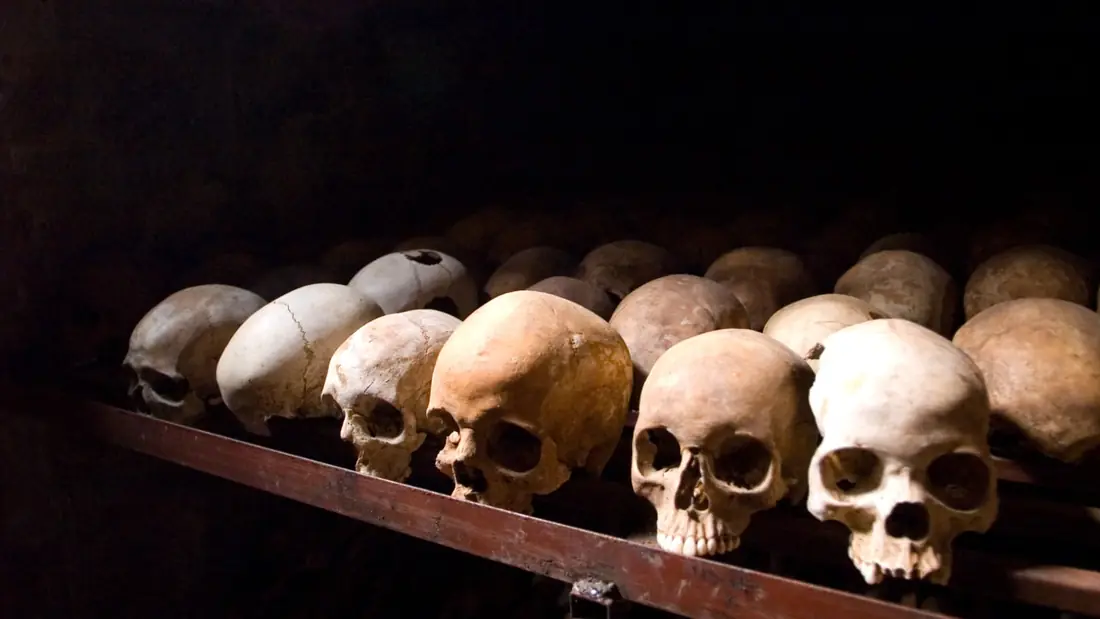
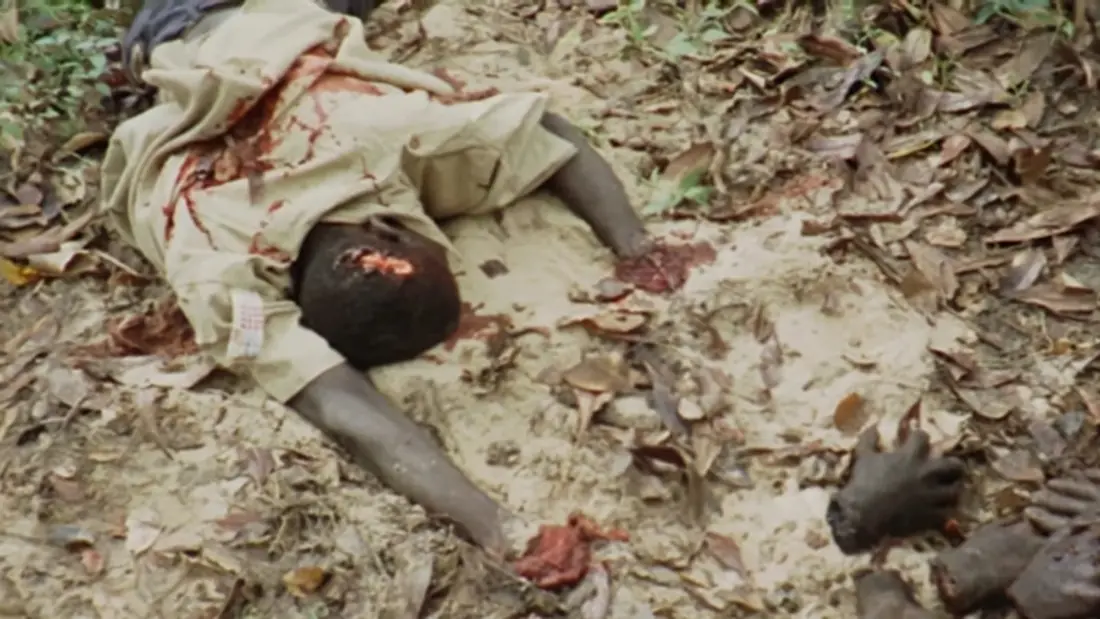
With less than twenty-four hours before the fragile peace in Rwanda would shatter, the country teetered on the brink of chaos. The assassination of Rwandan President Juvénal Habyarimana on April 07, 1994, would spark a genocide that would claim hundreds of thousands of lives. The events leading to this moment were complex, with deep-seated ethnic tensions between the Hutu and Tutsi populations. For years, these tensions had been simmering, fueled by political and economic disparities. The immediate trigger, however, was the president's death, which occurred when his plane was shot down as it approached Kigali, the capital city of Rwanda. This act of violence was quickly followed by the systematic slaughter of the Tutsi minority and moderate Hutus by the Hutu majority. Over the course of one hundred days, approximately eight hundred thousand people were killed, with some estimates even higher. The international community was criticized for its slow response to the crisis, and the United Nations' failure to intervene effectively has been widely condemned. The aftermath of the genocide saw significant changes in Rwanda, including the establishment of the International Criminal Tribunal for Rwanda to prosecute those responsible for the atrocities. Today, the Rwandan genocide serves as a stark reminder of the dangers of ethnic hatred and the importance of international intervention in the face of humanitarian crises. It also stands as a testament to the resilience of the Rwandan people, who have worked tirelessly to rebuild their nation. The legacy of the genocide continues to shape Rwanda's political and social landscape, with ongoing efforts towards reconciliation and healing. As the world reflects on this dark period in human history, it is clear that the events of April 07, 1994, will never be forgotten.
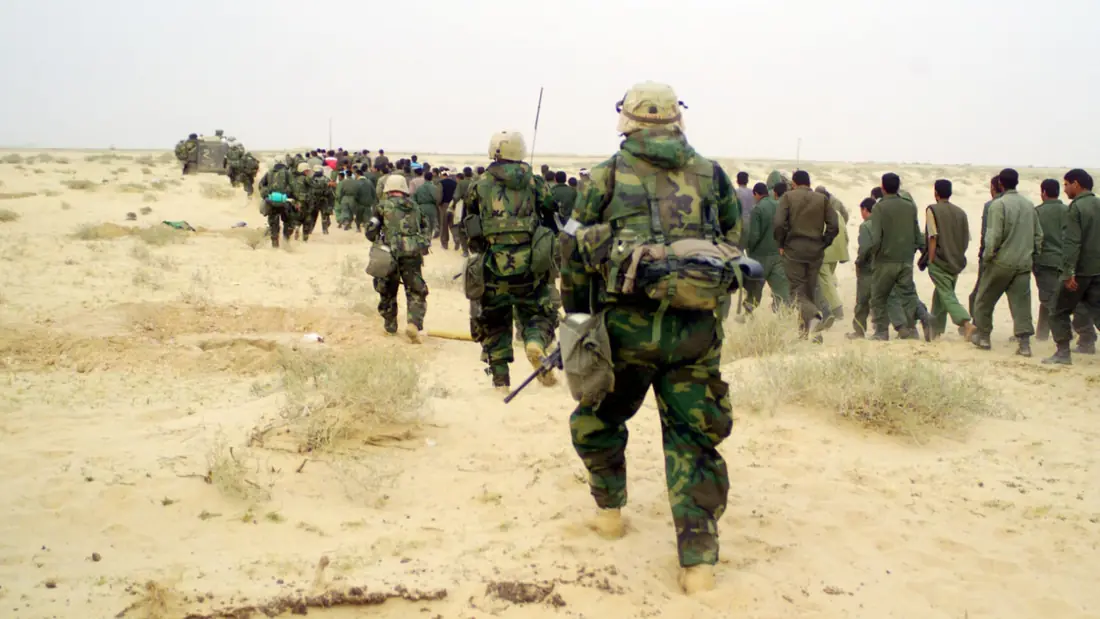
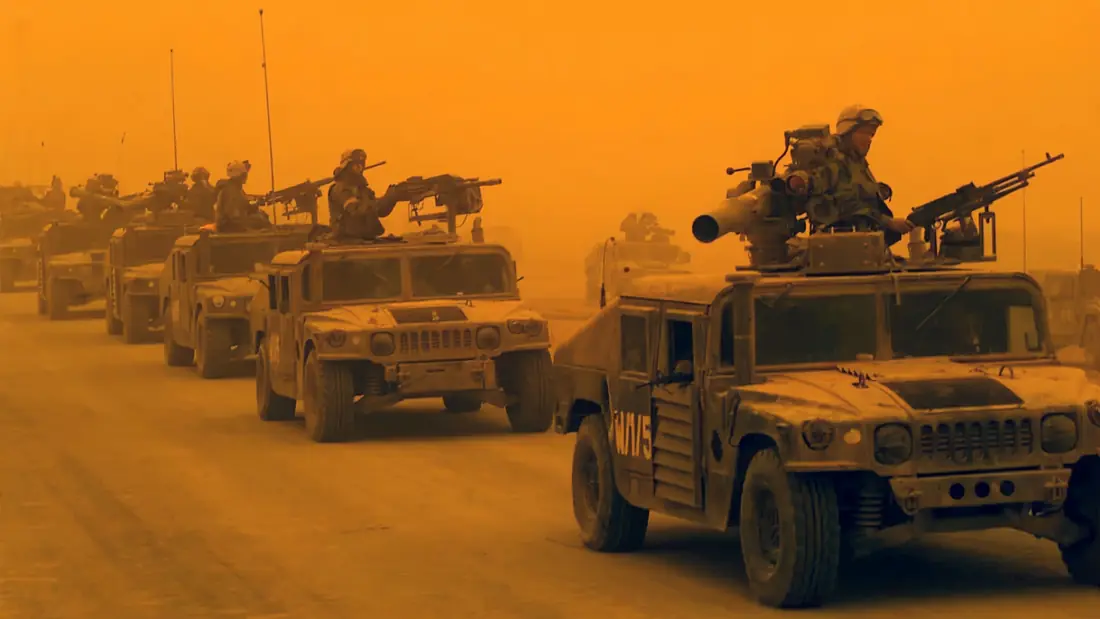
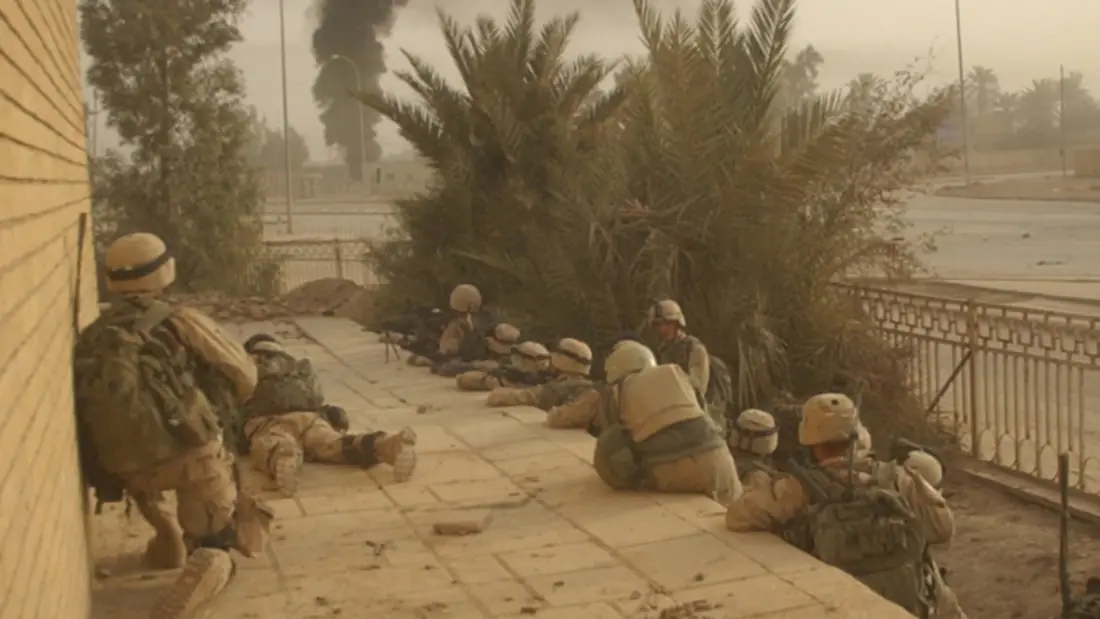
The memo was brief, a mere three pages, stamped 'routine' by the clerk who filed it away in a dusty archive. Within a year, it would become a catalyst for a chain of events that would topple a government, reshape global politics, and forever alter the course of history. The seeds of this monumental shift were sown in the years preceding, as tensions escalated between the United States and Iraq, fueled by concerns over weapons of mass destruction and Saddam Hussein's defiant stance against international inspections. The United Nations had imposed stringent sanctions, but Saddam's regime persisted, leading to a crescendo of diplomatic efforts and, ultimately, the decision to invade. On April 07, 2003, the US-led coalition launched a military campaign against Iraq, with the primary objective of overthrowing Saddam Hussein's regime. The invasion began with a barrage of airstrikes and a ground assault, as coalition forces, numbering over 150,000 troops, poured into Iraq from Kuwait. The city of Baghdad, once the seat of Saddam's power, was captured on April 09, 2003, marking a significant turning point in the conflict. The immediate aftermath of the invasion saw widespread chaos and looting, as the Iraqi army crumbled and the country teetered on the brink of anarchy. As the dust settled, the world began to grasp the profound implications of this event: the toppling of a dictator, the redrawing of the Middle Eastern map, and the unleashing of a maelstrom of sectarian violence that would reverberate for decades to come. Today, the legacy of the 2003 invasion of Iraq continues to shape international relations, inform global security policies, and serve as a stark reminder of the complexities and unforeseen consequences of military intervention.