A presidential jet crash in Rwanda seemed like a minor news item at first, a tragic accident that would have limited repercussions. However, within hours, it would unleash a torrent of violence that would change the course of history. The events leading up to this moment were complex, with deep-seated ethnic tensions between the Hutu and Tutsi populations in Rwanda. The country had been experiencing a fragile peace, maintained by a power-sharing agreement between the two groups, but this balance was precarious and easily disrupted. On April 06, 1994, the assassination of President Juvénal Habyarimana, a Hutu, sparked the genocide, as Hutu extremists blamed the Tutsi-led Rwandan Patriotic Front for the attack. Over the next 100 days, an estimated 800,000 people, primarily from the Tutsi minority, were systematically murdered by the Hutu majority. The world watched in horror as the violence escalated, with the international community failing to intervene effectively. The immediate aftermath saw millions displaced, and the country's infrastructure and economy left in shambles. The legacy of the Rwandan genocide continues to be felt today, serving as a stark reminder of the dangers of ethnic hatred and the importance of international intervention in the face of humanitarian crises. It also led to significant changes in international law and the concept of responsibility to protect, aiming to prevent such atrocities from happening again. The impact of those 100 days in 1994 still resonates, a somber reminder of the devastating consequences of unchecked hatred and violence.
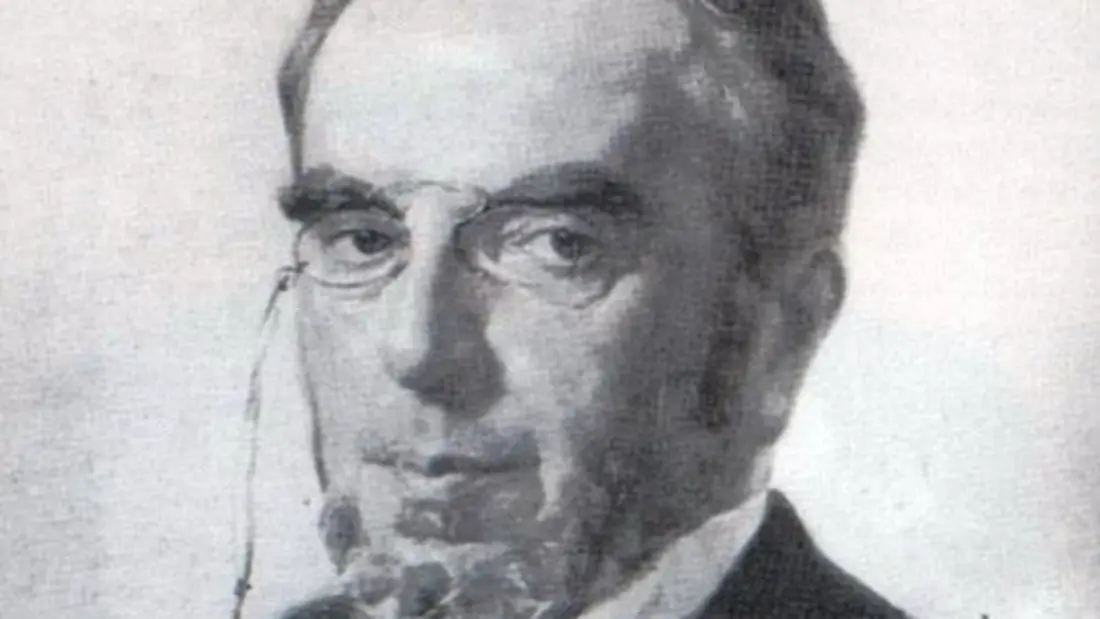
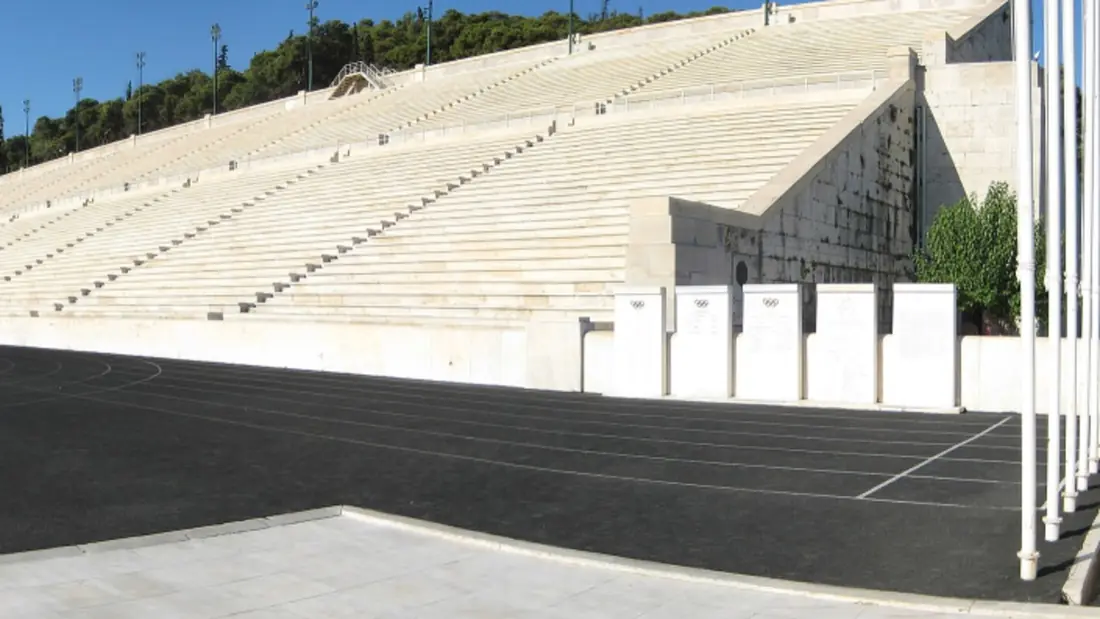
In a mere fourteen days, fourteen nations would come together, uniting 241 athletes in the spirit of competition and camaraderie, setting the stage for the world's greatest sporting spectacle. This unprecedented gathering was the culmination of years of tireless efforts by the International Olympic Committee (IOC), founded by Pierre de Coubertin in 1894, with the vision of reviving the ancient Olympic Games. The journey to this moment was long and arduous, with de Coubertin facing numerous challenges and skeptics along the way. However, his perseverance paid off, and on April 06, 1896, the first modern Olympic Games officially opened in Athens, Greece, with the Panathenaic Stadium packed with an enthusiastic crowd of approximately 80,000 spectators. The event featured nine sports, including track and field, gymnastics, weightlifting, shooting, and fencing, with athletes competing in a total of 78 events. The first modern Olympic Games were a groundbreaking success, with James Connolly of the United States winning the first gold medal in the triple jump event. The immediate impact of the games was profound, as it brought nations together, fostering a sense of unity and cooperation among the participating countries. The legacy of the 1896 Olympic Games continues to be felt today, as the Olympics remain a powerful symbol of international unity and athletic excellence, inspiring generations of athletes and spectators alike. The success of the 1896 Games paved the way for the modern Olympic movement, with the IOC continuing to promote the values of friendship, respect, and fair play that define the Olympic spirit.