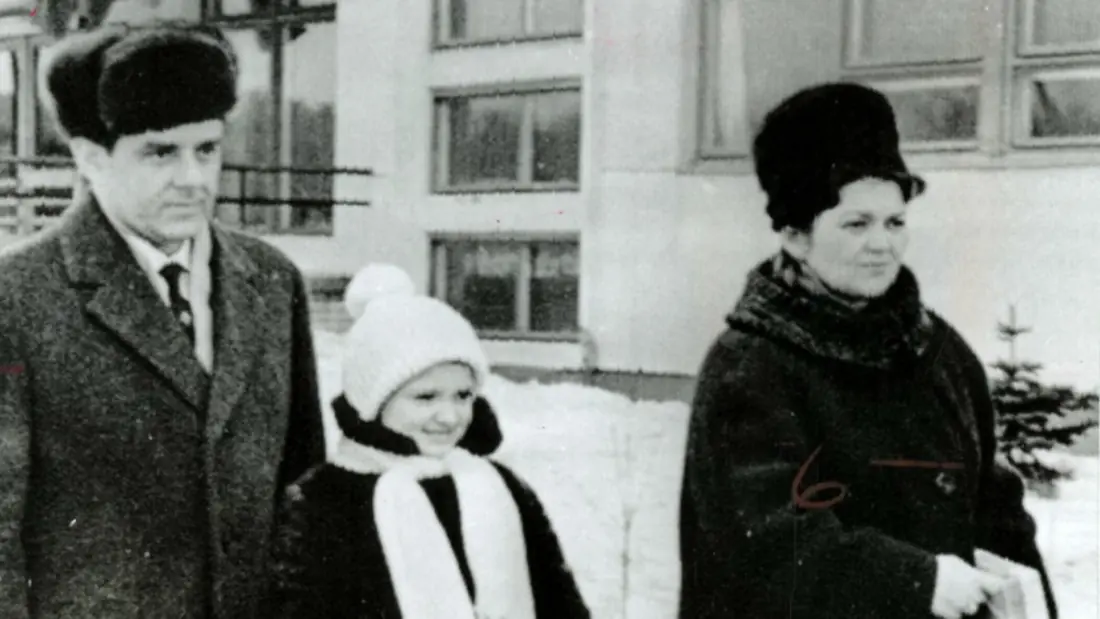
"The cosmonauts are not only pilots, they are the pioneers of the unknown," echoed through the Soviet space program as Vladimir Komarov prepared for his fateful mission. These words, though unverified as a direct quote from Komarov himself, encapsulate the spirit of exploration and risk that defined the early years of space travel. As part of the Soviet Union's ambitious space program, Komarov was about to embark on a journey that would tragically make him the first person to die during a space mission. The context of the Cold War and the race to space between the Soviet Union and the United States had led to rapid advancements and daring endeavors, with cosmonauts like Komarov at the forefront. On April 23, 1967, Komarov launched into space aboard the Soyuz 1 spacecraft, aiming to test the capabilities of the new Soyuz spacecraft and its orbital maneuvering system. However, the mission was plagued by technical issues from the start, including the failure of the solar panels to deploy and a critical malfunction of the spacecraft's automatic stabilization system. As Komarov attempted to return to Earth, the spacecraft's parachute system failed, leading to a fatal crash landing. The immediate impact of Komarov's death was a significant setback for the Soviet space program, prompting a thorough review of safety procedures and spacecraft design. Despite this tragic event, Komarov's legacy endures as a pioneering figure in space exploration, reminding us of the risks and sacrifices made by those who dare to venture into the unknown. Today, his story serves as a poignant reminder of the importance of safety and rigorous testing in space travel, ensuring that the lessons learned from his mission continue to pave the way for future generations of space explorers.
A nineteen-second video titled 'Me at the zoo' seemed like an insignificant blip on the radar of internet history. Within a year, it would become the foundation of a global phenomenon, changing the way people consume and interact with video content. This moment was the culmination of a series of events that began when three former PayPal employees, Chad Hurley, Steve Chen, and Jawed Karim, came together to create a platform that would allow users to share videos easily. Their vision was born out of a difficulty in finding and sharing videos online, and they aimed to simplify this process. On April 23, 2005, Jawed Karim uploaded the first YouTube video, marking the beginning of a new era in online video sharing. The video, which featured Karim standing in front of the elephant enclosure at the San Diego Zoo, was a humble start to what would become a massive library of user-generated content. In the immediate aftermath, the site began to gain traction, with more users signing up and uploading their own videos. As the site grew, so did its impact, with YouTube becoming an essential platform for content creators, advertisers, and viewers alike. Today, YouTube is the largest video-sharing platform in the world, with billions of hours of content viewed every day, and its influence can be seen in the way we consume media, interact with each other, and share our experiences. The upload of that first video on April 23, 2005, may have seemed insignificant at the time, but it marked the beginning of a revolution in online video sharing, and its impact continues to be felt today.