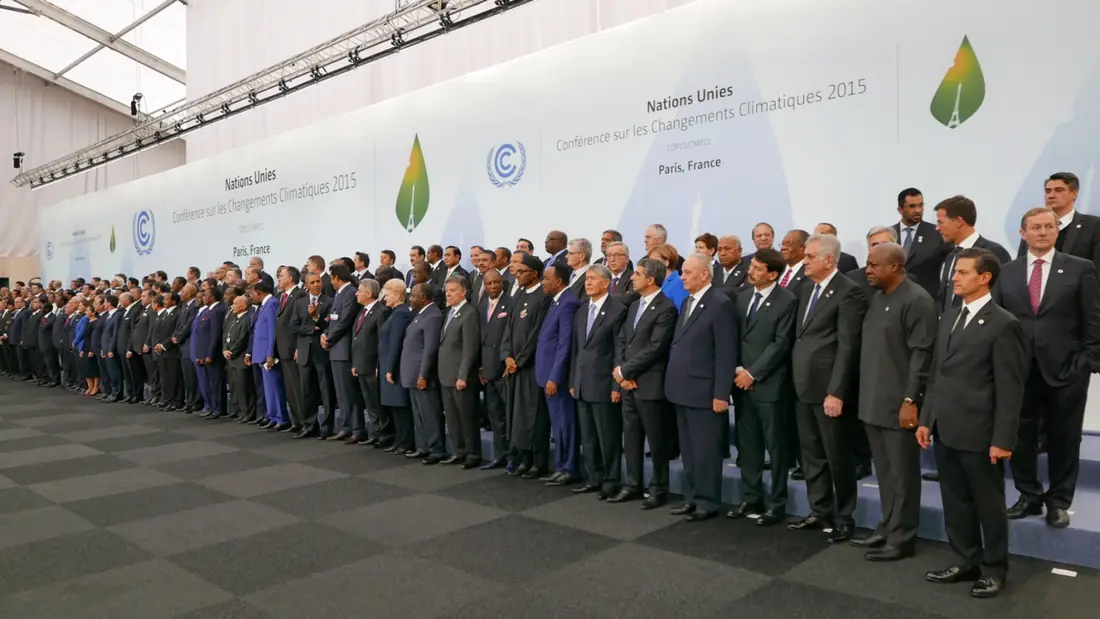
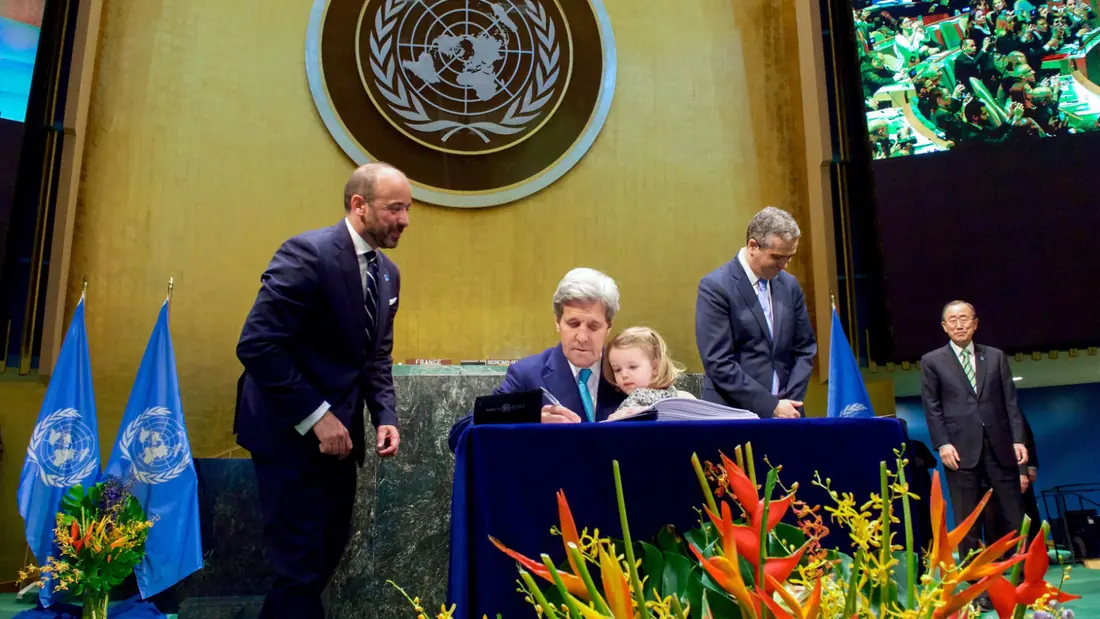
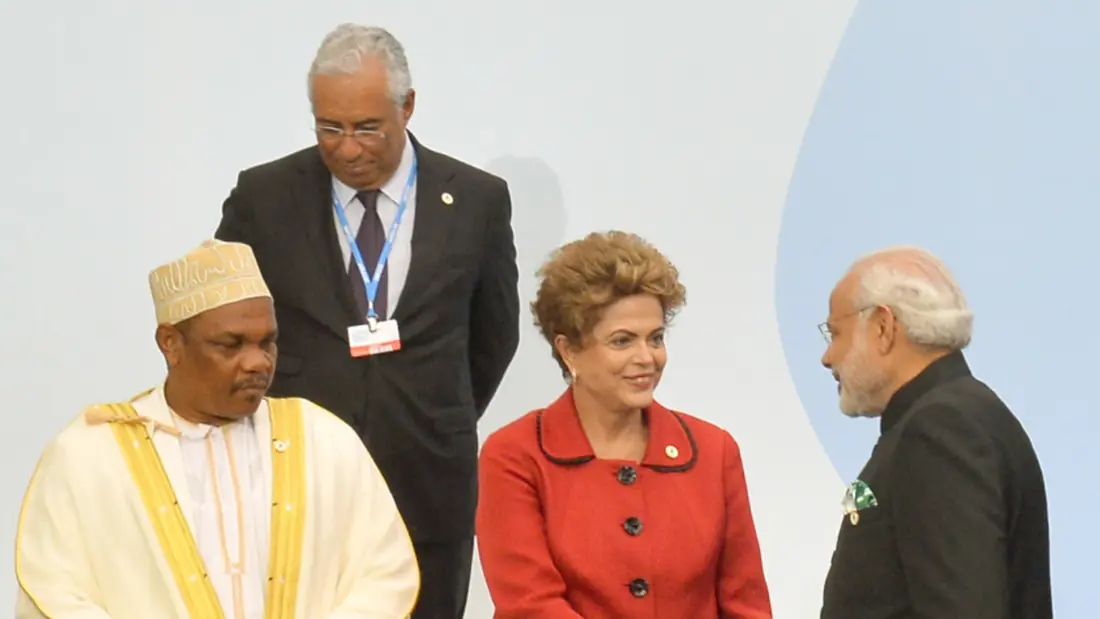
With less than twelve hours before the deadline expired, negotiators and world leaders faced an impossible choice: to either come together in a historic agreement to combat climate change or to let the opportunity slip away. The fate of the planet seemed to hang in the balance as the clock ticked down. The road to this moment had been long and arduous, with years of negotiations and failed attempts at reaching a global consensus on how to address the looming threat of climate change. The United Nations Framework Convention on Climate Change had been working tirelessly since its establishment in 1992 to bring nations together to find solutions, but it wasn't until the COP21 conference in Paris in 2015 that real momentum began to build. On April 22, 2016, at the United Nations headquarters in New York City, 175 countries gathered to sign the Paris Agreement, a landmark accord aimed at mitigating global warming by limiting global temperature rise to well below 2 degrees Celsius and pursuing efforts to limit it to 1.5 degrees Celsius above pre-industrial levels. The signing ceremony was a moment of jubilation, with leaders from around the world coming together to pledge their commitment to this common goal. The immediate impact was palpable, as the agreement sent a powerful signal to markets and governments that the world was indeed committed to a low-carbon future. As the years have passed since that historic day, the Paris Agreement has continued to shape global climate policy, serving as a foundation for international cooperation on climate change. Today, it remains a crucial instrument in the global fight against climate change, a testament to what can be achieved when nations come together in the face of a common challenge.
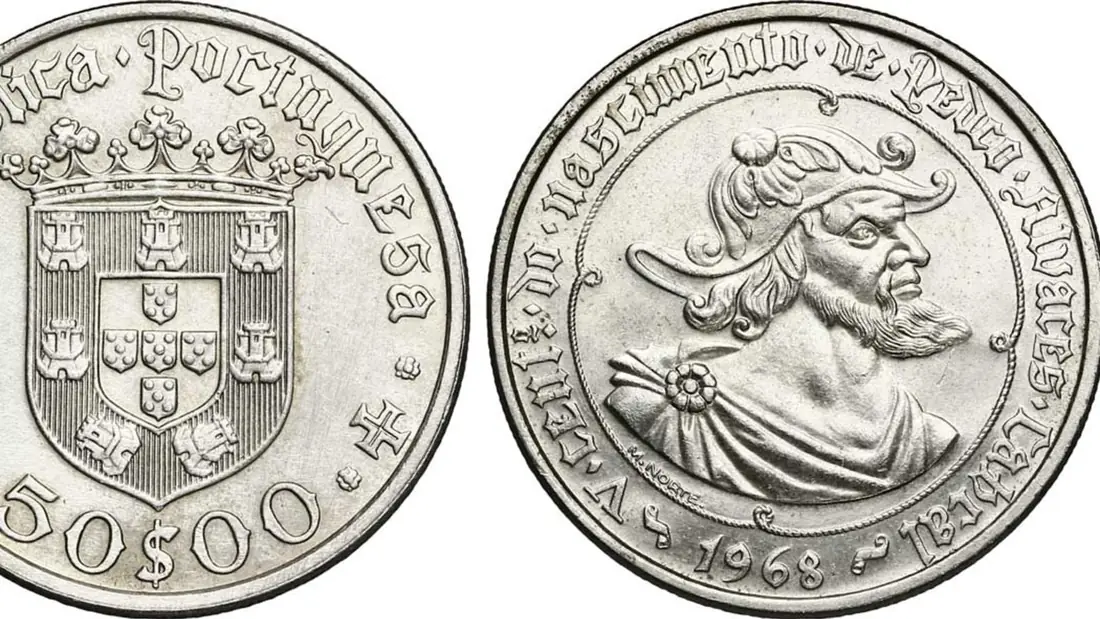
Across the vast expanse of the Atlantic Ocean, where the horizon stretches out to meet the sky, the winds and currents had long been a mystery to European explorers. But in one small fleet of ships, sailing under the flag of Portugal, a new chapter in history was about to unfold. The year was 1500, and the world was on the cusp of a great transformation, driven by the ambitions of explorers and the thirst for discovery that characterized the age. It was an era when the known world was rapidly expanding, and the Portuguese, under the leadership of King Manuel I, were at the forefront of this expansion. The context for this momentous occasion was set by the earlier voyages of Christopher Columbus, which had opened up the Americas to European exploration, and the Portuguese were determined to establish their own presence in this new world. Pedro Álvares Cabral, a seasoned navigator, had been commissioned by the King to lead an expedition to the East Indies, but fate had other plans. On April 22, 1500, Cabral and his fleet, which had sailed west across the Atlantic, caught sight of the coast of present-day Brazil, a land that would become a crucial part of the Portuguese empire. As they dropped anchor and set foot on the unfamiliar soil, they encountered the indigenous people of the region, and the meeting marked the beginning of a complex and often fraught relationship between the Portuguese and the native populations. The immediate impact of Cabral's discovery was the establishment of a Portuguese claim to the land, which would eventually lead to the colonization of Brazil. Over time, this event would have a profound legacy, shaping the course of Brazilian history and culture, and leaving an enduring mark on the world. Today, the discovery of Brazil by Pedro Álvares Cabral is remembered as a pivotal moment in the history of exploration, and a testament to the courage and vision of those who dared to venture into the unknown.