On April 27, 1961, in the bustling city of Freetown, Sierra Leone, a young woman named Aminata looked out at the crowds gathering in the streets, her heart filled with a mix of excitement and nervousness. The air was electric with anticipation as people from all walks of life came together to witness a momentous occasion - the day Sierra Leone would gain its independence from the United Kingdom. As Aminata made her way through the throngs of people, she caught glimpses of the British colonial officials, who had ruled over the country for centuries, standing alongside the newly elected Sierra Leonean leaders, including Prime Minister Milton Margai. The scene was one of jubilation, with people waving flags, singing, and dancing in the streets. The British officials, led by the Duke of Kent, formally handed over power to the new government, marking the end of colonial rule and the beginning of a new era for Sierra Leone. As the ceremony came to a close, Aminata felt a sense of pride and hope for the future, knowing that her country was finally free to forge its own path. The journey to this moment had been long and arduous, with decades of struggle and resistance against British colonial rule. The Sierra Leonean people had faced numerous challenges, including forced labor, land expropriation, and cultural suppression, which had fueled their desire for independence. In the years leading up to 1961, the country had experienced a surge in nationalist sentiment, with leaders like Milton Margai and Siaka Stevens emerging to champion the cause of independence. After the independence ceremony, the city erupted in celebration, with music, dance, and feasting continuing late into the night. In the days and weeks that followed, the new government set about building a nation, establishing institutions, and creating a sense of national identity. The aftermath of independence was not without its challenges, as the country faced difficulties in building a stable economy and providing basic services to its citizens. However, the sense of hope and optimism that filled the air on that day in April 1961 has endured, shaping the course of Sierra Leone's history and inspiring future generations to continue striving for a better future. Today, the legacy of Sierra Leone's independence continues to be felt, serving as a reminder of the power of resilience and determination in the face of adversity, and inspiring people around the world to fight for their freedom and self-determination.
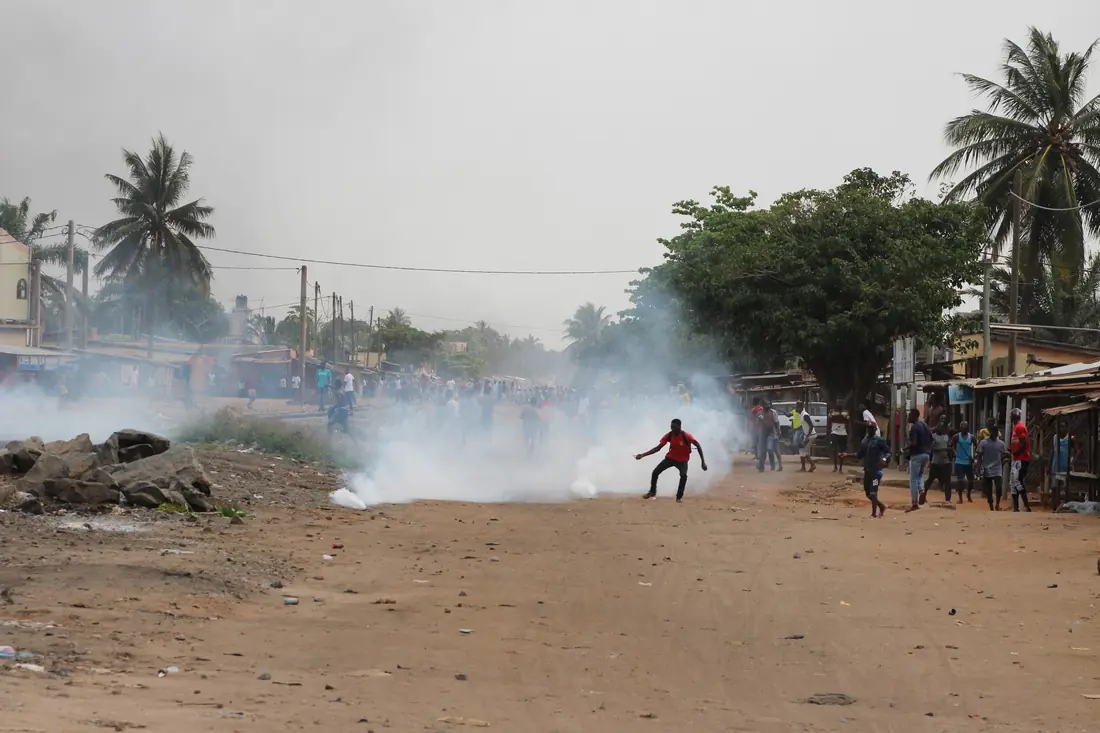
On April 27, 1960, in the bustling city of Lomé, Togo, a significant event was unfolding. The date marked a major milestone for the people of Togo, as they were finally gaining independence from France. As the sun rose over the Atlantic coast, the atmosphere was filled with excitement and anticipation. In the midst of this historic moment, Sylvanus Olympio, a key figure in Togo's struggle for independence, was about to become the country's first president. The streets were filled with people from all walks of life, eager to witness the birth of their new nation. The French flag was lowered, and the Togolese flag was raised, symbolizing the end of colonial rule and the beginning of a new era. The crowd erupted in cheers as Olympio delivered a speech, outlining his vision for the future of Togo. The journey to this moment was long and arduous, with Togo being a German colony before being mandated to France after World War I. The French rule had been marked by exploitation and oppression, leading to growing tensions and resistance among the Togolese people. As the world was changing, with many African countries gaining independence, the pressure on France to grant Togo its freedom was mounting. The aftermath of independence was marked by a sense of euphoria and optimism, as the people of Togo looked forward to building their new nation. The government faced significant challenges, including rebuilding the economy and infrastructure, but the mood was hopeful. In the days and weeks that followed, Togo began to establish its own institutions and forge its own path in the world. The legacy of this moment still resonates today, as Togo continues to navigate the complexities of independence and self-governance. The story of Togo's independence serves as a reminder of the power of resilience and determination, inspiring future generations to strive for a better future. As the years have passed, Togo has faced its share of challenges, but the spirit of independence and self-determination that defined that moment in 1960 remains a powerful force, shaping the country's identity and informing its place in the world.