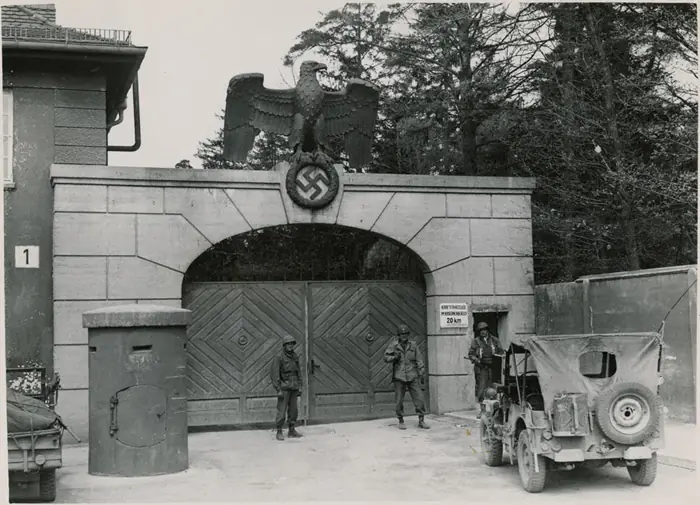
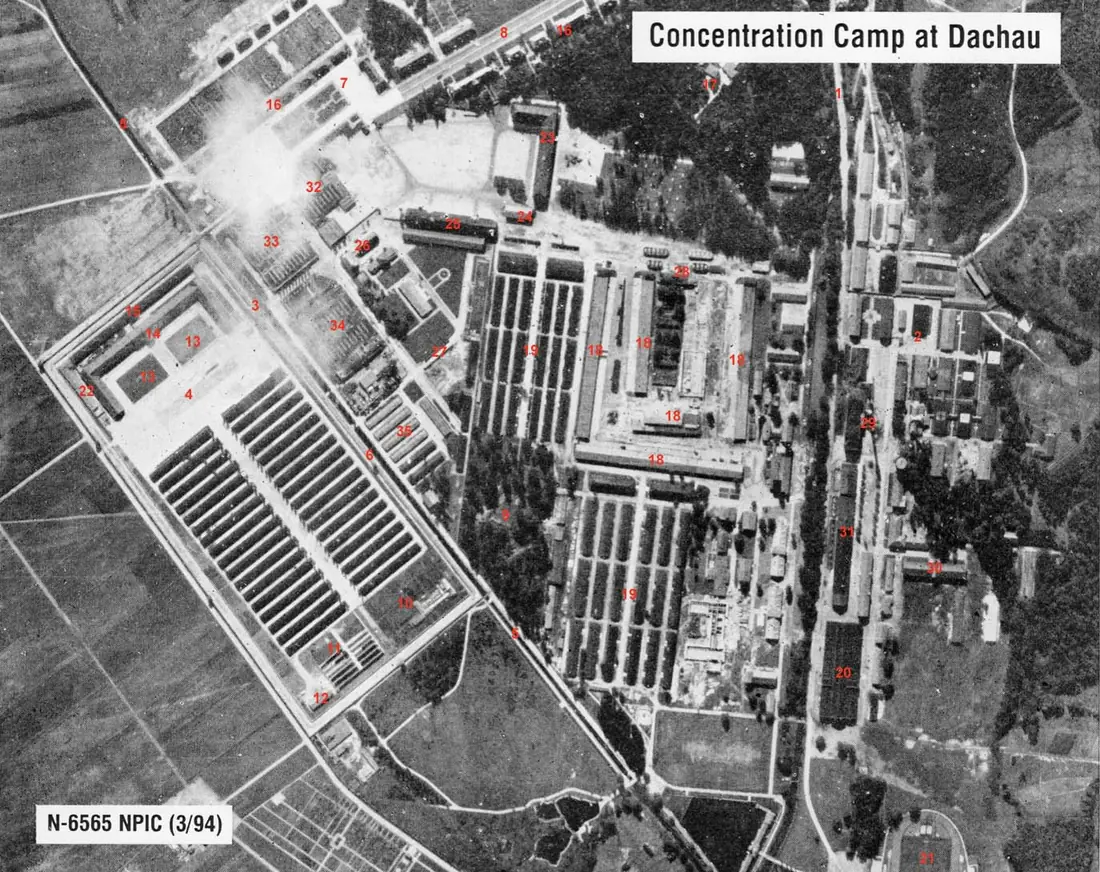
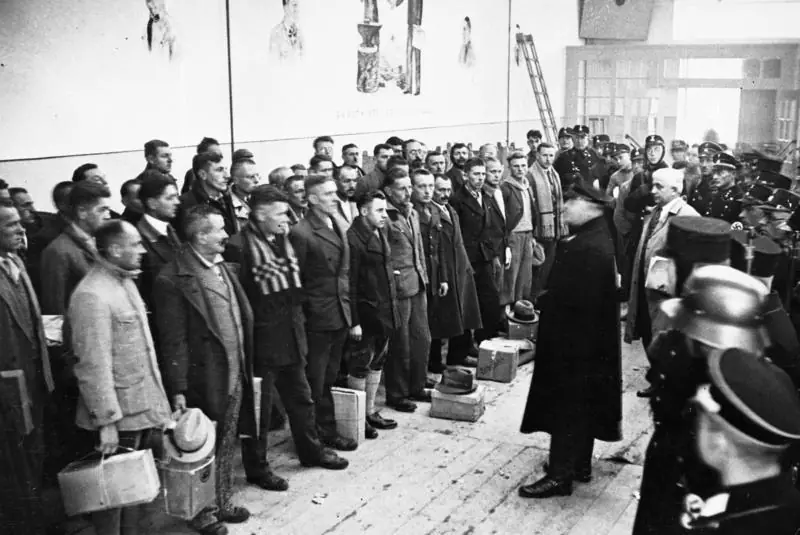
On April 28, 1945, in Dachau, Germany, American forces did something that would change the world forever: they liberated the Dachau concentration camp, a place where thousands of people had suffered and died. The next day, the world was a different place, as the truth about the atrocities committed within those walls began to surface. The age of ignorance about the Holocaust was coming to an end. As American soldiers entered the camp, they were met with scenes of unimaginable horror: emaciated bodies, mass graves, and survivors who had been left to die. The soldiers were shocked by what they saw, and their reactions ranged from tears to anger. They immediately began to provide medical care and food to the survivors, and they worked to document the evidence of the atrocities that had been committed. The liberation of Dachau was the result of a long and brutal war that had been raging across Europe for years. Germany, under the leadership of Adolf Hitler, had been waging a campaign of hatred and intolerance, targeting Jews, homosexuals, and other minority groups. The world had been slow to respond to the warnings signs, and it wasn't until the war was almost over that the full extent of the atrocities became clear. After the liberation, the world was forced to confront the reality of the Holocaust, and it sparked a wave of outrage and sadness. The survivors of the camp were taken to safety, and many of them went on to tell their stories, making sure that the world would never forget what had happened. In the months and years that followed, the world began to come to terms with the scale of the atrocities that had been committed, and it led to a renewed commitment to protecting human rights and preventing such horrors from happening again. The liberation of Dachau will always be remembered as a rare moment of hope in a time of great darkness, and it serves as a reminder of the importance of standing up against hatred and intolerance. It is a legacy that continues to shape our world today, a reminder of the dangers of unchecked prejudice and the importance of protecting human dignity.
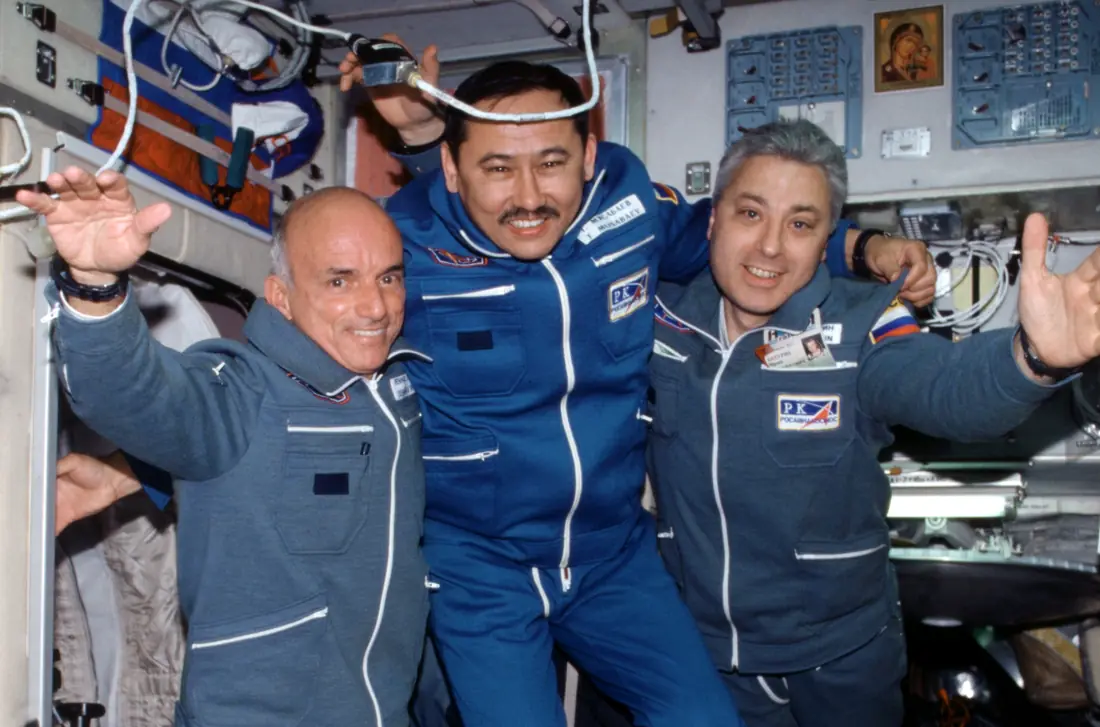
On the morning of April 28, 2001, the people of Baikonur, Kazakhstan, were going about their daily routines, unaware that they were on the cusp of witnessing a historic event. At the Baikonur Cosmodrome, a sense of excitement and anticipation filled the air as the countdown began for the launch of a Russian Soyuz spacecraft. The world was about to see the first space tourist, Dennis Tito, embark on a journey to the International Space Station. As the rocket soared into the sky, it marked the beginning of a new era in space exploration, one that would open up the vastness of space to ordinary people. Dennis Tito, an American businessman and space enthusiast, had spent years preparing for this moment, training tirelessly to ensure he was ready for the challenges of space travel. He was about to experience the thrill of weightlessness, the stunning view of the Earth from space, and the unique sensation of living in a microgravity environment. The launch was the result of years of planning and negotiation between Tito and the Russian space agency, Roscosmos, which had agreed to take him on board the Soyuz spacecraft. The world was changing, and the idea of space travel was no longer the exclusive domain of astronauts and cosmonauts. As Tito orbited the Earth, he was paving the way for others to follow in his footsteps, and his journey marked a significant shift in the way people thought about space exploration. In the days and weeks that followed, Tito's mission sparked a wave of interest in space tourism, with many people around the world wondering if they too could experience the thrill of space travel. Governments and private companies began to explore the possibilities of commercial space travel, and the International Space Station became a symbol of what could be achieved through international cooperation. The legacy of Dennis Tito's journey continues to inspire people today, reminding us that with determination and hard work, even the most seemingly impossible dreams can become a reality. As we look up at the stars, we are reminded of the infinite possibilities that await us, and the boundless potential of the human spirit.