It was a quiet spring morning in Geneva, Switzerland on April 30, 1993. Across the city, people were going about their daily routines, unaware that a significant event was about to change the course of history. The streets were filled with the sound of chatter and the smell of freshly brewed coffee wafted through the air as people began their day. On this particular morning, a team of scientists at CERN, the European Organization for Nuclear Research, were making final preparations to unveil something that would revolutionize the way people communicate and access information. Tim Berners-Lee, a British computer scientist, had been working tirelessly to develop a system that would allow people to share and access information using the internet. He called it the World Wide Web, and on this day, it was made available to the public for the first time. The team at CERN had been testing the system for months, and they were eager to see how the public would respond. As the World Wide Web went live, people began to explore this new virtual world, marveling at the vast amount of information at their fingertips. The World Wide Web was born out of a need for scientists to share information more easily, and it was the result of years of research and development in the field of computer science. Before the World Wide Web, accessing information was a tedious and time-consuming process, involving countless hours of searching through books and documents. But with the World Wide Web, people could now access information from all over the world with just a few clicks of a button. In the days and weeks that followed, the World Wide Web began to gain popularity, with more and more people logging on to explore this new virtual world. As the news of the World Wide Web spread, people from all over the world began to take notice, and soon it was being hailed as a revolutionary new technology. The World Wide Web changed the way people lived, worked, and communicated, and it paved the way for the modern internet as we know it today. It opened up new opportunities for people to connect with each other, to access information, and to share ideas, and it has had a lasting impact on the world. The World Wide Web is a testament to human ingenuity and the power of innovation, and it continues to shape our world in profound ways.
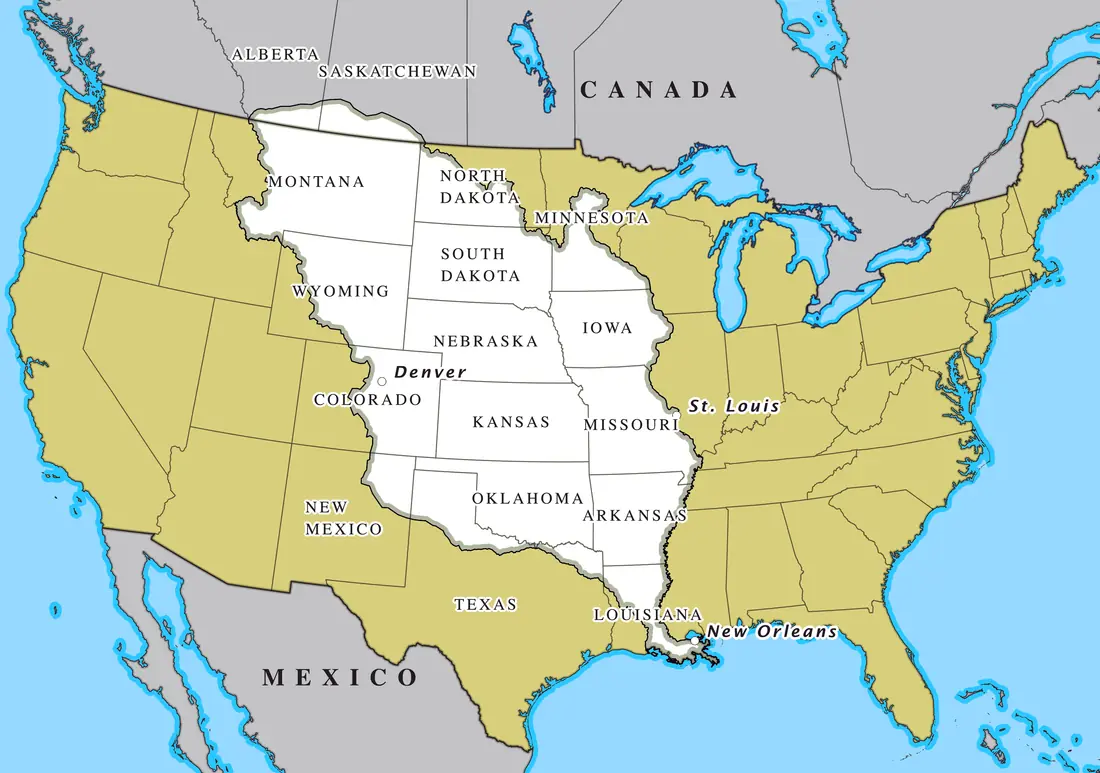
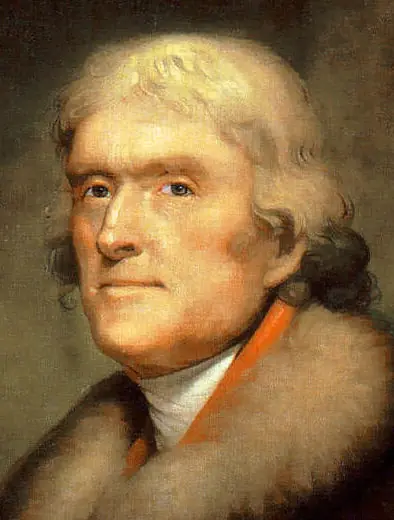
On April 30, 1803, in the vibrant city of Paris, France, a historic agreement was about to change the course of American history. It was a chilly spring morning when Robert Livingston, James Monroe, and François Barbé-Marbois gathered at the Hôtel Tubeuf to finalize the details of a monumental land deal. The air was thick with anticipation as these men, representing the United States and France, were on the cusp of sealing a transaction that would more than double the size of the United States. The Louisiana Purchase, as it would come to be known, was the culmination of years of negotiations and strategic maneuvering by both nations. The United States, under the leadership of President Thomas Jefferson, had long been interested in acquiring the Louisiana Territory from France, which controlled a vast swath of land west of the Mississippi River. Jefferson saw this acquisition as a means to secure access to the Mississippi River and the Port of New Orleans, crucial for American trade and commerce. The French, on the other hand, were looking to offload the territory due to their own financial struggles and the failure to re-establish a French empire in North America. After months of tense negotiations, the two sides finally agreed on a price of $15 million for the approximately 828,000 square miles of land. The news of the purchase sent shockwaves throughout the young American nation, with many citizens marveling at the sudden expansion of their country. In the days and weeks that followed, the U.S. government began the process of organizing the newly acquired territory, establishing new administrative districts and planning for the exploration and settlement of the land. As the reality of the purchase set in, Americans began to envision the endless possibilities that this new land presented, from the expansion of agriculture and trade to the potential for new states and territories. The Louisiana Purchase would go on to shape the course of American history, setting the stage for the country's westward expansion and cementing its position as a continental power. It remains one of the most significant events in American history, a testament to the vision and foresight of leaders like Jefferson and the enduring spirit of exploration and discovery that has always defined the United States.