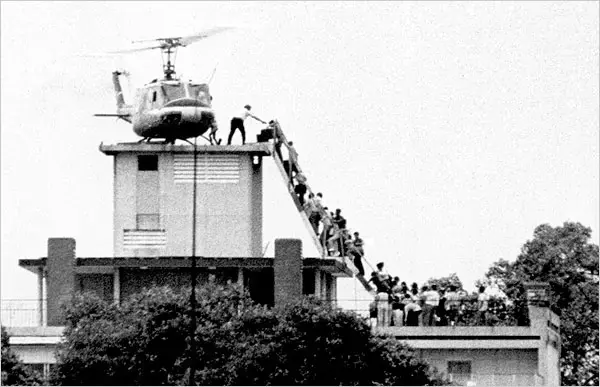
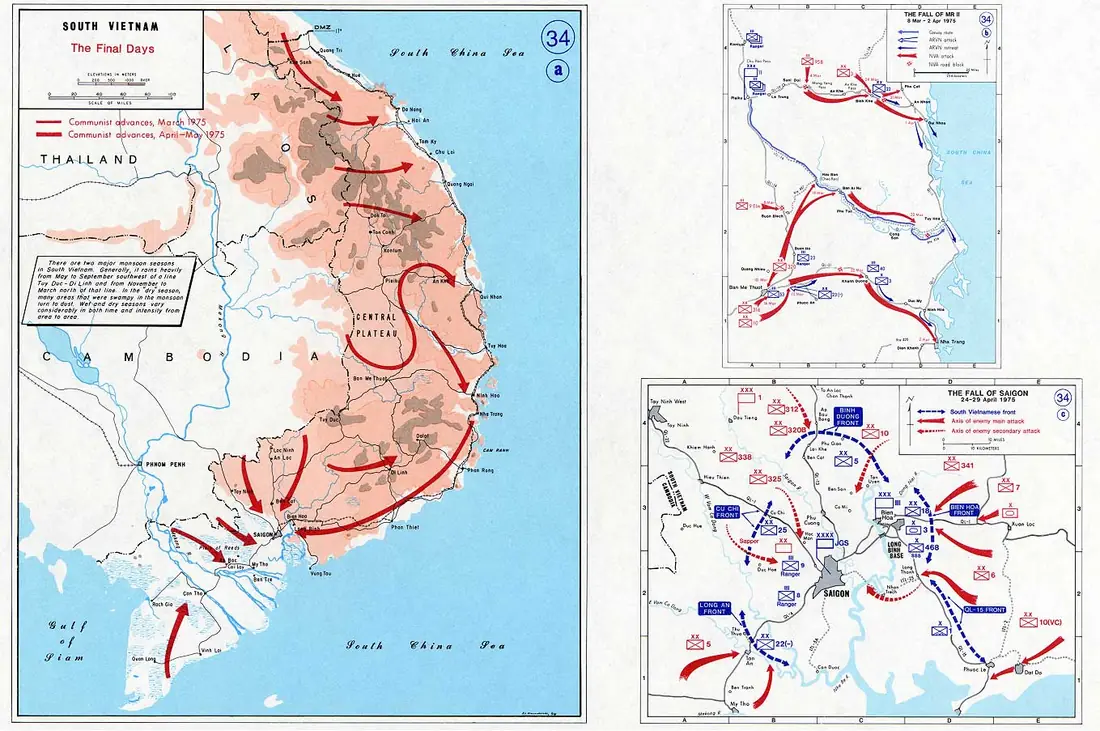
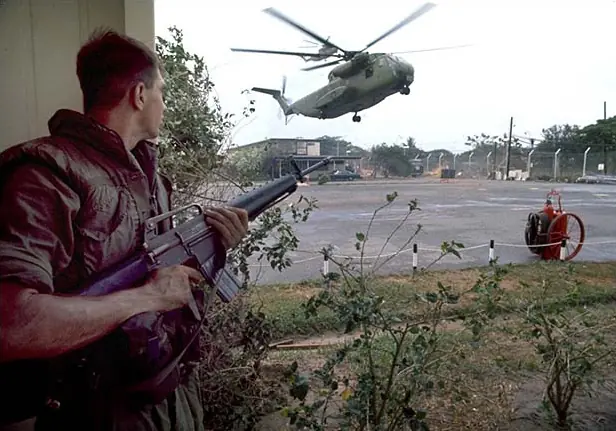
On April 29, 1975, in Saigon, Vietnam, a city once filled with the sounds of bustling streets and vibrant markets, an eerie silence fell as the North Vietnamese army closed in. The date marked the end of a long and brutal conflict that had ravaged the country for decades. As the sun rose over the city, the streets were empty, save for the North Vietnamese soldiers who were making their way towards the Presidential Palace, the seat of the South Vietnamese government. The fall of Saigon was a moment that would change the course of history, but it was also the culmination of years of tension and conflict that had been building up. The Vietnam War, which had started as a civil war between the communist North and the anti-communist South, had escalated into a full-blown international conflict, with the United States providing significant military and financial support to the South. The war had been marked by brutal fighting, widespread destruction, and a massive humanitarian crisis, with millions of people displaced and thousands killed. As the North Vietnamese army approached Saigon, the city's residents were filled with a sense of dread and uncertainty, knowing that their lives were about to change forever. In the days and weeks that followed, the city was plunged into chaos, with thousands of people trying to flee the country, and the new communist government imposing strict controls on the population. The aftermath of the fall of Saigon was marked by a massive refugee crisis, with hundreds of thousands of people fleeing the country, many of them ending up in the United States, where they would start new lives. The legacy of the fall of Saigon continues to be felt today, serving as a reminder of the devastating consequences of war and the importance of finding peaceful solutions to conflicts. The event marked a significant turning point in world politics, highlighting the limitations of military power and the importance of diplomacy and international cooperation.
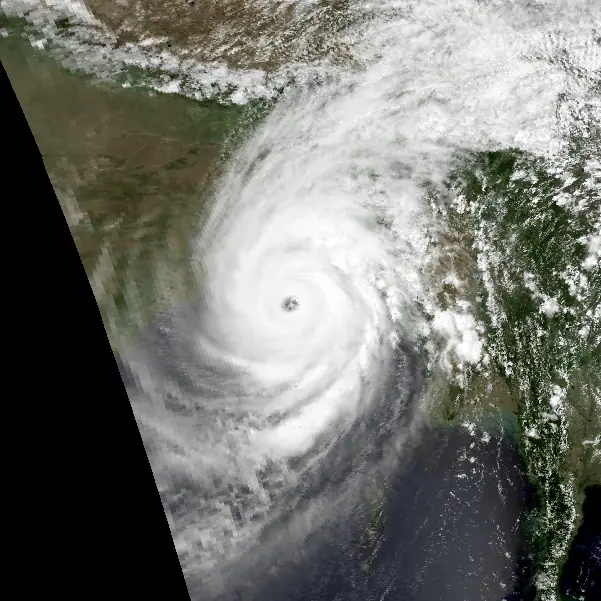
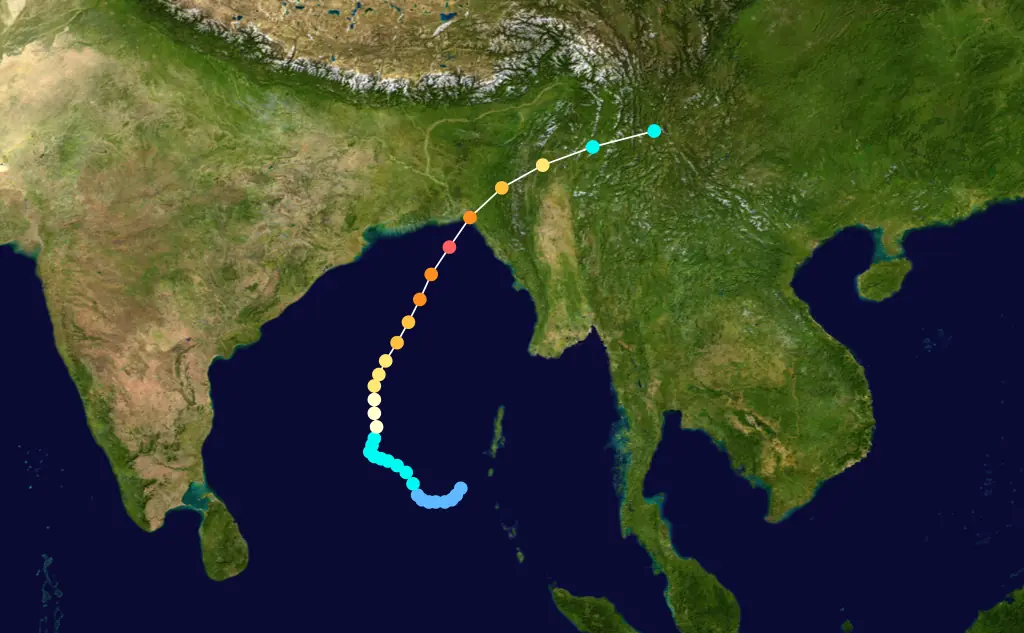
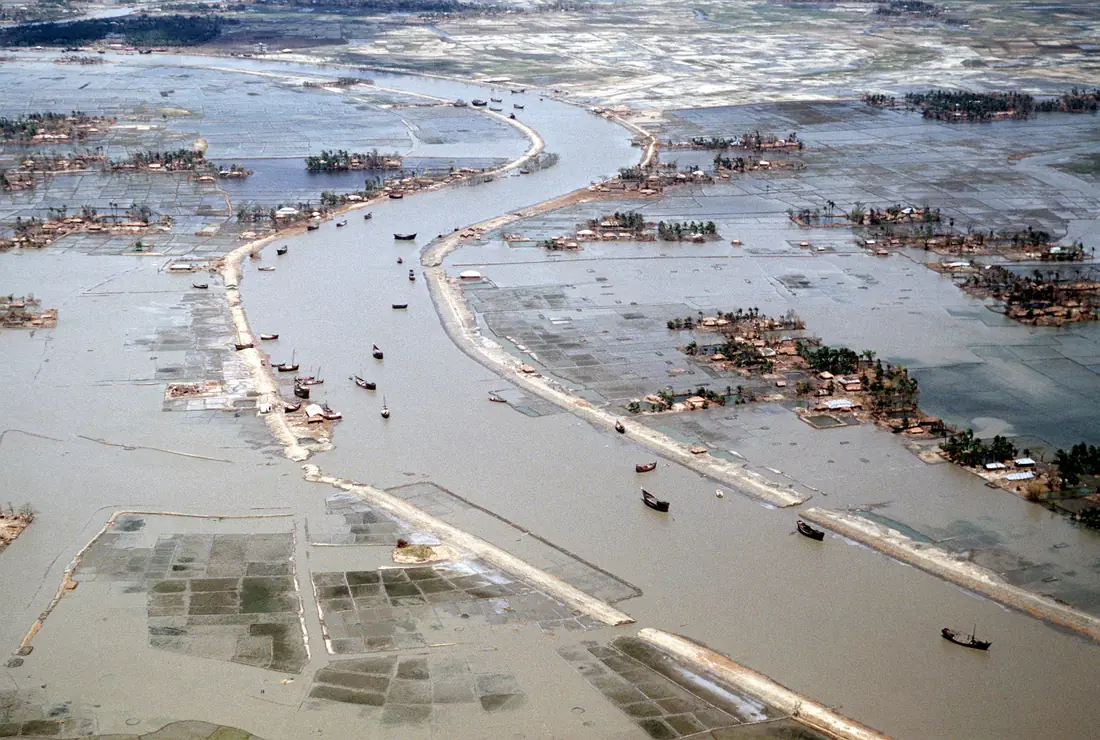
On April 29, 1991, in Bangladesh, a disaster struck that would change the world. The next day, the landscape was forever altered, as a tropical cyclone had ravaged the coastal regions, leaving behind a trail of destruction and claiming over 138,000 lives. The world woke up to the devastating news of one of the deadliest natural disasters in history. In the hours leading up to the cyclone, the people of Bangladesh were bracing themselves for the worst, as warning signs had been evident, with dark clouds gathering and strong winds picking up. As the cyclone made landfall, it brought with it powerful winds and a massive storm surge that inundated the low-lying coastal areas, sweeping away entire villages and leaving countless people stranded. The cyclone was a result of a combination of factors, including the warm waters of the Bay of Bengal and the shape of the coastline, which funneled the storm's energy towards the densely populated areas. In the days and weeks that followed, the people of Bangladesh were left to pick up the pieces, with many struggling to come to terms with the loss of loved ones and the destruction of their homes. The government and aid agencies launched a massive relief effort, with food, shelter, and medical care being provided to those in need. The aftermath of the cyclone saw a significant shift in the way Bangladesh approached disaster preparedness and response, with the government investing heavily in early warning systems and evacuation procedures. The legacy of the 1991 Bangladesh cyclone still resonates today, serving as a stark reminder of the power of nature and the importance of being prepared for the unexpected. It led to a new way of thinking about disaster prevention and response, not just in Bangladesh, but around the world, and its impact can still be felt in the way countries approach disaster management and relief efforts.