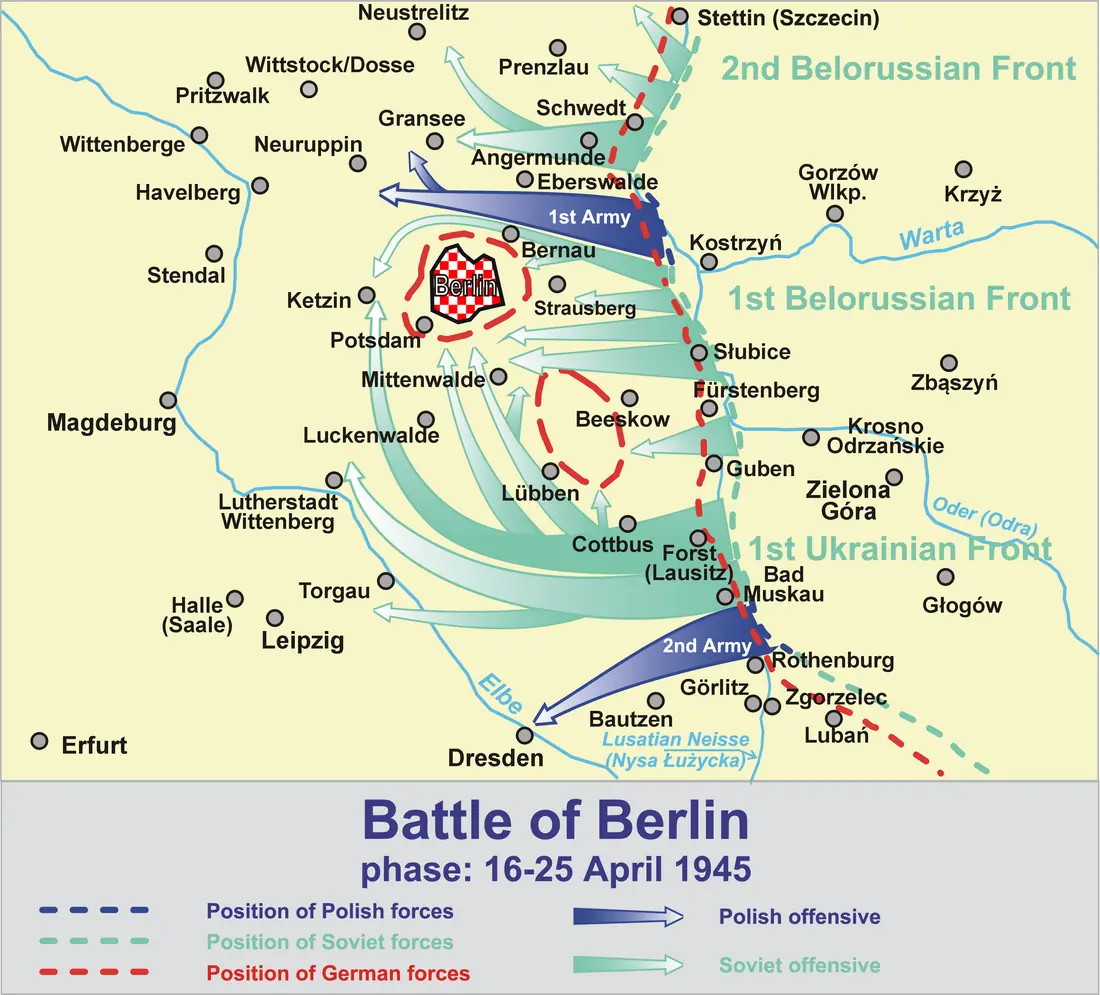
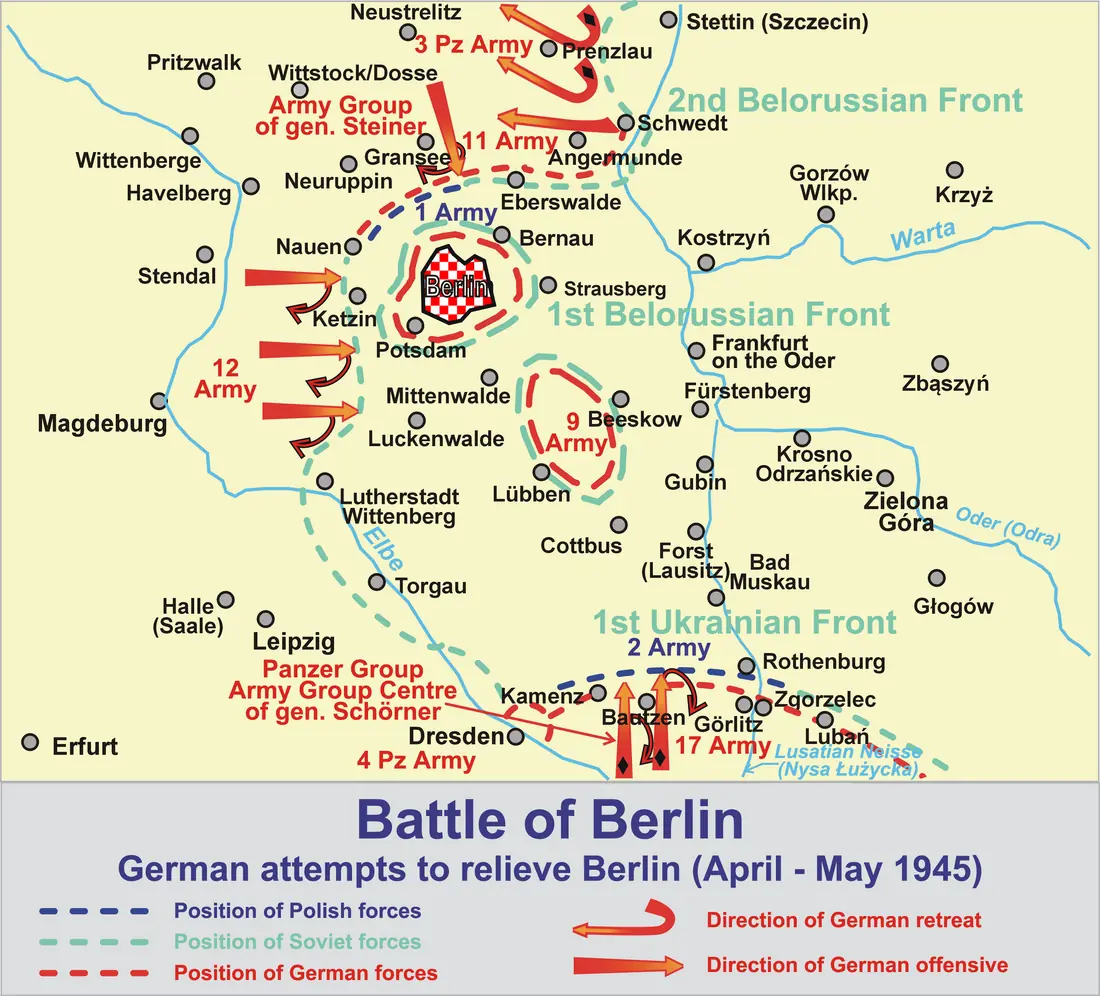
On May 02, 1945, in the battered city of Berlin, Germany, a momentous announcement was made that would change the course of history. The Soviet Union declared that it had captured Berlin, the capital of Nazi Germany, marking a significant turning point in World War II. As the news spread, the world watched in awe, wondering how this had come to pass. The Battle of Berlin had been fierce, with Soviet troops fighting their way through the city, facing fierce resistance from German forces. The streets were filled with the sounds of gunfire, the smell of smoke hung in the air, and the once-majestic buildings now lay in ruins. The Soviet soldiers, led by General Georgy Zhukov, had been pushing forward for weeks, driven by their determination to bring an end to the war. The German army, however, was dwindling, and their defenses were weakening. As the Soviet Union closed in, the German forces were faced with an impossible decision: surrender or fight to the end. The world was holding its breath, waiting to see what would happen next. The tensions had been building for years, with Nazi Germany's aggressive expansion and the formation of the Axis powers. The Allies, consisting of the United States, Great Britain, and the Soviet Union, had been fighting back, determined to stop the Nazi regime. The war had been raging for six long years, leaving destruction and devastation in its wake. The Soviet Union's capture of Berlin was the result of a long and brutal campaign, one that had seen the deaths of millions of soldiers and civilians. After the announcement, the city of Berlin was left to pick up the pieces, to mourn the loss of life and to wonder what the future held. The German people were faced with the harsh reality of defeat, and the world was forever changed. The aftermath of the battle saw the division of Germany, the rise of the Cold War, and a new era of world politics. The legacy of the Battle of Berlin still resonates today, a reminder of the devastating consequences of war and the importance of diplomacy and cooperation. It serves as a rare moment in history, one that shows the power of determination and the human spirit, and it continues to shape our world, inspiring hope and caution in equal measure.
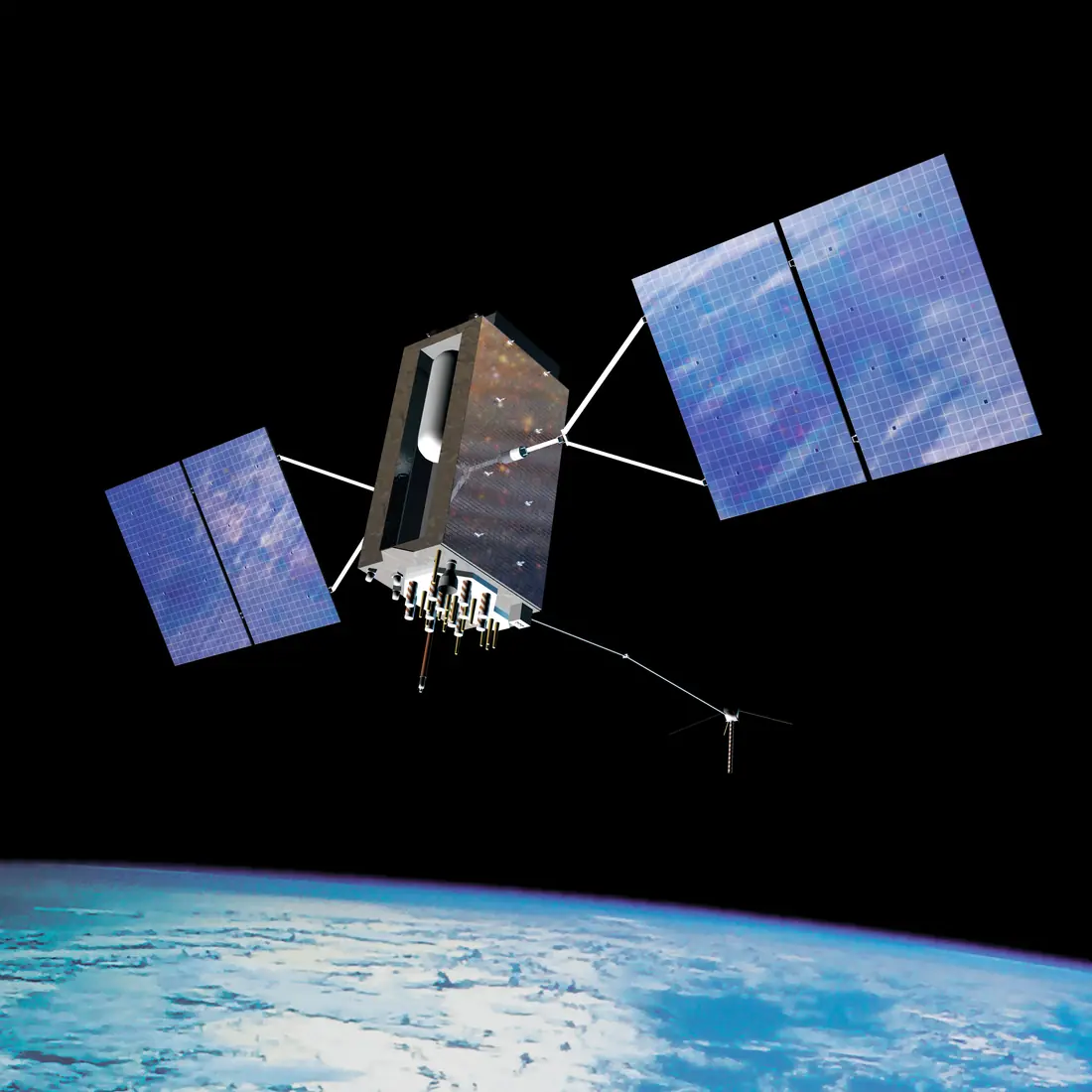
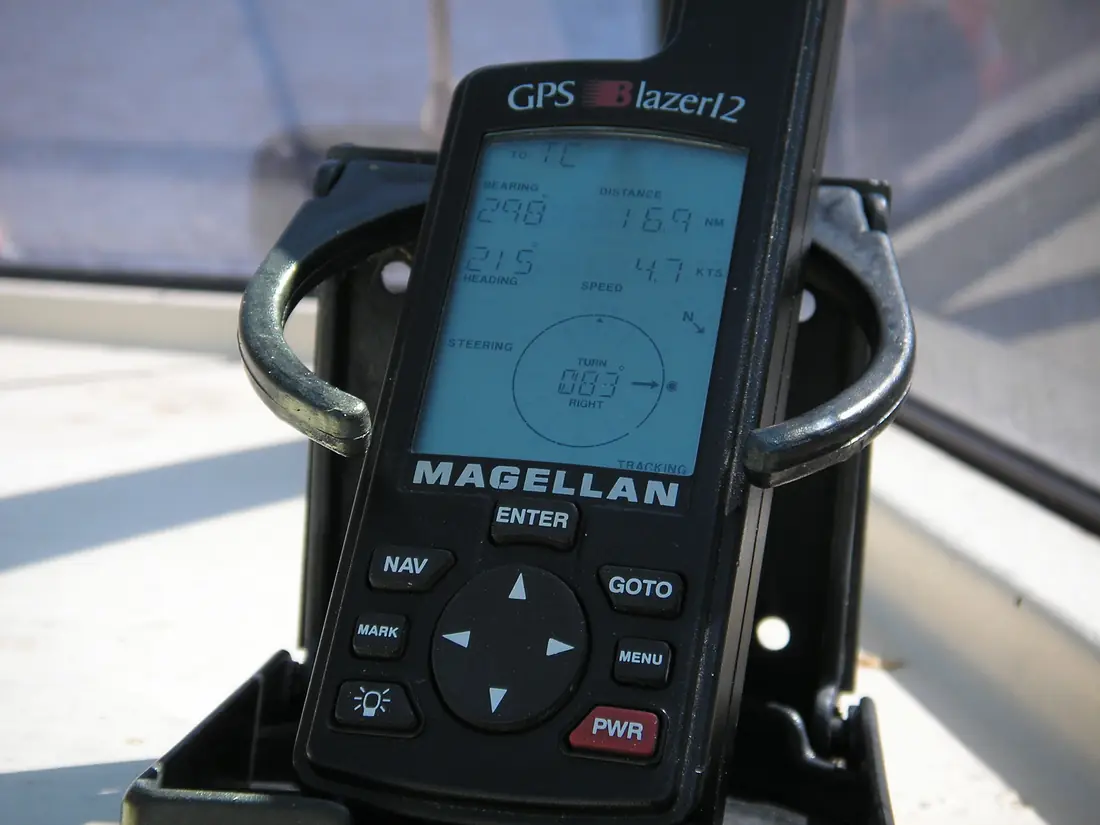
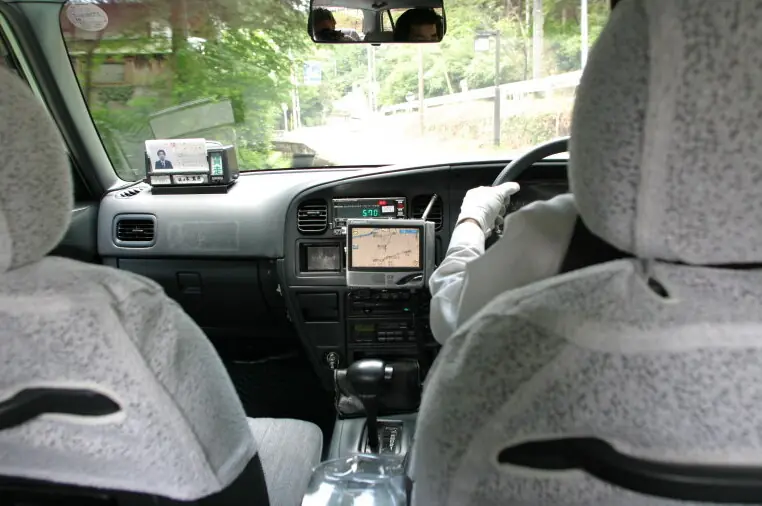
On May 02, 2000, in Washington D.C., USA, President Bill Clinton made an announcement that would change the world forever. The next day, people woke up to a new reality where the Global Positioning System, or GPS, was no longer restricted to the U.S. military. This meant that anyone with a GPS device could now access the same accurate location information that was previously only available to the military. President Clinton's decision was the result of a long process that began years earlier, when the U.S. government first started developing the GPS system. The initial idea was to create a network of satellites that could provide location information to the military, but as the technology improved, it became clear that it could also be used for civilian purposes. The world was changing rapidly, with the rise of cell phones, the internet, and other technologies that relied on location-based services. The U.S. government realized that by opening up GPS to the public, it could stimulate innovation, improve safety, and enhance the overall quality of life. After the announcement, the response was overwhelming, with companies and individuals rushing to develop new GPS-based products and services. In the days and weeks that followed, the first GPS devices for civilian use started to appear on the market, and people began to explore the many possibilities that this new technology offered. As the years went by, GPS became an integral part of our daily lives, from navigation systems in cars to location-based services on our smartphones. The decision to open up GPS to the public marked a rare moment in world politics, where a single announcement could have such a profound impact on the world. It showed that even the most complex technologies could be harnessed for the greater good, and that sometimes, all it takes is a bold decision to change the course of history. Today, we can't imagine a world without GPS, and it's hard to believe that just a few decades ago, this technology was only available to a select few.