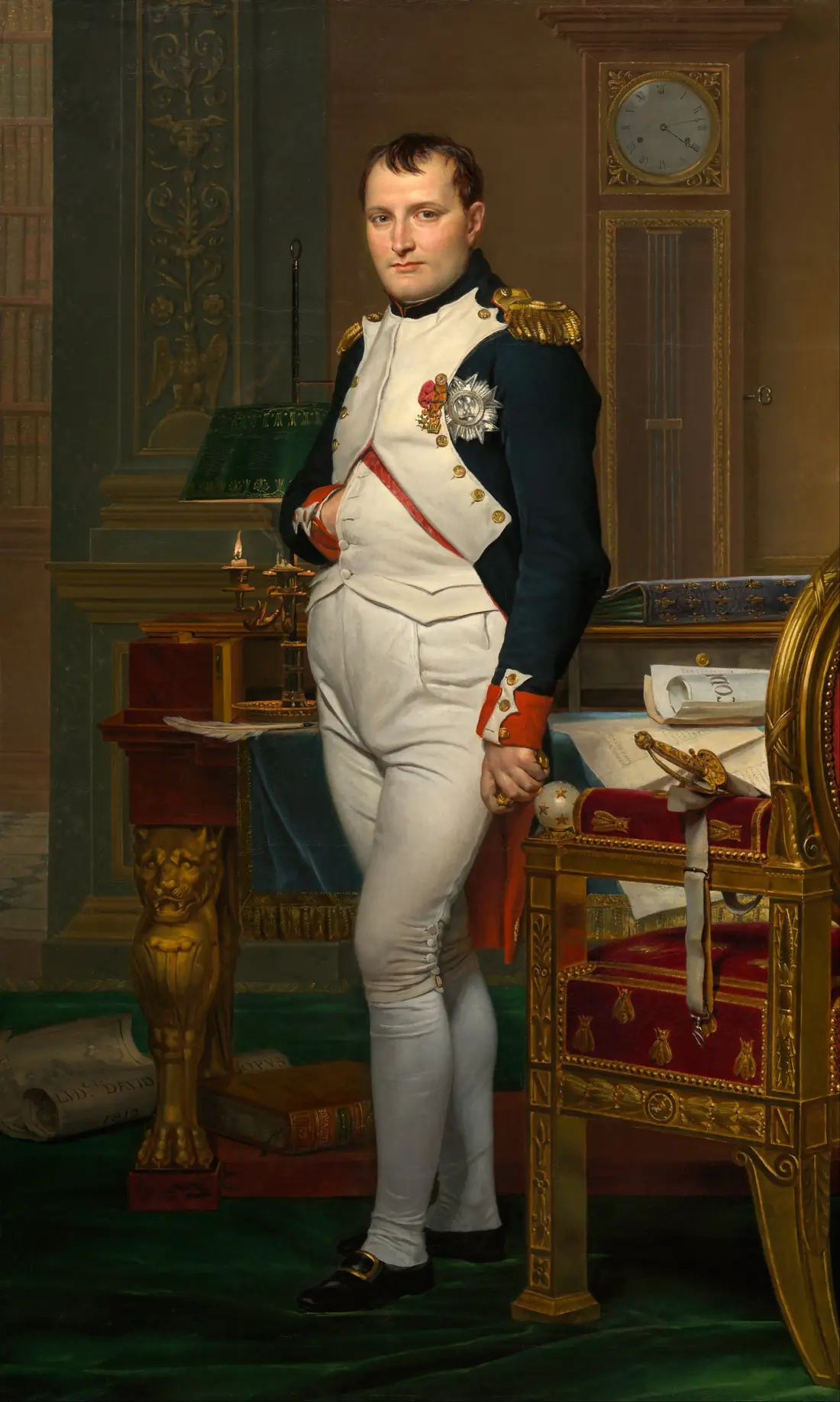
On May 18, 1804, a 35-year-old military leader named Napoleon Bonaparte stood in the heart of Paris, France, surrounded by the grandeur of the city he was about to forever change. As he looked out at the bustling streets, he knew that his life's work was about to reach its pinnacle. The French Senate, gathered in a solemn ceremony, was on the verge of proclaiming him Emperor of the French, a title that would solidify his power and reshape the course of European history. The senators, with a mix of awe and trepidation, declared Napoleon emperor, marking the beginning of a new era for France. The room was filled with the sound of murmurs and the shuffling of feet as the weight of the moment sank in. Napoleon, with his characteristic confidence and charisma, accepted the title, and the crowd erupted in cheers and applause. The proclamation was the culmination of years of Napoleon's relentless pursuit of power, which had begun with his rise through the military ranks during the French Revolution. The Revolution, with its emphasis on liberty, equality, and fraternity, had created a power vacuum that Napoleon had skillfully exploited, using his military genius and strategic thinking to outmaneuver his opponents. As the news of his proclamation spread, the people of Paris and beyond began to react, some with jubilation, others with concern, wondering what this new era would bring. The days and weeks that followed were marked by a flurry of activity, as Napoleon set about consolidating his power, reorganizing the government, and launching a series of ambitious projects to modernize France. The aftermath of the proclamation saw the rise of a new imperial system, with Napoleon at its helm, and the world began to take notice of the young emperor's grand ambitions. The legacy of Napoleon's proclamation can still be felt today, as it marked the beginning of a new era in world politics, one that would be shaped by the rise and fall of empires, and the ongoing struggle for power and dominance. Napoleon's story serves as a reminder that even the most seemingly ordinary individuals can shape the course of history, and that the consequences of their actions can be felt for generations to come.
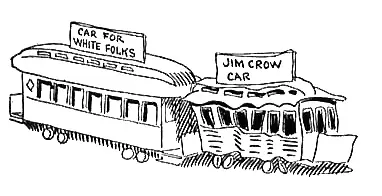
On May 18, 1896, the United States Supreme Court in Washington, D.C. would make a decision that would change the course of American history forever. It was an ordinary Monday morning, but the ruling that came out of the court that day would have far-reaching consequences for the nation. The case was Plessy v. Ferguson, and what was at stake was the fundamental question of whether racial segregation was constitutional. The court was packed with people waiting to hear the decision, including Homer Plessy, the man who had challenged the segregation laws in Louisiana. Plessy, who was of mixed racial descent, had deliberately boarded a train car reserved for white people, knowing he would be arrested and could then challenge the law in court. The justices of the Supreme Court had heard the arguments and were now ready to deliver their verdict. The room was tense as the chief justice began to read out the decision, his words hanging in the air like a challenge to the very fabric of American society. The court ruled that segregation was indeed constitutional, as long as the facilities provided for black people were equal to those provided for white people. This ruling, known as 'separate but equal,' would go on to shape the lives of millions of Americans for generations to come. The world before this moment was one of growing racial tension, as the Reconstruction era had given way to a new era of segregation and discrimination. The end of the Civil War had brought an end to slavery, but it had not brought equality, and many white Americans were determined to maintain their superiority over black Americans. The Plessy v. Ferguson case was just one example of the many challenges to segregation laws that were being made at the time, but it was the most significant. After the ruling, the consequences were immediate and devastating. Segregation became even more entrenched, and the facilities provided for black people were rarely equal to those provided for white people. The ruling also emboldened white supremacists, who saw it as a vindication of their beliefs. In the days and weeks that followed, there were protests and demonstrations against the ruling, but they were largely unsuccessful in changing the course of events. The legacy of the Plessy v. Ferguson ruling can still be felt today, as the United States continues to grapple with the issues of racial inequality and discrimination. The ruling shaped the way of thinking about race in America, making it seem acceptable to treat people differently based on the color of their skin. It would take the civil rights movement of the 1950s and 1960s to finally begin to dismantle the segregation laws and challenge the 'separate but equal' doctrine, but the effects of the Plessy v. Ferguson ruling can still be seen in the ongoing struggles for racial equality in America.