Daily History
Politics & state

Brown v. Board of Education

Washington, D.C., USA
Brown v. Board of Education — Washington, D.C., USA
Image: United Press International telephoto · Public domain

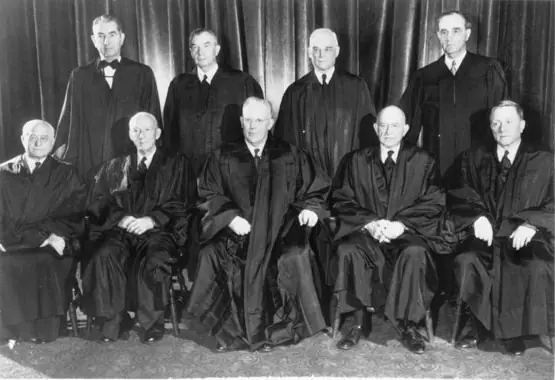
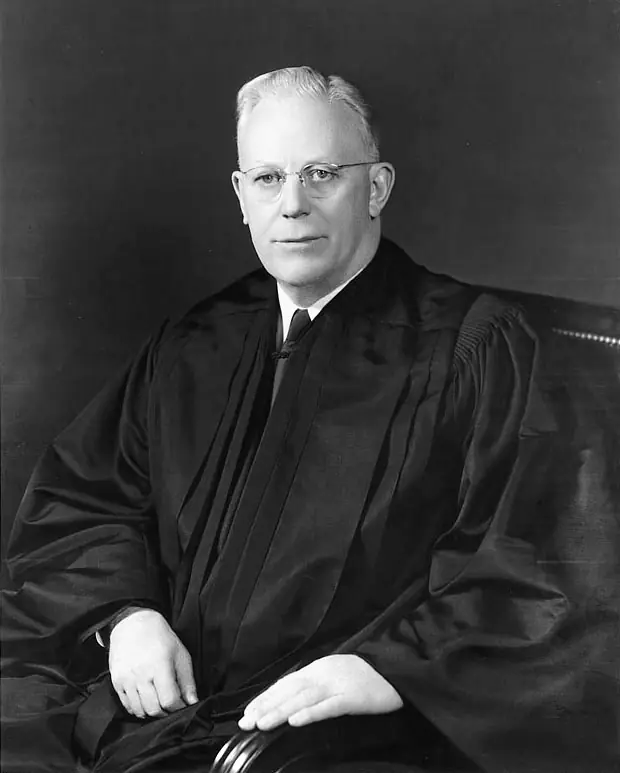
In just one decision on May 17, 1954, in Washington, D.C., USA, the United States Supreme Court changed the lives of millions of children. It happened on a typical Monday morning, while the rest of the country was going about its day, unaware of the historic moment that was unfolding. The court's ruling in the case of Brown v. Board of Education was a landmark moment, one that would go on to shape the course of American history. The case was brought by Oliver Brown, a welder from Topeka, Kansas, who wanted his daughter to be able to attend the all-white school in their neighborhood, rather than the all-black school she was currently attending. The Supreme Court, led by Chief Justice Earl Warren, heard the case and ultimately decided that segregation in public schools was unconstitutional. The decision was unanimous, with all nine justices agreeing that the 'separate but equal' doctrine that had been in place since the late 19th century was no longer valid. The justices based their decision on the idea that segregation was inherently unequal, and that it was the duty of the government to ensure that all citizens, regardless of the color of their skin, had access to equal educational opportunities. The world before this moment was one of deep-seated racial tension, where segregation was a fact of life in many parts of the country. The tensions had been building for decades, with many African Americans fighting for their rights and facing violent resistance from those who wanted to maintain the status quo. The decision in Brown v. Board of Education was the result of years of activism and advocacy by people like Thurgood Marshall, who argued the case before the Supreme Court. In the days and weeks that followed the decision, there was a mix of reactions across the country. Some people were overjoyed, seeing the ruling as a major step forward in the fight for civil rights, while others were angry and resistant to the change. Many schools in the South refused to comply with the decision, and it would take years of further activism and litigation to fully implement the ruling. The aftermath of the decision was marked by violence and unrest, as some communities resisted the integration of their schools. Despite these challenges, the decision in Brown v. Board of Education marked a major turning point in the civil rights movement, paving the way for further progress in the years to come. The legacy of this moment can still be felt today, as the country continues to grapple with issues of racial inequality and educational access. The decision in Brown v. Board of Education serves as a reminder of the power of activism and the importance of fighting for what is right, even in the face of overwhelming opposition. It is a testament to the idea that one decision, made by a group of courageous individuals, can have a profound impact on the course of history.
Brown v. Board of Education — Washington, D.C., USA
Image: Harris & Ewing photography firm · Public domain

Source: en.wikipedia.org/wiki/Brown v. Board of Education

Science & discovery

Removal of homosexuality from WHO list

Geneva, Switzerland

Removal of homosexuality from WHO list — Geneva, Switzerland
Image: Guilhem Vellut from Annecy, France · CC BY 2.0

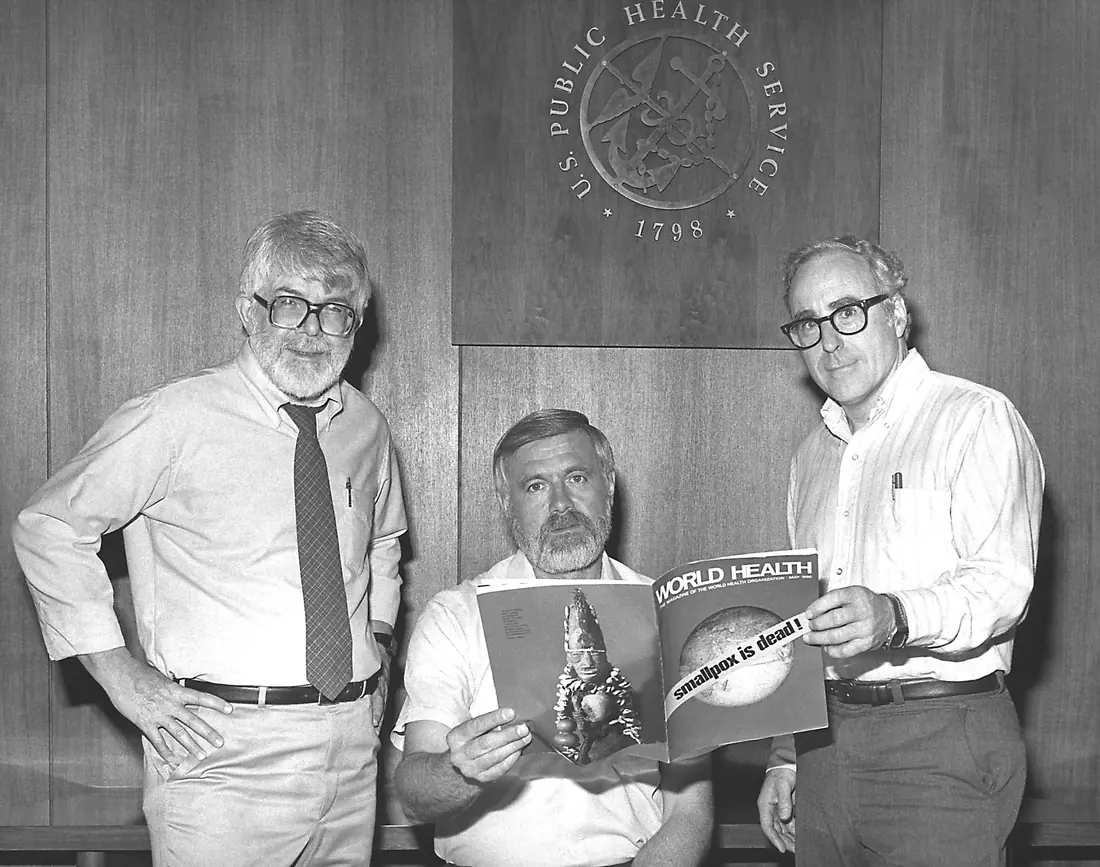
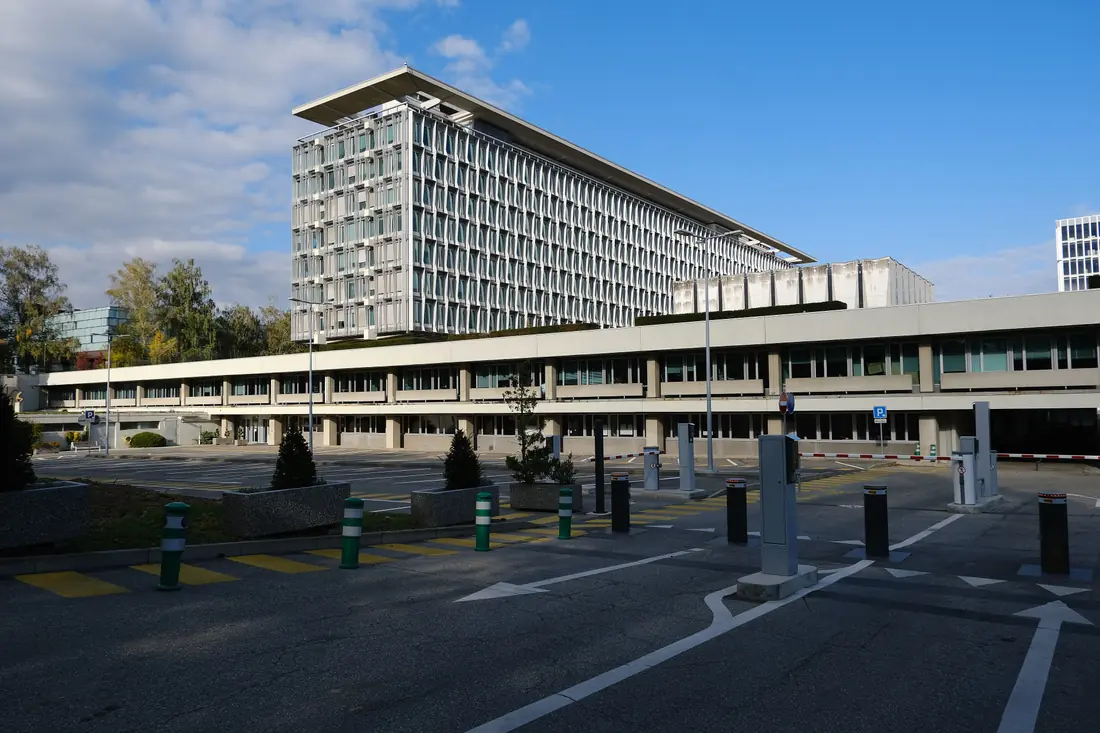
On May 17, 1990, in Geneva, Switzerland, a 35-year-old psychiatrist named Robert Spitzer looked out at the crowd of World Health Organization delegates gathered before him, knowing that the decision they were about to make would change lives. The city, with its tranquil Lake Geneva and historic architecture, was about to witness a pivotal moment in the history of human rights. As the delegates prepared to vote, the air was filled with a sense of anticipation and hope. The World Health Organization was on the verge of removing homosexuality from its list of psychiatric disorders, a move that would have far-reaching consequences. The delegates, representing countries from around the world, had spent years debating and discussing this issue, and now the time had come to make a decision. With a majority vote, the World Health Organization officially removed homosexuality from its list of psychiatric disorders, a decision that was met with cheers and tears from the crowd. This decision was the result of years of advocacy and research, as well as a growing understanding that being gay was not a mental illness, but rather a natural part of human diversity. Before this moment, many gay people had been forced to live in secrecy, fearing persecution and discrimination. The removal of homosexuality from the list of psychiatric disorders marked a significant shift in the way the world thought about gay people, and it paved the way for greater acceptance and equality. In the days and weeks that followed, the decision sent shockwaves around the world, with many countries beginning to re-examine their own laws and policies regarding gay people. As the news spread, gay people everywhere felt a sense of hope and validation, knowing that they were one step closer to being treated with the dignity and respect they deserved. The decision also sparked a new wave of activism and advocacy, as gay people and their allies worked to build on the momentum of this historic moment. Today, the removal of homosexuality from the list of psychiatric disorders is remembered as a rare moment of courage and compassion, one that has had a lasting impact on the world and continues to inspire people to fight for equality and human rights.

Removal of homosexuality from WHO list — Geneva, Switzerland
Image: Photo Credit: Content Providers(s): CDC · Public domain
Removal of homosexuality from WHO list — Geneva, Switzerland
Image: Jubair Bin Iqbal · CC BY-SA 4.0

Source: en.wikipedia.org/wiki/World Health Organization

Use the arrow keys to move between days

Browse the full archive →