Charles Lindbergh lands near Paris
Paris, France
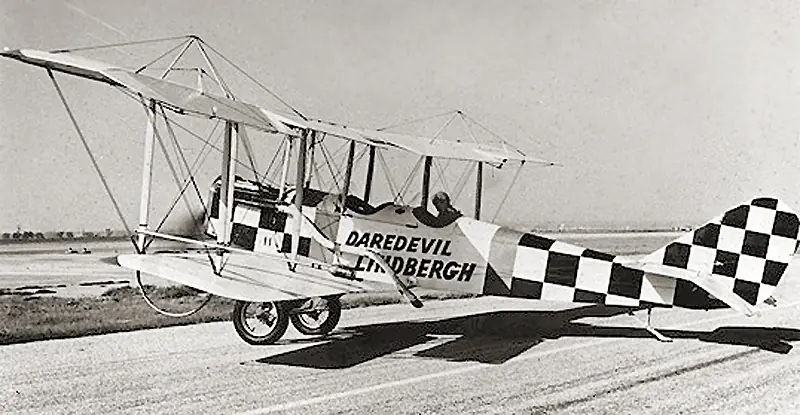
As the sun rises over the French countryside on May 21, 1927, a lone figure is emerging from the clouds, the sound of his engine growing louder with each passing moment. Charles Lindbergh, a 25-year-old American aviator, is putting the final touches on his historic journey, one that will cement his place in the annals of history. He has been flying for 33 hours and 30 minutes, covering a distance of approximately 3,600 miles, and is now beginning his descent into the Le Bourget field, just outside of Paris.
Lindbergh's journey began on May 20, 1927, at 7:52 am, when he took off from Roosevelt Field in Long Island, New York, in his single-engine Spirit of St. Louis aircraft. The plane, which Lindbergh designed and built himself, is a marvel of modern engineering, with a 9-cylinder Wright Whirlwind engine and a wingspan of 46 feet. As he soars over the Atlantic, Lindbergh is acutely aware of the risks involved, having witnessed the failures of several other attempts at a solo transatlantic flight. Despite these risks, he remains focused, relying on his years of training and experience as a pilot in the US Army Air Corps.
As Lindbergh approaches the French coast, he can see the sprawling city of Paris below him, a sea of rooftops and church steeples stretching out as far as the eye can see. He begins his descent, his heart racing with excitement and relief, and at 10:22 pm local time, he touches down safely on the grassy field. The crowd that has gathered to witness the event erupts into cheers, and Lindbergh, exhausted but exhilarated, steps out of his plane to a hero's welcome. The French ambassador to the United States, Paul Claudel, is on hand to congratulate Lindbergh, praising his bravery and skill as a pilot.
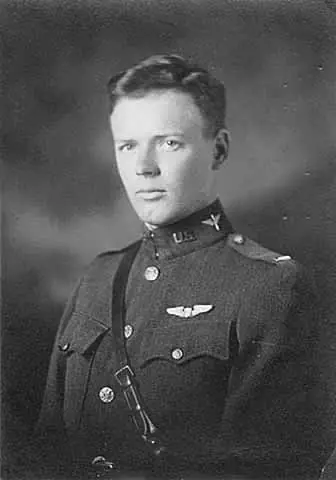
Lindbergh's achievement is not just a testament to his own abilities, but also a reflection of the rapidly evolving field of aviation. In the years leading up to his flight, there had been significant advances in aircraft design, engine technology, and navigation equipment, making it possible for pilots to undertake longer and more complex flights. Lindbergh's use of a single-engine plane, for example, was a bold innovation, as most aircraft of the time were equipped with multiple engines. His success also sparked a wave of interest in aviation, inspiring a new generation of pilots and engineers to pursue careers in the field.
As Lindbergh basks in the glory of his achievement, he is surrounded by a throng of reporters and well-wishers, all clamoring to hear his story. He is characteristically humble, crediting his team and his aircraft for their role in his success. When asked about the most challenging part of his journey, he replies, 'The worst part of the trip was the takeoff, because I had to get the plane off the ground with a full load of gas.' This understatement belies the enormity of his accomplishment, one that will be remembered for generations to come.
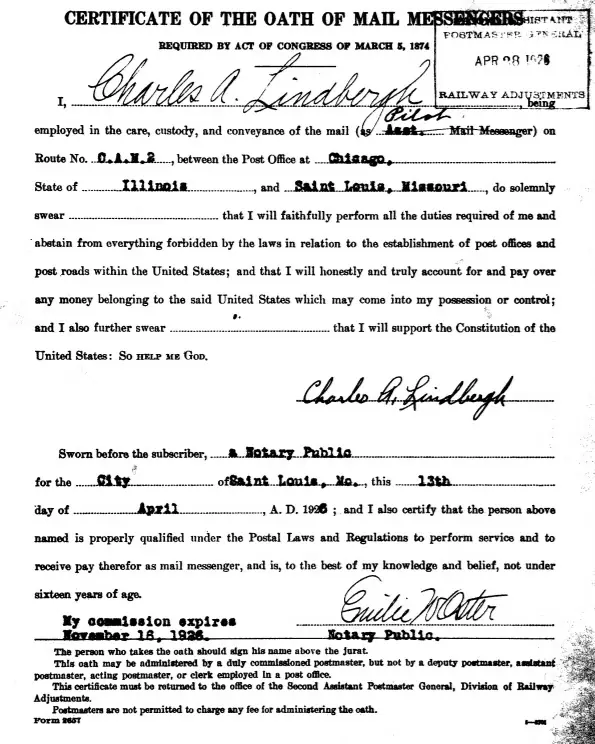
The cost of Lindbergh's flight was approximately $15,000, a significant investment for a private citizen, but one that has paid off in ways he could never have imagined. As he stands in the midst of the cheering crowd, he is not just a hero, but a symbol of American ingenuity and determination. And yet, as he looks out at the sea of faces, he cannot help but think of the one person who is not there to share in his triumph - his mother, Evangeline Lindbergh, who had always been his biggest supporter. It is a poignant reminder that even in the midst of great achievement, there is often a sense of melancholy, a recognition that success is rarely without its costs.