Wright brothers' patent
Washington, D.C., USA
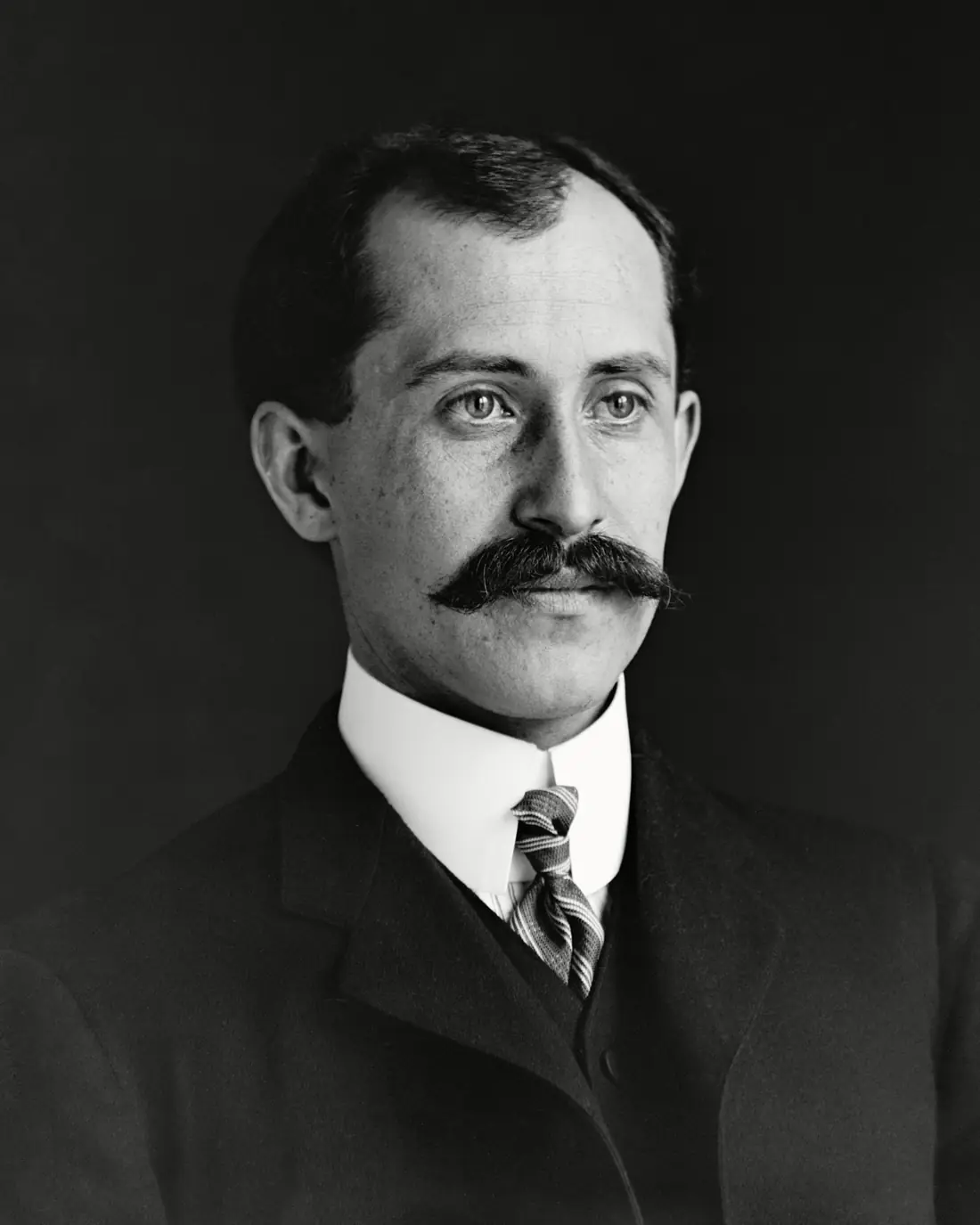
On May 22, 1906, Orville and Wilbur Wright, two brothers from Dayton, Ohio, stood in a Washington, D.C. courtroom, anxiously waiting for the decision that would change their lives and the world. They were about to be granted a patent for their 'Flying Machine,' a contraption that would make the impossible possible: humans would soon be flying through the air like birds.
The story of the Wright brothers began decades earlier, when they were just kids fascinated by the idea of flight. Their father, Milton Wright, a bishop in the United Brethren Church, brought home a toy glider that sparked their interest in aerodynamics. As they grew older, their fascination turned into an obsession, and they spent countless hours researching, experimenting, and testing various wing designs. In 1899, they built their first glider, which Wilbur tested in Kitty Hawk, North Carolina, reaching altitudes of up to 10 feet and staying airborne for 10 seconds.
Over the next few years, the Wright brothers refined their design, adding a system of three-axis control that allowed the pilot to steer the aircraft. On December 17, 1903, they successfully flew the first powered, heavier-than-air aircraft, staying aloft for 12 seconds and covering a distance of 120 feet. The achievement was met with skepticism by many, but the brothers persisted, knowing that their invention had the potential to revolutionize transportation. They continued to improve their design, increasing the flight duration and distance, and on October 5, 1905, they flew for 39 minutes and covered a distance of 24.5 miles.
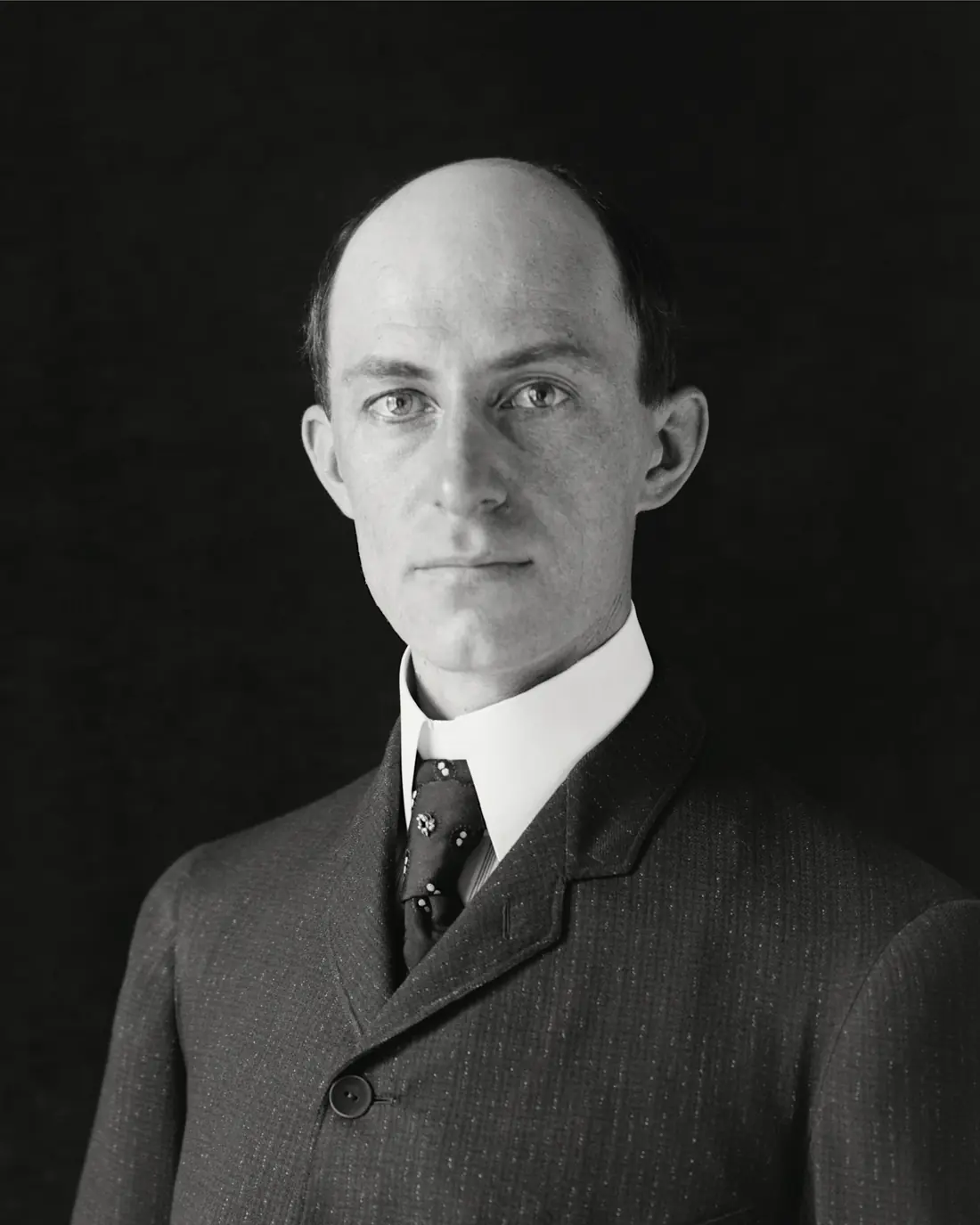
The Wright brothers' invention was not just about building a machine that could fly; it was about understanding the fundamental principles of aerodynamics. They spent years studying the movement of air, the shape of wings, and the concept of lift. Their breakthrough came when they discovered that by warping the wing, they could control the direction of the aircraft. This innovation, combined with their three-axis control system, made their 'Flying Machine' a reality.
As the Wright brothers stood in the courtroom, they were not just waiting for a patent; they were waiting for validation. They had risked everything – their time, their money, and their reputation – to pursue their dream. And on that day, May 22, 1906, they finally got it. The patent was granted, and their 'Flying Machine' became a reality. The world would never be the same.
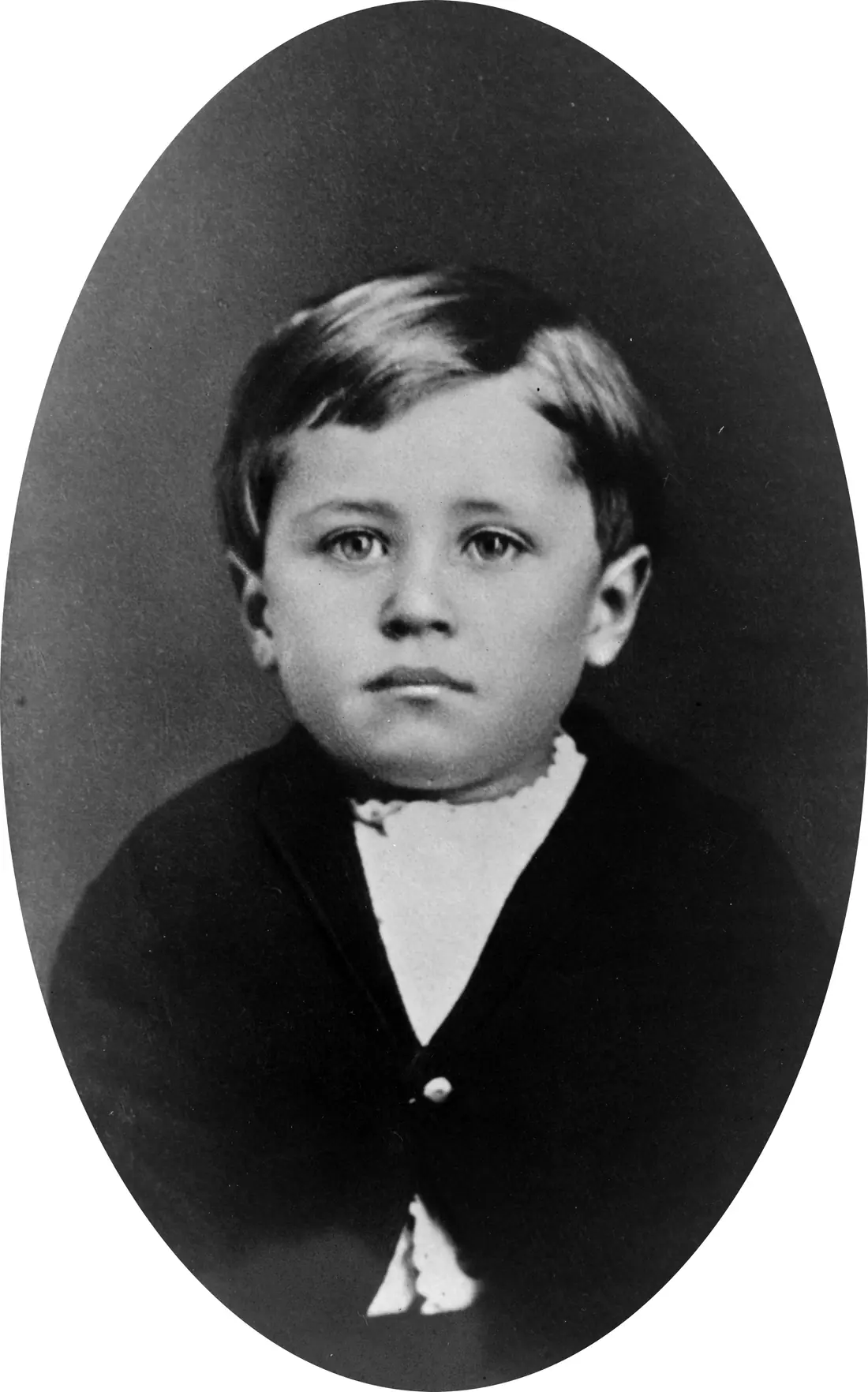
The impact of the Wright brothers' invention was immediate. In the years that followed, aviation evolved at an incredible pace. The first commercial airline was established in 1909, and by the 1920s, flying had become a popular mode of transportation. The world had changed, and the impossible had become ordinary. People could now travel across the globe in a matter of hours, and the concept of distance had been redefined. As Orville Wright once said, 'The airplane stays up because it doesn't have the time to fall.'
The legacy of the Wright brothers extends far beyond their invention. They inspired generations of innovators, engineers, and explorers. Their story is a testament to the power of human ingenuity and the importance of perseverance. And as we look back on that day, May 22, 1906, we are reminded that even the most impossible dreams can become a reality with hard work, determination, and a willingness to take risks. The Wright brothers' 'Flying Machine' may have started as a toy, but it ended up changing the world, and today, as we fly through the skies, we are living proof that the impossible is just a starting point.