Adoption of the Stars and Stripes
Philadelphia, USA
Imagine being in a room where the fate of a nation's symbol is decided, and that symbol is the Stars and Stripes, a flag that would go on to represent the United States of America. It's June 14, 1777, and the Continental Congress is gathered in Philadelphia, USA, to make this pivotal decision. The room is filled with anticipation as the members of the Continental Congress consider the proposal to adopt the Stars and Stripes as the official flag of the United States. This decision is not just a formality; it's a declaration of the nation's identity and a beacon of hope for its people.
As the proposal is presented, the members of the Continental Congress are mindful of the significance of this decision. They understand that the flag will be a symbol of unity and strength for the newly independent nation. The design of the flag, with its thirteen alternating red and white stripes and thirteen white stars on a blue field, represents the thirteen original colonies that declared independence from Great Britain. The number of stripes and stars would change over time as more states joined the union, but the essence of the design would remain the same. Francis Hopkinson, a member of the Continental Congress, is credited with designing the flag, and his vision would become an enduring symbol of American identity.
The adoption of the Stars and Stripes has far-reaching consequences that would be felt for weeks, years, and decades to come. As the news of the new flag spreads, it becomes a powerful symbol of American patriotism and a rallying point for the troops fighting in the Revolutionary War. The flag is first flown over the nation's capital on June 14, 1777, and it would go on to fly over many battlefields, including the Battle of Brandywine, where American forces would suffer a defeat, but the flag would remain a source of inspiration. Over time, the flag would undergo many changes, with the number of stripes and stars being adjusted to reflect the growth of the nation, but its core design would remain the same. Today, the Stars and Stripes is one of the most recognizable flags in the world, and its adoption on June 14, 1777, marked the beginning of a new era in American history.
One of the most fascinating aspects of the Stars and Stripes is the story of its creation. The flag was designed by a committee consisting of Francis Hopkinson, George Washington, and others, who were tasked with creating a symbol that would represent the new nation. The design process was not without its challenges, as the committee had to balance the need for a simple, yet distinctive design that would be easily recognizable. The final design, with its thirteen stripes and thirteen stars, was a masterpiece of simplicity and elegance, and it would go on to become an enduring symbol of American identity. The story of the flag's creation is a testament to the power of collaboration and creativity in shaping the course of history.
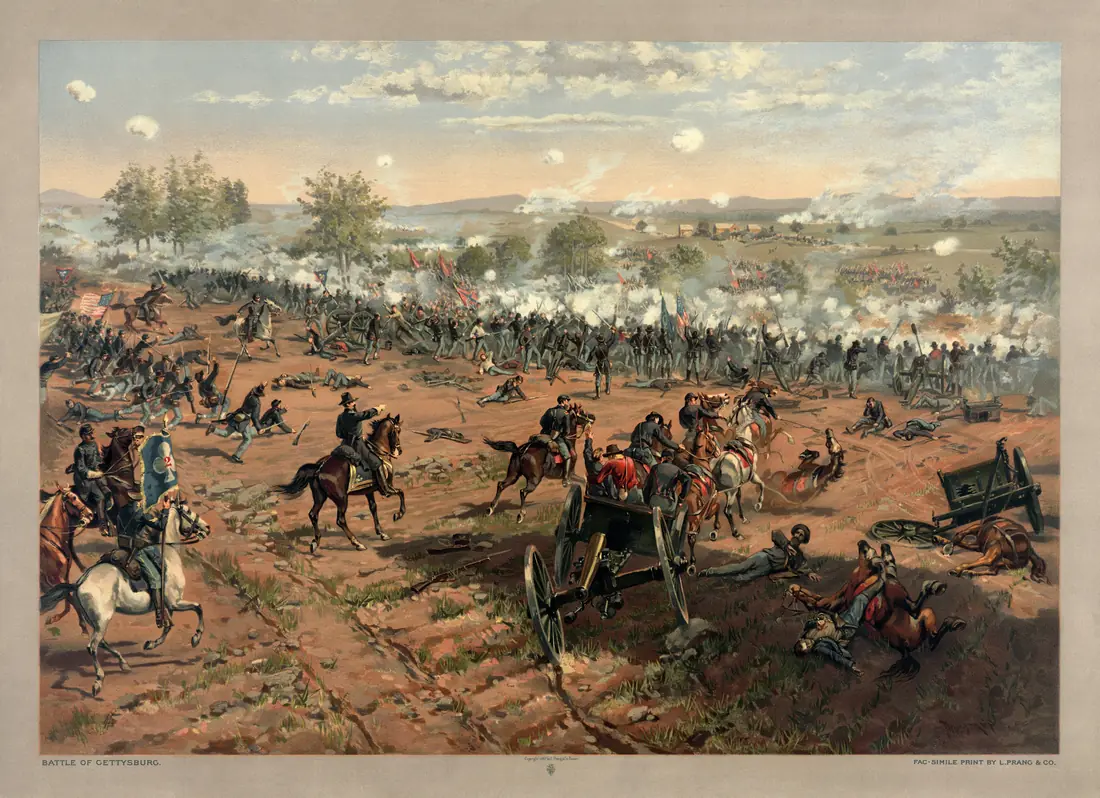
As we look back on the adoption of the Stars and Stripes, it's clear that this event had a profound impact on American history. The flag would go on to fly over many historic events, including the Battle of Gettysburg, the landing of American troops in Normandy, and the first moon landing. Today, the Stars and Stripes is a powerful symbol of American patriotism and a reminder of the nation's rich history. As we reflect on the significance of this event, we are reminded of the power of symbols to shape our identity and inspire us to greatness. The Stars and Stripes is more than just a flag; it's a symbol of the American spirit, and its adoption on June 14, 1777, marked the beginning of a new era in American history.