Magna Carta
Runnymede, England
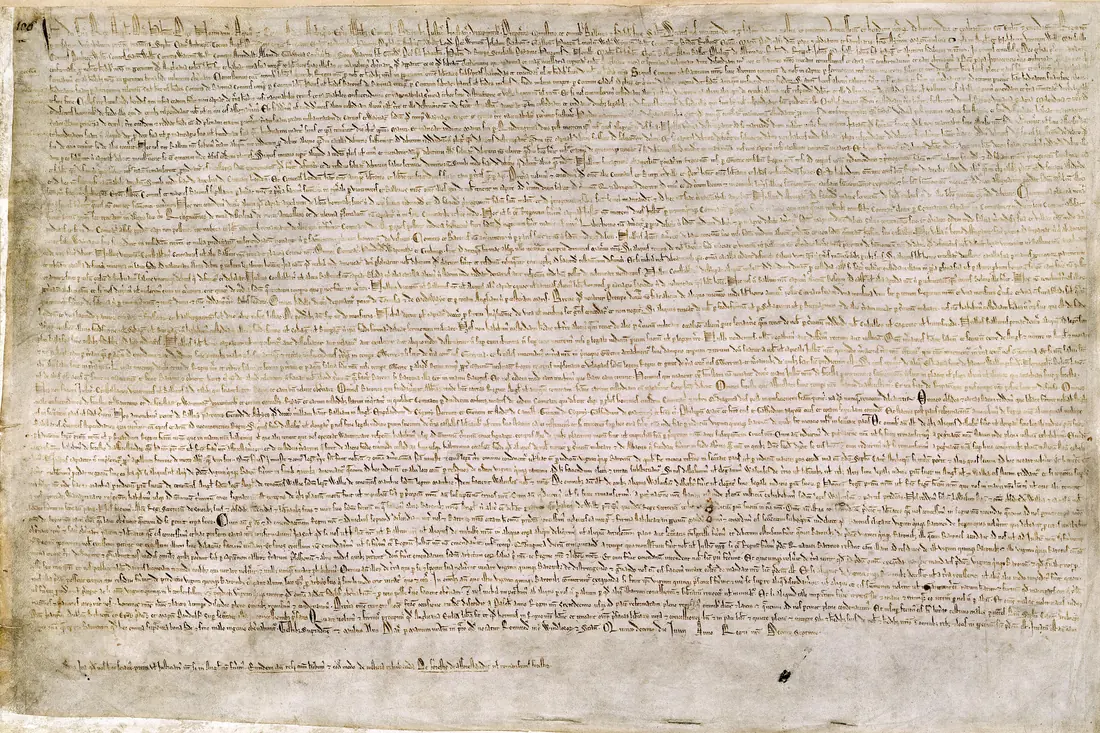
King John of England is sitting on a small hill in Runnymede, looking rather out of place among the tall trees and curious onlookers. He's about to put his seal on a document that will limit his own power, which is not exactly the kind of thing monarchs typically do. The year is 1215, and this peculiar scene is the result of a long and contentious struggle between the king and his barons.
The story begins several years earlier, when King John started abusing his power, raising taxes without consent, and seizing land from his nobles. The barons, tired of John's antics, decided to take a stand. Led by Stephen Langton, the Archbishop of Canterbury, they drafted a document that would protect their rights and limit the king's authority. This document, known as the Magna Carta, was a radical idea at the time, as it suggested that even the monarch was not above the law.
As King John sits on that hill, he's surrounded by 13th-century England's who's who. There's Henry de Bohun, the Earl of Hereford, and Roger Bigod, the Earl of Norfolk, all of whom are watching with great interest as the king hesitantly agrees to the terms of the document. The Magna Carta consists of 63 clauses, many of which deal with feudal rights and the relationship between the king and his barons. But some clauses are more surprising, such as the one that establishes a council of 25 barons to ensure the king's compliance with the document. This is essentially a medieval system of checks and balances, and it's a remarkable example of how even the most powerful individuals can be held accountable.
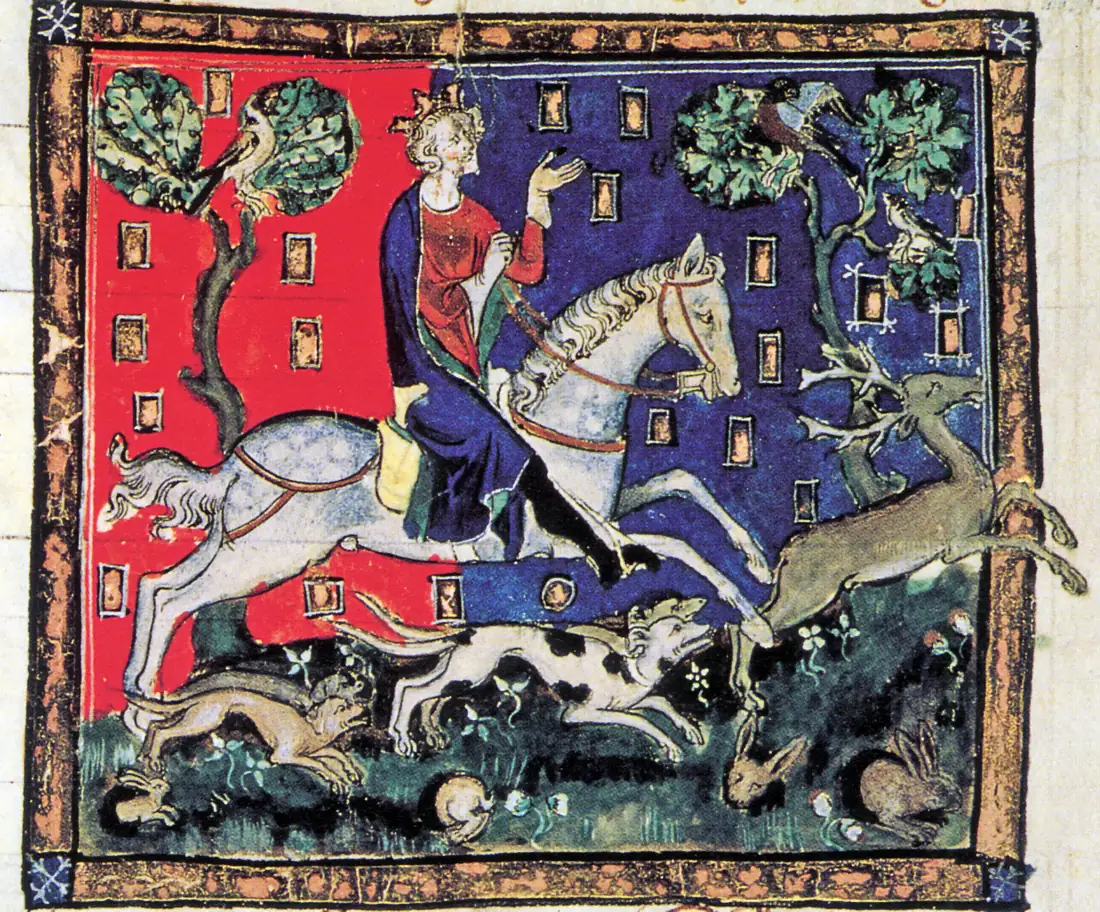
The signing of the Magna Carta is a pivotal moment in English history, and its influence can be seen in many areas of modern life. For instance, the idea of due process, which is enshrined in the document, has become a cornerstone of justice systems around the world. And yet, despite its significance, the Magna Carta was not widely recognized as a foundational text until many centuries later. In fact, it wasn't until the 17th century that the document gained widespread recognition as a symbol of liberty and resistance against tyranny.
As King John affixes his seal to the document, he's likely thinking about the many ways he can still maintain his power and influence. But the barons are watching closely, and they're determined to ensure that the king adheres to the terms of the Magna Carta. It's a tense and dramatic moment, full of intrigue and political maneuvering. And as the scene unfolds, it becomes clear that this is not just a story about a medieval king and his barons – it's a story about the ongoing struggle for power, justice, and accountability that continues to shape our world today.
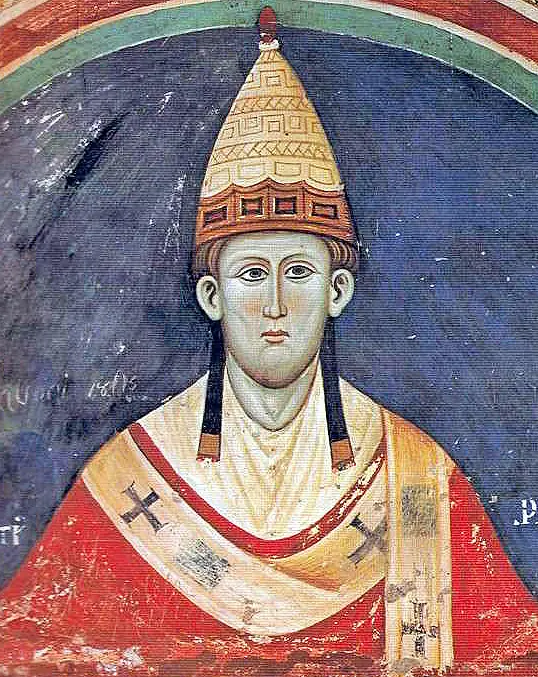
In the end, the Magna Carta is a testament to the enduring power of ideas and the human desire for freedom and justice. As we look back on this pivotal moment in history, we're reminded that even the most unlikely events can have a profound impact on the world. And as we reflect on the story of the Magna Carta, we're left with a profound sense of irony: a document that was intended to limit the power of a monarch has become an enduring symbol of the very principles of liberty and democracy that it was meant to enshrine.