Napoleon's invasion of Russia
Neman River, Russia
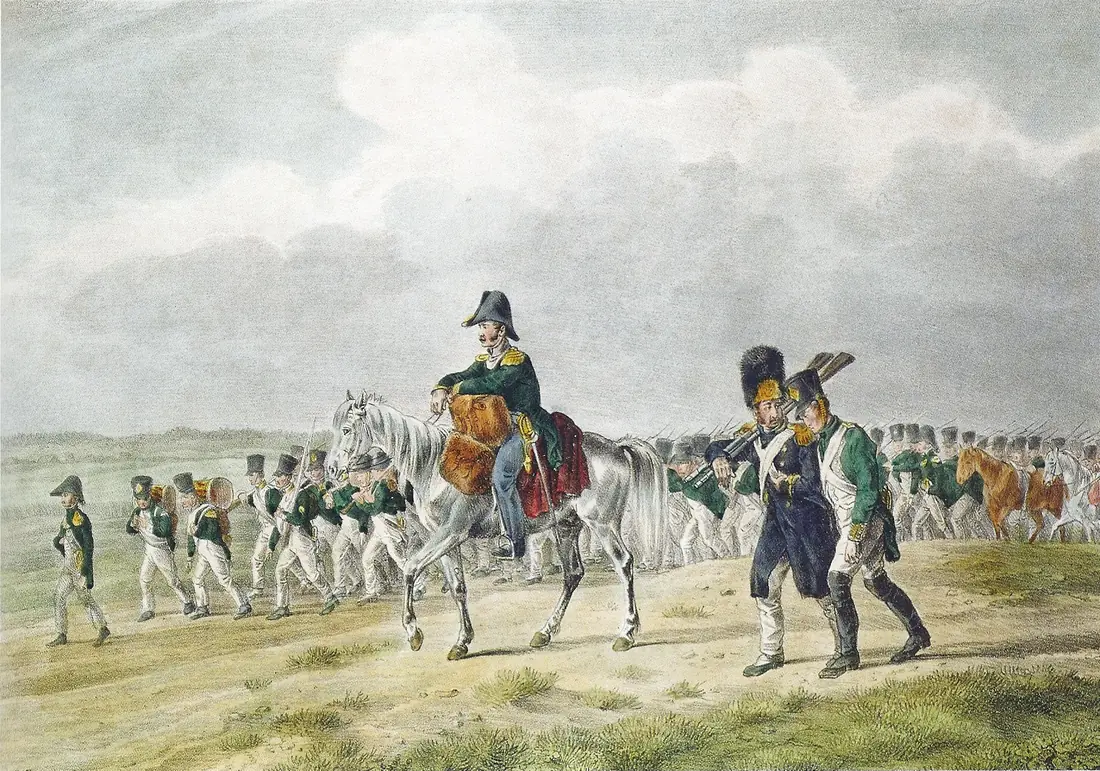
The Neman River, a tranquil waterway that flows gently through the heart of Europe, was about to become the threshold to one of the most disastrous military campaigns in history. As the sun rises over the river on June 24, 1812, Napoleon's Grande Armée, a force of over 600000 soldiers, stood poised on its western banks, ready to embark on the French invasion of Russia. The air was crisp and cool, with a hint of summer's warmth, as the soldiers prepared to cross the river, marking the beginning of a campaign that would prove to be a turning point in the Napoleonic Wars.
For months, Napoleon had been planning this invasion, driven by his desire to weaken Russia and bring it into his orbit. He had assembled a vast army, with troops from all corners of his empire, and had spent considerable time and resources preparing for the campaign. The Russian army, led by General Mikhail Kutuzov, was outnumbered, but it had the advantage of familiarity with the terrain and the harsh Russian weather. As the French army began to cross the Neman River, the Russians retreated, burning everything in their path, leaving the French to face a scorched earth and a formidable enemy.
The French army's crossing of the Neman River was a complex and laborious process, taking several days to complete. The river was wide and deep, and the French had to construct makeshift bridges and rafts to ferry their troops and equipment across. Despite these challenges, the French army made steady progress, driven by Napoleon's relentless energy and ambition. However, the Russians were not easily intimidated, and they continued to retreat, luring the French deeper into Russia.
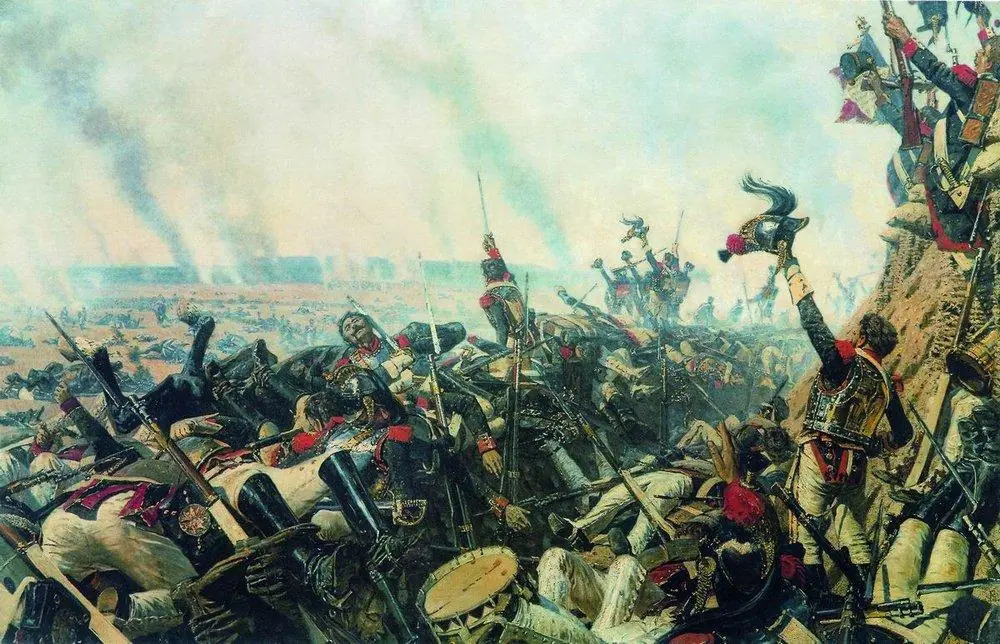
One of the most surprising aspects of the French invasion of Russia was the sheer scale of the army that Napoleon had assembled. With over 600000 soldiers, it was one of the largest armies in history, and it was equipped with the latest military technology. However, despite its size and firepower, the army was poorly prepared for the harsh Russian winter, and it lacked the supplies and logistics to sustain itself over the long distances. As the French army marched deeper into Russia, it began to suffer from hunger, disease, and exhaustion, weakening its ability to fight.
As the French army advanced, it encountered numerous challenges, from the treacherous terrain to the guerrilla warfare waged by the Russian peasants. The Russians used hit-and-run tactics, attacking the French flanks and rear, and then melting away into the countryside. The French army was frustrated by these tactics, and it began to suffer from low morale and discipline. Despite these challenges, Napoleon remained optimistic, convinced that he could still win a decisive victory and force the Russians to surrender.
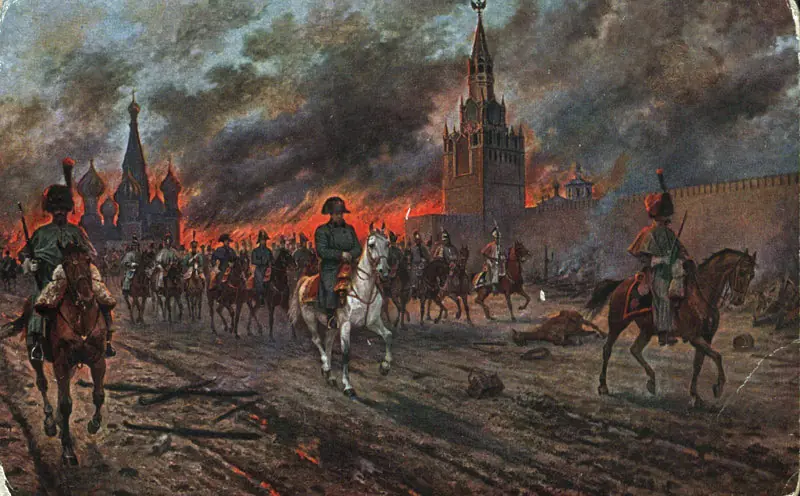
The French invasion of Russia was a disaster, with the French army suffering staggering losses. Of the 600000 soldiers who crossed the Neman River, only a fraction would return, and the campaign would prove to be a turning point in the Napoleonic Wars. As the French army retreated from Russia, it was clear that the invasion had been a catastrophic mistake, and that Napoleon's ambition had exceeded his grasp. The invasion would have far-reaching consequences, weakening Napoleon's power and paving the way for his eventual defeat.
The last image of the French invasion of Russia is one of utter devastation, with the French army in full retreat, and the Russians victorious. The Neman River, which had marked the beginning of the campaign, now marked its end, as the French army struggled to cross back to the safety of its own territory. As the survivors stumbled back across the river, they were met with the stark reality of their defeat, and the knowledge that they had been part of one of the most disastrous military campaigns in history.