Daily History
Politics & state

Title IX

Washington, D.C., USA
Title IX — Washington, D.C., USA
Image: Wikimedia Commons · Public domain

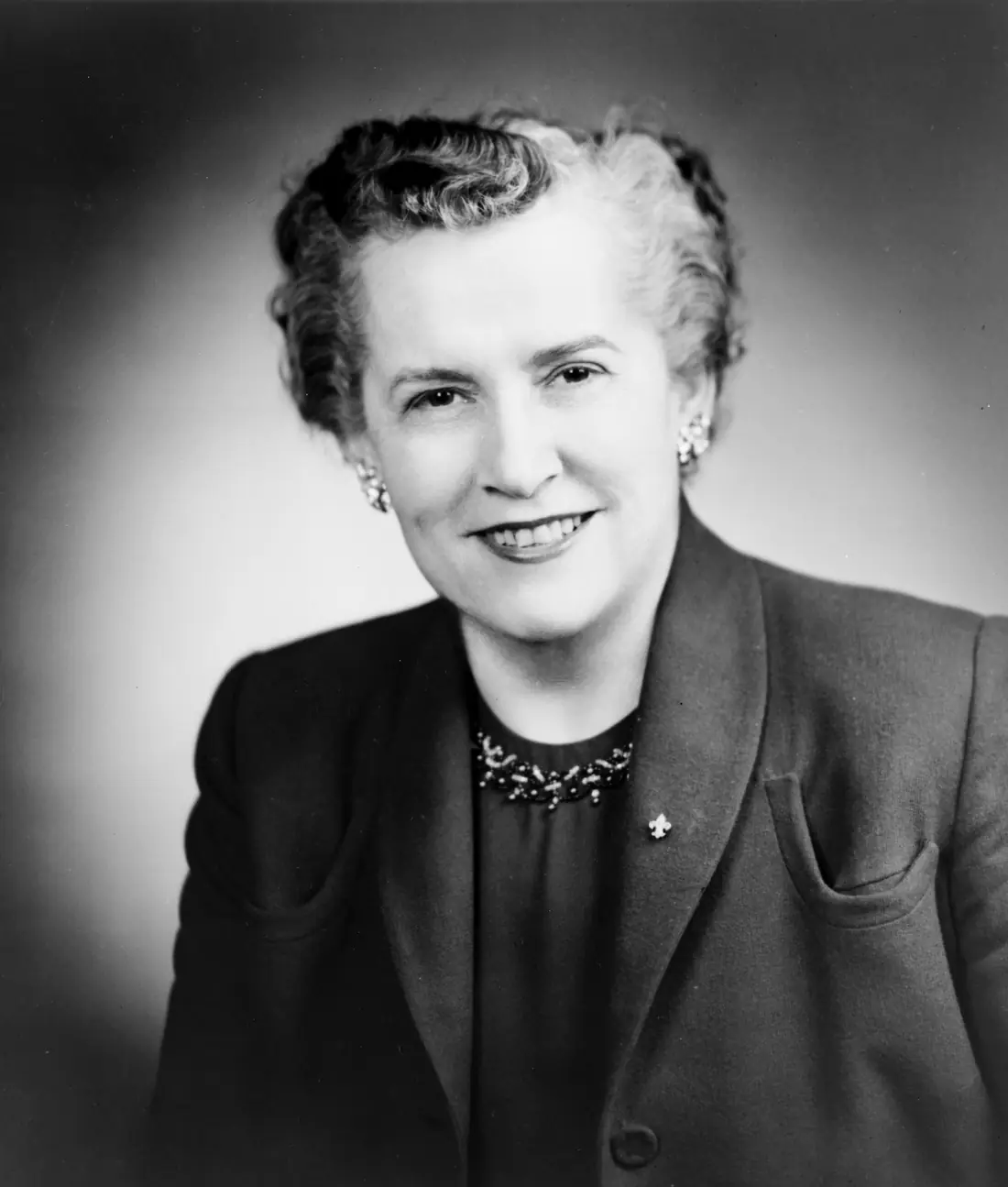
Edith Green, a congresswoman from Oregon, is speaking on the floor of the United States Congress, her voice firm and resolute as she argues for a law that will revolutionize the lives of millions of American women. She says, 'I think we should be careful about the implications of this amendment, but I think it is a very important step forward.' The law she is fighting for is Title IX, a simple 37 words that will have a profound impact on the country.

The year is 1972, and the United States is in the midst of a social revolution. The civil rights movement is in full swing, and women's rights are becoming a major issue. Title IX is a key part of this movement, as it prohibits any education program or activity that receives federal funding from discriminating against anyone based on sex. This means that schools and universities will no longer be able to deny women access to certain programs or activities, such as sports teams or classes.

As the law makes its way through Congress, it faces significant opposition. Many lawmakers believe that it will be too expensive to implement, and that it will lead to the demise of men's sports teams. Despite these concerns, the law passes, and on June 23, 1972, President Richard Nixon signs it into law. The impact is immediate, as schools and universities across the country begin to implement the new law. Women's sports teams spring up overnight, and women begin to gain access to programs and activities that were previously denied to them.

Title IX — Washington, D.C., USA
Image: Wikimedia Commons · Public domain

One of the most surprising facts about Title IX is that it was not originally intended to focus on sports. In fact, the law was designed to address the discrimination that women faced in education, particularly in fields such as science and engineering. However, as the law was implemented, it became clear that sports were a major area where women were being discriminated against. Today, Title IX is often associated with women's sports, and it has had a profound impact on the athletic opportunities available to women.

The numbers are striking: before Title IX, fewer than 300,000 girls participated in high school sports, and there were only about 30,000 women playing sports in college. Today, those numbers have increased to over 3 million girls playing high school sports, and over 200,000 women playing sports in college. The law has also had an impact on the professional sports world, as women's sports leagues such as the WNBA have sprung up.
Title IX — Washington, D.C., USA
Image: Wikimedia Commons · Public domain

As we look back on the passage of Title IX, it is clear that it was a major turning point in the struggle for women's rights. However, it is also important to remember that there is still much work to be done. Women continue to face discrimination in many areas, and the fight for equality is ongoing. The story of Title IX serves as a reminder that even the smallest actions can have a profound impact, and that the fight for equality is never truly won.

In the end, it is the small details that make the story of Title IX so fascinating. The fact that a simple 37 words could have such a profound impact on the country is a testament to the power of language and the importance of standing up for what is right. As we look to the future, it is clear that the legacy of Title IX will continue to be felt, inspiring future generations to fight for equality and justice.

Source: en.wikipedia.org/wiki/Title IX

Politics & state

United Kingdom European Union membership referendum

London, England

United Kingdom European Union membership referendum — London, England
Image: DFID - UK Department for International Development · CC BY 2.0

The sky was a deep grey on the morning of June 23, 2016, in London, England, with a light drizzle casting a melancholy mood over the city. As people sipped their coffee and checked their phones, they couldn't help but feel a sense of unease, like the calm before a storm. The United Kingdom was on the cusp of a historic decision, one that would alter the course of its future and that of the European Union. Nigel Farage, the leader of the UK Independence Party, stood outside the polling station, his voice hoarse from months of campaigning, as he urged voters to take back control of their country. The polls had been open for hours, and the atmosphere was tense, with many voters still undecided.

The question on everyone's mind was simple yet profound: should the United Kingdom remain a member of the European Union or leave it? The debate had been raging for months, with both sides presenting their arguments and counterarguments. David Cameron, the then-Prime Minister, had called the referendum in an attempt to settle the issue once and for all. As the day wore on, the rain subsided, and the sun broke through the clouds, casting a golden glow over the city. But beneath the serene surface, a maelstrom of emotions was brewing.

As the polls closed, and the counting began, the nation held its breath. The result was too close to call, with both sides claiming victory. But as the night wore on, it became clear that the Leave campaign had won, with 51.9% of the vote. The margin was slim, just over a million votes, but the implications were enormous. The pound plummeted, and the stock market fluctuated wildly, as the world struggled to come to terms with the news. Boris Johnson, a key figure in the Leave campaign, emerged from the shadows, his trademark blond hair disheveled, as he hailed the victory as a triumph for democracy.

United Kingdom European Union membership referendum — London, England
Image: Unknown photographer · OGL v1.0

The mechanism of the referendum was straightforward: a simple majority would decide the outcome. But the science behind it was more complex. The UK's electoral system is based on a first-past-the-post model, where the candidate or option with the most votes wins. In this case, the Leave campaign had managed to mobilize a significant portion of the electorate, particularly in the north of England and in Wales. The Remain campaign, on the other hand, had struggled to convince voters of the benefits of EU membership. As the results were announced, the room was filled with gasps and whispers, with some people crying and others cheering.

One surprising fact that emerged from the referendum was the significant difference in voting patterns between younger and older voters. According to a survey by the UK's National Centre for Social Research, 75% of voters aged 18-24 voted to Remain, while 61% of voters aged 65 and over voted to Leave. This generational divide has significant implications for the future of the UK and its relationship with the EU. As the night wore on, and the reality of the situation sank in, the atmosphere in the room became increasingly surreal. It was as if the country had collectively decided to take a leap of faith into the unknown.

United Kingdom European Union membership referendum — London, England
Image: Philafrenzy · CC BY-SA 4.0

As the dust settles, and the UK begins its journey out of the EU, one detail stands out: the irony that the referendum was called to settle the issue of EU membership once and for all, but it has instead created a whole new set of uncertainties. The UK's future relationship with the EU, the fate of the single market, and the status of EU citizens living in the UK are all still up in the air. As the country embarks on this uncharted journey, one thing is clear: the only constant is change, and the future is full of surprises.

Source: en.wikipedia.org/wiki/United Kingdom European Union membership referendum, 2016

Use the arrow keys to move between days

Browse the full archive →