Treaty of Versailles
Versailles, France
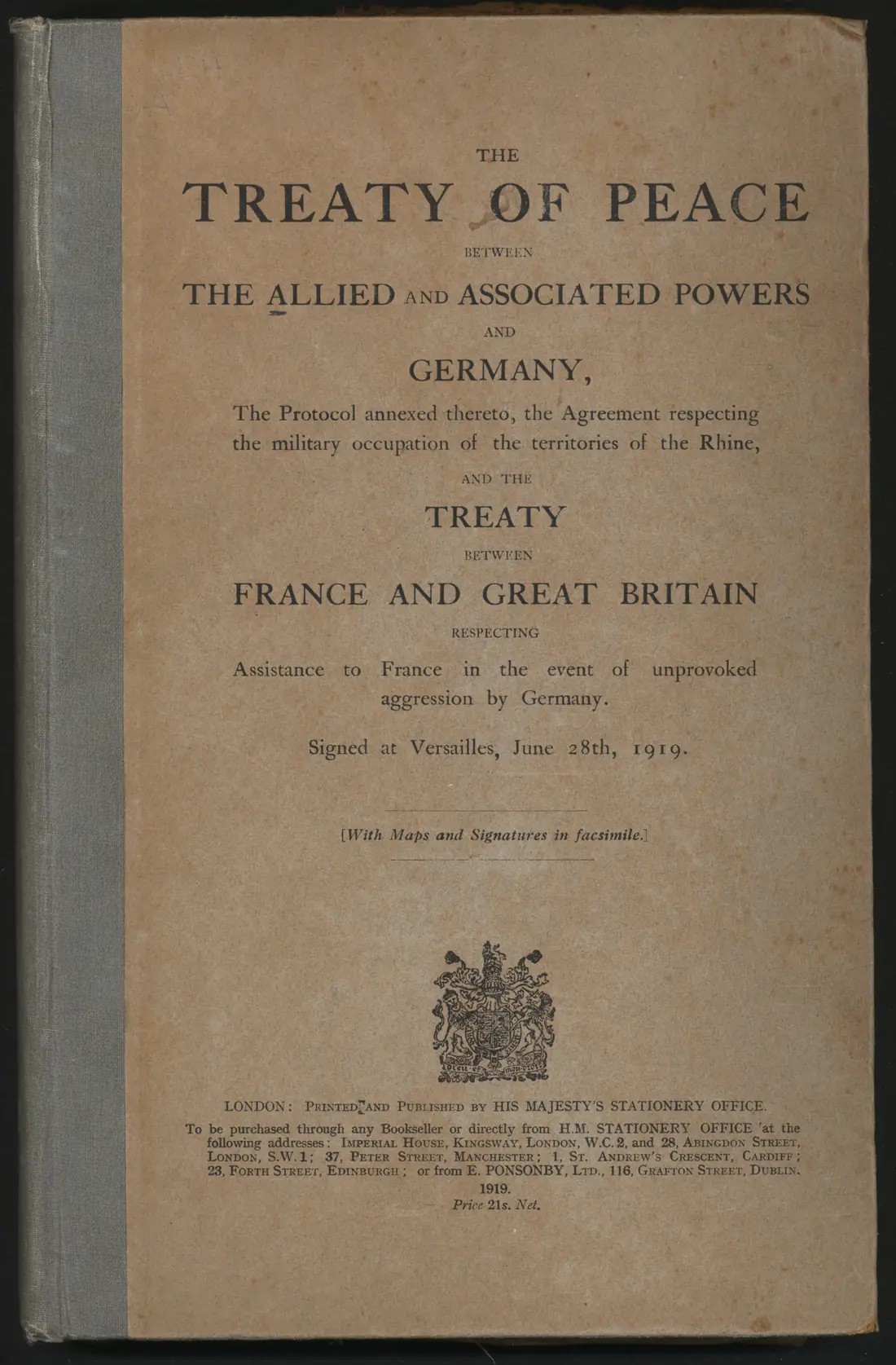
As the ink dries on the Treaty of Versailles, a sense of unease settles over the Hall of Mirrors in Versailles, France. The weight of the document, 75,000 words and 430 articles, is palpable, a physical manifestation of the hopes and fears of the nations gathered. Georges Clemenceau, the French Prime Minister, looks out over the assembly, his eyes narrowing as he considers the implications of the treaty. 'It is not a treaty of peace,' he remarks to a colleague, 'but a treaty which will lead to another war.'
The negotiations leading up to this moment have been long and arduous, with the Big Four – the United States, Great Britain, France, and Italy – each pushing for their own interests. For months, they have wrestled with the terms of the treaty, trying to balance the need for reparations with the desire to rebuild a shattered Europe. The result is a document that is both complex and contentious, with the potential to shape the course of world events for generations to come.
At the heart of the treaty is the concept of reparations, the idea that Germany should be held accountable for the costs of the war. The numbers are staggering: 132 billion gold marks, a sum that is nearly three times the annual GDP of Germany. It is a burden that will cripple the German economy, leading to widespread poverty and resentment. As the economist John Maynard Keynes will later note, the treaty is a 'Carthaginian peace,' one that will sow the seeds of future conflict.
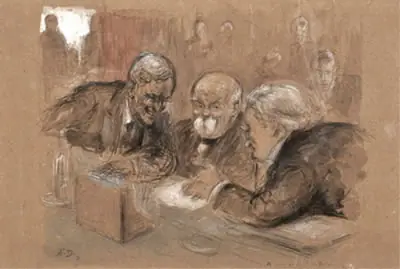
As the delegates sign the treaty, a sense of relief washes over them. They have achieved what they set out to do: to bring an end to the war and establish a new world order. But amidst the celebration, there are whispers of doubt. What will be the long-term consequences of this treaty? Will it bring the stability and security that the world so desperately needs, or will it create new tensions and conflicts? Only time will tell.
The Treaty of Versailles is a document of contradictions, a testament to the complexities and challenges of international relations. As the world looks on, it is clear that this is not the end of the story, but merely the beginning. The real work is only just starting, as nations struggle to come to terms with the new reality of the post-war world. And in the shadows, the ghosts of the past continue to lurk, waiting to pounce on the instability and uncertainty that the treaty has created.