
Daily History
Exploration

Jacques Cartier's arrival in the Gulf of St. Lawrence

Gulf of St. Lawrence, Canada

Jacques Cartier's arrival in the Gulf of St. Lawrence — Gulf of St. Lawrence, Canada
Image: Théophile Hamel / After François Nicholas Riss · CC BY-SA 4.0

As Jacques Cartier's ships emerge from the fog, the vast expanse of the Gulf of St. Lawrence unfolds before him, a sight that will change the fate of nations.

Cartier's journey to the New World is not just a voyage of discovery, but a calculated attempt to find a northwest passage, a water route that would give France a significant advantage in the spice trade. With two ships, the Grande Hermine and the Petite Hermine, and a crew of 61 men, Cartier sets out to chart the unexplored waters of North America.

The journey is not without its challenges, as Cartier navigates treacherous waters and encounters the indigenous people of the region. He meets Donnacona, the chief of the St. Lawrence Iroquois, who tells Cartier about the existence of two great rivers, the St. Lawrence and the Saguenay. Cartier is convinced that these rivers hold the key to finding the northwest passage and sets out to explore them. Of the 61 men who set out on this journey, only a handful will return, and their stories will shape the course of history.
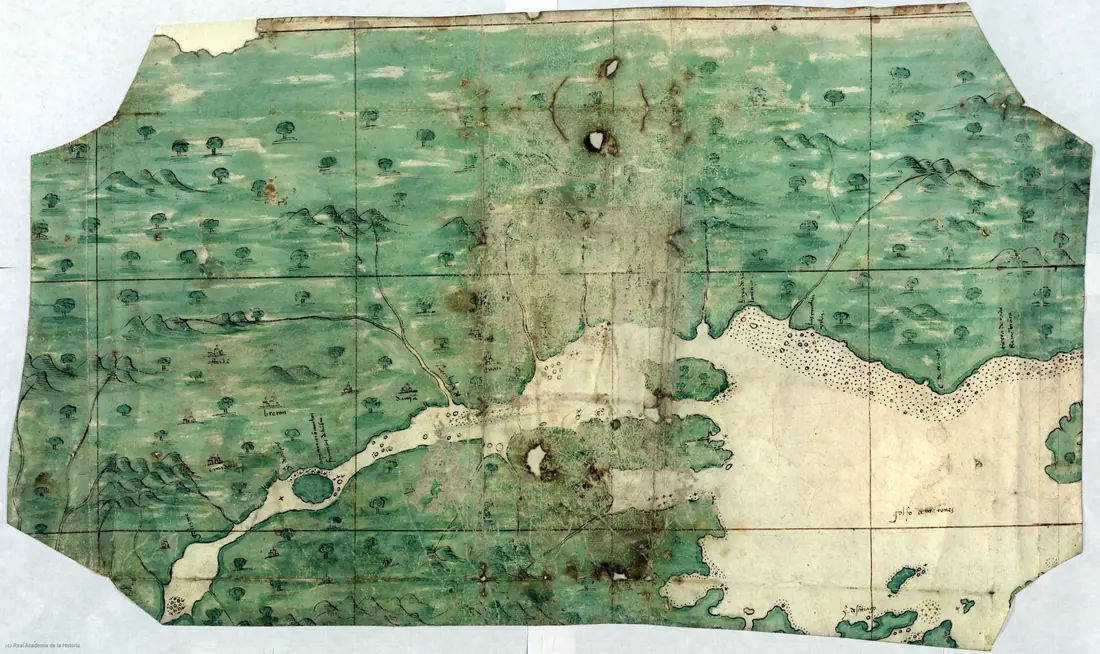
Jacques Cartier's arrival in the Gulf of St. Lawrence — Gulf of St. Lawrence, Canada
Image: Anónimo, siglo XVI, España · Public domain

One of the most surprising facts about Cartier's journey is that he takes two indigenous boys, Domagaya and Taignoagny, back to France with him. The boys are the sons of Donnacona, and Cartier hopes to use them as interpreters on his next voyage. This decision will have far-reaching consequences, as the boys will play a crucial role in Cartier's future expeditions. Cartier's voyages will also have a devastating impact on the indigenous population, as the introduction of European diseases will decimate their numbers.

Cartier's journey is not just a story of exploration, but also a story of human curiosity and ingenuity. As he navigates the uncharted waters of the Gulf of St. Lawrence, he is driven by a desire to discover new lands and to unlock the secrets of the New World. His journey is a testament to the power of human exploration and the boundless possibilities that await those who dare to venture into the unknown.
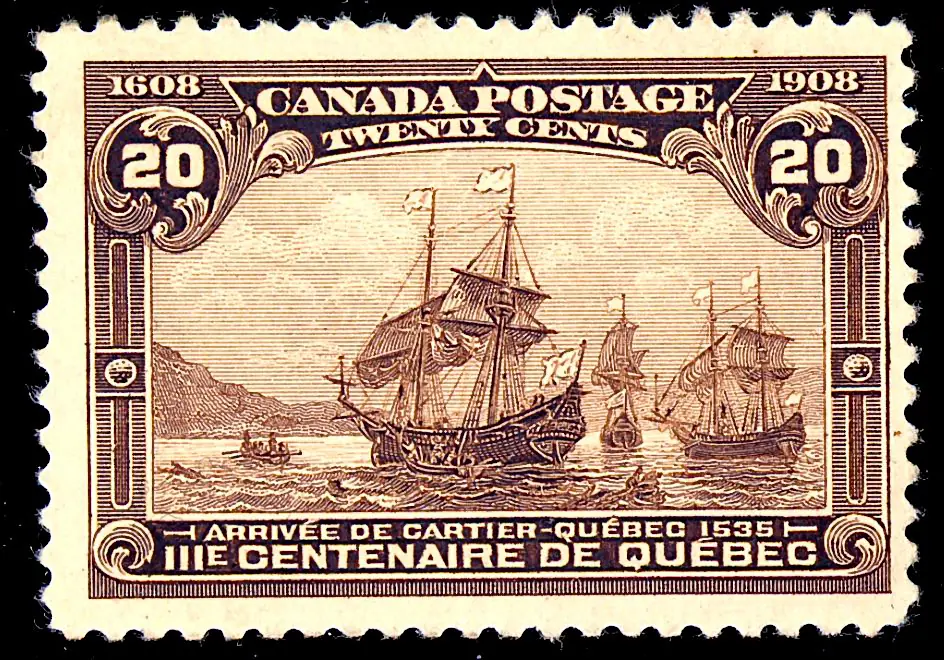
Jacques Cartier's arrival in the Gulf of St. Lawrence — Gulf of St. Lawrence, Canada
Image: Canada Post Office · Public domain

As Cartier's ships sail back to France, they carry with them a wealth of knowledge and a newfound understanding of the New World. The journey may have been fraught with danger, but it has also opened up new possibilities for trade and exploration. And as Cartier looks out at the vast expanse of the ocean, he knows that he has only scratched the surface of the secrets that the New World holds, and he is already planning his next voyage.


Source: en.wikipedia.org/wiki/Jacques Cartier

Technology

Release of the iPhone

Cupertino, California, USA

Release of the iPhone — Cupertino, California, USA
Image: ArnoldReinhold · CC BY-SA 4.0

Steve Jobs is walking onto the stage at the Macworld conference in San Francisco, wearing his signature black turtleneck and jeans, and the audience is about to witness something that will revolutionize the way people interact with technology. The day before, June 28, 2007, the world was a very different place - people were using flip phones, BlackBerry devices, or Nokia phones with tiny keyboards, and the idea of having a powerful computer in the palm of your hand was still a fantasy.

Jobs is now holding up a sleek, shiny device that looks like a cross between an iPod and a phone, and he's announcing the iPhone, a product that Apple Inc. had been secretly working on for years. The iPhone was not just a phone, but a mobile computer that could access the internet, play music and videos, and run third-party applications. It was a game-changer, and the crowd is going wild as Jobs demonstrates the iPhone's multi-touch interface, pinch-to-zoom feature, and mobile app store.

What's remarkable about the iPhone's release is that it was not just a product launch, but a cultural phenomenon. Over 6 million iPhones were sold in the first year alone, and the device quickly became a status symbol, with people lining up around the block to get their hands on one. The iPhone also spawned a whole new ecosystem of mobile apps, with over 500,000 apps available in the App Store by 2011, and this number has since grown to over 2 million. As Jobs said during the launch event, 'Today, Apple is going to reinvent the phone,' and boy, did they deliver.

Release of the iPhone — Cupertino, California, USA
Image: Janitors · CC BY 2.0

One surprising fact about the iPhone's development is that it was initially conceived as a tablet computer, but Jobs decided to shrink it down to a phone-sized device. The iPhone's touchscreen interface was also inspired by a device called the FingerWorks iGesturePad, which was a touchscreen trackpad designed for computers. The iPhone's impact on the technology industry was so significant that it forced other companies to rethink their product strategies, with Google releasing the Android operating system in 2008, and Microsoft releasing the Windows Phone in 2010.

As we look back at the iPhone's release, it's fascinating to see how it has changed the way we live, work, and interact with each other. The iPhone has become an indispensable tool for many people, with over 1.5 billion iPhones sold worldwide since its release. The iPhone has also had a profound impact on various industries, from music and film to healthcare and finance, and it's hard to imagine a world without it. And yet, as we celebrate the iPhone's anniversary, we're reminded of the fleeting nature of technology - the iPhone that was once the epitome of innovation is now just one of many smartphones on the market, and its legacy is a testament to the ever-changing landscape of the tech world.

Release of the iPhone — Cupertino, California, USA
Image: 人工知能 · CC BY-SA 4.0

Source: en.wikipedia.org/wiki/iPhone

Use the arrow keys to move between days

Browse the full archive →