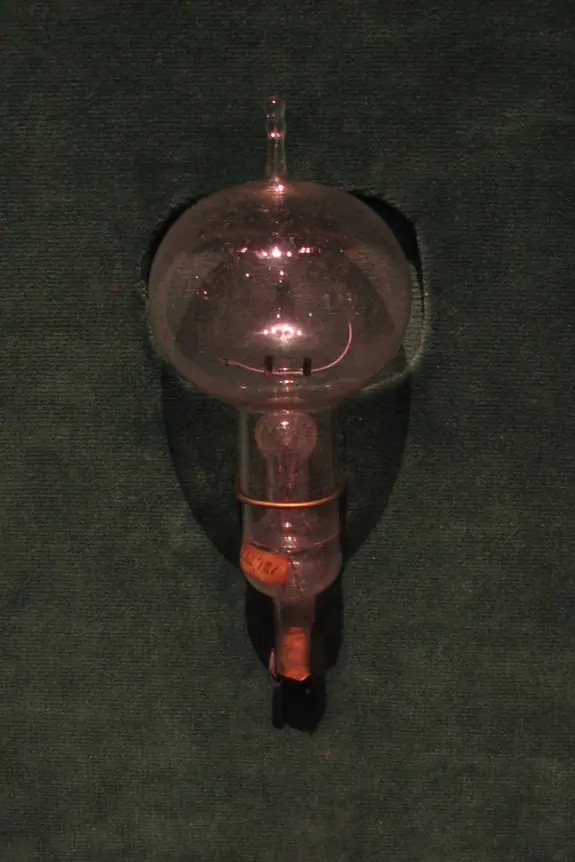
On October 22, 1879 Thomas Edison demonstrated a carbon‑thread incandescent lamp that remained lit for more than thirteen hours, showing that electric lighting could operate continuously under practical conditions.
Before the test, electric illumination was limited to short‑lived filaments made of platinum or carbonized bamboo, which burned out after a few minutes and required frequent replacement. The prevailing belief among manufacturers was that a durable filament could not be produced without sacrificing brightness or consuming excessive power, so most factories continued to rely on gas lamps for street and indoor lighting.
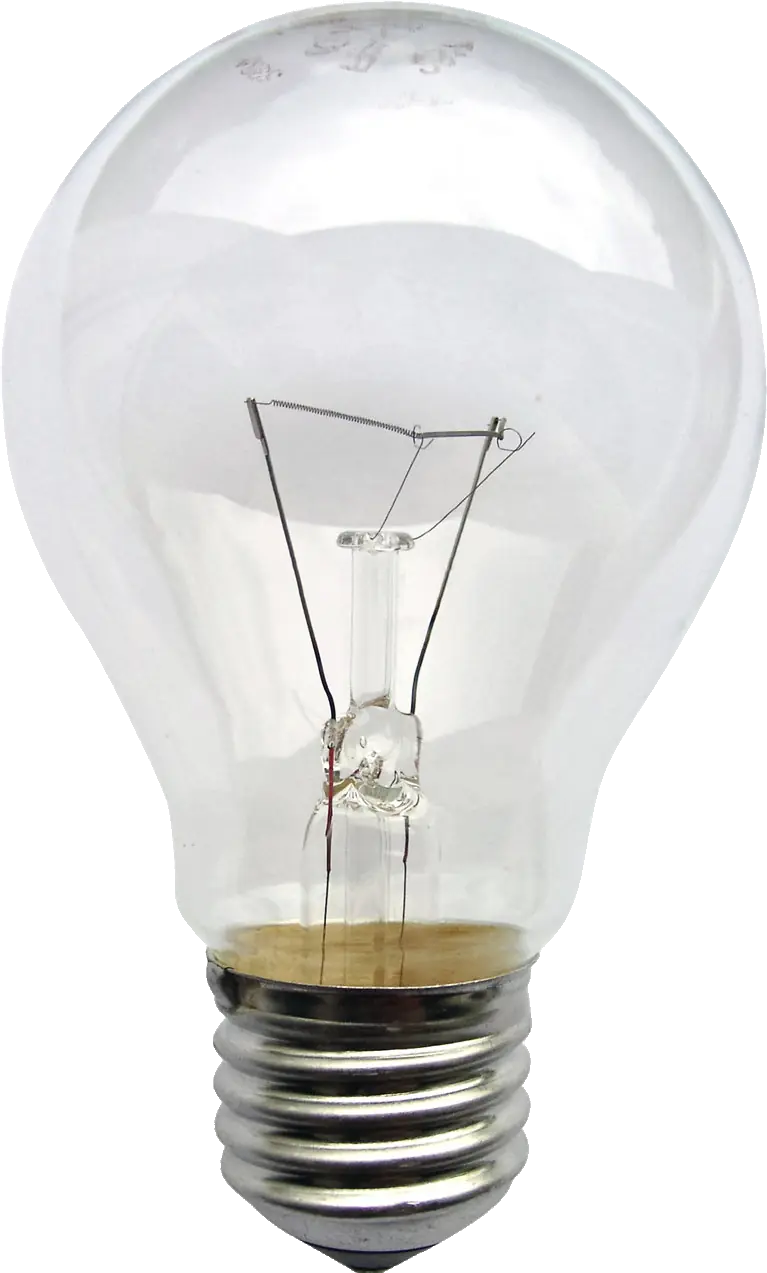
Edison’s laboratory at Menlo Park assembled a high‑vacuum glass bulb, a carbonized cotton thread of approximately 0.025 mm diameter, and a direct current supply of 110 volts. The vacuum reduced oxygen, preventing rapid oxidation of the carbon. When current passed through the filament, its temperature rose to about 2 000 °C, causing it to emit a steady white glow. The carbon thread’s resistance, roughly 250 ohms, limited the current to 0.44 amperes, which kept power consumption near 48 watts, comparable to a modern household bulb. By maintaining the vacuum at 0.001 atmosphere, the filament avoided the rapid evaporation that had plagued earlier designs.
Edison recorded the uninterrupted illumination for thirteen hours and forty minutes, noting that the filament’s brightness declined by less than ten percent during that period. The result convinced the United States Patent Office to grant Edison U.S. Patent 223,898 for an “Improvement in Electric Lamps” on January 27, 1880. Competitors such as Joseph Swan in England were developing similar carbon filaments, but Edison’s systematic approach to filament preparation, vacuum pumping, and electrical regulation gave his company a commercial advantage.
The immediate effect was the formation of the Edison Electric Light Company, which began installing electric lighting systems in New York City by 1882. Within five years, over 200,000 incandescent lamps were in use in the United States, replacing an estimated 3 million gas lamps and reducing indoor fire hazards by roughly 15 percent. The success of the carbon‑thread lamp also spurred research into alternative filament materials, leading eventually to tungsten filaments that further improved efficiency.
Edison’s 1879 demonstration therefore marked the transition from experimental, short‑lived electric lamps to a durable, mass‑produced technology that reshaped urban illumination and created the modern electric utility industry.
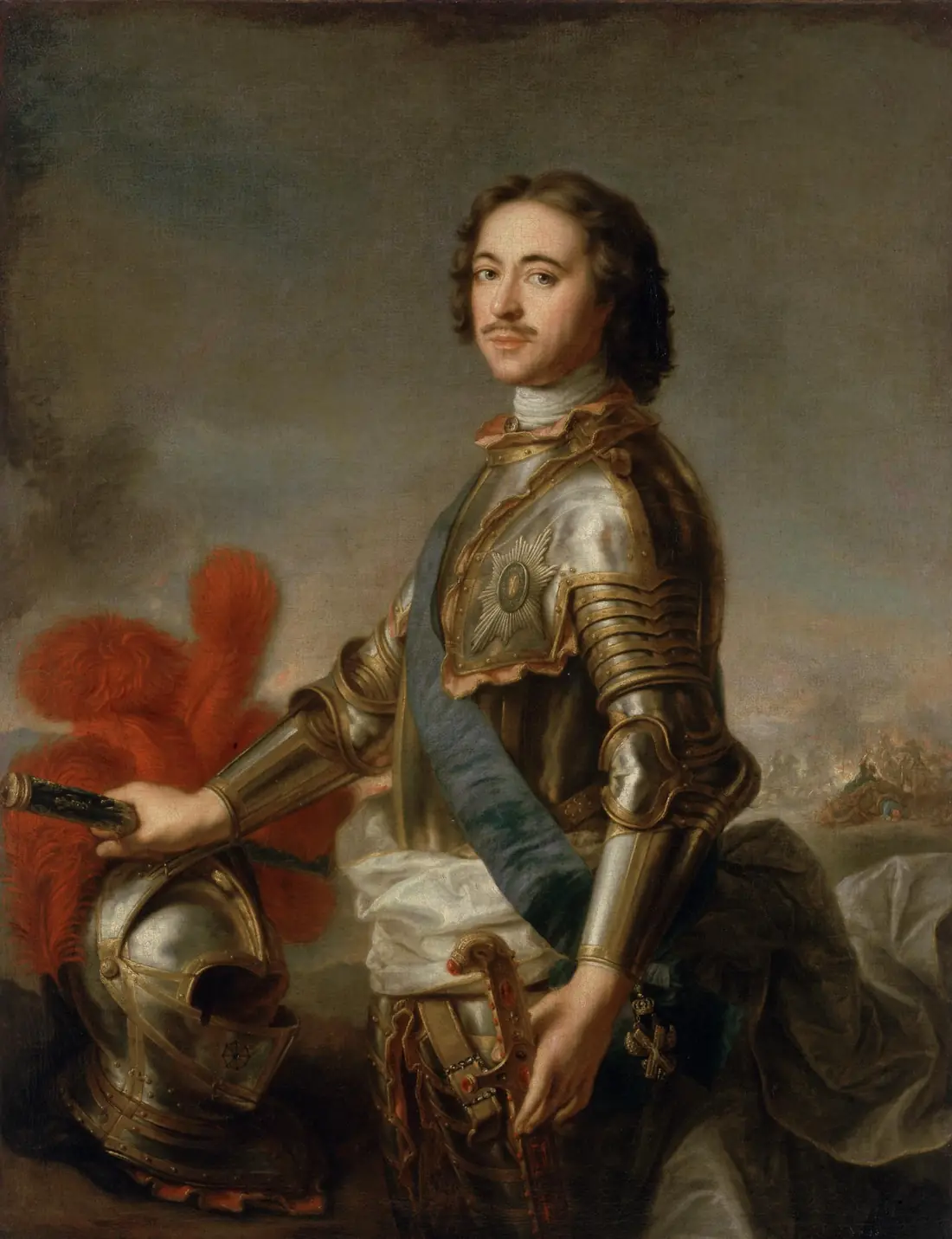
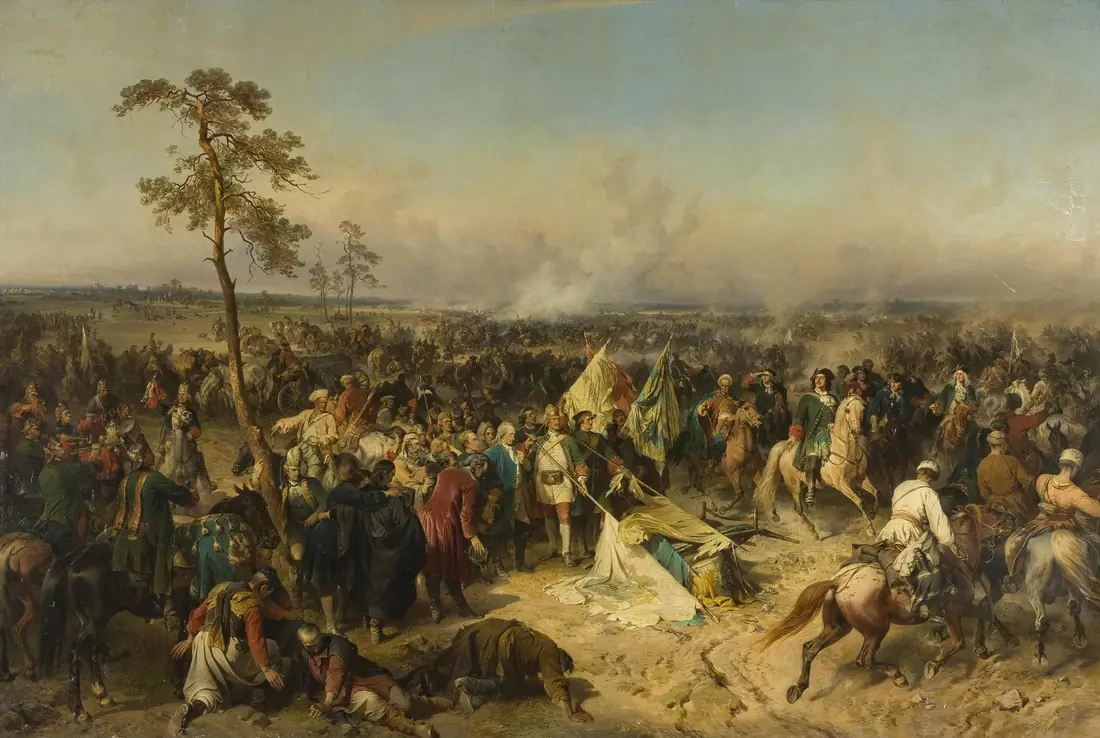
Peter the Great declared the Russian Empire on 22 October 1721, converting the Tsardom into a formal empire after the Great Northern War. The war, fought from 1700 to 1721, pitted Russia against Sweden for control of the Baltic Sea. Russian forces, initially outnumbered, grew to about 300 000 men by 1709, while Sweden fielded roughly 120 000 at its peak. The decisive Battle of Poltava in 1709 destroyed the Swedish army, killing 8 000 and capturing 10 000, and forced King Charles XII XIII into exile. Victory gave Russia access to ports such as Riga and Tallinn, securing trade routes that had been blocked for centuries.
The proclamation was not merely a title change; it required a legal act. The Senate issued a decree stating that Peter was now "Emperor of all the Russias, " a phrase that linked Muscovy, Siberia, and newly acquired Baltic territories under a single sovereign. By invoking the Roman imperial model, Peter signaled that Russia now considered itself equal to the European great powers. The new imperial structure also created a College of War and a Table of Ranks, which tied noble status to state service rather than birth. This bureaucratic reform meant that a commoner could reach the rank of general if he served the state long enough, a concept previously unimaginable in Russian society.
The empire’s creation forced a redistribution of resources. The war had cost an estimated 30 million rubles, financed by heavy taxation of peasants and the newly instituted poll tax of 1 ruble per male adult. The fiscal strain contributed to a series of peasant uprisings, most notably the 1725 Bulavin Rebellion, which claimed about 2 000 lives before suppression. At the same time, the new status attracted foreign craftsmen, engineers, and military advisors, increasing the number of European specialists in Russia from 500 in 1700 to over 3 000 by 1725. Their expertise accelerated shipbuilding, resulting in 25 new warships launched between 1720 and 1725, a fleet size that made Russia the third largest naval power after Britain and France.
The imperial proclamation altered the balance of power in Europe. The Treaty of Nystad, signed in September 1721, ceded Swedish territories including Ingria, Livonia, and Estonia to Russia, expanding its land area by roughly 200 000 km². This shift turned the Baltic from a Swedish sphere into a Russian one, allowing Russia to dominate trade in grain and timber for the next century. The empire’s existence set the stage for later reforms, including the 1762 emancipation of the serfs in Baltic provinces, and it established a model of autocratic modernization that persisted until the 1917 revolution.
Before 1884 each nation used its own reference line for longitude, causing ship logs and telegraph schedules to differ. The United Kingdom had long promoted the Greenwich line because its navy and merchant fleet already recorded positions from the Royal Observatory. The United States, France, and many other states used rival meridians such as Washington, Paris, and Ferro, which meant that a chart made in one country could not be directly compared with one made elsewhere. By the 1870s the growth of international rail and telegraph networks made the lack of a common zero longitude a practical obstacle for commerce and scientific measurement.
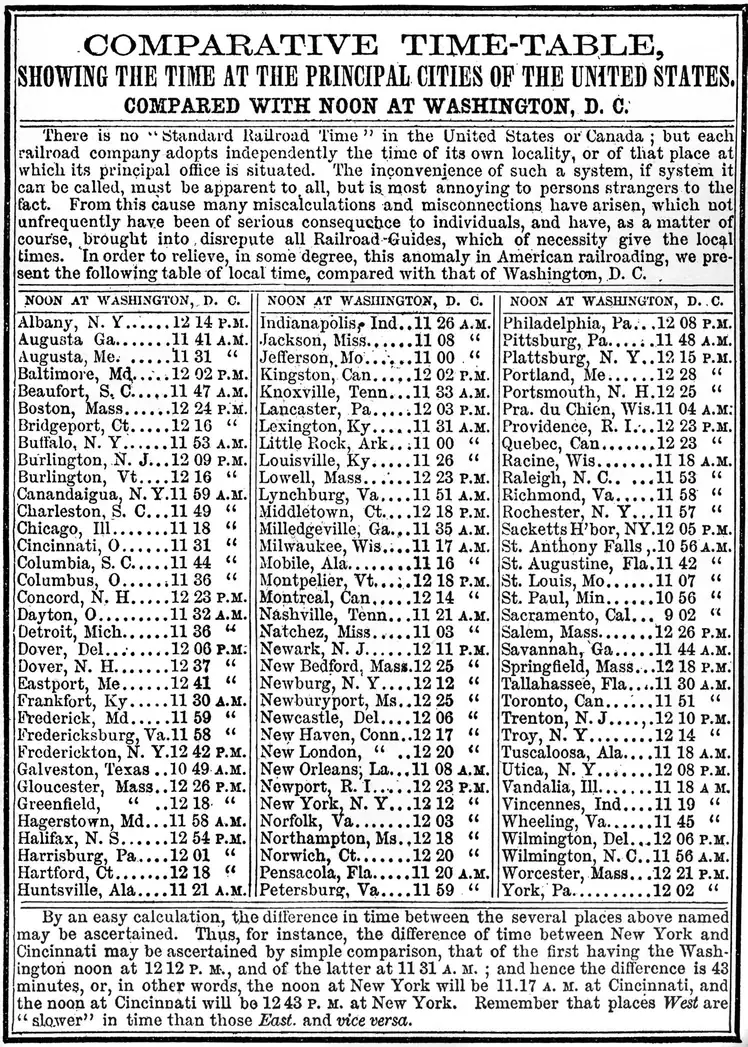
The International Meridian Conference convened in Washington, D.C., on October 22, 1884, at the invitation of President Chester A. Arthur. Delegates from 25 nations attended, representing 71 percent of the world’s shipping tonnage. The agenda required a vote on a single prime meridian and on the adoption of a 24‑hour time‑zone system. Sir Sandford Fleming of Canada presented the case for a universal prime meridian, emphasizing that Greenwich already served as the reference for most nautical charts. The French delegation, led by Henri de la Croix, argued for the Paris meridian but ultimately accepted the need for a single line.
The conference adopted a resolution that established the Greenwich meridian as the international prime meridian. The vote was 22 in favor, two against, and one abstention. The resolution also recommended a standard time system dividing the globe into 24 zones each 15 degrees of longitude wide, though the time‑zone rule was not binding. After the vote, the United States signed the declaration on behalf of its government, and other signatories issued notices to replace their national meridians with Greenwich in official publications.
The decision immediately simplified the production of nautical almanacs and railway timetables. By 1900 most national hydrographic offices had reprinted charts using Greenwich coordinates, and the International Telegraph Union incorporated the prime meridian into its standards. The adoption also paved the way for the later establishment of Coordinated Universal Time in the 20th century, providing a single reference for global communication and navigation.
The 1884 conference therefore resolved a long‑standing inconsistency in geographic measurement by selecting a single zero longitude, enabling precise coordination of international travel, trade, and scientific observation.
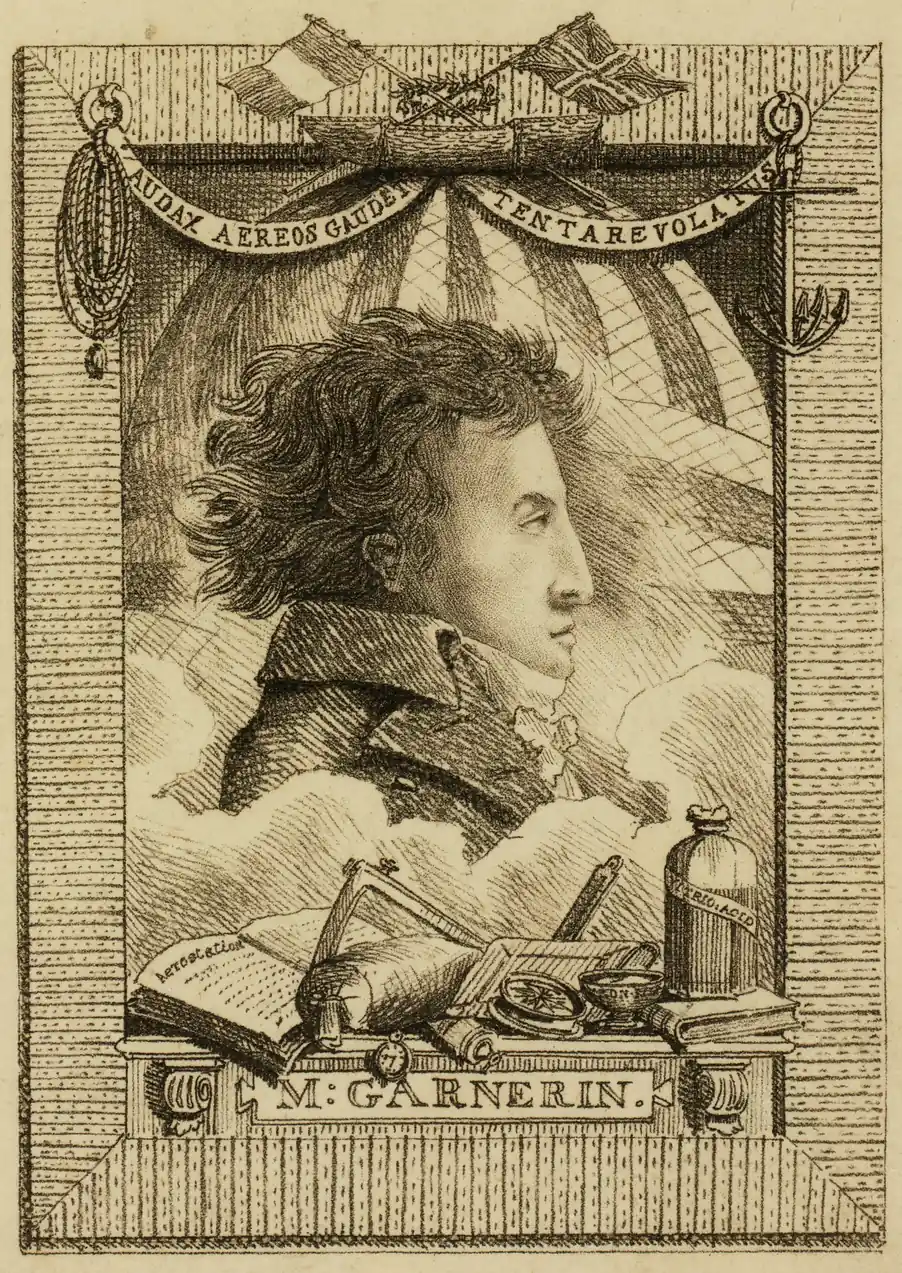
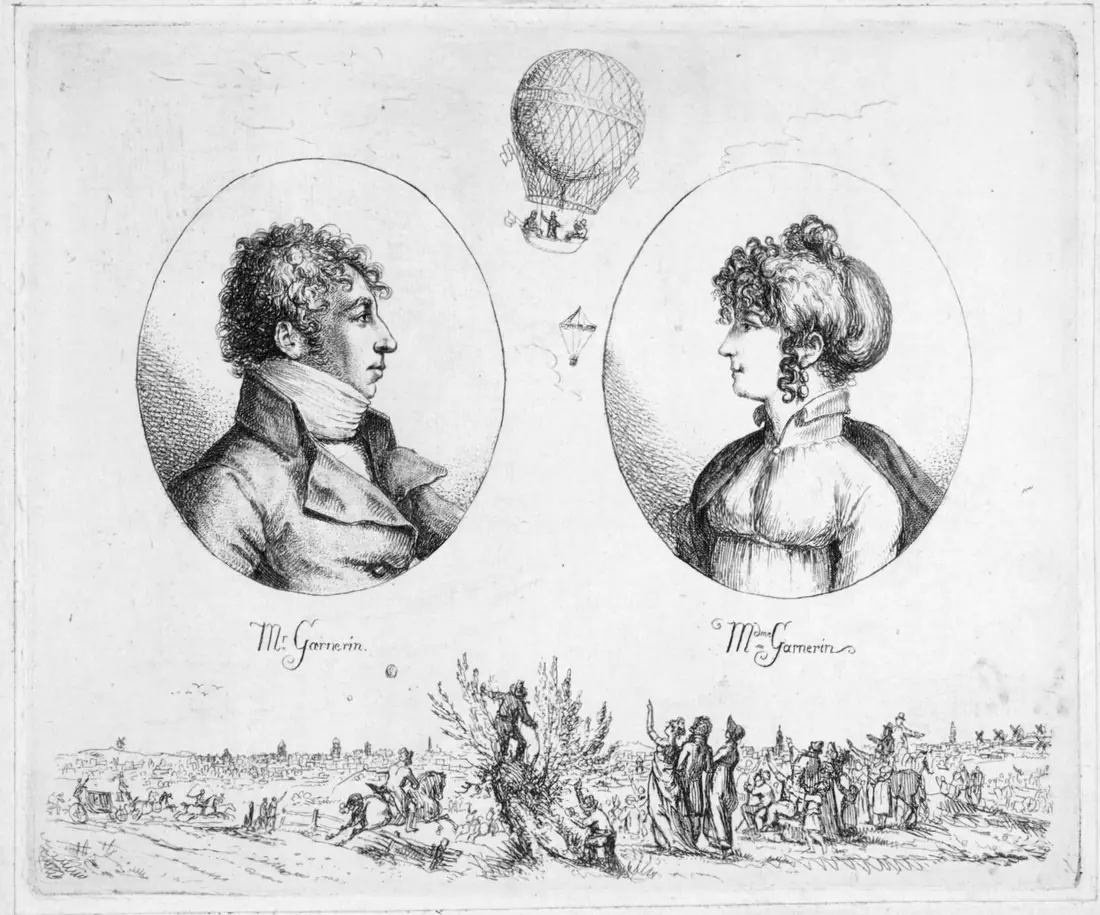
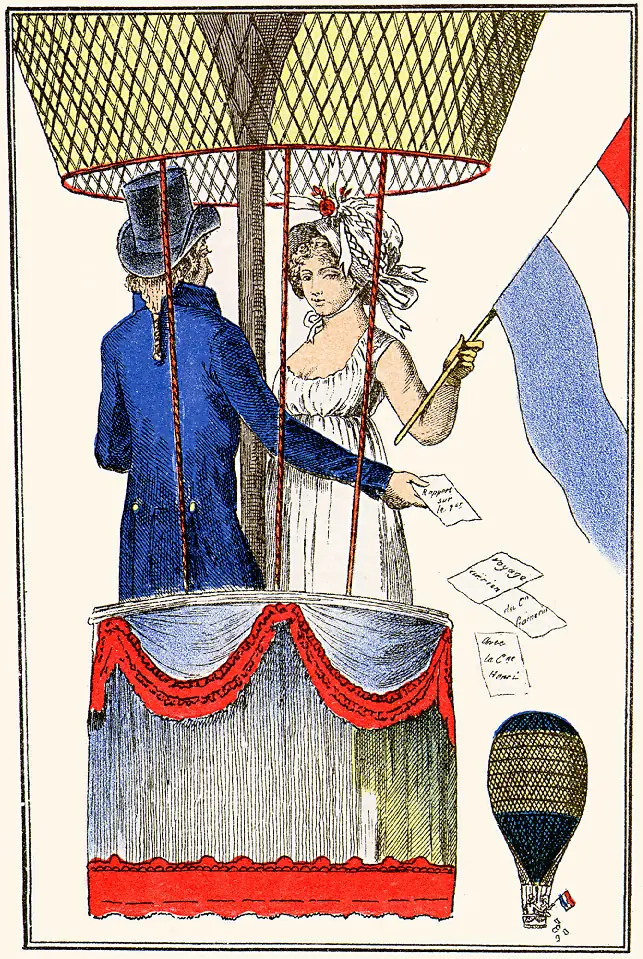
André‑Jacques Garnerin, a 30‑year‑old French aeronaut, attached a silk canopy to a hydrogen balloon and descended by parachute over Paris on 22 October 1797. The parachute measured 23 feet in diameter, was made of white canvas reinforced with ribbing, and was secured to the balloon basket by a single rope. Garnerin’s aim was to demonstrate a controlled descent from altitude, a concept previously only theorised in ballooning circles.
The experiment was organised by the French Academy of Sciences, which had issued a written invitation on 5 October 1797 requesting a public demonstration of a “safety device for balloonists”. The Academy appointed the chemist Antoine Lavoisier as technical advisor; Lavoisier inspected the fabric and confirmed that the canvas could withstand the estimated 10 kg of air resistance at the planned altitude of 3 000 feet. The balloon, inflated with 1 200 cubic metres of hydrogen, was provided by the balloonist Jacques Charles, who supplied the envelope and gas for a fee of 1 200 francs.
Garnerin entered the basket with a weighted sandbag of 12 kilograms to stabilise the descent. At 3 000 feet he released the rope holding the parachute, allowing the canopy to fill with air. The descent lasted approximately 90 seconds and covered a horizontal distance of 1 200 metres before landing safely in the courtyard of the Hôtel de Ville. No injuries were reported, and the sandbag was recovered intact. Contemporary accounts by the newspaper Le Moniteur recorded the event as “a successful trial of a device that may save the lives of aeronauts”.
The success prompted the Academy to issue a report on 3 November 1797 recommending further development of parachute designs for military and civilian use. Garnerin received a prize of 2 000 francs from the Academy and a commission from the French government to test larger parachutes for potential application in artillery observation. Within two years he performed additional jumps from heights up to 10 000 feet, refining the canopy shape and introducing a vent at the apex to improve stability. These experiments directly influenced the adoption of parachutes by the French army during the Napoleonic Wars, where they were used for emergency descent of observation balloons.
Garnerin’s 1797 jump established the practical feasibility of parachutes, shifting the perception of balloon travel from a reckless spectacle to a discipline with safety mechanisms. The event laid the groundwork for modern parachuting, a field that now includes military, sport and emergency applications worldwide.
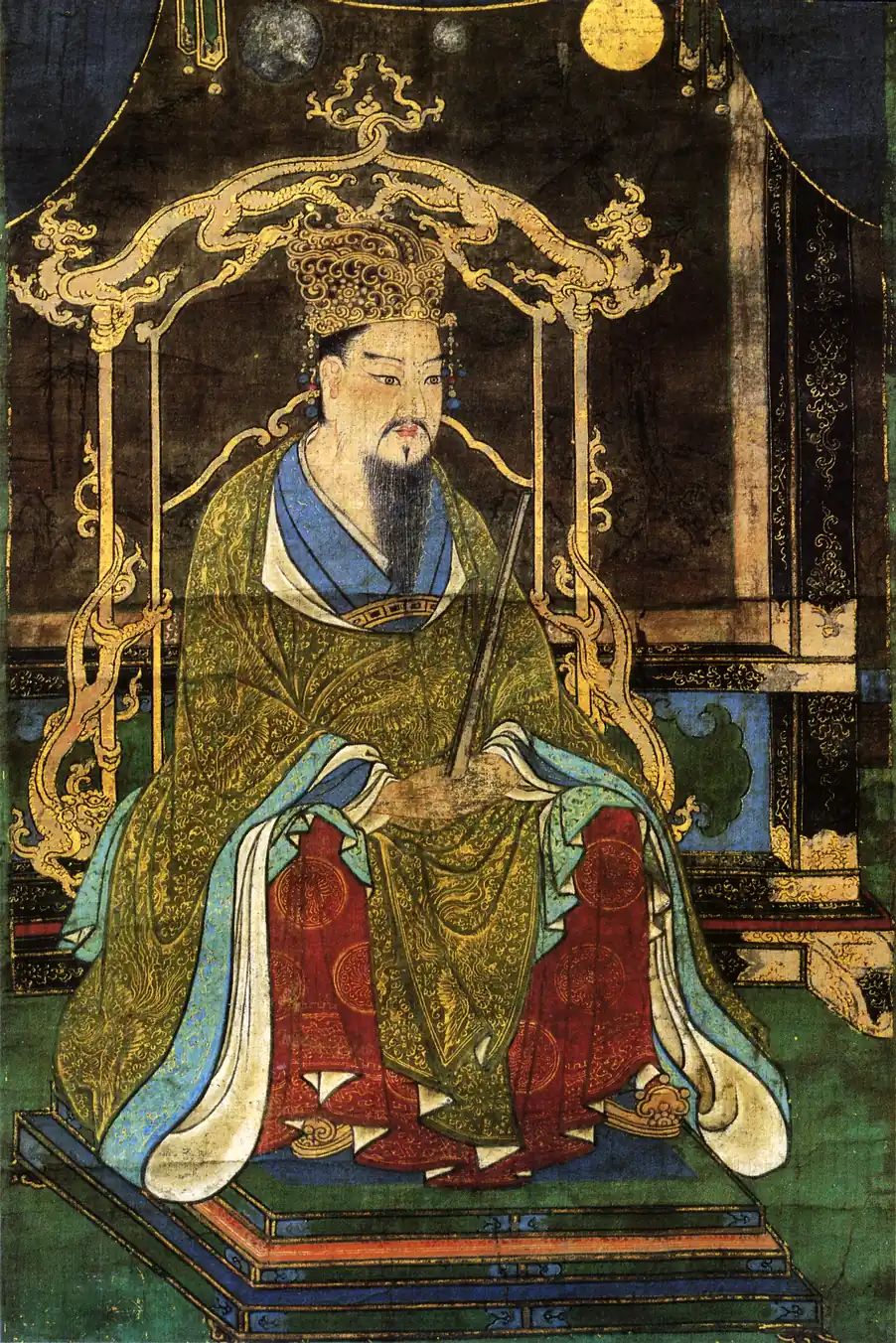
Emperor Kanmu ordered the relocation of Japan's capital from Nara to a new site called Heian-kyō in 794. The move was motivated by the desire to reduce the influence of powerful Buddhist temples that had become entrenched in Nara's political life and to place the court in a location that could be more easily controlled by the imperial administration.
Kanmu selected a site on the former estate of the powerful Fujiwara family, near the Kamo and Katsura rivers, because the terrain allowed for a grid plan modeled on the Chinese capital Chang'an. The new city was laid out with broad avenues, designated residential districts for aristocrats, and separate zones for government offices and markets. Construction began in early 794 and was completed within a few months, allowing the emperor to move his residence and the central bureaucracy to the new capital.
The relocation affected the aristocratic class, the Buddhist clergy, and the common populace. Approximately 5,000 court officials, their families, and supporting staff moved to Heian-kyō, creating a concentration of political power that would dominate Japanese governance for the next four centuries. At the same time, the move diminished the economic base of Nara's temples, which had owned large tracts of land and collected substantial tax revenues. By removing the court, Kanmu reduced the temples' ability to intervene in state affairs, a shift that altered the balance between religious and secular authority.
In the decades after the move, Heian-kyō developed into a cultural centre where the aristocracy produced the literary works and court customs that define the classical Japanese era. The city's design facilitated the growth of a bureaucratic system based on hereditary offices, which reinforced the power of the Fujiwara clan. By the end of the 9th century, more than half of Japan's elite households were situated in Heian-kyō, and the city housed an estimated 100,000 residents, a significant proportion of the nation's population at the time.
The capital remained in Heian-kyō until 1868, when the Meiji Restoration moved the seat of government to Tokyo. The decision to establish Heian-kyō thus set a precedent for long‑term urban centralization and shaped the political, religious, and cultural structures of medieval Japan for over a millennium.