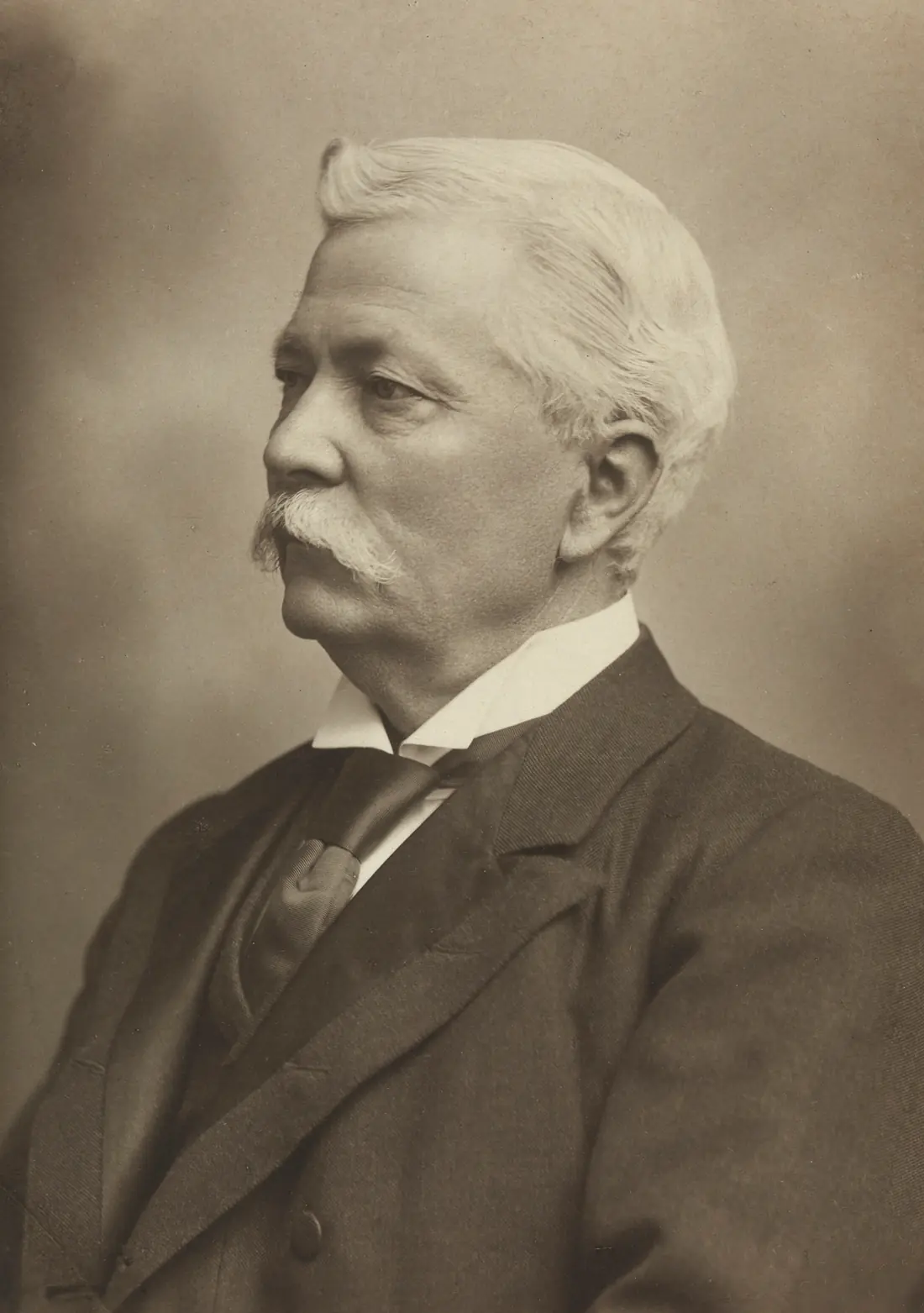
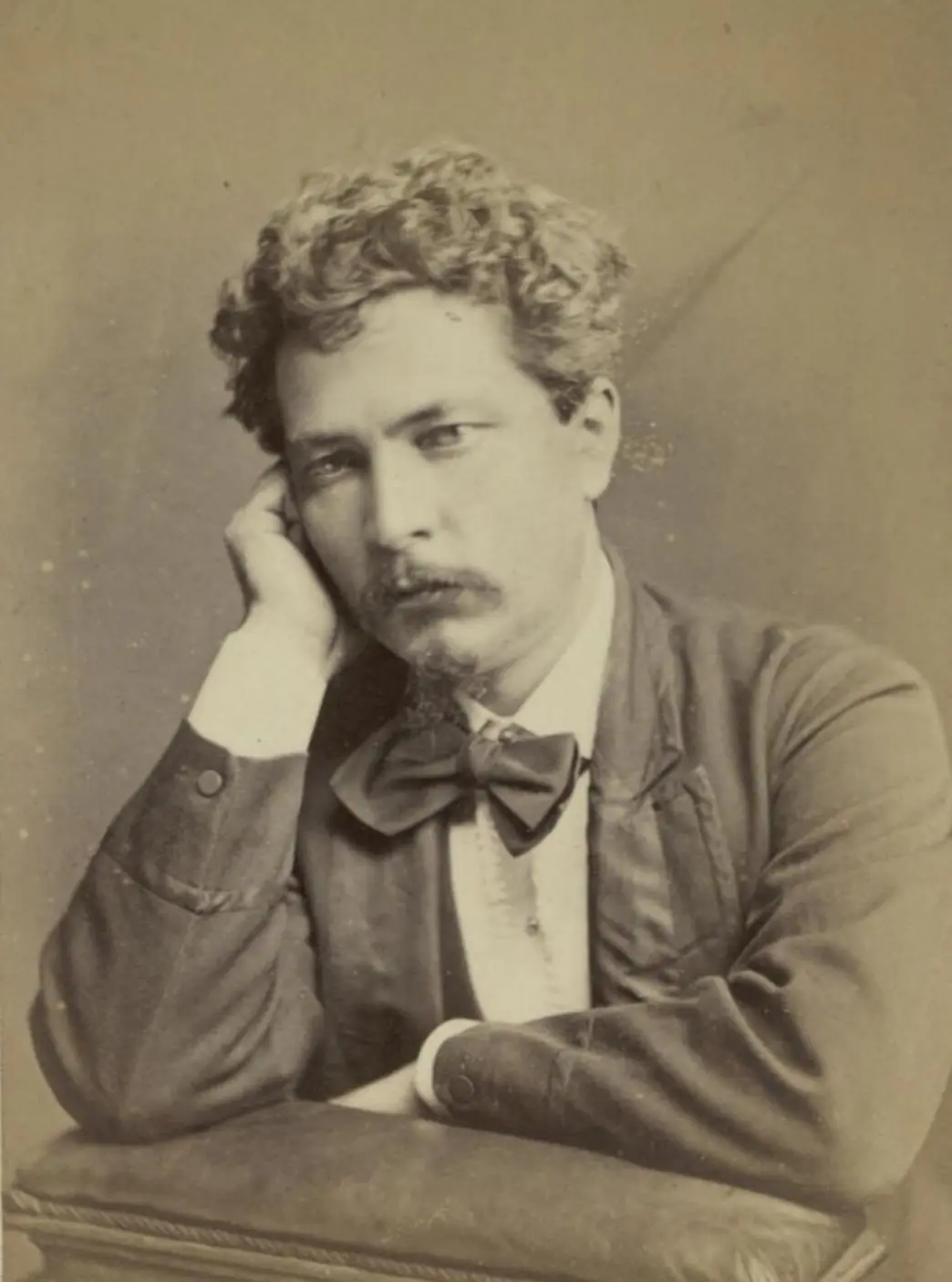
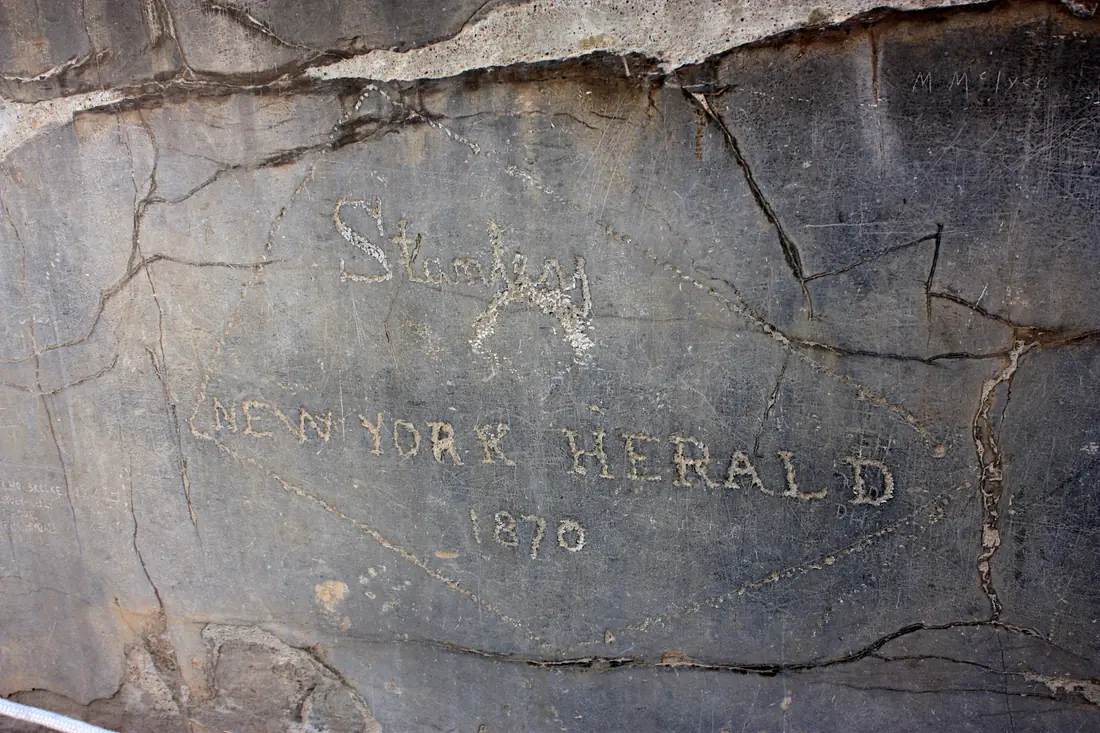
Before November 1871 the British government and private sponsors were financing an expedition to locate Dr David Livingstone, a missionary and geographer who had not been heard from since 1866. The African Association in London had offered £1,000 to any explorer who could find him, and the New York Herald had promised additional support for the reporter who would document the journey. Henry Morton Stanley, a Welsh-born journalist, accepted the contract and began a trek from Zanzibar in August 1871, traveling inland along the east‑central African lake shore. He covered roughly 1,000 miles, crossing the Great Rift Valley and surviving disease, hostile encounters, and supply shortages; of the 300 men who started the expedition, only about 150 remained when he reached the western shore of Lake Tanganyika.
Stanley's primary objective was to confirm Livingstone’s whereabouts and to report his condition to the European public. He followed rumors that Livingstone was at the trading post of Ujiji, a small settlement on the lake's eastern shore controlled by Arab‑Swahili merchants. Upon arriving on 10 November 1871, Stanley encountered a group of Arab traders and asked for Livingstone. The traders directed him to a modest hut where Livingstone was staying with a few followers. Stanley entered, identified himself, and is recorded to have said, "Dr Livingstone, I presume?" Livingstone, aged 60, was in relatively good health but had been isolated for years, his last published report dated 1866.
The meeting immediately produced two concrete results. First, Stanley sent a telegraph from the coastal port of Zanzibar confirming Livingstone’s survival, which prompted a surge of newspaper coverage and public interest in African exploration. Second, the encounter validated the African Association's investment, leading to further funding for Stanley's subsequent expedition, the 1874–1877 journey that mapped the Congo River basin. The public fascination also increased missionary and commercial activity in the region, as European powers interpreted the successful contact as evidence that interior Africa could be reached and surveyed. The encounter therefore shifted European policy from speculative curiosity to organized exploration and colonization efforts in central Africa.
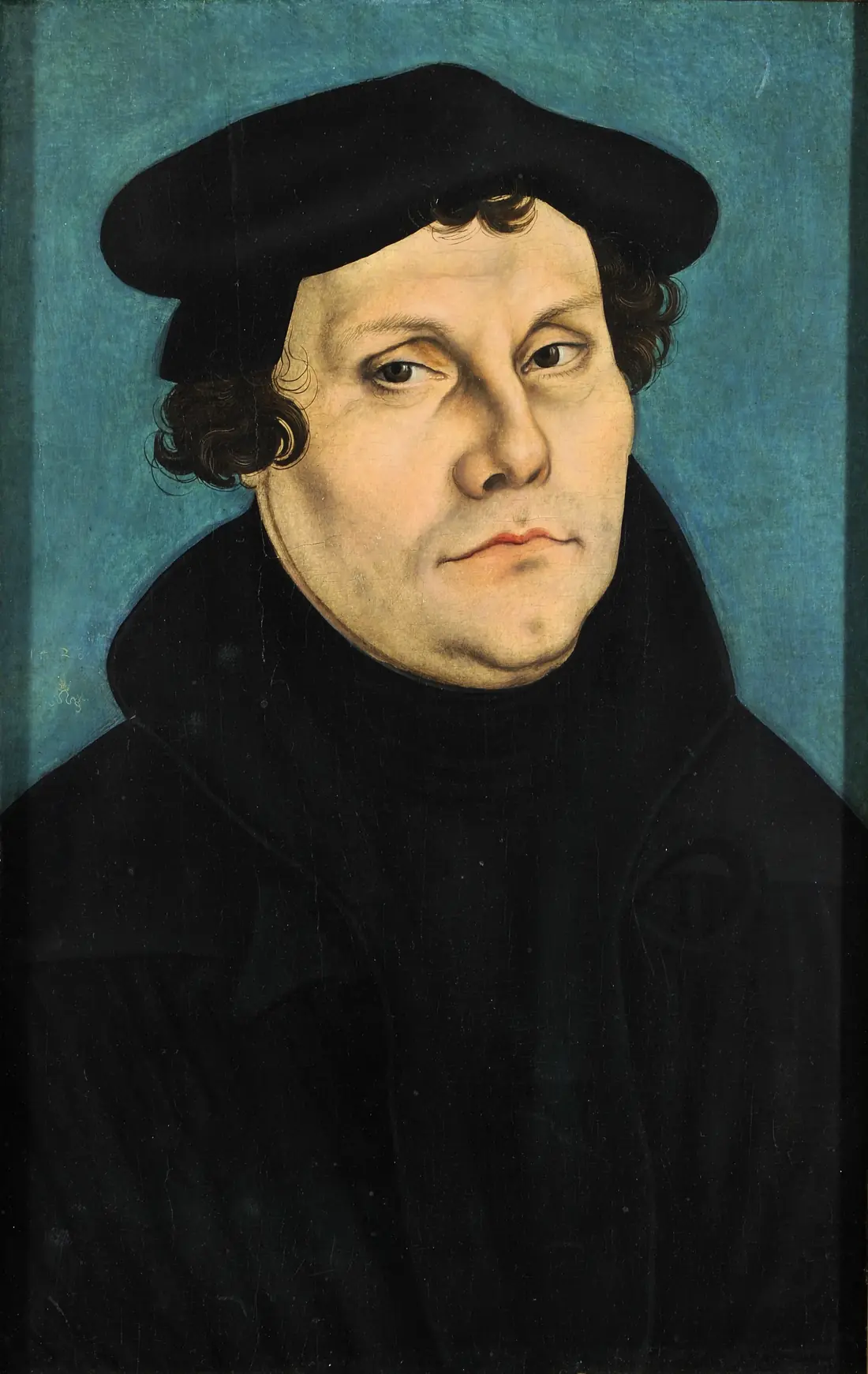
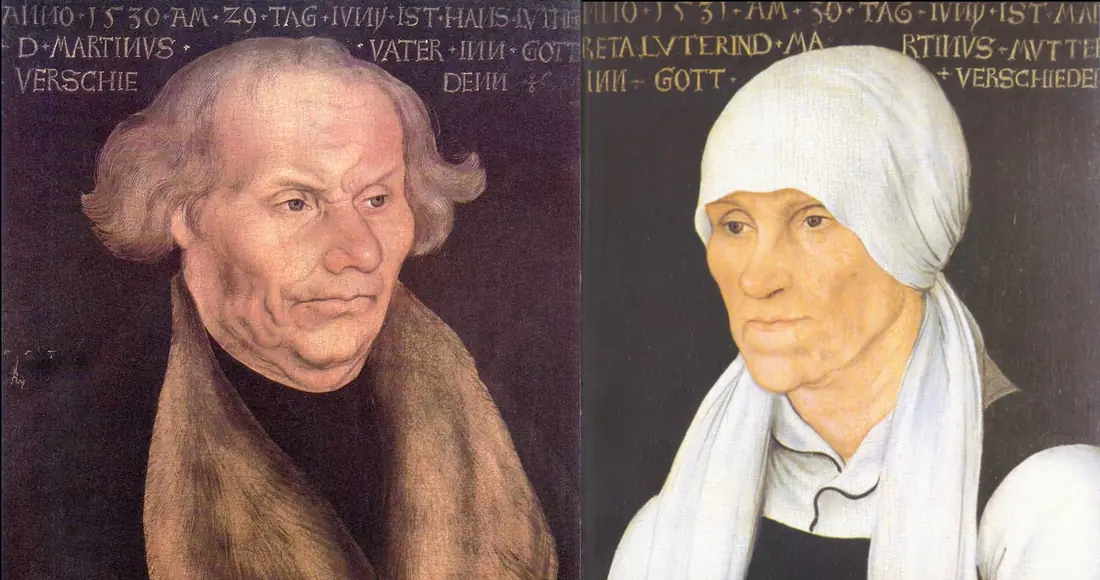
The birth of Martin Luther on 10 November 1483 was recorded by a local priest in the parish register of Eisleben, a town in the Holy Roman Empire that today lies in central Germany. The entry lists the child as the son of Hans Luther, a miner and later mayor, and his wife Margarethe, both of modest means. Popular accounts often claim Luther was born into a wealthy or noble family, but the surviving tax rolls show the Luther household paid the lowest tier of levies for the mining district in 1482, confirming their lower‑middle status.
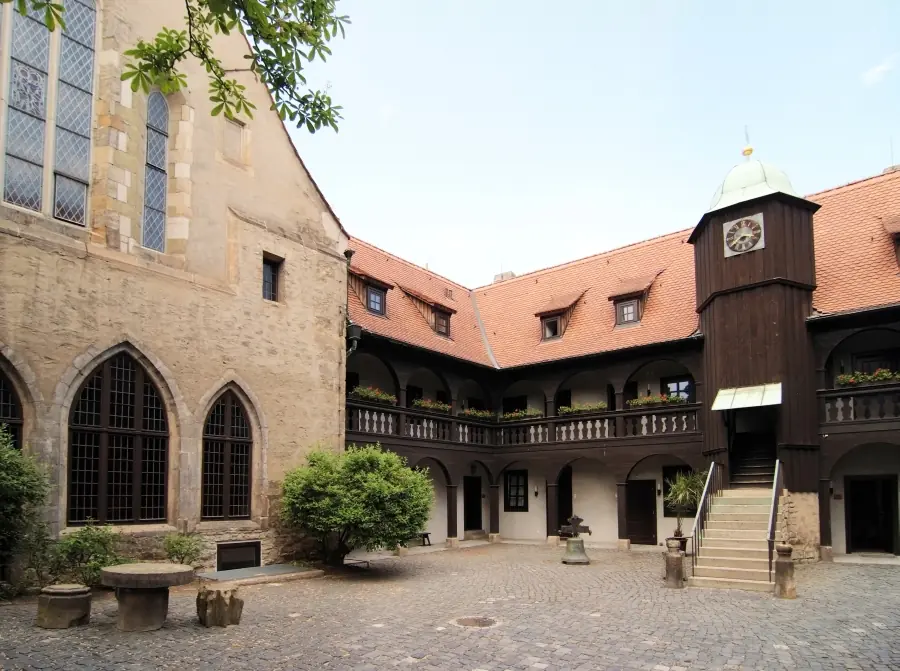
The significance of this birth lies not in the circumstances of his family but in the legal and educational structures that made Luther’s later career possible. In 1498 the University of Erfurt admitted students who could pay a fee of 30 guilders and pass a Latin exam; Luther entered after completing a seven‑year apprenticeship as a clerk, a path documented in the university’s matriculation records. These records also show that Luther received a scholarship of 12 guilders per semester, funded by the town council, which enabled him to study theology without the burden of full tuition. The scholarship was part of a municipal policy to train clergy for the region’s many parishes, a policy often overlooked when Luther’s later reforms are discussed.
Luther’s birth itself did not trigger immediate change, but the combination of his family’s civic involvement and the town’s investment in clerical education created the conditions for his later theological work. When he later posted his Ninety‑Five Theses in 1517, the rapid spread of his ideas depended on the printing press, a technology whose cost per sheet was recorded as 0.03 guilders in Strasbourg in 1518. Luther’s own preface to the theses notes that he intended the document for academic debate, not public protest, contradicting the myth that he deliberately sought mass revolt.
The concrete consequence of Luther’s birth, as traced through these records, was the emergence of a reformer who could read, write, and travel within the empire’s legal and ecclesiastical networks. His later challenge to papal authority led to the formation of Protestant churches, the fragmentation of the Western Christian monopoly, and a series of religious wars that reshaped European political boundaries. The birth entry in Eisleben therefore marks the first documented step in a chain of events that altered the continent’s religious and political map.
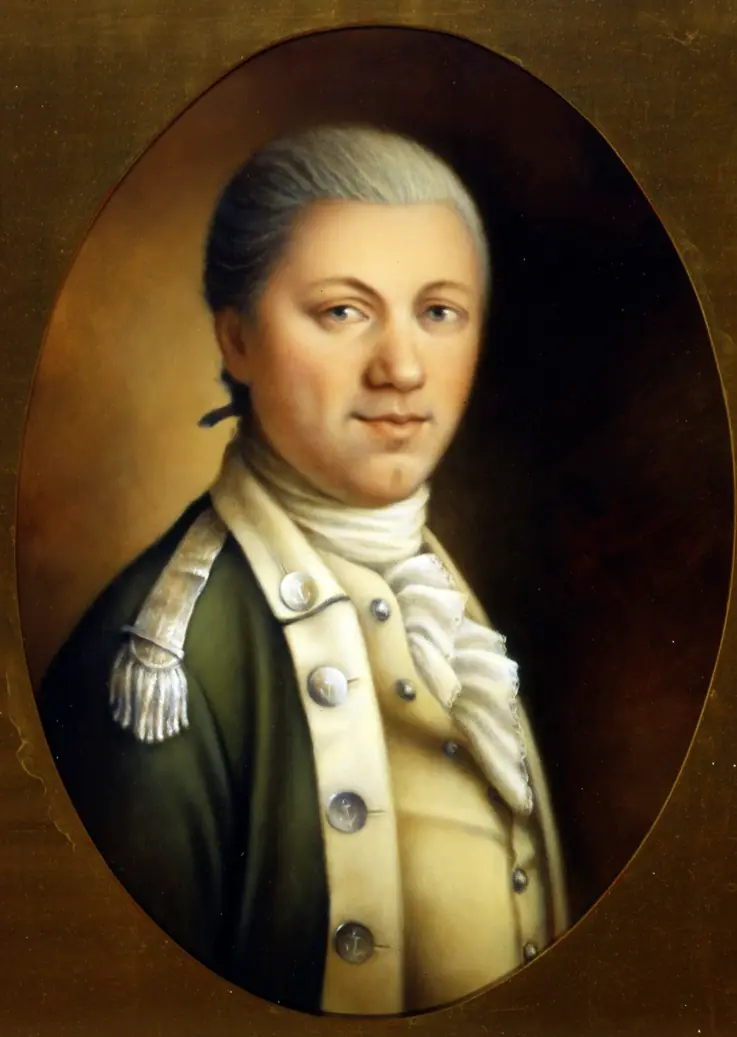
The Continental Congress authorized the creation of a new service of infantry and sailors on 10 November 1775, and the first company of Marines was assembled at Tun Tavern in Philadelphia. The decision responded to a practical need: the fledgling navy required a force capable of boarding enemy ships, protecting naval vessels, and conducting amphibious assaults. The Marine concept combined infantry training with naval discipline, creating a hybrid force that could operate on sea and land.
The mechanism of recruitment was simple and documented. Congress appointed a board of commissioners, including John Adams, to oversee enlistment. Each recruit signed an oath to obey the Continental Congress and to fight for the United States. The initial strength was set at 300 men, divided into six companies of fifty each, with a captain, a lieutenant, and a sergeant for each company. Pay was fixed at two dollars per month, and a uniform of blue coat, white trousers, and a leather cap identified the Marines.
Leadership was provided by Captain Samuel Nicholas, who had previously served as a lieutenant in the Continental Army. Nicholas was named the first commandant and directed the selection of officers and the organization of training. He wrote to the board that the Marines would be “trained for the purpose of boarding, fighting, and defending ships.” The training emphasized musketry, close combat, and shipboard discipline, reflecting the dual role of the corps.
The immediate effect was the deployment of the Marine company aboard the schooner USS Andrew Duncan, which sailed in early 1776 to protect merchant shipping along the Atlantic coast. Within months the Marines participated in the amphibious assault on New Providence in the Bahamas, marking the first organized landing by American forces. This operation demonstrated that a small, well‑trained force could project power from sea to shore, a capability that had been absent from colonial warfare.
The establishment of the Marine Corps created a permanent, professional amphibious force for the United States. Prior to 1775, colonial militias could not reliably conduct shipboard combat or coordinated landings. After the Marine Corps was raised, such operations became a regular element of American military strategy, eventually shaping doctrines of naval warfare and expeditionary action that persist to the present day.
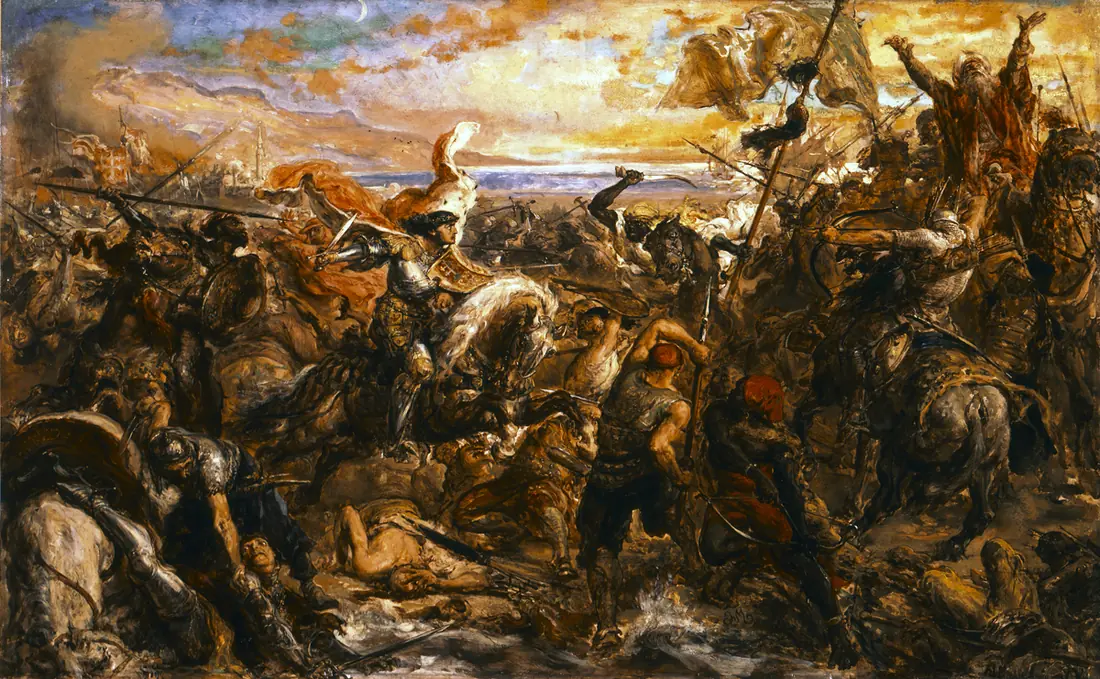
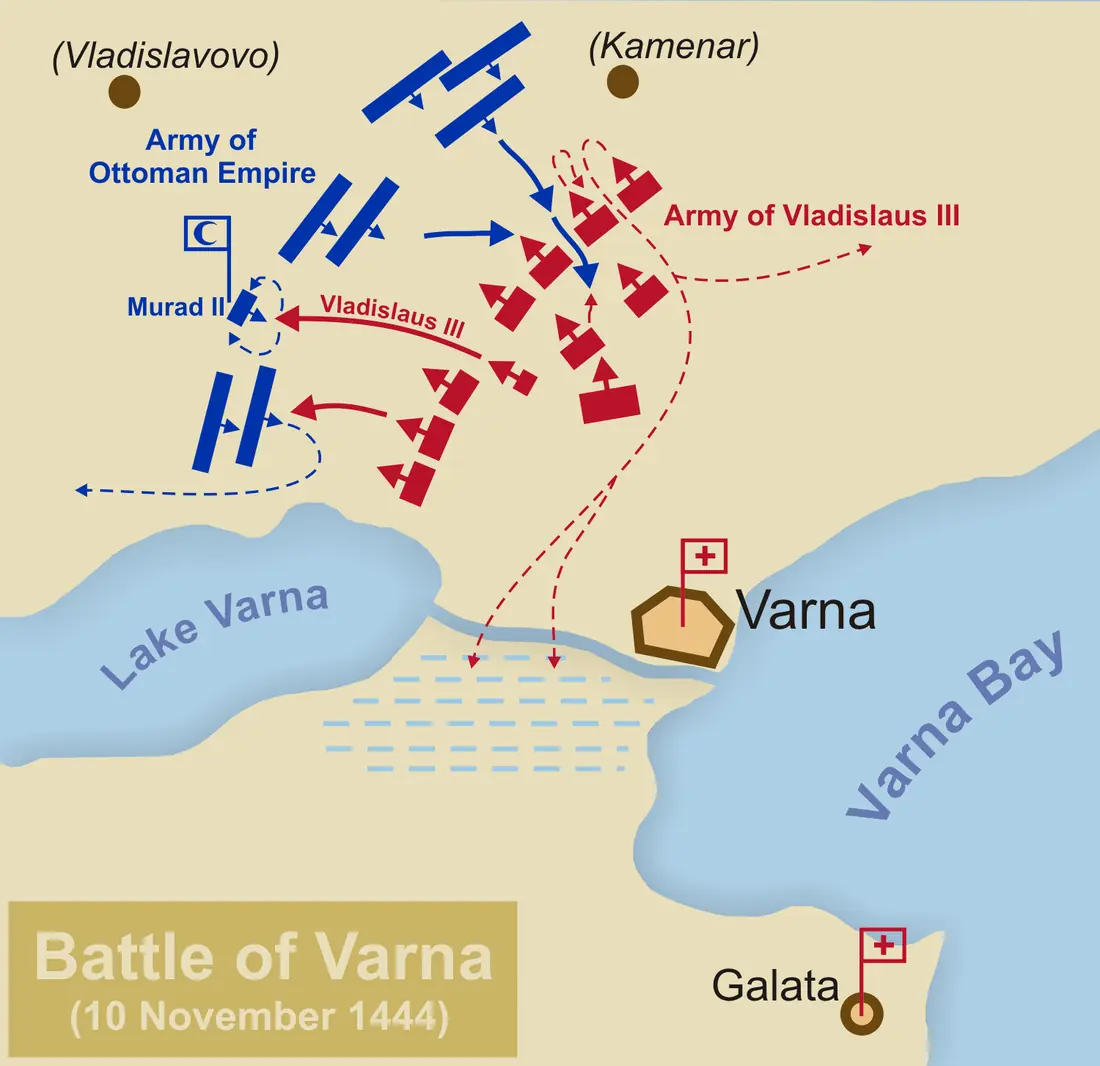
The Ottoman army defeated the crusading forces at Varna, killing King Władysław III of Poland and ending the 1444 campaign to retake the Balkans. Sultan Murad II commanded an estimated 60,000 troops, including Janissaries armed with firearms, while the Holy League fielded about 30,000 men under the joint leadership of Władysław and John Hunyadi, the Hungarian regent. The Crusaders intended to seize the Black Sea ports and restore Christian control after the fall of Constantinople in 1453, but their plan relied on a rapid march from the Danube to the Bulgarian coast, assuming Ottoman forces would be divided.
Murad positioned his troops on the hill of Varna, forcing the Crusaders to attack uphill across a narrow plain. Hunyadi ordered a frontal assault on the Ottoman left flank, hoping to break the line before the Janissaries could reload. The initial charge pushed back Ottoman light cavalry, but the Janissaries delivered disciplined volley fire that halted the advance. Władysław, leading the vanguard, was unhorsed and slain; contemporary chronicles report his body was never recovered. Casualties numbered roughly 15,000 for the Crusaders and 5,000 for the Ottomans, according to Ottoman tax registers and later Hungarian accounts.
The defeat eliminated the immediate threat to Ottoman dominance in the Balkans. Within a year the Sultan secured tribute from the Serbian ruler and reinforced the garrison at Sofia, extending Ottoman control over a region of approximately 300,000 square kilometers. The loss also removed a potential unifying figure for Central European resistance; the Polish crown passed to Casimir IV, who focused on internal consolidation rather than further Balkan campaigns. Hunyadi survived the battle but lost political capital, leading to his eventual assassination in 1456.
In the longer term the battle discouraged further large-scale crusades against the Ottomans for the next two decades. The Ottoman navy, bolstered by the victory, began constructing larger galleys, which later enabled the 1453 siege of Constantinople. The death of Władysław also altered succession politics in Poland and Lithuania, contributing to the eventual Union of Krewo in 1385 and the later formation of the Polish‑Lithuanian Commonwealth. The Ottoman victory at Varna thus reshaped the political map of Eastern Europe, solidified Ottoman hegemony in the Balkans, and delayed Western attempts to reverse the empire's expansion.
The National Convention voted to replace Christianity with the Cult of Reason on 10 November 1793. Before the vote, the official religion of France was Roman Catholicism, enforced by parish priests and the civil constitution of the clergy. The Convention, a legislative body of 749 delegates, had already passed laws confiscating church lands and closing monasteries, but religious practice remained formally Catholic.
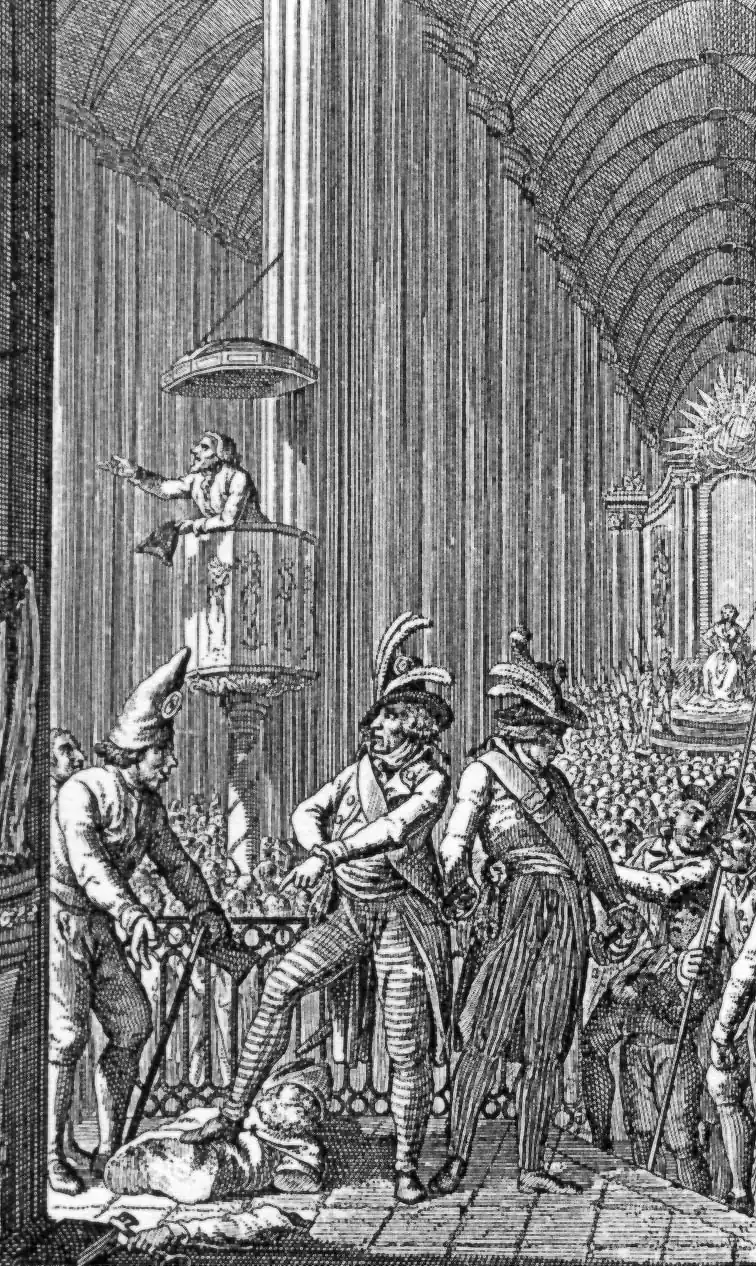
On the day of the vote, the Convention declared Reason a civic deity and appointed a statue of Reason to stand in the former Notre‑Dame Cathedral. The decree was presented by the deputy Pierre‑Louis Prieur and supported by the radical leaders Jacques‑Pierre Brissot and Jacques Hébert. Robespierre, who opposed the Cult of Reason, argued that the new worship threatened public order. The vote passed with 406 votes in favor, 306 against, and 37 abstentions. The decree ordered that all public festivals honor Reason, that churches be renamed Temples of Reason, and that priests be replaced by civic officials.
The immediate effect was the removal of Christian symbols from public spaces. The altar of Notre‑Dame was cleared, and a wooden tableau representing the goddess of Reason, a young woman with a Phrygian cap, was installed. Civil officials were instructed to read a civic hymn each morning. Attendance at the new ceremonies was recorded at 12,000 citizens on the first Sunday, while the number of priests who continued clandestine masses fell to an estimated 1,200 from the pre‑revolutionary figure of 30,000.
The replacement of Catholicism with the Cult of Reason lasted less than a year. On 8 June 1794, the Convention voted to close the Cult of Reason and to restore a state‑controlled version of Christianity, the Cult of the Supreme Being, led by Robespierre. The brief period of state atheism demonstrated the Convention’s willingness to use legislative power to reshape public belief, but it also contributed to growing opposition among moderate and religious citizens, which later influenced the Thermidorian Reaction and the eventual reinstatement of religious freedom under the Directory.
The event shows how a single legislative act can temporarily overhaul a nation’s official faith, alter public rituals, and reshape the relationship between government and belief.