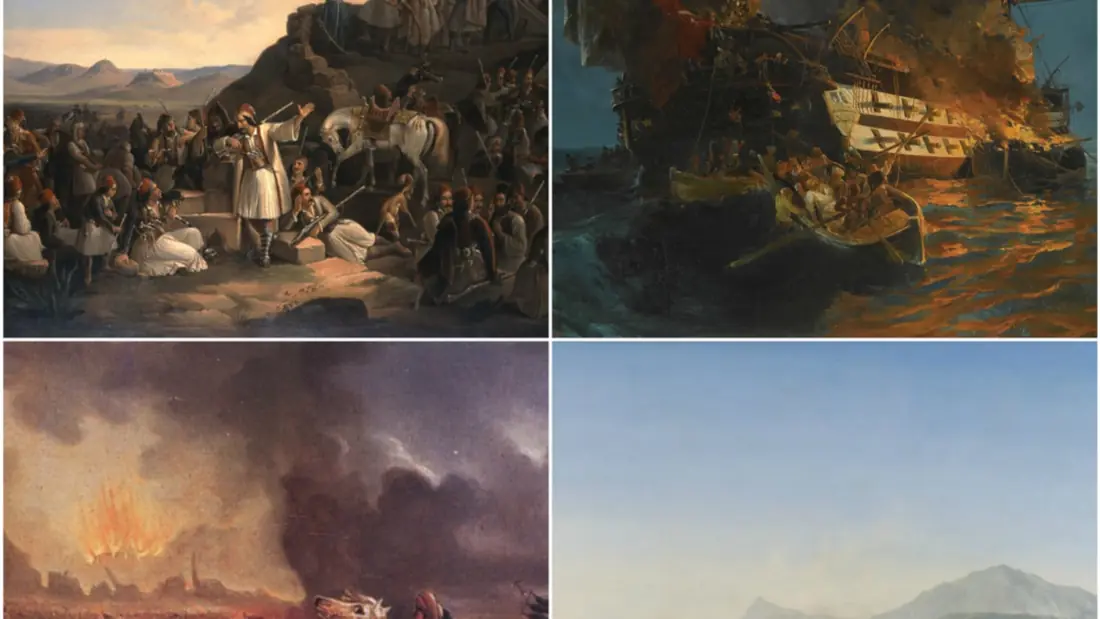
The scent of lit candles and incense wafted through the crisp spring air as the sun rose over the small village of Kalavryta, casting a golden glow over the thatched roofs of the stone houses. It was a moment of profound anticipation, for on this day, March 25, 1821, the seeds of revolution were to be sown. The Greek people had long suffered under the yoke of the Ottoman Empire, their culture, language, and traditions suppressed by their rulers. The Orthodox Church, a beacon of hope and resistance, had been secretly fostering the flames of dissent, and now, with its blessing, the struggle for independence was about to begin. As Bishop Germanos of Patras raised the banner of the cross, a symbol of the unity and determination of the Greek people, the call to arms was sounded, and the Greek War of Independence had commenced. The battle cry echoed through the valleys and mountains, as Alexandros Ypsilantis, a key figure in the Filiki Eteria, a secret society dedicated to the liberation of Greece, led the charge against the Ottoman forces. The immediate impact was a wave of uprisings across the Peloponnese, with thousands of Greeks taking up arms against their oppressors. The legacy of this momentous day still resonates today, as it marked the beginning of a long and arduous journey towards the establishment of an independent Greek state, a testament to the power of courage, perseverance, and the unyielding pursuit of freedom. The bravery and sacrifice of those who fought for their nation's liberty continue to inspire generations, a reminder that the struggle for independence is not just a historical event, but a living, breathing part of a nation's identity.
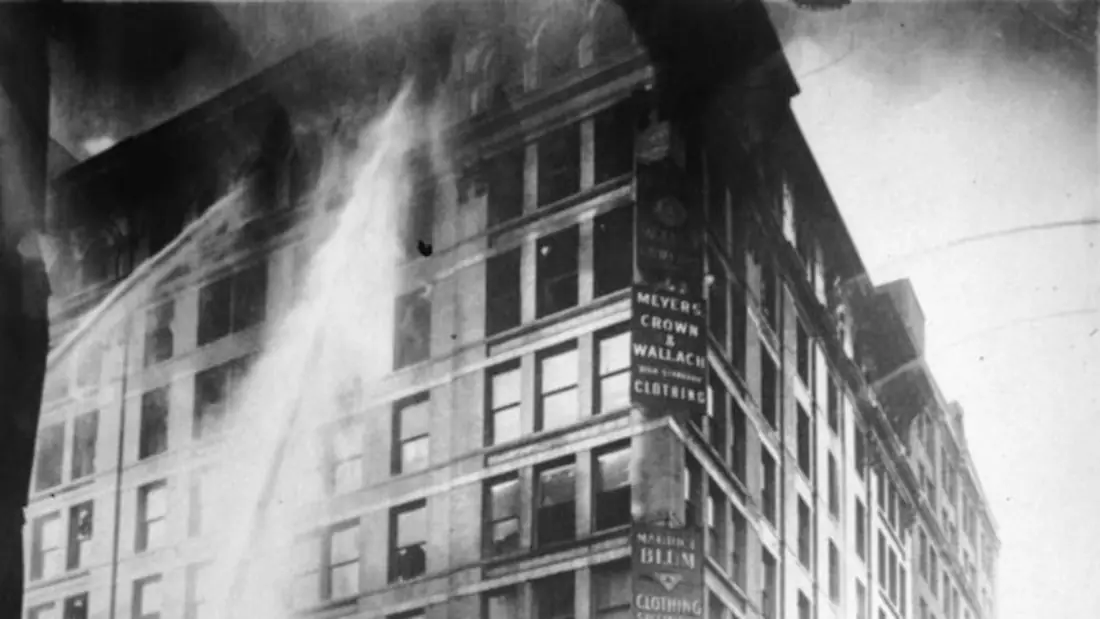
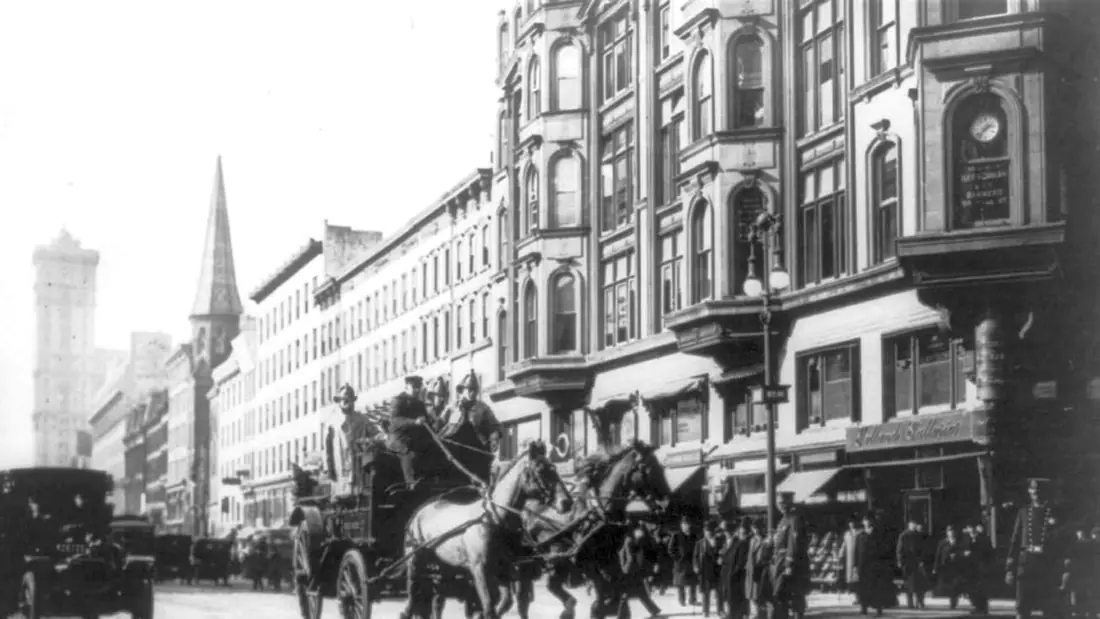
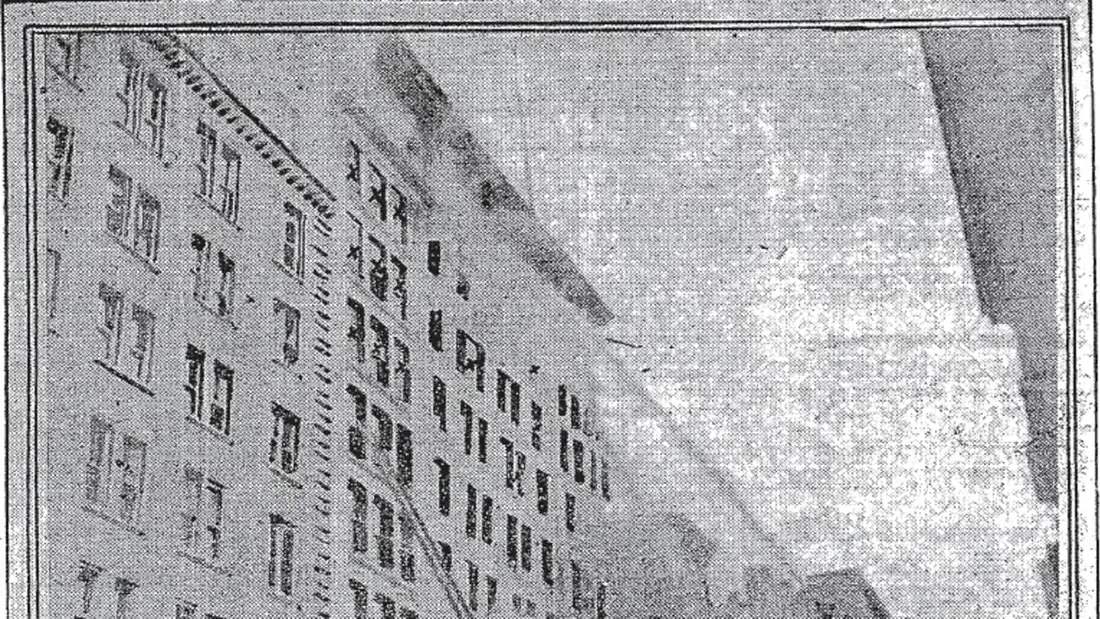
Across the bustling streets of New York City, where skyscrapers pierced the sky and the sound of horse-drawn carriages filled the air, a tragedy was unfolding on a fateful day in late March. In a small, unassuming building on the corner of Greene Street and Washington Place, the lives of hundreds of workers were about to change forever. The year was 1911, and the industrial revolution was in full swing, with factories sprouting up all over the city to meet the demand for cheap, mass-produced clothing. It was on March 25, 1911, that the Triangle Shirtwaist Factory, one of the largest and most profitable factories in the city, became the site of one of the deadliest industrial disasters in American history. The factory, owned by Max Blanck and Isaac Harris, employed over 500 workers, mostly young immigrant women, who toiled for long hours in cramped and unsanitary conditions, earning barely enough to survive. On that day, a fire broke out on the eighth floor of the factory, quickly spreading to the other floors and trapping many of the workers inside. Panic set in as the workers, mostly women, rushed to escape the inferno, but the doors were locked, and the fire escapes were inadequate, leading to the deaths of 146 people. The immediate aftermath of the tragedy saw widespread outrage and calls for reform, with thousands of people attending the funerals of the victims and demanding better working conditions and safer factories. The tragedy led to significant changes in labor laws and workplace safety regulations, paving the way for the modern labor movement and inspiring future generations of workers to fight for their rights. Today, the Triangle Shirtwaist Factory fire is remembered as a pivotal moment in American history, a stark reminder of the importance of protecting the rights and safety of workers, and a testament to the power of collective action in bringing about change.