First Female Prisoners at Auschwitz
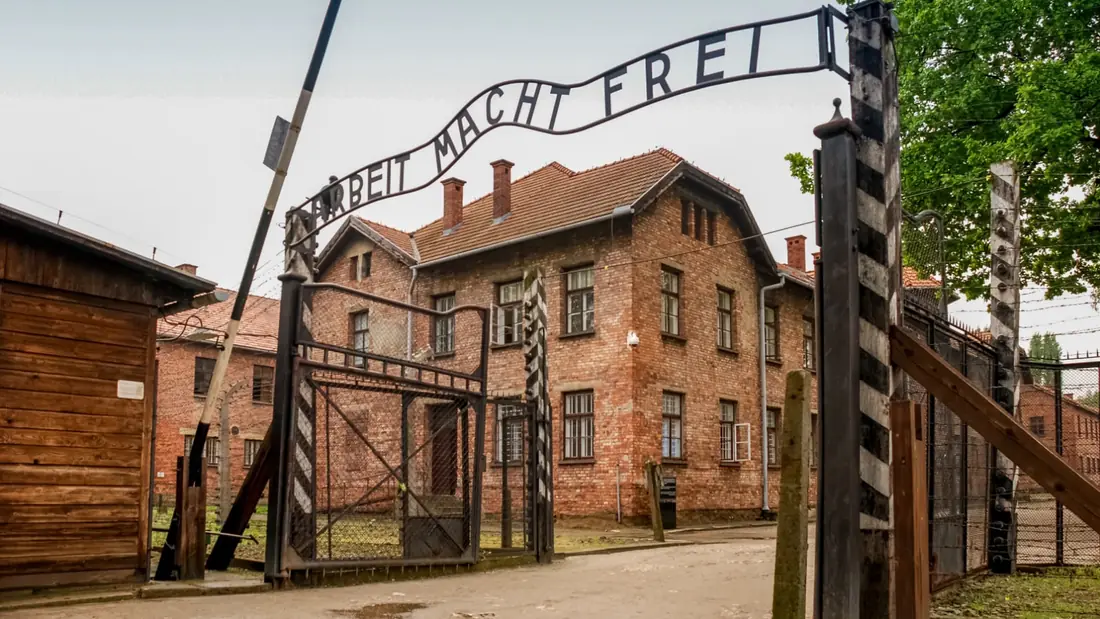
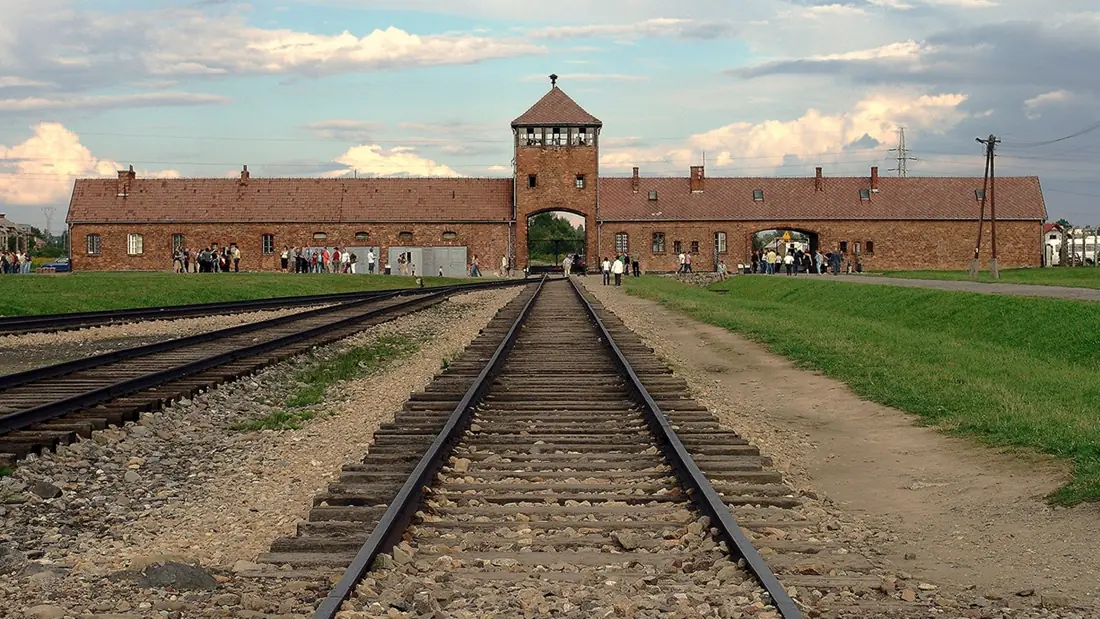
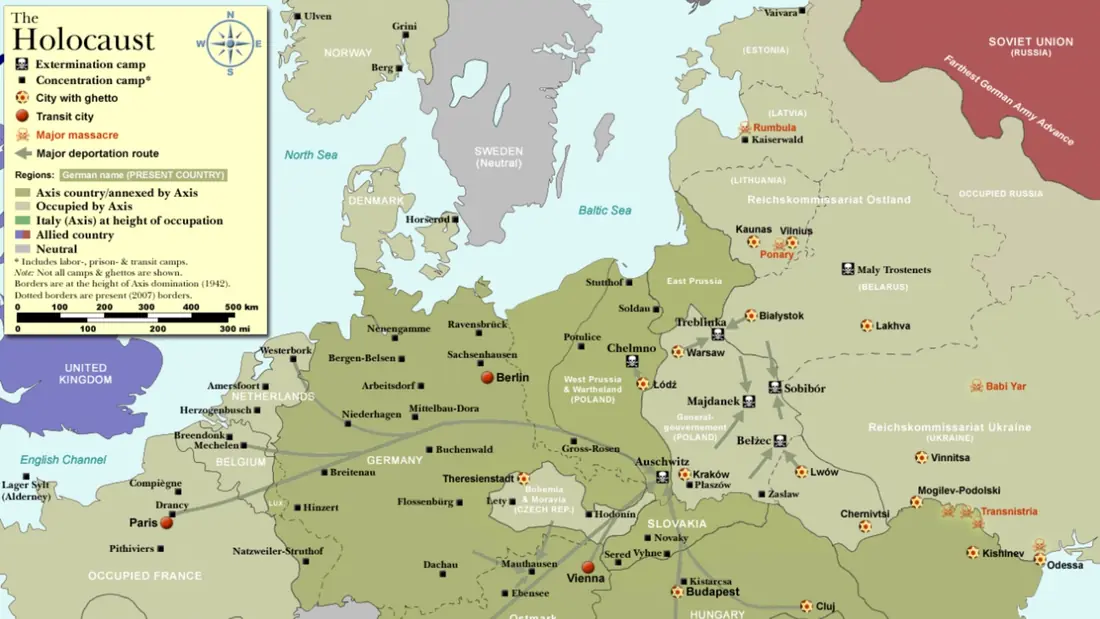
In the bustling streets of Warsaw, Poland, a sense of dread hung in the air as news of Nazi atrocities spread, while six hundred miles away in Berlin, Germany, high-ranking officials were finalizing plans for the expansion of their concentration camp system. As the world teetered on the brink of chaos, the fate of millions hung precariously in the balance. The context for this dire situation was set by the aggressive expansion of the Third Reich, which had been systematically invading and occupying European countries since 1939, leaving destruction and despair in its wake. The establishment of concentration camps like Auschwitz, initially intended for Polish prisoners, was a key component of the Nazi's plan to assert dominance and control over the populations they conquered. On March 26, 1942, the first female prisoners arrived at Auschwitz concentration camp, marking a somber and devastating turn in the history of the Holocaust. These women, approximately 999 in number, were mostly Polish Jews, but also included a few Belarusians and Ukrainians, all of whom were subjected to the brutal conditions and inhumane treatment that Auschwitz had become notorious for. The arrival of female prisoners signaled an expansion of the camp's purpose, from primarily housing male prisoners to incorporating women and, eventually, children, into its horrific operations. The immediate impact of this event was the further dehumanization and suffering of those imprisoned, as well as an increase in the camp's population, which would continue to swell in the following years. The legacy of this event, and the broader history of Auschwitz, serves as a stark reminder of the atrocities that can occur when hatred, prejudice, and a disregard for human life are allowed to flourish. Today, the date of March 26, 1942, stands as a poignant reminder of the importance of promoting tolerance, understanding, and the protection of human rights, lest we forget the lessons of one of humanity's darkest periods.