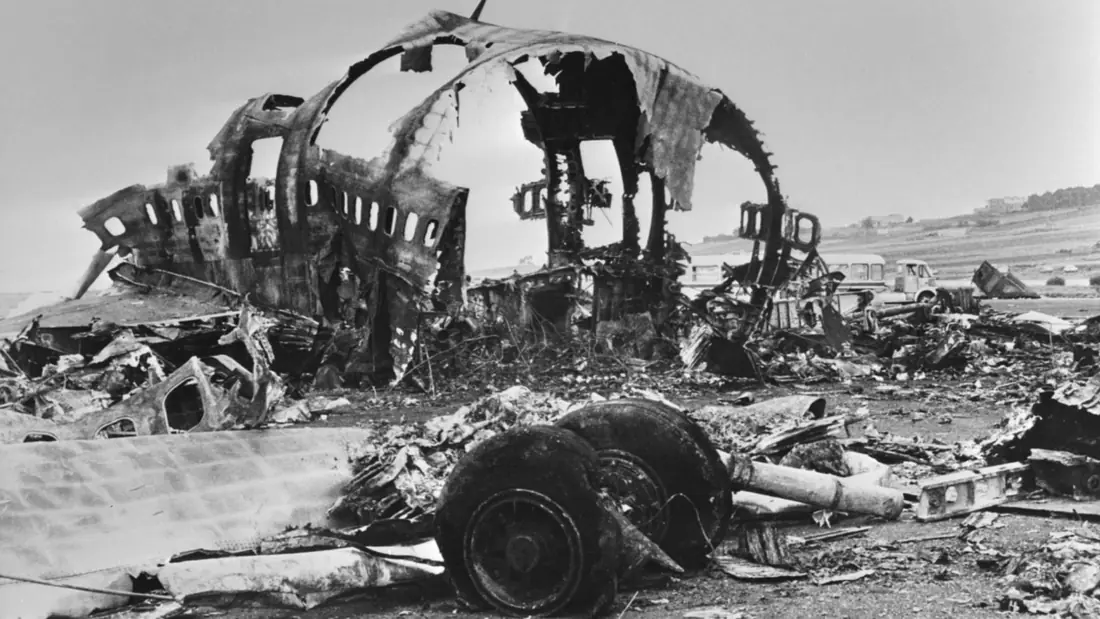
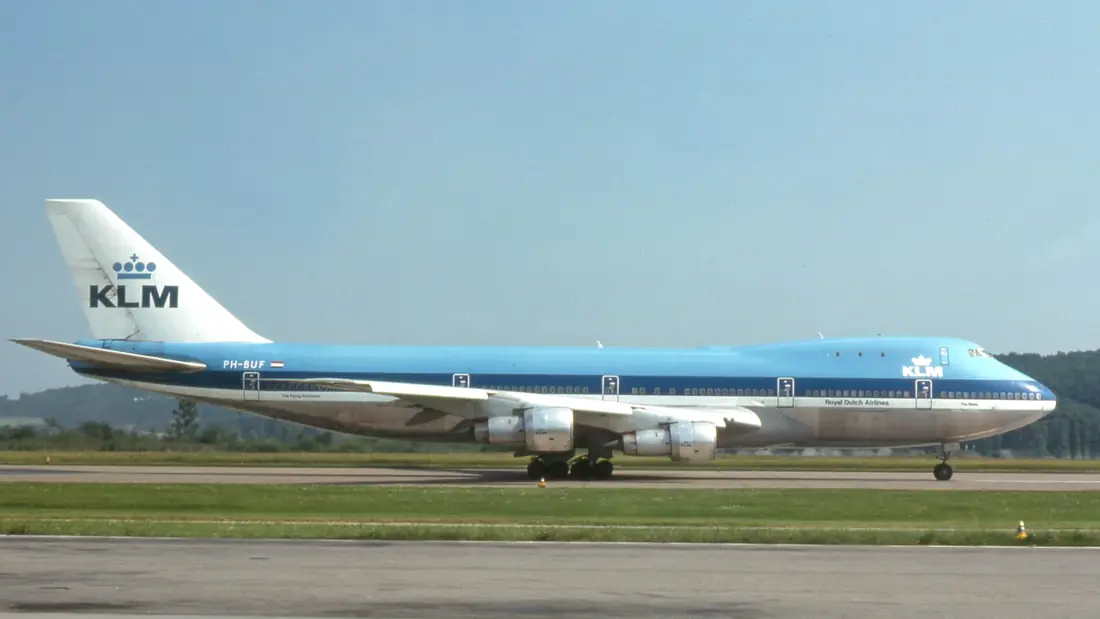
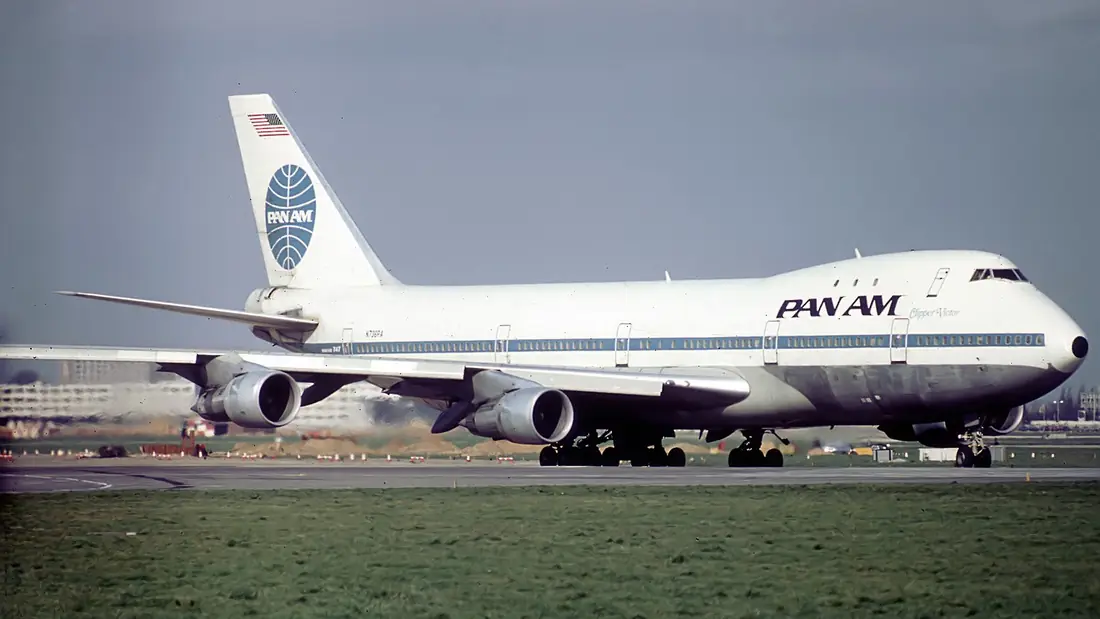
Jacqueline Urbina, a 28-year-old air traffic controller, was intently monitoring the radar screens at the Los Rodeos Airport on the Spanish island of Tenerife, her eyes scanning the dense fog that had rolled in earlier that morning. It was March 27, 1977, and the airport was experiencing an unusual amount of air traffic due to a bombing at Gran Canaria Airport, which had diverted several flights to Tenerife. The situation was already tense, with multiple planes waiting to take off or land, and the thick fog was reducing visibility to almost zero. As she worked to manage the air traffic, two Boeing 747 jumbo jets, one operated by KLM Royal Dutch Airlines and the other by Pan American World Airways, were preparing for takeoff on the same runway. The KLM flight, which had been waiting for some time, was given clearance to take off without waiting for a response from the Pan Am flight, which was still on the runway. At 5:06 PM local time, the two planes collided on the runway, resulting in a catastrophic fire that would claim the lives of 583 people, making it the deadliest accident in aviation history. The immediate aftermath was one of shock and chaos, with rescue teams struggling to reach the burning wreckage due to the dense fog. In the years that followed, the Tenerife airport disaster led to significant changes in air traffic control procedures, including the introduction of more precise language and the use of standardized protocols to prevent similar tragedies. Today, the incident remains a powerful reminder of the importance of clear communication and safety protocols in the aviation industry, and it continues to be studied by aviation professionals around the world.
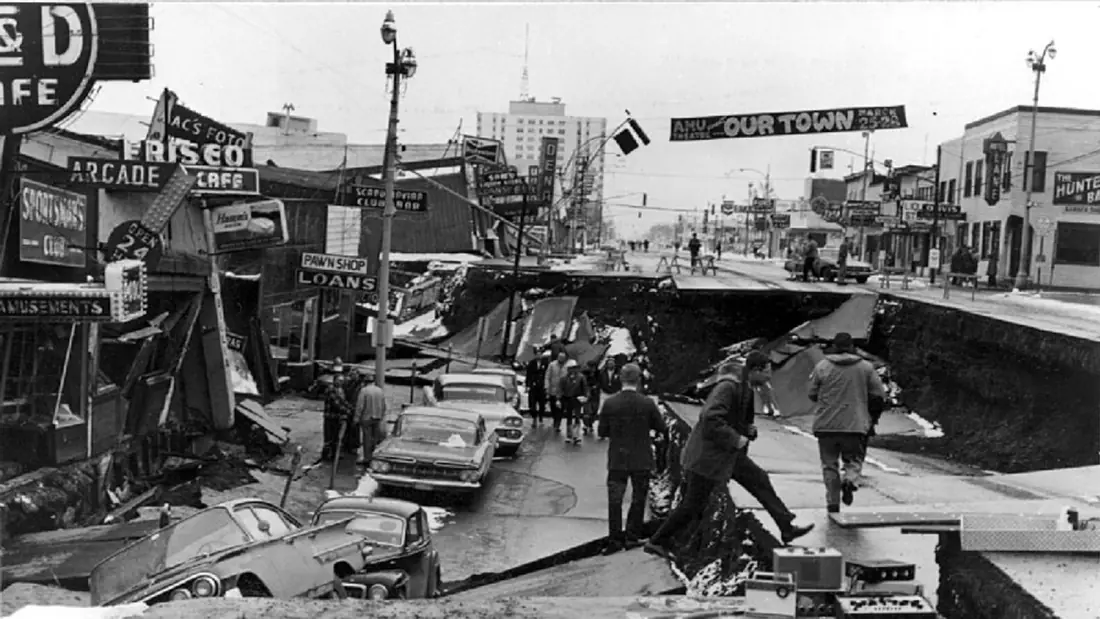
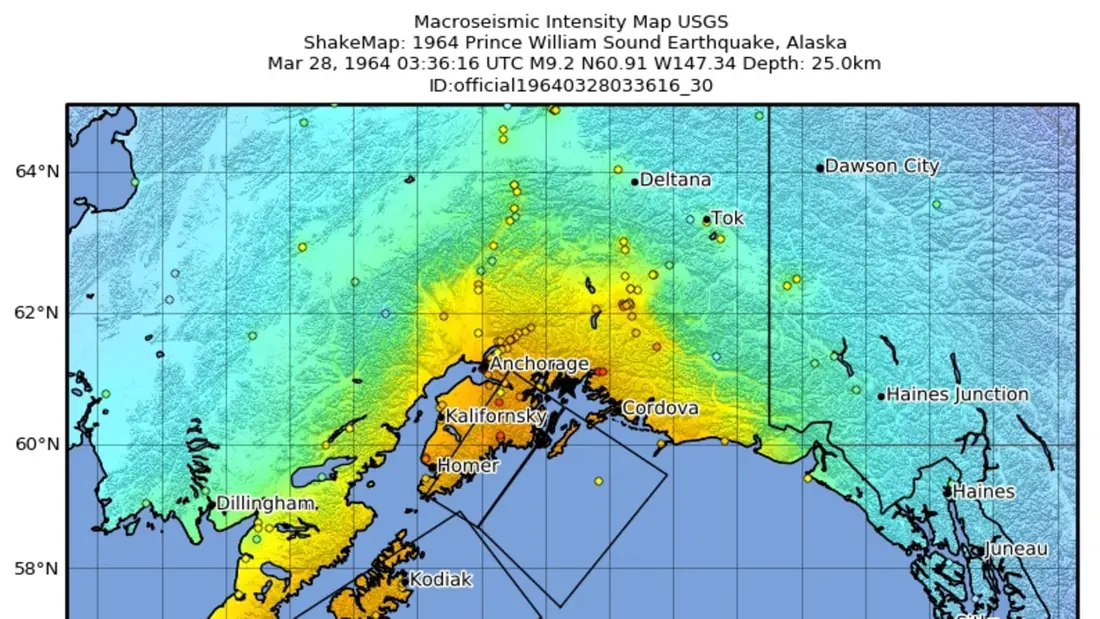
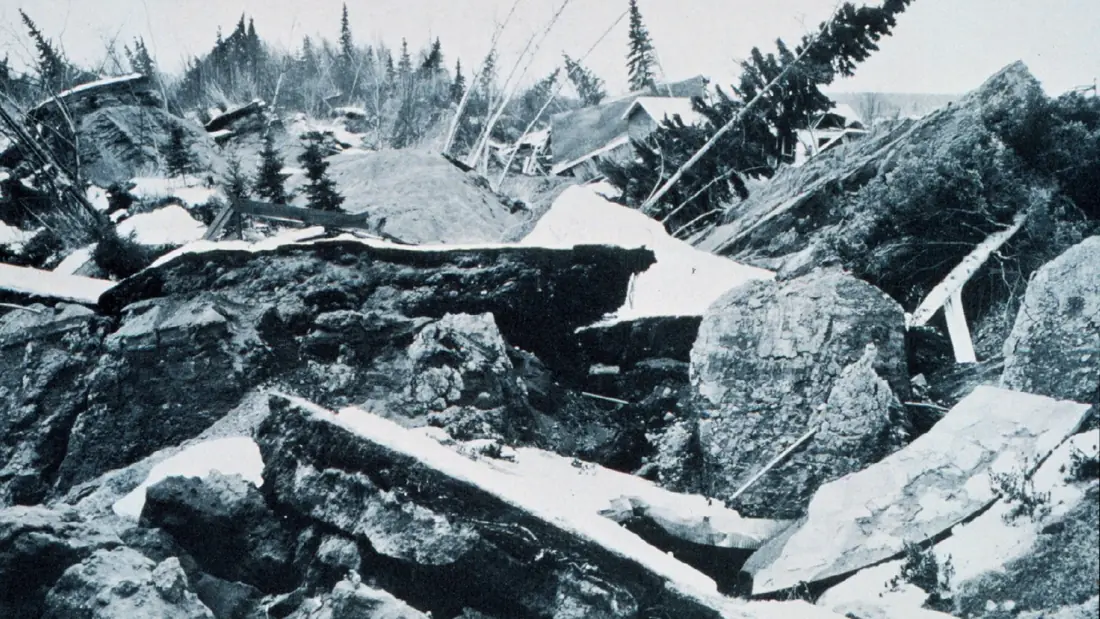
In the bustling streets of Anchorage, Alaska, residents were preparing for the Easter weekend, unaware of the catastrophe that was about to unfold. Six thousand miles away in Washington D.C., President Lyndon B. Johnson was meeting with his advisors to discuss the escalating situation in Vietnam. It was March 27, 1964, a day that would go down in history as one of the most devastating natural disasters to hit the United States. The Great Alaskan Earthquake, also known as the Good Friday Earthquake, was a result of years of tectonic plate movement and pressure buildup in the region. The earthquake struck at 5:36 PM local time, with its epicenter located in Prince William Sound, about 75 miles east of Anchorage. The quake had a magnitude of 9.2, making it the most powerful earthquake in U.S. history, and it lasted for approximately four minutes and 38 seconds. The impact was immediate and devastating, with entire neighborhoods reduced to rubble, and a tsunami triggered that would affect several coastal towns. The earthquake and subsequent tsunami resulted in 129 deaths, and over $1 billion in damages, which is equivalent to over $8 billion today. The aftermath of the earthquake saw a massive response from emergency services, with rescue teams working tirelessly to search for survivors and provide aid to those affected. The Great Alaskan Earthquake led to significant changes in the way that earthquakes are monitored and predicted, and it also led to the development of more stringent building codes to mitigate the impact of future earthquakes. Today, the earthquake is still remembered as one of the most significant natural disasters in U.S. history, and it serves as a reminder of the importance of disaster preparedness and the power of nature.