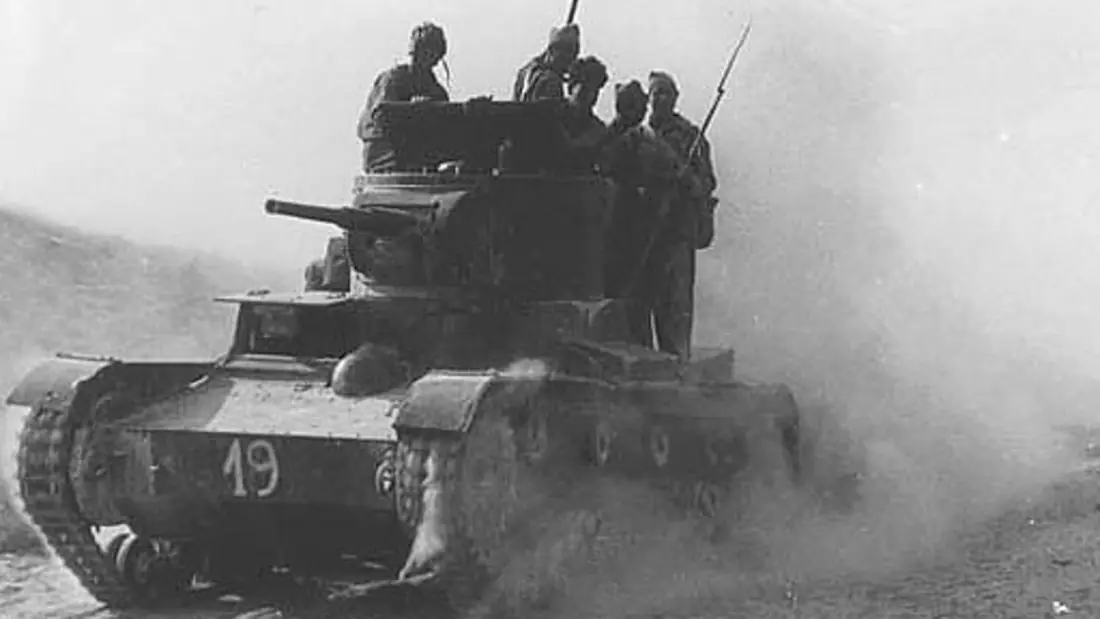
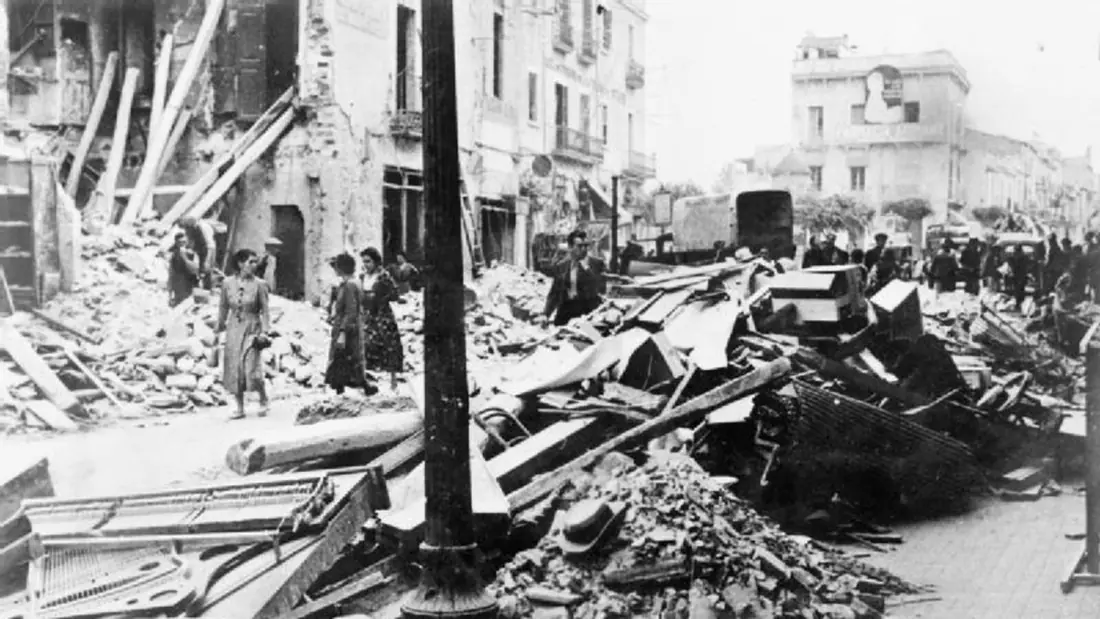
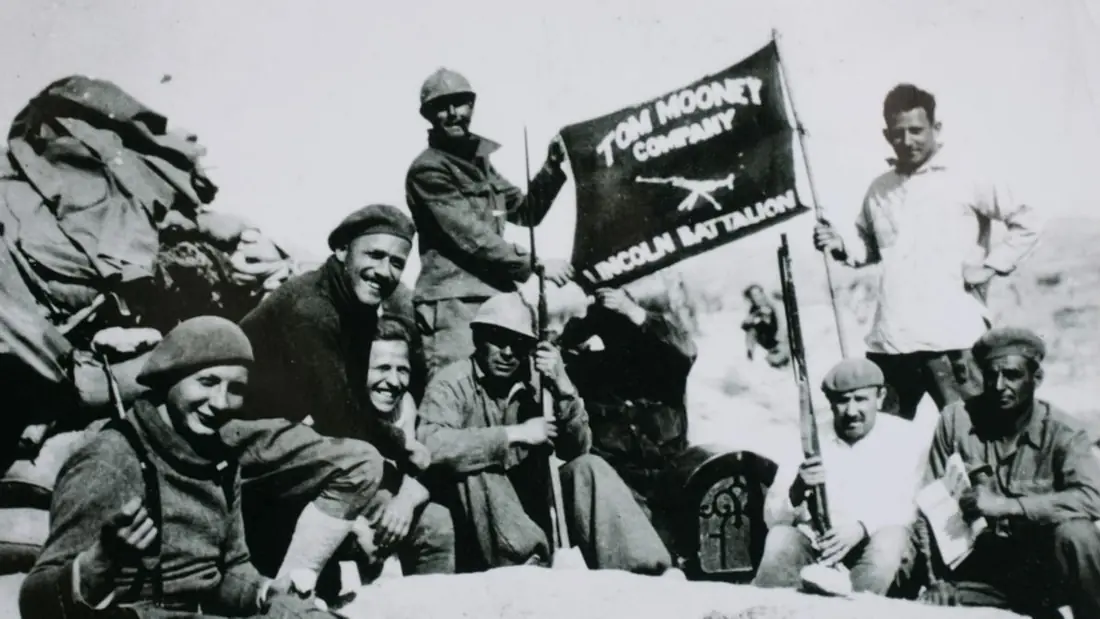
Ana Moreno, a 27-year-old nurse, was tending to the wounded in a makeshift hospital in Madrid when the news began to spread like wildfire - the Spanish Civil War was finally coming to an end. As she changed the bandages of a young soldier, her mind wandered to the long and brutal conflict that had ravaged her country for nearly three years. The war had begun in 1936, when a group of army generals, led by General Francisco Franco, had risen up against the democratically elected government of the Second Spanish Republic. The conflict had pitted the Nationalist forces, supported by fascist Italy and Nazi Germany, against the Republican forces, which were backed by the Soviet Union and international brigades of volunteers. On March 28, 1939, as the Nationalist army closed in on Madrid, Ana heard the sound of artillery fire growing fainter, and the radio crackled with the announcement that the war was over, and the Nationalists had emerged victorious. The city was plunged into a somber silence, as the reality of defeat sank in for the Republican forces. In the immediate aftermath, Franco's regime began to consolidate power, and a period of repression and censorship ensued, as the dictator set about reshaping Spain in his image. The legacy of the Spanish Civil War continues to be felt today, as a cautionary tale about the dangers of fascism and the importance of defending democracy. The war also had a profound impact on the literary and artistic world, inspiring works such as Ernest Hemingway's 'For Whom the Bell Tolls' and Pablo Picasso's 'Guernica'. As Ana reflected on the devastating cost of the war, she knew that the true extent of its impact would only become clear in the years to come.
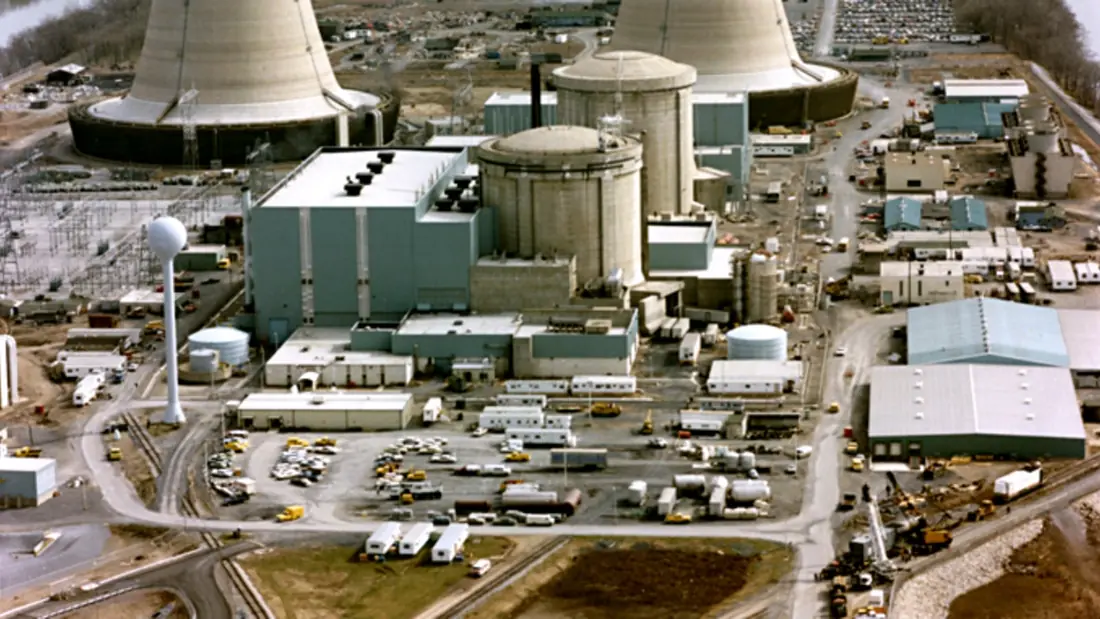
What happens when human error and mechanical failure converge in a place where the stakes are catastrophically high? The answer lies in the events that unfolded at the Three Mile Island Nuclear Power Plant in Pennsylvania, a facility designed to provide clean and efficient energy but which, on March 28, 1979, became the site of the most significant nuclear accident in U.S. history. The plant, located on an island in the Susquehanna River, was a symbol of nuclear power's potential, with its two pressurized water reactors capable of generating enough electricity for over 800,000 homes. However, the combination of a valve failure and inadequate training of operators led to a partial nuclear meltdown, an event that would test the safety measures and emergency response protocols of the nuclear industry. At around 4:00 AM on that fateful day, a series of events began that would culminate in the release of radioactive gases into the environment, though fortunately, due to the robust containment building, the release of radioactive materials into the environment was limited. The immediate aftermath saw widespread concern and a significant increase in scrutiny of nuclear safety, with the Nuclear Regulatory Commission (NRC) conducting a thorough investigation into the incident. The accident at Three Mile Island marked a turning point in the public's perception of nuclear power, highlighting the potential risks associated with this form of energy production. Today, the Three Mile Island accident serves as a critical case study in the importance of safety protocols, operator training, and transparent communication in the nuclear industry, reminding us of the delicate balance between the benefits of nuclear power and the potential consequences of human and mechanical failure.