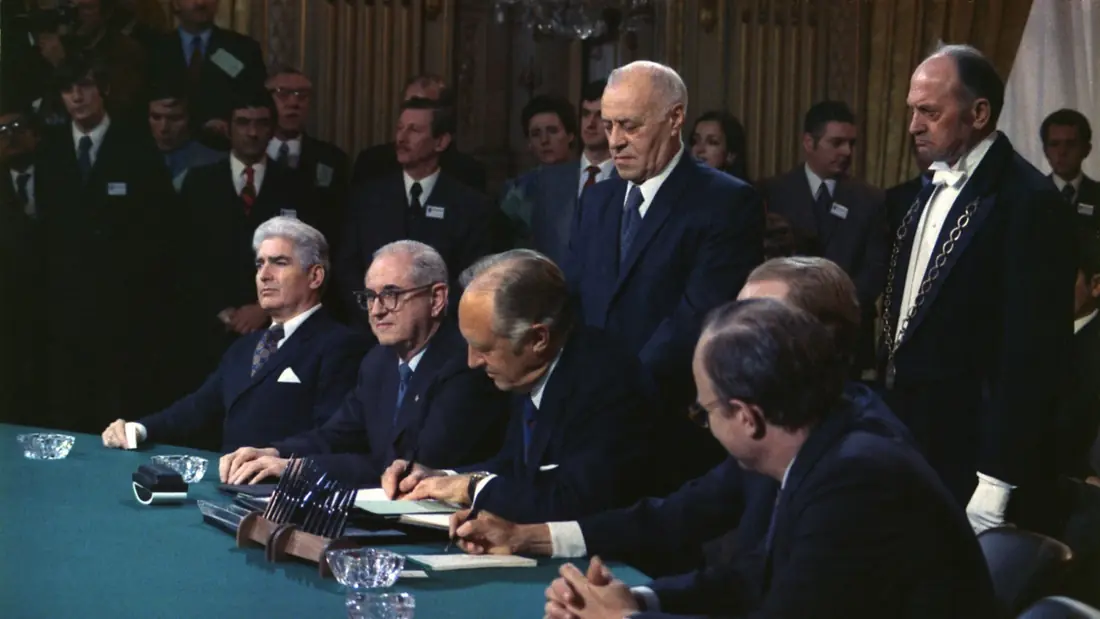
The acrid smell of gunpowder hung low over the valley as the last remnants of a long and brutal conflict began to dissipate. The sound of helicopters fading into the distance signaled the end of an era, one marked by the relentless drumbeat of war. What led to this moment was a complex interplay of diplomatic efforts, culminating in the Paris Peace Accords, signed on January 27, 1973, by the United States, North Vietnam, and South Vietnam. This agreement paved the way for the withdrawal of American forces, a move that would change the landscape of the Vietnam War forever. On March 29, 1973, the United States officially withdrew its last combat troops from Vietnam, marking a significant turning point in the conflict. As the troops departed, the responsibility for the defense of South Vietnam was transferred to the South Vietnamese military, with the U.S. providing financial and military aid. The immediate impact was a mix of relief and uncertainty, as the U.S. ended its direct involvement in the war, but the future of Vietnam remained precarious. The legacy of this event continues to resonate today, as it marked not only the end of U.S. involvement in the Vietnam War but also a shift in American foreign policy, highlighting the complexities and challenges of military intervention. The withdrawal of troops on March 29, 1973, serves as a poignant reminder of the human cost of war and the importance of diplomatic solutions to conflict, lessons that remain relevant in contemporary international relations.
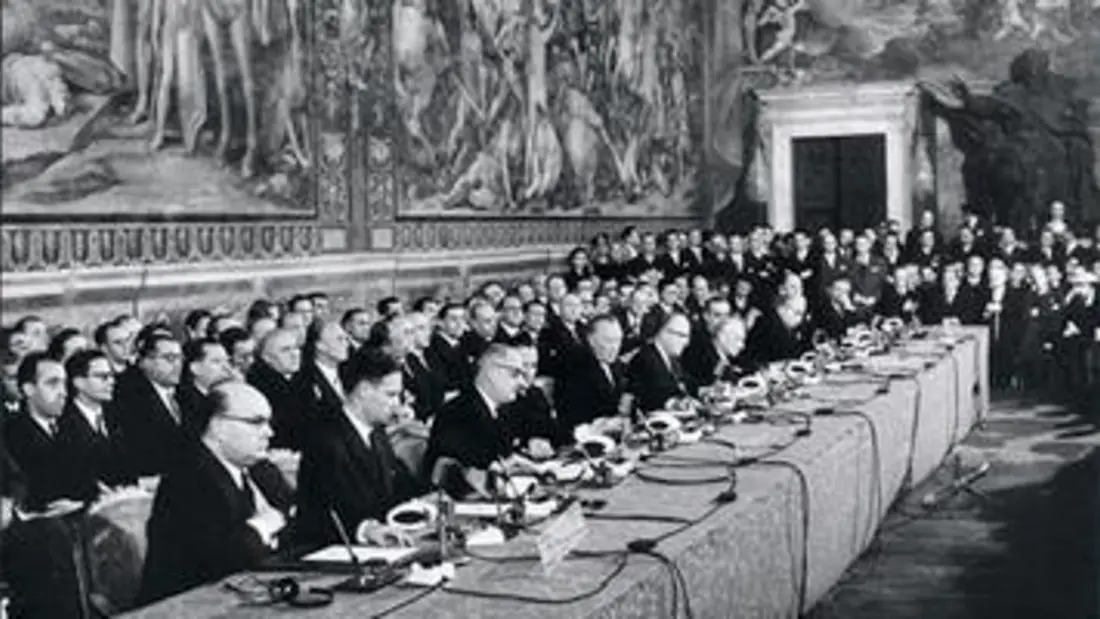
The Eternal City, with its ancient ruins and baroque fountains, had witnessed the rise and fall of empires for millennia, its historic landscape a testament to the power of human ingenuity and diplomacy. On a crisp spring morning, as the sun cast its golden light upon the terracotta rooftops of Rome, the city was abuzz with anticipation, for it was March 29, 1957, and a new chapter in European history was about to unfold. The aftermath of World War II had left the continent in shambles, prompting a collective desire among nations to forge a new path, one that would prioritize cooperation over conflict. It was within this context that six European countries – Belgium, France, Germany, Italy, Luxembourg, and the Netherlands – had been engaged in painstaking negotiations, driven by the vision of a unified and prosperous Europe. The culmination of these efforts was the Treaty of Rome, signed on this very day, which established the European Economic Community, a precursor to the modern-day European Union. The treaty, signed by the foreign ministers of the six founding nations, aimed to create a common market, removing trade barriers and fostering economic integration among its member states. As the ink dried on the treaty, the implications were profound: a new era of European cooperation had begun, one that would gradually erode the borders that had long divided the continent. The immediate impact was palpable, as the treaty paved the way for increased economic collaboration, the free movement of goods, services, and people, and a shared commitment to peace and stability. Today, the legacy of the Treaty of Rome continues to shape the course of European history, serving as a powerful reminder of the transformative power of diplomacy and cooperation in shaping a more united and prosperous future.