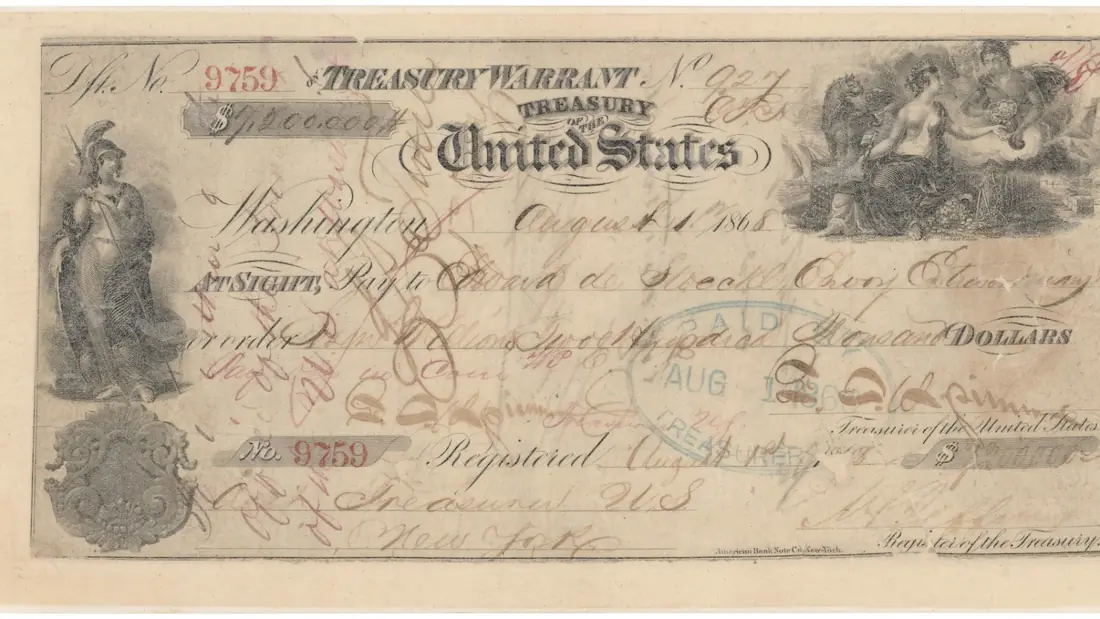
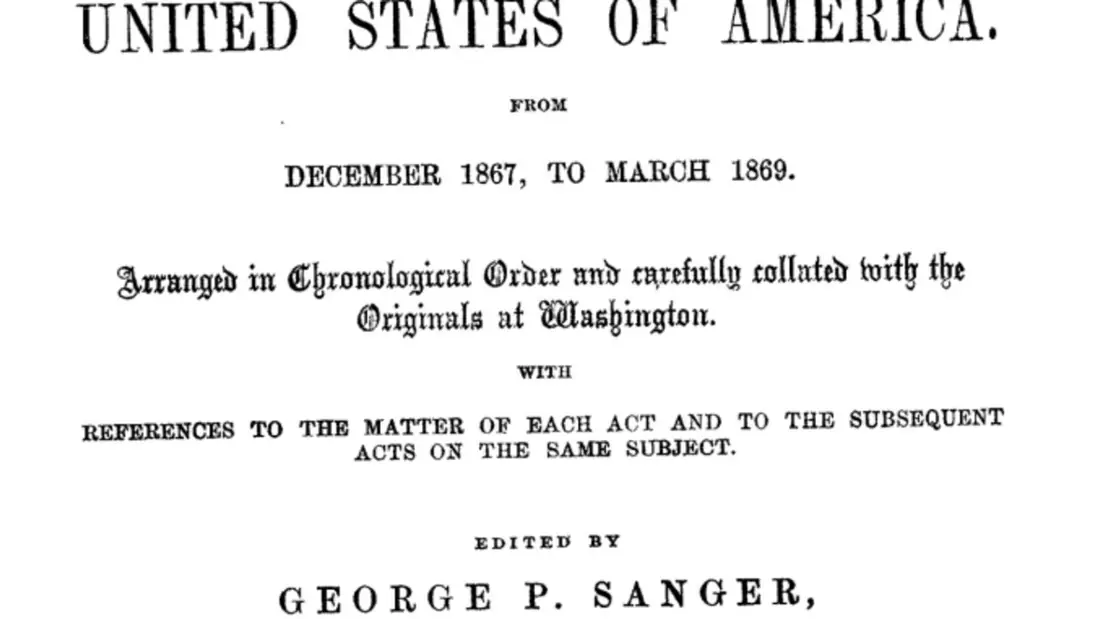
"The treaty for the purchase of Alaska has been signed, and now the thing is done," echoed through the chamber as Secretary of State William H. Seward finalized the agreement with Russian Minister to the United States Eduard de Stoeckl. This monumental moment was the culmination of years of negotiation and strategic planning, driven by Seward's vision of American expansion. The United States had been eyeing the vast, untapped resources of Alaska for some time, and with the end of the Civil War, the government was poised to look beyond its borders for new opportunities. On March 30, 1867, after months of tense negotiations, the United States and Russia signed the treaty for the Alaska Purchase, with the U.S. agreeing to pay $7.2 million for the approximately 586,412 square miles of land. The purchase was not without its critics, with many in the U.S. questioning the wisdom of spending such a large sum on what seemed like a barren, icy wilderness. However, Seward and other proponents of the purchase saw the long-term potential of the land, including its strategic location for trade and its natural resources. The immediate impact of the purchase was the transfer of ownership from Russia to the United States, with the formal transfer taking place on October 18, 1867. Over time, the legacy of the Alaska Purchase has become clear, as the region has proven to be rich in natural resources, including gold, oil, and timber, and has played a significant role in the economic and strategic development of the United States. Today, Alaska is a vital part of the country, known for its breathtaking natural beauty and its importance in American history.
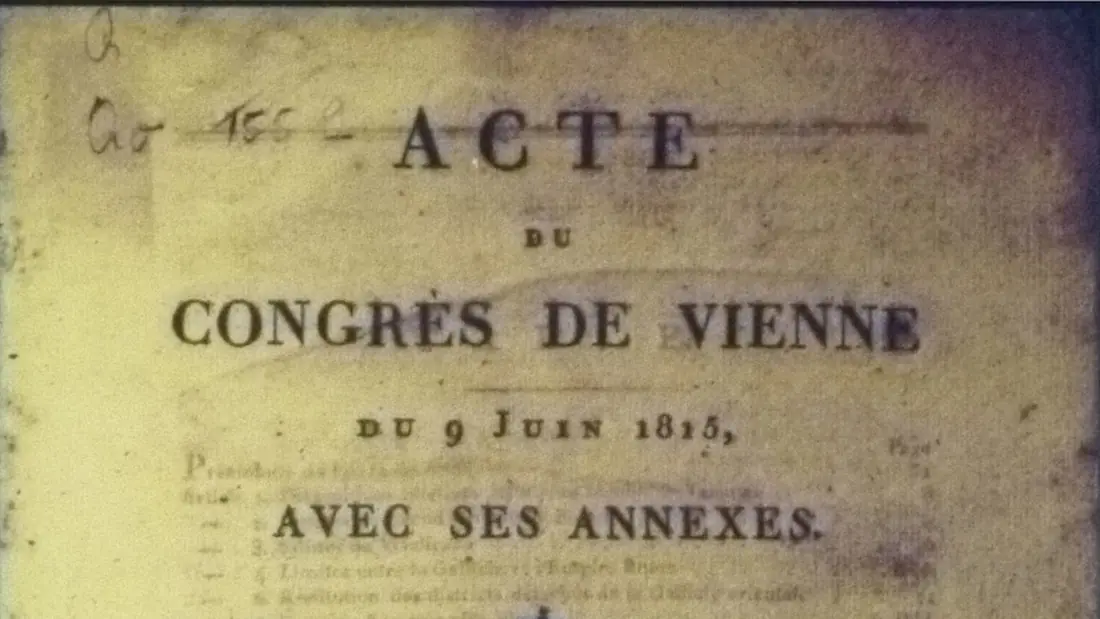
When the dust finally settled, the map of Europe had been redrawn forever. It had all begun just hours earlier when the news of Napoleon Bonaparte's escape from Elba sent shockwaves throughout the continent, prompting the Congress of Vienna to convene in an emergency session. The backdrop to this pivotal moment was the tumultuous years following the French Revolution and the rise of Napoleon, who had expanded his empire through much of Europe, only to be defeated and exiled to the island of Elba in 1814. However, his escape on February 26, 1815, marked the beginning of the Hundred Days, a period that would see Napoleon regain power in France and pose a significant threat to the balance of power in Europe. On March 30, 1815, the Congress of Vienna, comprising representatives from the major European powers including Britain, Russia, Austria, and Prussia, declared Napoleon an outlaw, marking a significant escalation in the efforts to defeat him once and for all. This declaration was not merely a symbolic gesture; it signaled a unified commitment among the European powers to bring an end to Napoleon's reign through military force if necessary. The immediate impact of this declaration was the mobilization of armies across Europe, leading to the eventual Battle of Waterloo on June 18, 1815, where Napoleon would meet his final defeat. The legacy of the Congress of Vienna and its declaration of Napoleon as an outlaw extends beyond the immediate aftermath of his defeat, as it laid the groundwork for the Concert of Europe, a system of diplomacy and collective security that would shape European politics for decades to come. The Congress of Vienna's actions on March 30, 1815, therefore, not only addressed the immediate threat posed by Napoleon but also contributed to a broader effort to establish a more stable and peaceful Europe, a goal that continues to influence international relations today.