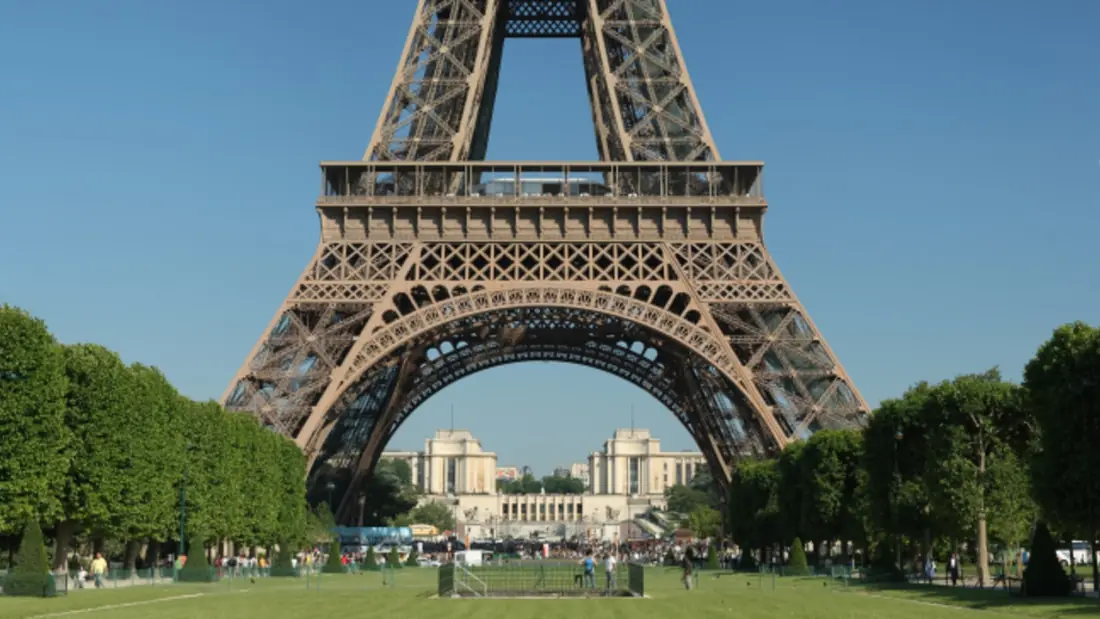
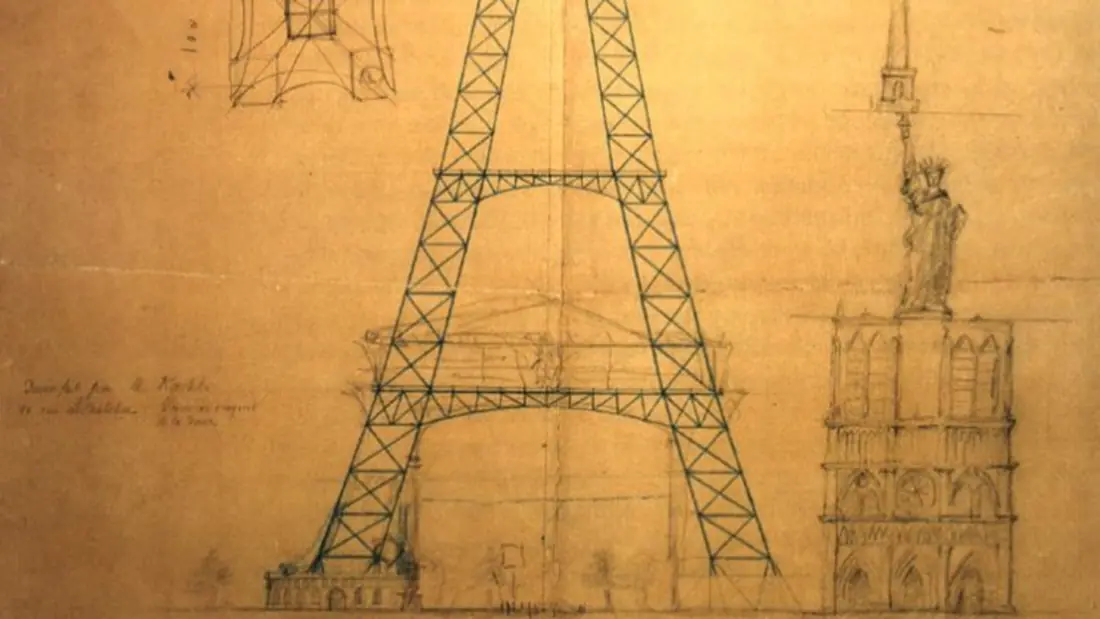
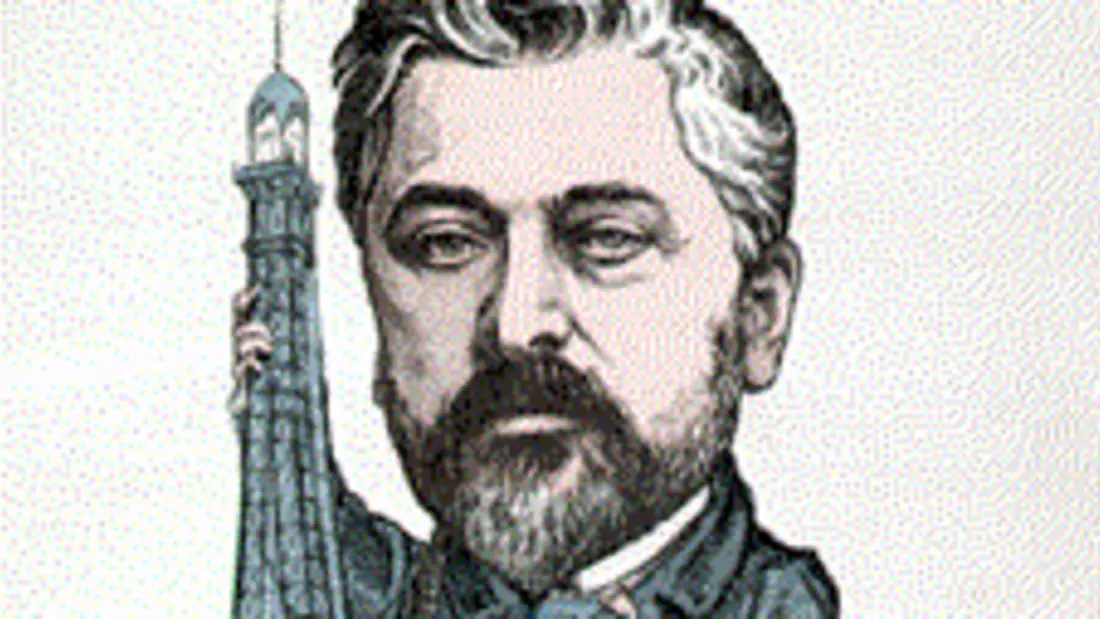
With less than twelve hours before the World's Fair in Paris was set to commence, the city was abuzz with anticipation, and the Eiffel Tower, the iconic centerpiece of the exposition, stood tall, ready to welcome its first visitors. As the final preparations were underway, the sense of urgency was palpable, with engineers and workers racing against time to ensure that every detail was perfect for the grand opening. The Eiffel Tower was the brainchild of Gustave Eiffel, a visionary engineer who had designed the tower as the entrance arch for the World's Fair, held to commemorate the 100th anniversary of the French Revolution. The construction of the tower had begun in January 1887 and had taken approximately two years and two months to complete, with a workforce of over 300 laborers. On March 31, 1889, the Eiffel Tower was officially opened to the public, and the response was overwhelming, with thousands of visitors flocking to see the magnificent structure that would become a symbol of Paris. The tower's sheer scale and innovative design left visitors in awe, and it quickly became the star attraction of the World's Fair, with over 1.9 million visitors during the exposition. As the days passed, the Eiffel Tower's impact on the city and its people became apparent, with the tower becoming an instant icon of Paris and a source of national pride. The Eiffel Tower's legacy extends far beyond its initial purpose as the entrance arch for the World's Fair, and it remains one of the most recognizable landmarks in the world, attracting millions of visitors each year. Today, the Eiffel Tower stands as a testament to human ingenuity and innovation, and its enduring popularity is a reminder of the power of great design and engineering to inspire and captivate people around the world.
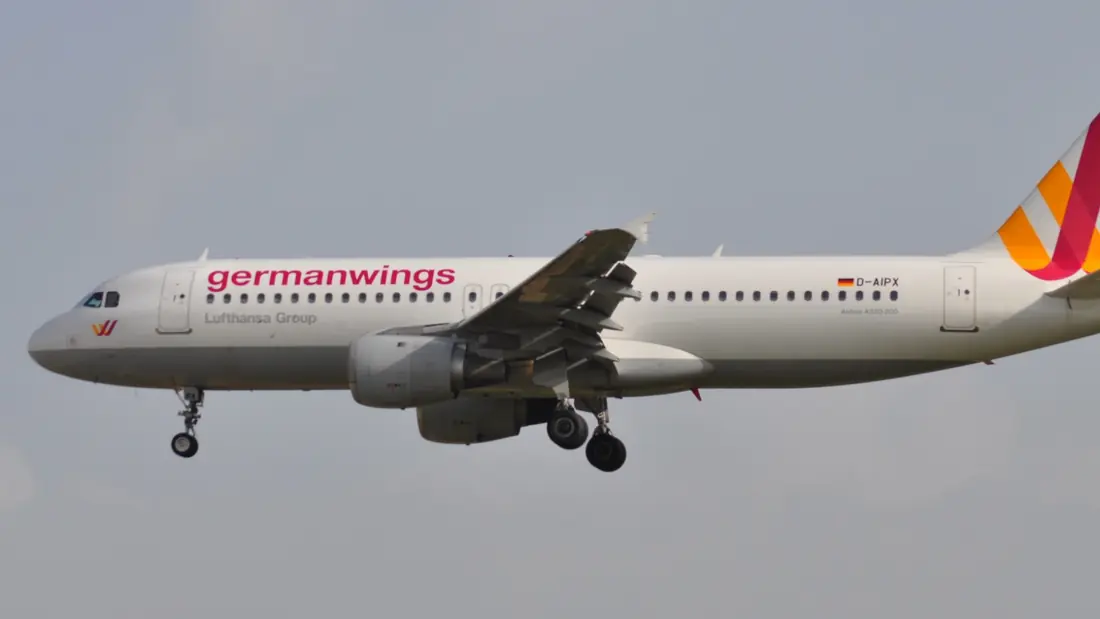
Across the snow-capped peaks of the French Alps, where the air is crisp and the silence is only broken by the occasional sound of an airplane soaring through the sky, a tragedy was unfolding on March 31, 2015. In a small village nestled in the heart of these mountains, the lives of the residents were about to be forever changed by the devastating news of a plane crash. The Germanwings Flight 9525, an Airbus A320-200, was on a routine flight from Barcelona to Düsseldorf when it suddenly plummeted into the mountainside, killing all 150 people on board. The flight had taken off earlier that morning, carrying passengers from over 20 countries, including Germany, Spain, and Australia. As the plane reached its cruising altitude, it began its descent into the Alps, but something went terribly wrong. The co-pilot, Andreas Lubitz, had locked the captain out of the cockpit and deliberately crashed the plane into the mountains. The impact was catastrophic, and the wreckage was scattered across the mountainous terrain. The news of the crash sent shockwaves around the world, with families of the victims and the aviation community struggling to come to terms with the scale of the tragedy. In the immediate aftermath, the French authorities launched an investigation into the cause of the crash, which would later reveal the disturbing truth about the co-pilot's actions. The crash of Germanwings Flight 9525 led to significant changes in the aviation industry, including the implementation of new rules regarding cockpit access and pilot mental health checks. Today, the memory of the victims of this tragic event continues to be honored, and the incident serves as a reminder of the importance of prioritizing safety and security in the skies.