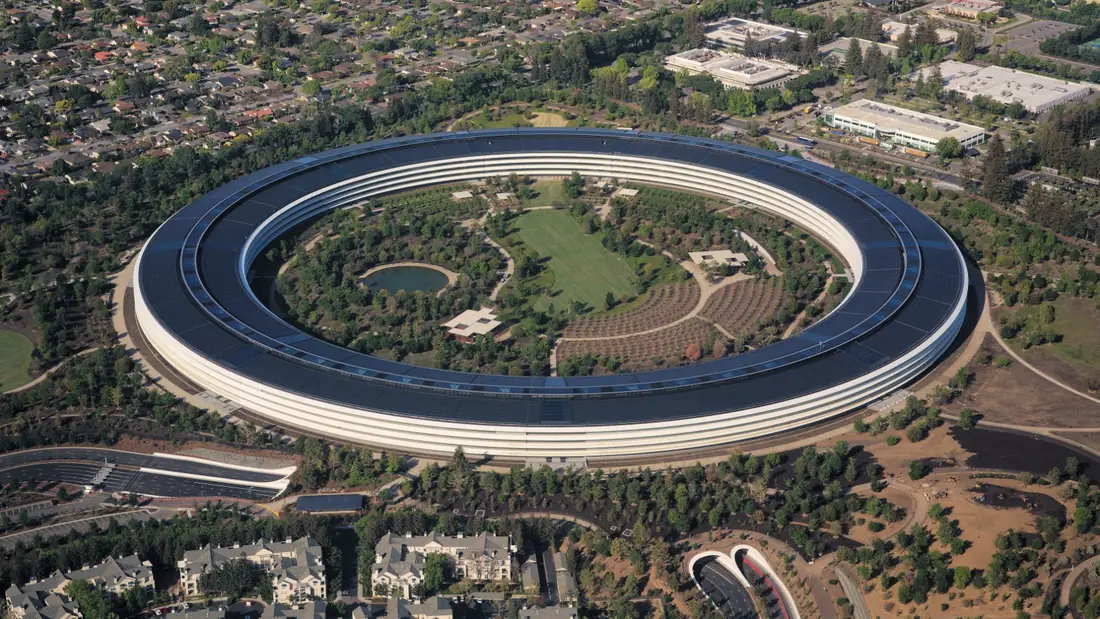
The hum of the garage workshop, filled with the smell of solder and the faint tang of freshly cut circuit boards, hung in the air as the sun rose over the small town of Los Altos, California. It was here, amidst the clutter of tools and half-finished projects, that a revolution was quietly taking shape. The year was 1976, and the world of technology was on the cusp of a seismic shift, driven in part by the innovative spirit of three young men: Steve Jobs, Steve Wozniak, and Ronald Wayne. Their collaboration, sparked by a shared passion for electronics and design, had been months in the making, with Wozniak's ingenious design for a personal computer and Jobs' charismatic vision for its potential. On April 01, 1976, these efforts coalesced into the formal founding of Apple Inc., a company that would go on to redefine the boundaries of personal computing and beyond. The founding of Apple marked the beginning of an era where technology would become increasingly personal and accessible, a shift that would change the way people lived, worked, and communicated. As news of the new company spread, albeit slowly at first, it signaled to the tech community that a new player had entered the scene, one that was determined to make its mark. The immediate impact was subtle, a ripple in the pond of the burgeoning tech industry, but it was the legacy of that moment, the creation of a company that would push the boundaries of innovation and design, that truly mattered. Today, Apple Inc. stands as a testament to the power of visionary thinking and collaborative genius, its influence felt across the globe, a reminder that even the most significant transformations can begin in the humblest of settings, such as a garage workshop in California.
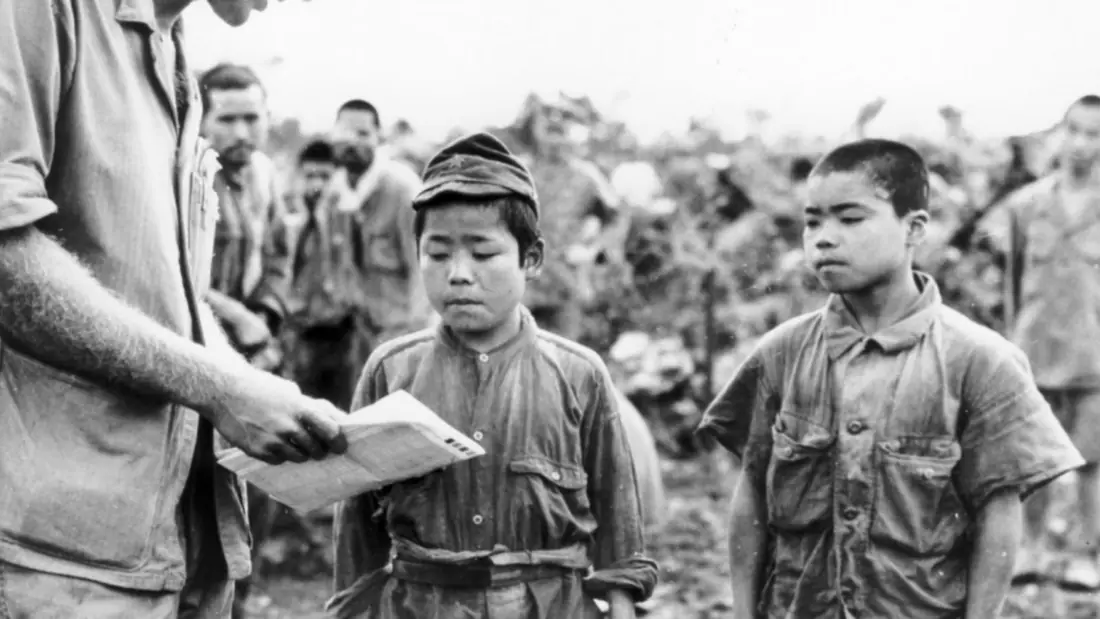
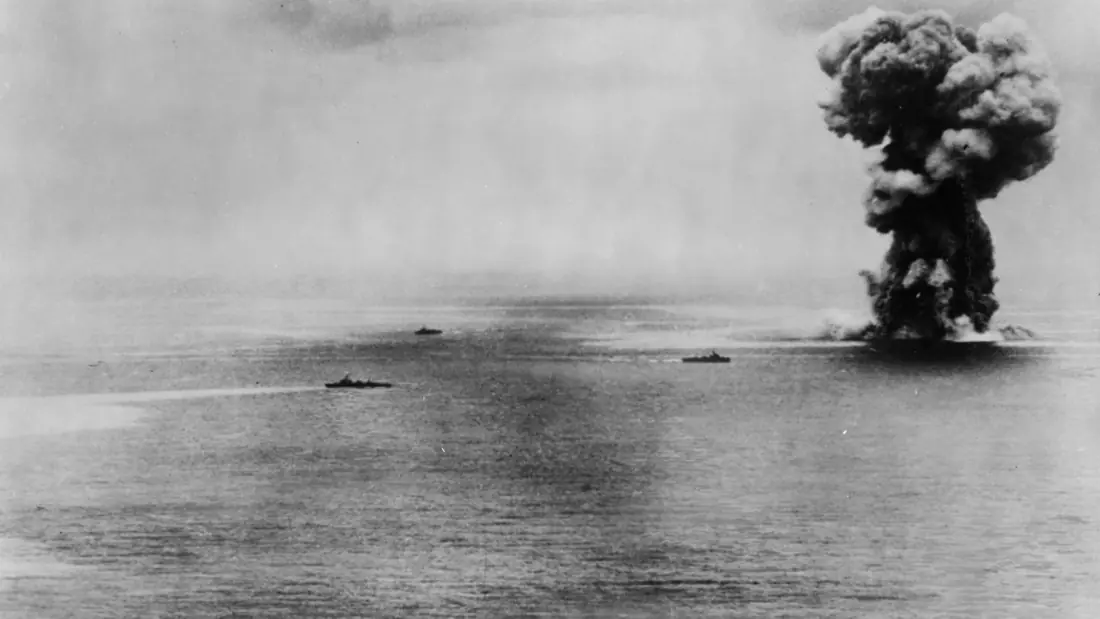
"The battle for Okinawa will be a fight to the death," echoed through the chambers of the Imperial Japanese Army as General Mitsuru Ushijima prepared his troops for the impending invasion. These words would become a haunting prophecy as the Battle of Okinawa commenced. The stage for this pivotal event in World War II was set by the Allies' relentless push towards Japan, following the capture of key islands such as Iwo Jima and Guam. The strategic importance of Okinawa, located just 340 miles from the Japanese mainland, made it an indispensable stepping stone for the planned invasion of Japan. On April 01, 1945, the battle began as American forces, comprising the Tenth United States Army under General Simon Bolivar Buckner Jr., landed on the western coast of Okinawa, facing fierce resistance from the heavily entrenched Japanese army. The initial assault involved over 180,000 troops, supported by an armada of naval ships and aircraft, making it one of the largest amphibious assaults in the Pacific Theater. The battle would rage on for 83 days, resulting in one of the bloodiest conflicts of the war, with estimates suggesting over 200,000 casualties, including military personnel and civilians. The immediate impact of the battle was the securing of crucial airbases and ports, which would be used to launch further operations against Japan. The legacy of the Battle of Okinawa extends beyond the war itself, as it marked a turning point in the Allies' push towards Japan, ultimately contributing to the decision to drop atomic bombs on Hiroshima and Nagasaki, and paving the way for Japan's surrender. Today, the battle serves as a poignant reminder of the sacrifices made during World War II and the importance of peace and diplomacy in preventing such devastating conflicts.