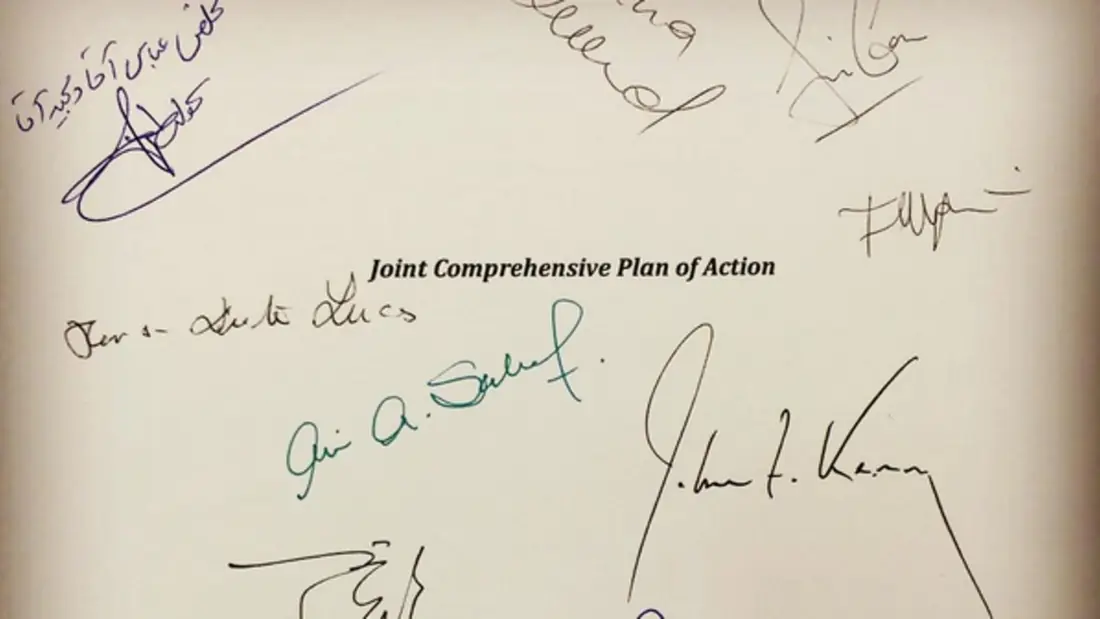
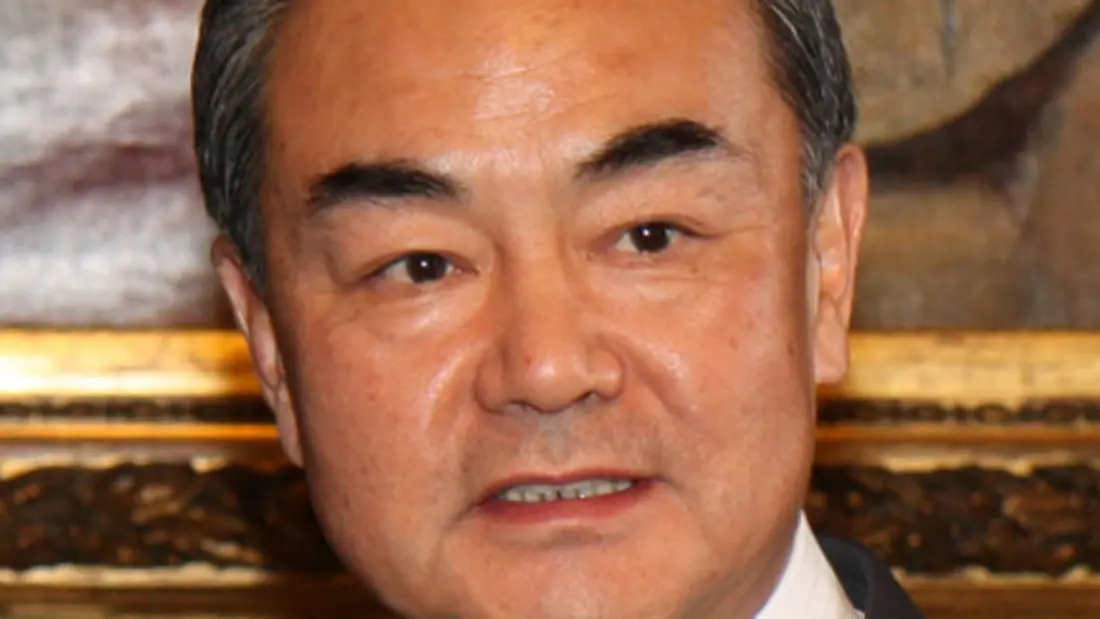
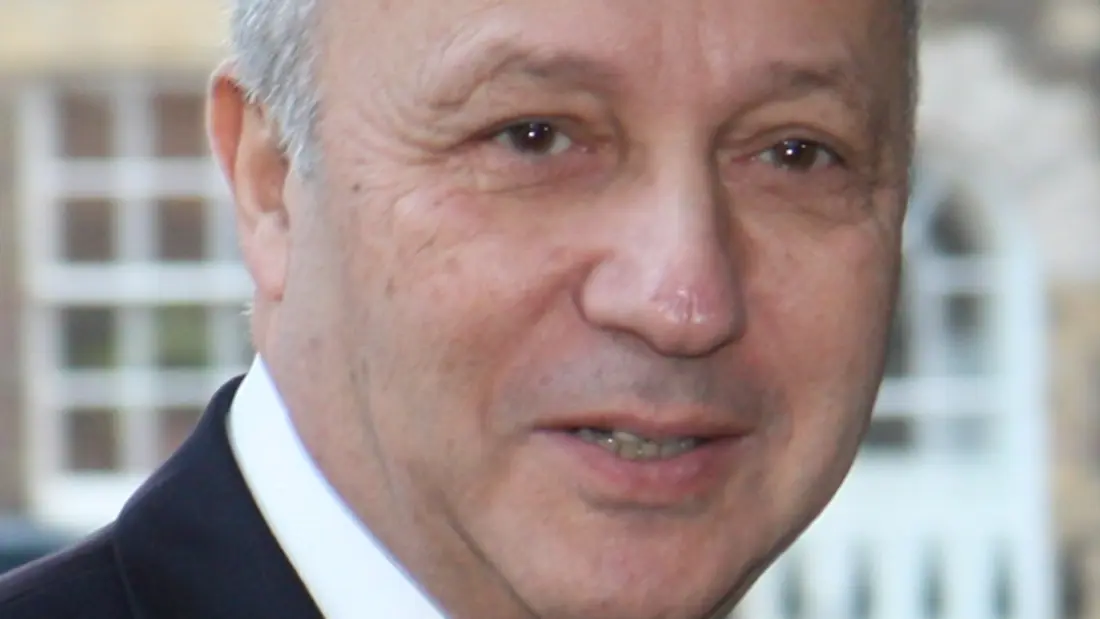
The memo was brief, a mere outline of possibilities, stamped 'routine' by the diplomats who drafted it. Within a year, it would become the foundation of a historic agreement, one that would alter the geopolitical landscape. The journey to this moment began years earlier, as tensions between Iran and the international community escalated over concerns about the country's nuclear program. By 2015, after months of intense negotiations, the stage was set for a breakthrough. On April 02, 2015, in Lausanne, Switzerland, the Iranian nuclear deal framework was agreed upon, marking a significant shift in relations between Iran and the P5+1 countries - the United States, the United Kingdom, France, Russia, China, and Germany. This framework, which would later be known as the Joint Comprehensive Plan of Action (JCPOA), was the result of tireless efforts by diplomats such as John Kerry, Mohammad Javad Zarif, and Federica Mogherini, among others. The agreement limited Iran's nuclear activities in exchange for relief from economic sanctions, a deal that was seen as a major achievement in international diplomacy. Immediately following the announcement, there was a sense of cautious optimism, as the world watched to see if the agreement would hold and lead to a more stable Middle East. The legacy of the JCPOA continues to be felt today, as it remains a pivotal moment in the history of international relations, demonstrating the power of diplomacy in resolving even the most seemingly intractable conflicts. Despite challenges and controversies, the agreement stands as a testament to what can be achieved through perseverance and cooperation on the global stage.
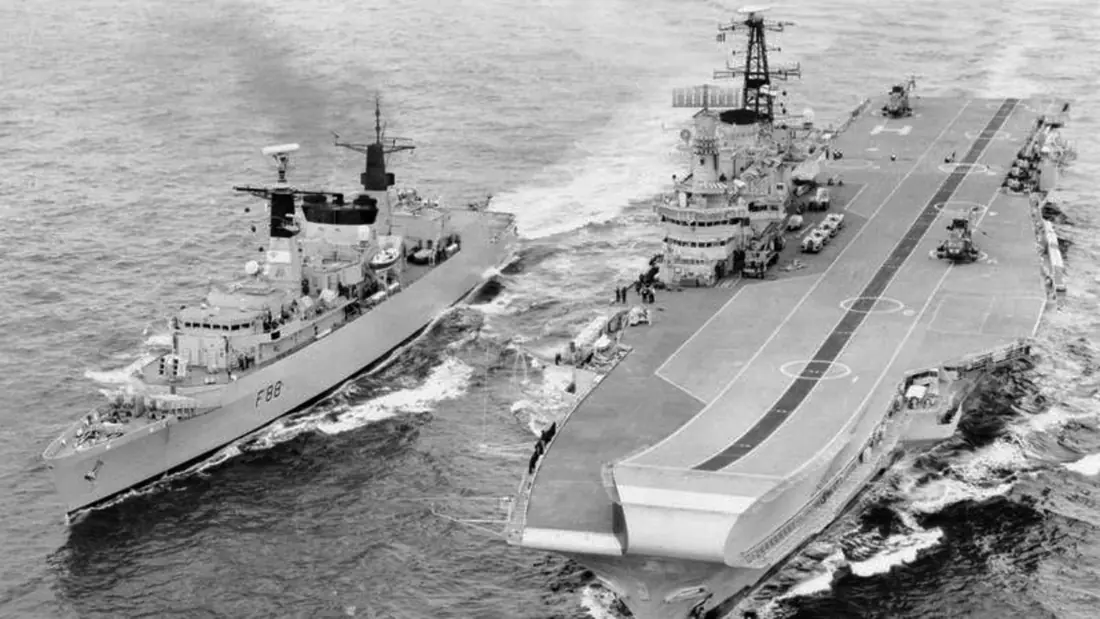
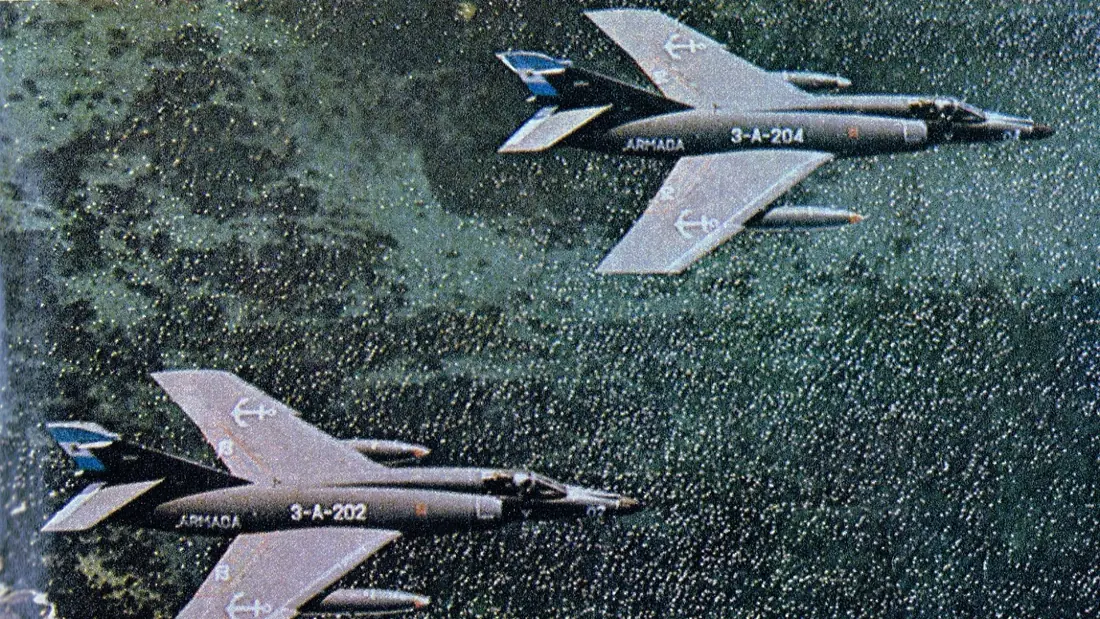
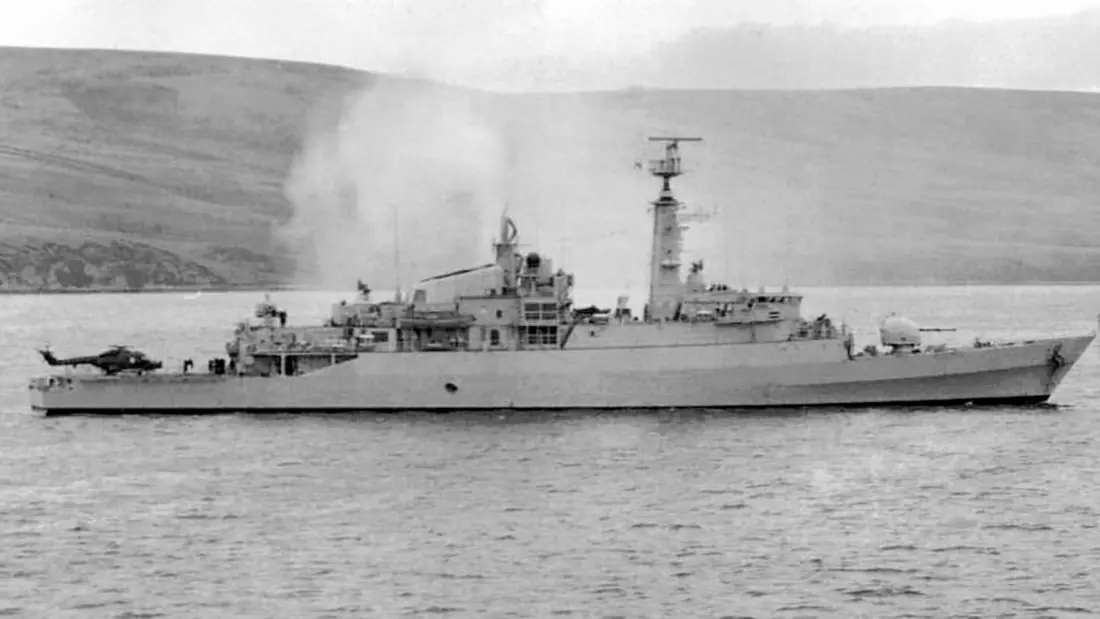
As the sun rose over the sleepy town of Stanley, shopkeepers were arranging their morning displays and fishermen were preparing for another day at sea, unaware that within hours, their lives would be forever changed by the drums of war. The ordinary rhythms of life in the Falkland Islands, a British overseas territory in the South Atlantic, were about to be shattered by an extraordinary event. For months, tensions had been escalating between Argentina and the United Kingdom over the sovereignty of the islands, with Argentina claiming them as its own. The dispute had been simmering for decades, but it wasn't until April 02, 1982, that the situation finally boiled over. On that fateful day, Argentine forces, under the command of General Leopoldo Fortunato Galtieri, invaded the Falkland Islands, quickly overwhelming the small British garrison stationed there. The invasion force, which included troops, ships, and aircraft, met with little resistance, and by the end of the day, the islands were under Argentine control. The British government, led by Prime Minister Margaret Thatcher, responded swiftly to the invasion, declaring a state of emergency and assembling a naval task force to retake the islands. The immediate impact of the invasion was a dramatic escalation of tensions between Argentina and the UK, with both countries mobilizing their military forces for a full-scale conflict. The legacy of the Falklands War, which lasted for 74 days and resulted in the deaths of 649 Argentine and 255 British military personnel, can still be felt today, with the dispute over the islands' sovereignty remaining unresolved. The war marked a significant turning point in British foreign policy, demonstrating the country's willingness to defend its territories and interests abroad, and it also had a profound impact on the people of the Falkland Islands, who were forced to endure the hardships and uncertainties of war.