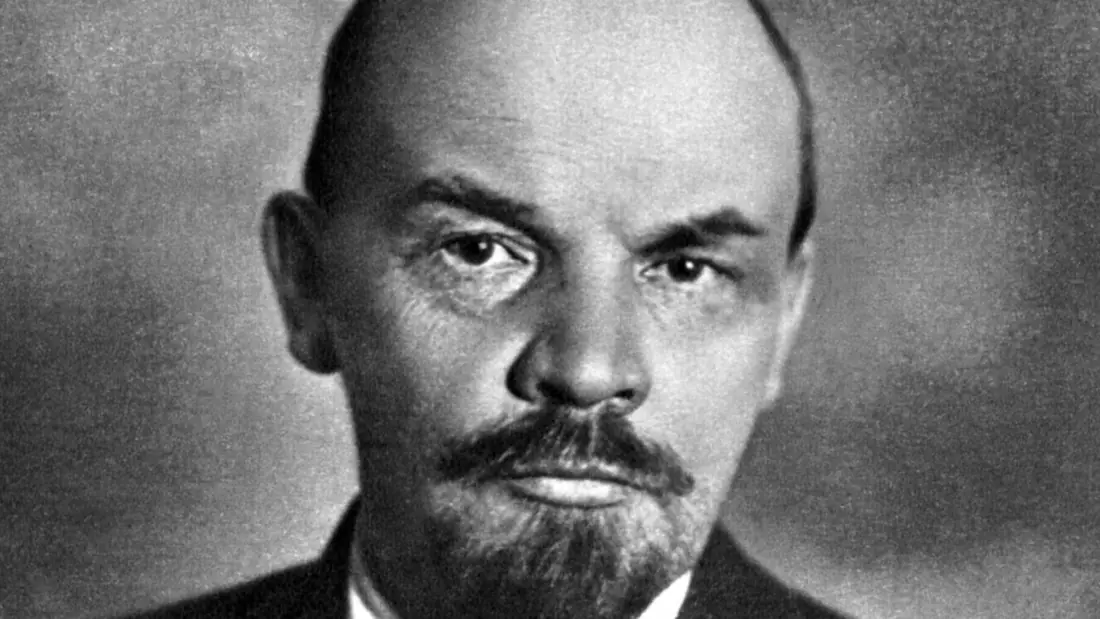
When the dust finally settled, the map of Europe had been redrawn forever, with the Russian Revolution leaving an indelible mark on world history. It had all begun just hours earlier when Vladimir Lenin, a man whose name would become synonymous with the Bolshevik movement, returned to Russia from exile. The provisional government, established after the abdication of Tsar Nicholas II, was struggling to maintain control, and the country was in a state of turmoil. The war effort was faltering, and the economy was on the brink of collapse, creating a perfect storm for revolution. On April 03, 1917, Lenin arrived at the Finland Station in Petrograd, where he was greeted by a crowd of supporters, and delivered his April Theses, a series of radical proposals that called for the overthrow of the provisional government and the establishment of a socialist state. Lenin's message resonated with the masses, and his charisma and leadership skills quickly made him a dominant figure in the Bolshevik Party. As he stepped off the train, Lenin was met with a mixture of excitement and skepticism, but his words would soon change the course of history. The April Theses were a call to action, urging the Bolsheviks to take control of the revolution and establish a dictatorship of the proletariat. The immediate impact of Lenin's return and his April Theses was a significant shift in the balance of power, as the Bolsheviks began to gain momentum and the provisional government's control started to slip. In the years that followed, Lenin's vision for a socialist Russia would become a reality, and his legacy would continue to shape the world, inspiring socialist movements and revolutions across the globe. Today, Lenin's influence can still be felt, and his name remains a symbol of the power of ideology and the impact of individual leadership on the course of history.
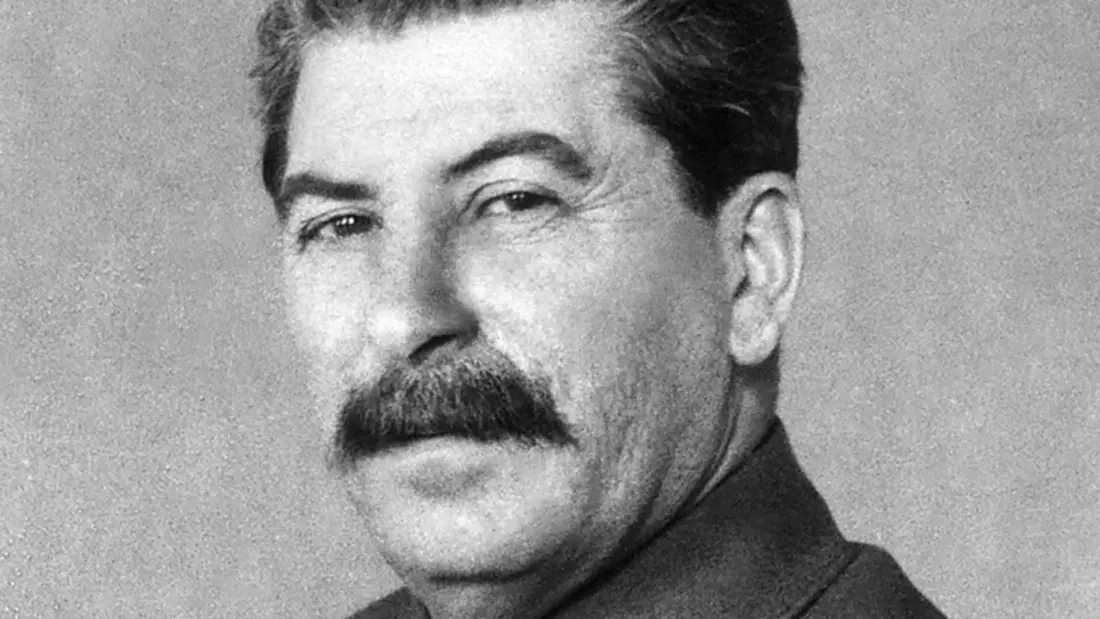
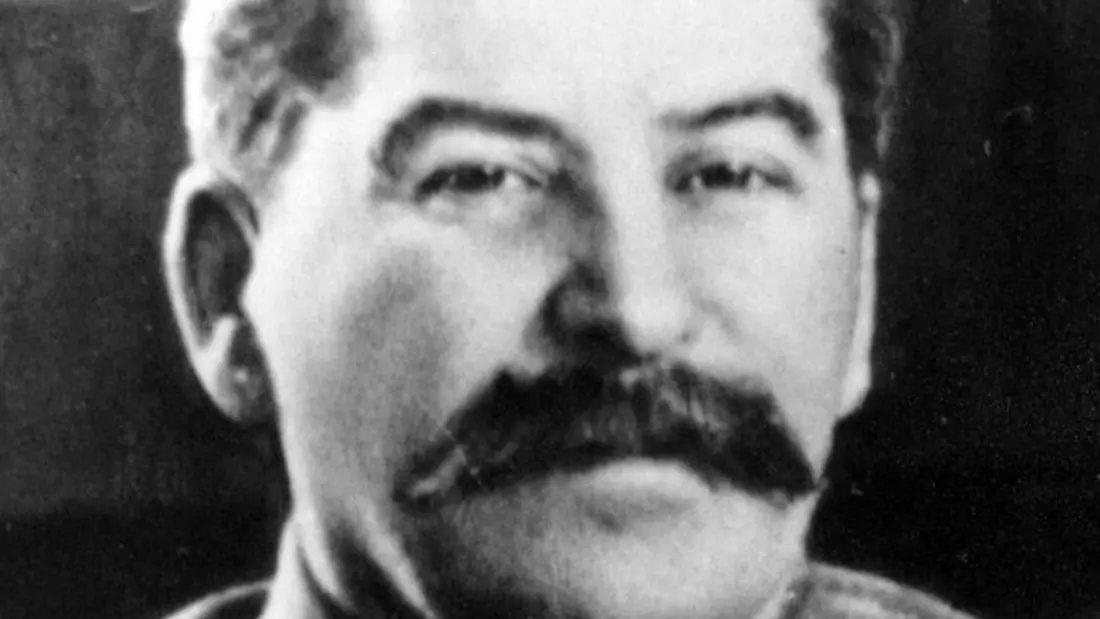
"The dictatorship of the proletariat is a most determined and most ruthless war waged by the new class against a more powerful class, the bourgeoisie," echoed through the chambers of the Communist Party as Joseph Stalin rose to prominence. This sentiment, reflective of the party's ideology, was about to be embodied in its new leader. The years following the Russian Revolution had been tumultuous, with Vladimir Lenin at the helm, guiding the Soviet Union through its formative stages. However, Lenin's health was declining, and the need for a successor became increasingly urgent. On April 03, 1922, this need was met when Joseph Stalin became the General Secretary of the Communist Party of the Soviet Union, a position that would catapult him to unparalleled power. Stalin's appointment was a strategic move, given his proven organizational skills and his role in the Bolsheviks' rise to power. As General Secretary, Stalin was responsible for the day-to-day operations of the party, a role that allowed him to consolidate power and influence. The immediate impact of Stalin's ascension was subtle but profound; he began to maneuver the party's apparatus to his advantage, slowly but surely eliminating potential rivals and consolidating his position. The legacy of Stalin's rule would be marked by both industrialization and terror, leaving an indelible mark on the Soviet Union and the world. Today, the date of April 03, 1922, is remembered as a pivotal moment in history, marking the beginning of Stalin's ascent and the profound changes that would follow, shaping the course of the 20th century.