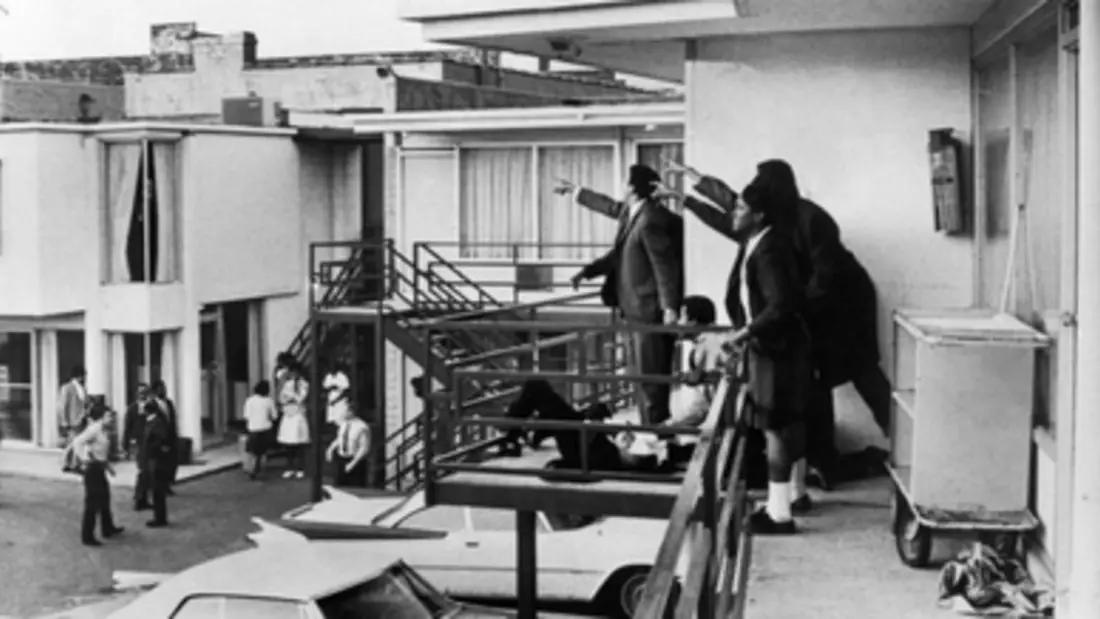
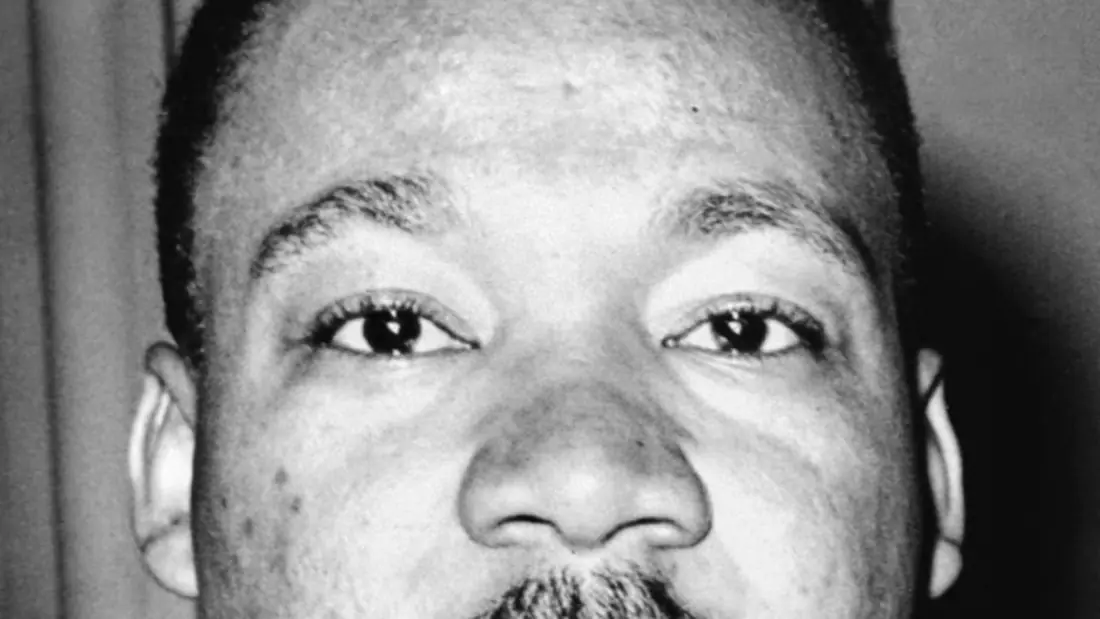
What happens when the voice of a generation is silenced in an instant, leaving behind a legacy that continues to shape the course of history? This profound question echoes through the annals of time, particularly on a fateful day in April 1968. The civil rights movement, led by figures like Martin Luther King Jr., had been gaining momentum, challenging the deep-seated racial inequalities that plagued the United States. As King stood on the balcony of the Lorraine Motel in Memphis, Tennessee, on April 04, 1968, he was not just a leader but a beacon of hope for a nation torn apart by discrimination and violence. It was on this day, at around 6:00 PM, that King's life was tragically cut short by an assassin's bullet, plunging the nation into mourning and outrage. The event sent shockwaves across the country, with riots erupting in over 100 cities and widespread calls for justice and equality. In the immediate aftermath, King's message of nonviolent resistance and love continued to inspire a generation, leading to significant advancements in civil rights legislation. Today, Martin Luther King Jr.'s legacy extends far beyond his untimely death on April 04, 1968; it serves as a powerful reminder of the enduring struggle for human rights and the impact one person can have on the world. His dream of a more equitable society continues to inspire movements and leaders around the globe, ensuring that his voice, though silenced, remains an enduring force for change.
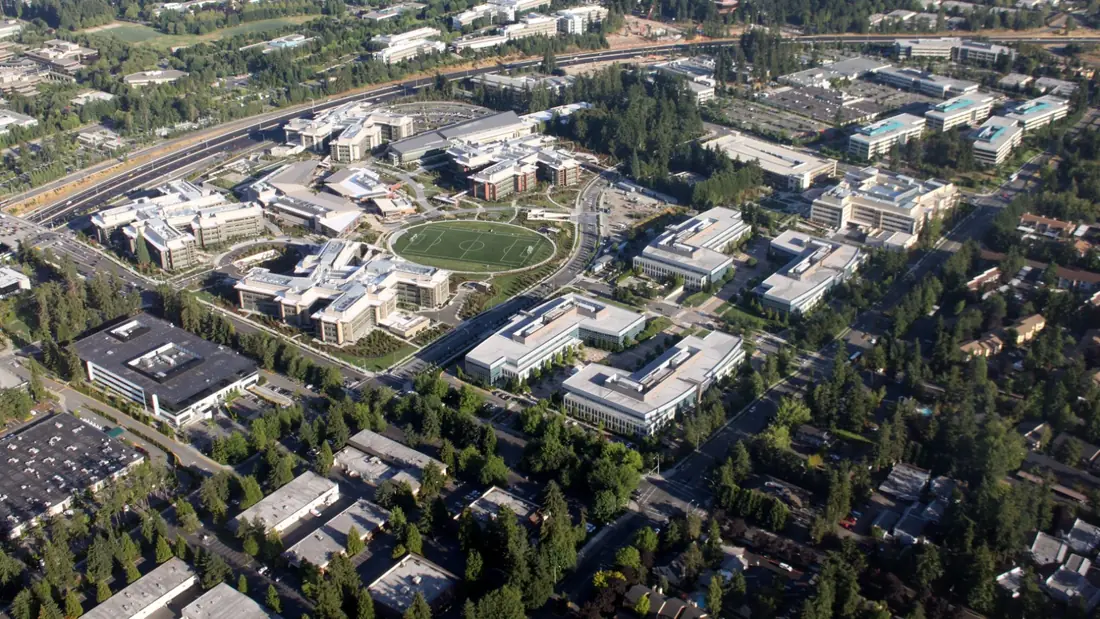
In the span of five decades, a single company would come to dominate the global software industry, with its products used by over a billion people worldwide. This phenomenon began with a partnership that would change the face of technology, as two young visionaries, Bill Gates and Paul Allen, laid the groundwork for what would become the world's largest software company. The journey to this pinnacle began long before the company's inception, with Gates and Allen meeting at the Lakeside School in Seattle, where they shared an interest in computer programming. Their collaboration led to the development of a version of the programming language BASIC for the Altair 8800 microcomputer, which caught the attention of the computer hardware industry. On April 04, 1975, Gates and Allen officially founded Microsoft, with the name a combination of the words 'microcomputer' and 'software.' The company's first office was in Albuquerque, New Mexico, and its first product was a version of BASIC for the Altair 8800. The formation of Microsoft marked the beginning of a new era in the software industry, as the company's products would go on to revolutionize the way people worked and communicated. Immediately after its founding, Microsoft began to gain traction, with its version of BASIC becoming the industry standard for personal computers. The company's success would continue to grow exponentially, with the release of the Windows operating system in 1985 and the Office software suite in 1989. Today, Microsoft remains one of the world's most influential and successful companies, with its products and services used by people all over the globe. The legacy of Gates and Allen's partnership continues to shape the technology industry, as Microsoft remains at the forefront of innovation, developing new products and services that are changing the world.