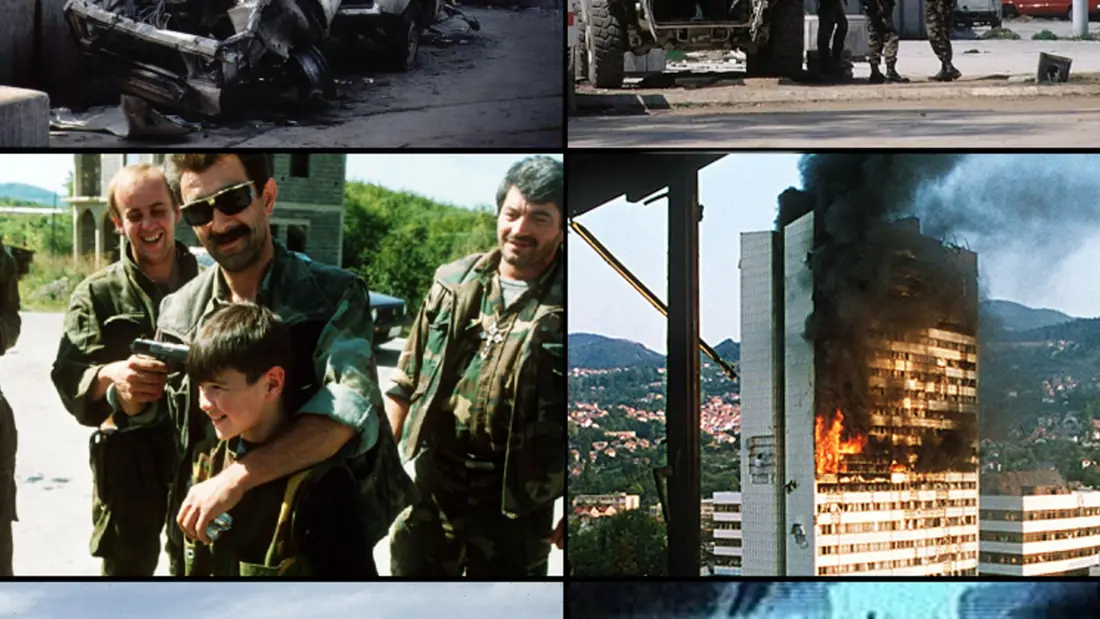
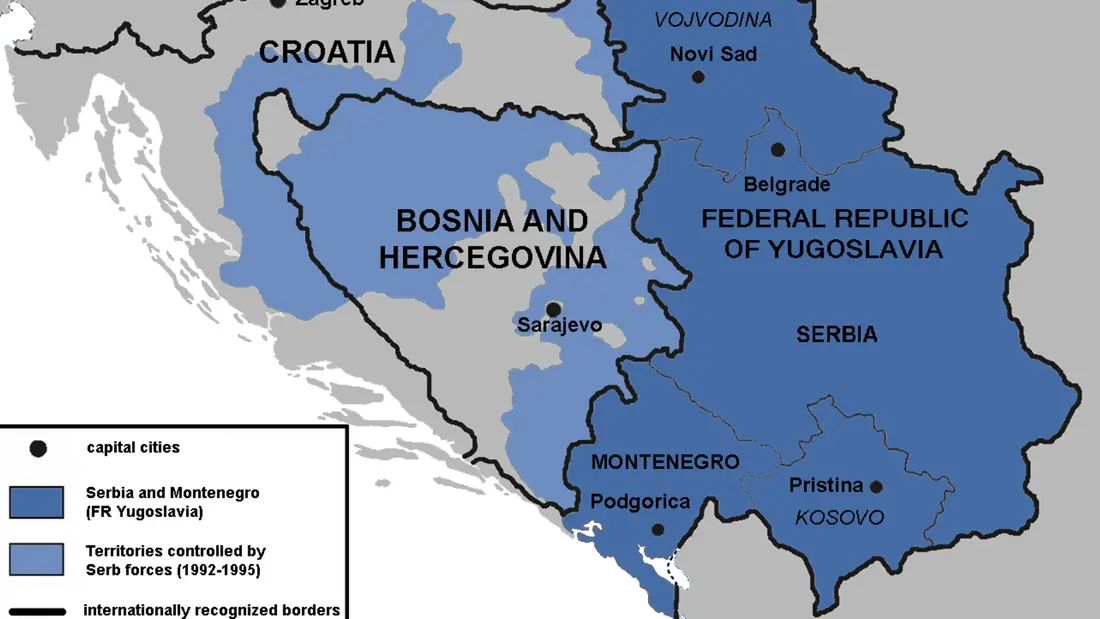
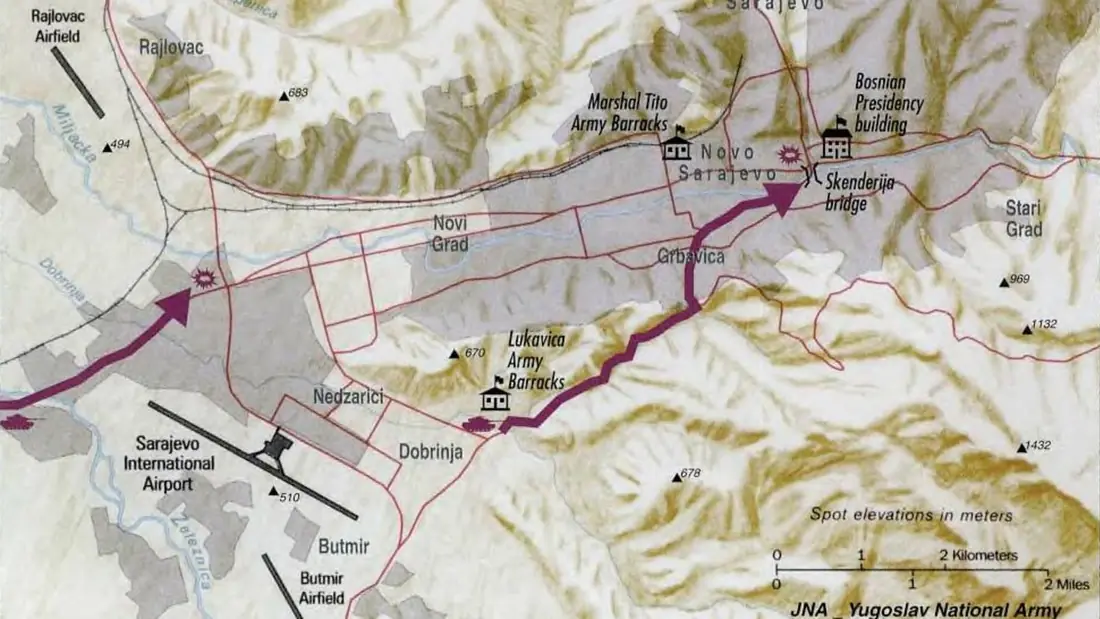
In the span of forty-four months, over 11,000 civilians would lose their lives in a city under relentless bombardment, with an average of 329 shell impacts per day, as the world watched in horror. This was the stark reality of the Siege of Sarajevo, a brutal conflict that would become one of the longest and most devastating sieges in modern history. The roots of this tragedy lay in the dissolution of Yugoslavia, a process that began in the early 1990s and led to a complex web of ethnic and nationalist tensions. As Bosnia and Herzegovina declared its independence in March 1992, the Bosnian Serb forces, backed by the Yugoslav People's Army, began to mobilize against the newly formed government. On April 05, 1992, these tensions boiled over into outright war, as the Siege of Sarajevo officially began, with the city's multicultural population of approximately 525,000 people finding themselves under siege. The siege was marked by constant shelling, sniper fire, and a blockade that cut off basic supplies, including food, water, and medicine. The international community was slow to respond, leaving the people of Sarajevo to endure unimaginable hardship. As the siege dragged on, it became a symbol of the international community's failure to prevent humanitarian crises. The legacy of the Siege of Sarajevo continues to be felt today, serving as a stark reminder of the devastating consequences of ethnic conflict and the importance of swift and decisive international action in the face of humanitarian emergencies. The siege finally ended in February 1996, but the memory of those 1,425 days of terror and resilience continues to shape our understanding of the importance of protecting human rights and preventing future conflicts.
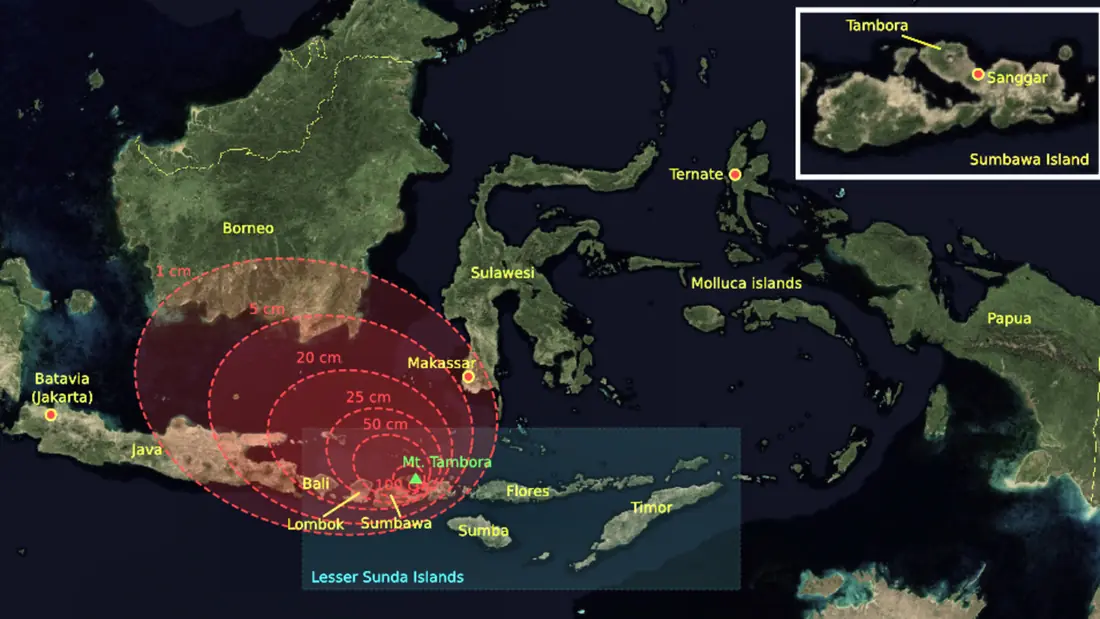
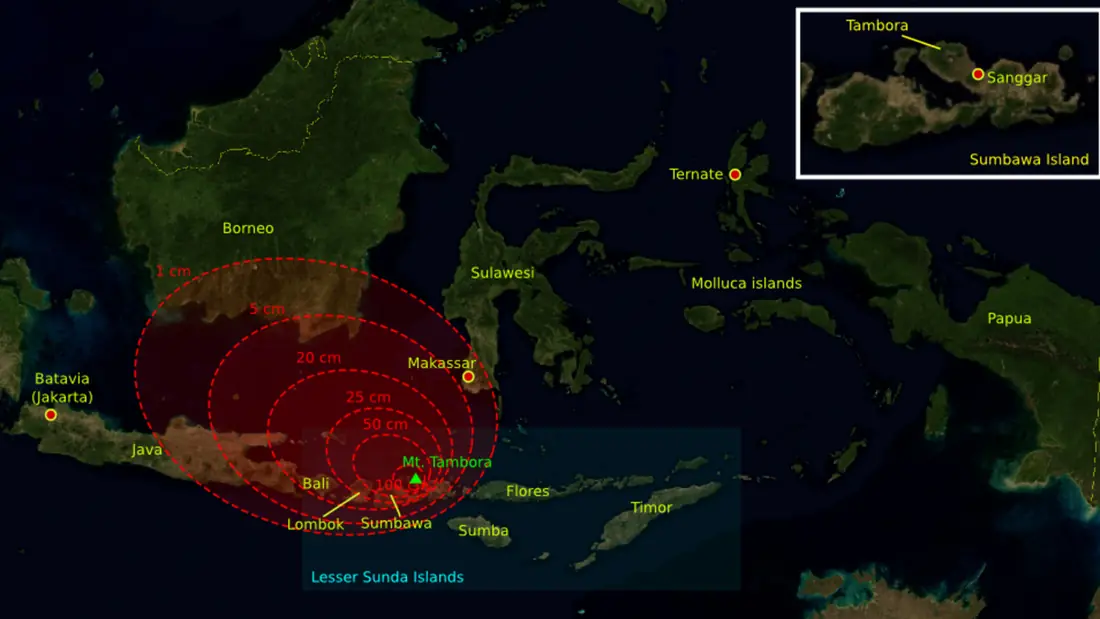
Thomas Stamford Raffles, a 33-year-old British statesman and naturalist, was sipping his morning tea on the veranda of his residence in Bencoolen, Sumatra, when the sky began to darken and the air grew thick with an eerie, pungent smell. It was April 05, 1815, and Raffles, who had been serving as the Governor of the Dutch East Indies, was about to witness a catastrophic event that would change the course of history. The island of Sumbawa, where the mighty Mount Tambora stood, had been experiencing increased seismic activity in the preceding months, with tremors and rumblings that had grown more frequent and intense. On this fateful day, Mount Tambora erupted in a colossal explosion that would be heard and felt thousands of miles away, spewing massive amounts of ash, sulfur dioxide, and other gases into the atmosphere. The eruption was so powerful that it blew off the top of the mountain, reducing its height by over 4,000 feet, and sending pyroclastic flows racing down its slopes at speeds of up to 100 miles per hour. The immediate aftermath of the eruption saw widespread destruction and chaos, with entire villages buried under ash and debris, and the surrounding seas churned up by tsunamis. As the ash cloud spread across the globe, it would go on to cause the infamous 'Year Without a Summer' in 1816, with temperatures plummeting and crops failing, leading to widespread famine and disease. The eruption of Mount Tambora remains one of the most significant volcanic events in recorded history, and its impact on the environment and human societies continues to be felt to this day, serving as a stark reminder of the awe-inspiring power of geological forces that shape our planet.