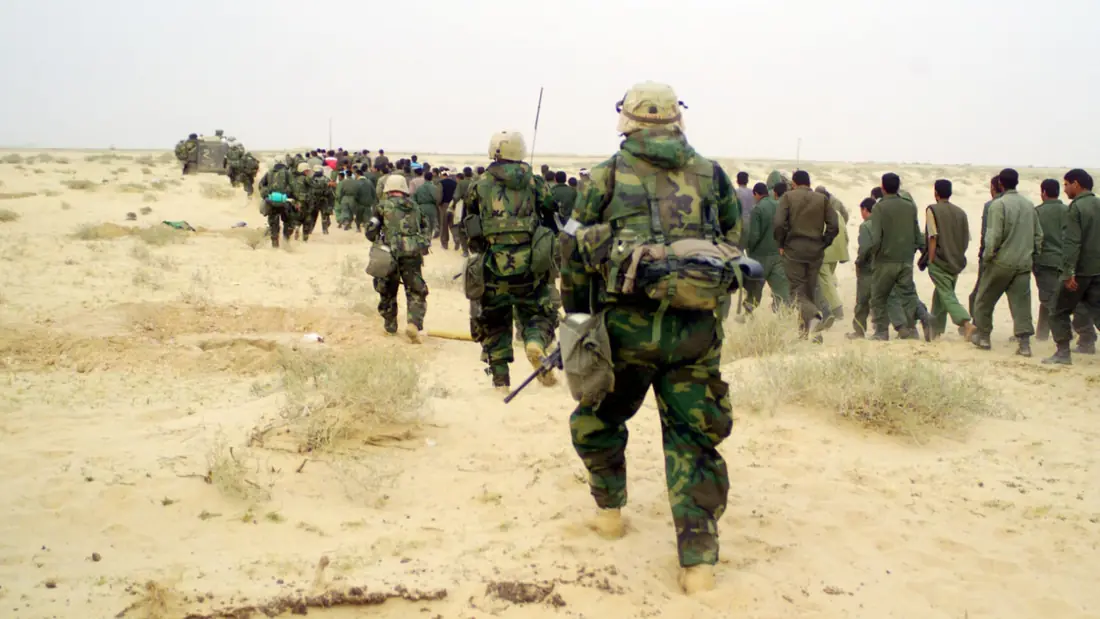
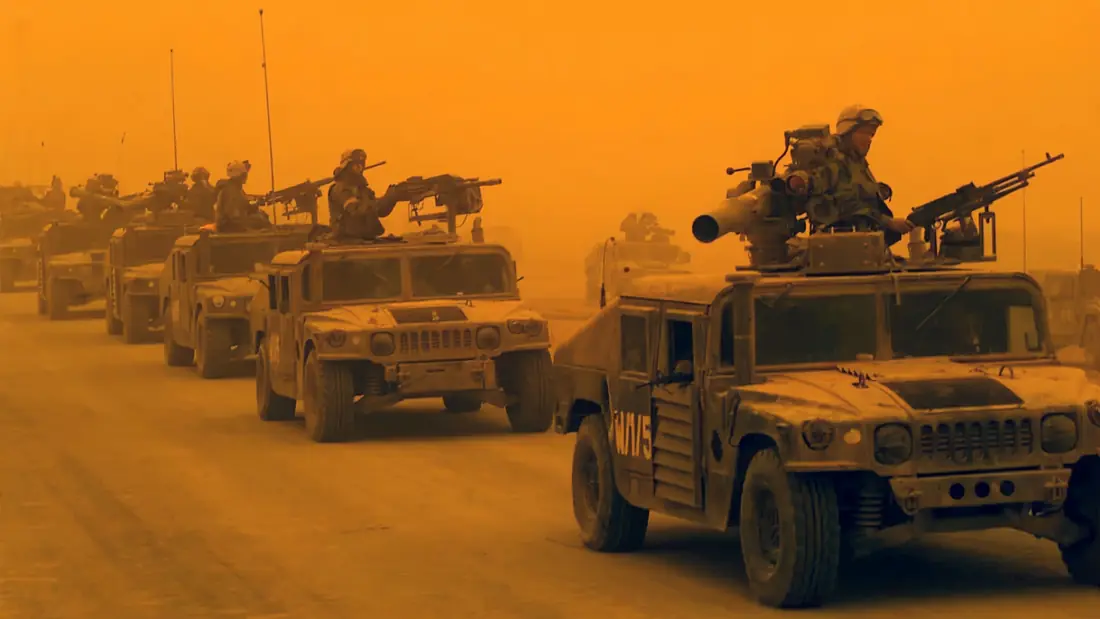
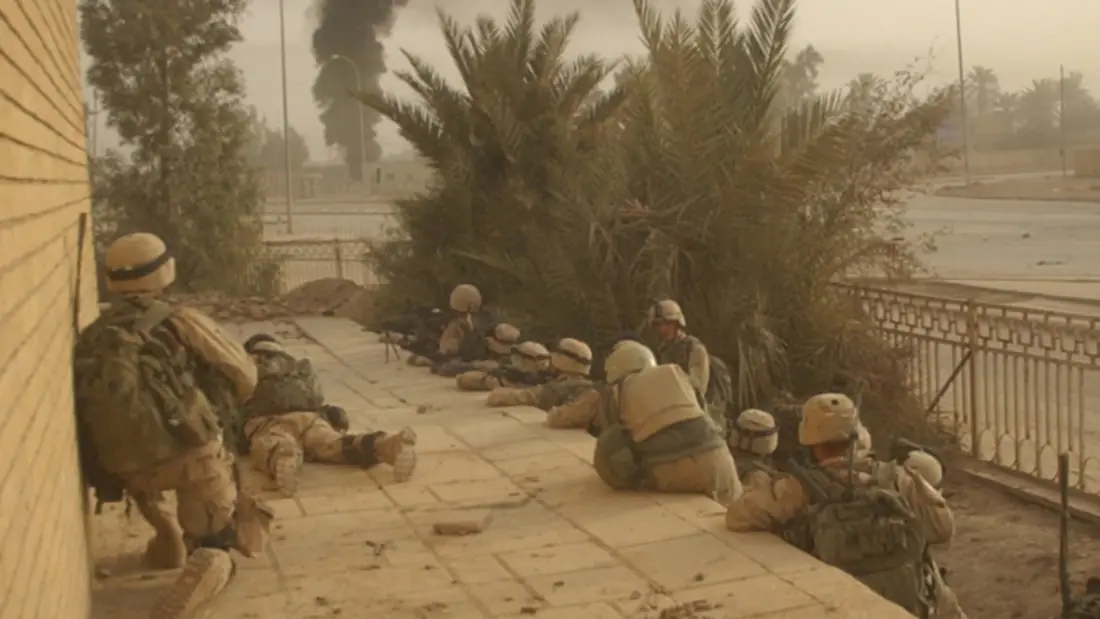
The Tigris River, which had witnessed the rise and fall of ancient civilizations, flowed gently through the heart of Baghdad on a fateful morning in April. The city, with its rich history and blend of modern and ancient architecture, was about to become the focal point of a significant event in modern history. As the sun rose over the city on April 09, 2003, the stage was set for a dramatic turn of events. The backdrop to this moment was the 2003 invasion of Iraq, a conflict that had been brewing for months, sparked by concerns over Iraq's alleged possession of weapons of mass destruction and its defiance of United Nations resolutions. US forces, led by General Tommy Franks, had been making their way through the Iraqi countryside, facing varying degrees of resistance from Iraqi troops. As the US military approached Baghdad, they encountered fierce fighting, particularly from the Republican Guard, but their superior firepower and strategic planning eventually allowed them to break through the city's defenses. By the afternoon of April 09, 2003, US forces had captured key landmarks in Baghdad, including Saddam Hussein's presidential palace, marking a significant milestone in the invasion. The immediate impact of the capture of Baghdad was the collapse of the Iraqi government, leading to a power vacuum that would pose significant challenges for the occupying forces in the months and years to come. The legacy of this event continues to shape the Middle East and global politics today, serving as a reminder of the complexities and challenges of military intervention in foreign conflicts. The capture of Baghdad on April 09, 2003, was a pivotal moment in the Iraq War, one that would have far-reaching consequences for the people of Iraq, the United States, and the world at large.
With less than twelve hours before the dawn broke on April 09, 1940, the Scandinavian nations of Denmark and Norway stood at the precipice of an unprecedented invasion, as the German military machine, fueled by the ambitions of Adolf Hitler, prepared to unleash Operation Weserübung. The clock was ticking, and the fate of these neutral countries hung in the balance, as they were about to become the next targets in the expanding theater of World War II. The context for this invasion was set by the increasing tensions in Europe following the invasion of Poland in September 1939, which had prompted the United Kingdom and France to declare war on Germany. As the winter of 1939-1940 wore on, Hitler's strategic focus shifted towards securing the resources and strategic positions necessary to prosecute the war effectively, with the iron ore supplies from Sweden, which passed through Norway, being of particular importance. On April 09, 1940, under the guise of protecting these nations from an alleged British invasion, German forces launched a surprise attack, with paratroopers, naval ships, and ground troops descending upon key locations in Denmark and Norway. The Danish military, vastly outnumbered and outgunned, capitulated within hours, while the Norwegians, though initially caught off guard, managed to mount a resistance that would last for several weeks. The immediate impact of the invasion was the swift occupation of both countries, with King Haakon VII of Norway eventually fleeing to England to establish a government-in-exile. The legacy of Operation Weserübung extends beyond the immediate consequences of the invasion, as it marked a significant escalation of World War II, demonstrating the aggressive expansionism of Nazi Germany and setting the stage for the subsequent invasions of Belgium, the Netherlands, and France. Today, the events of April 09, 1940, serve as a poignant reminder of the importance of vigilance and cooperation in the face of tyranny, as the world continues to navigate the complexities of international relations and global security.