
RMS Titanic Begins Maiden Voyage
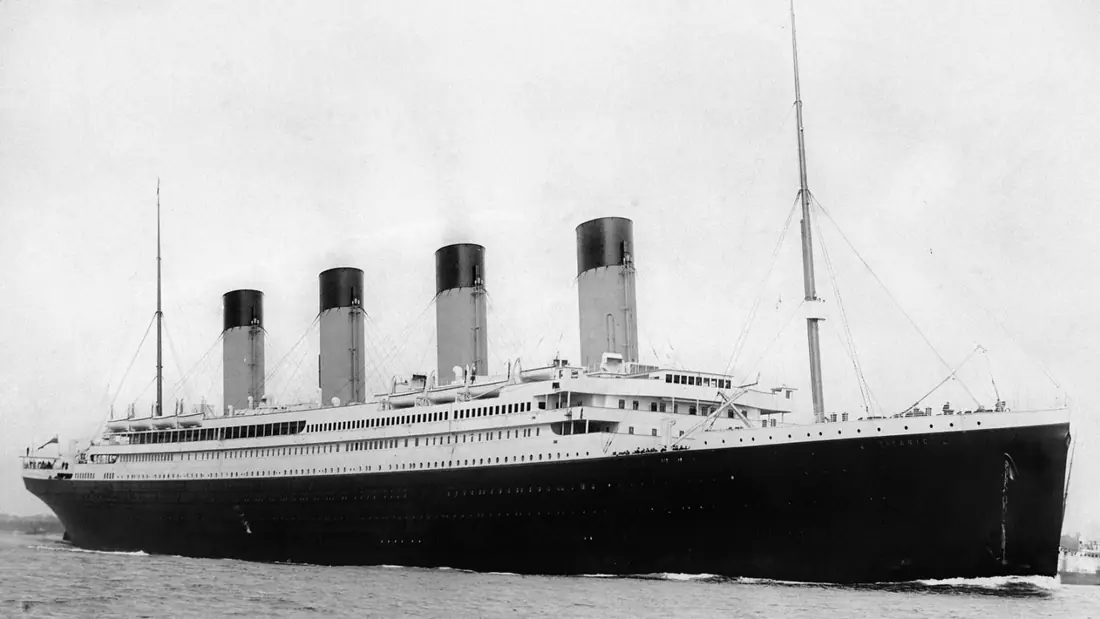
In a mere 4 days, the RMS Titanic, touted as unsinkable, would meet its catastrophic demise, resulting in the loss of over 1,500 lives. This maritime disaster was not just a tragedy but a testament to human error and the fallibility of technological advancements. The events leading to this moment were marked by a sense of invincibility and innovation, as the White Star Line had invested heavily in the Titanic, making it the largest and most luxurious ship of its time. On April 10, 1912, the Titanic began its doomed maiden voyage from Southampton, England, carrying some of the most prominent people of the era, including millionaires, politicians, and royalty. As the ship set sail, it was headed for New York, with a scheduled stop in Cherbourg, France, and then Queenstown, Ireland, before crossing the Atlantic. The Titanic's massive size and state-of-the-art technology made it a marvel of modern engineering, with 16 watertight compartments that could supposedly keep the ship afloat even if four of them were flooded. However, the combination of excessive speed, inadequate lookout, and the presence of icebergs in the area would prove to be a deadly cocktail. The immediate impact of the Titanic's sinking was felt across the globe, with widespread shock, grief, and outrage. The tragedy led to significant changes in maritime safety regulations, including the implementation of a system for reporting icebergs and the use of radio communication for emergency purposes. Today, the Titanic's legacy extends beyond its historical significance, serving as a reminder of the importance of humility, safety, and responsible innovation. The story of the Titanic continues to captivate audiences, inspiring countless books, films, and documentaries, and remains an enduring symbol of both human tragedy and the power of the sea.