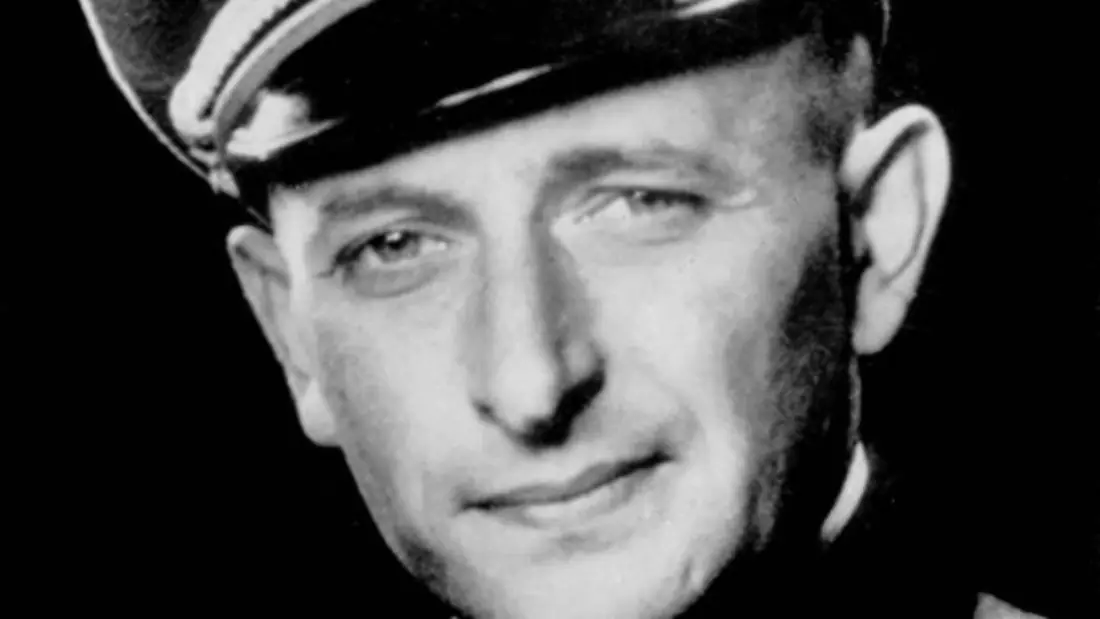
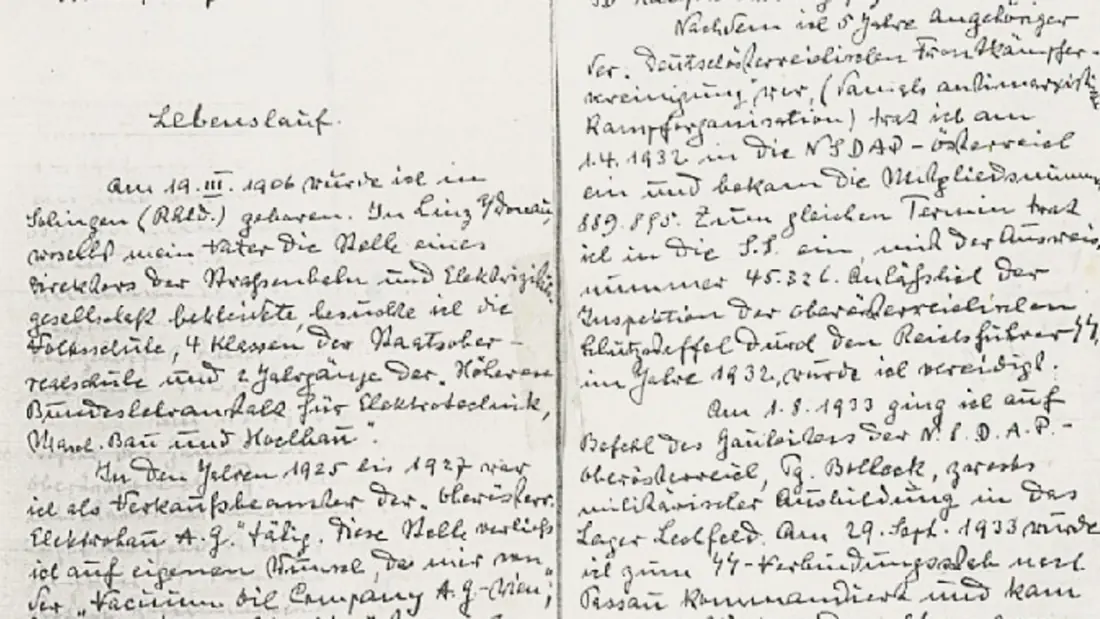
When the verdict was finally delivered, the world was reminded of the atrocities committed during the Holocaust, and the name Adolf Eichmann became synonymous with the horrors of the Nazi regime. It had all begun just months earlier when the trial of Adolf Eichmann commenced, a process that would unravel the intricate details of his involvement in the systematic persecution and murder of millions of Jews and other minority groups. The context of this trial was rooted in the aftermath of World War II, where the Allied forces uncovered the concentration camps and the true extent of the Nazi's genocidal plans. As the world struggled to come to terms with the scale of the atrocities, the need for justice and accountability became paramount. The trial, which began on April 11, 1961, in Jerusalem, Israel, was a pivotal moment in this pursuit of justice. Eichmann, who had been captured by Israeli agents in Argentina in 1960, was charged with crimes against humanity, war crimes, and crimes against the Jewish people. The prosecution, led by Gideon Hausner, presented a meticulous case, detailing Eichmann's role in the implementation of the 'Final Solution,' the Nazi plan to exterminate the Jewish population of Europe. Over the course of 56 days, 112 witnesses testified, including survivors of the concentration camps, providing harrowing accounts of the brutality and cruelty they endured. The immediate impact of the trial was a renewed global awareness of the Holocaust, sparking widespread outrage and condemnation of the Nazi regime's actions. The legacy of the Eichmann trial extends beyond the verdict, as it marked a significant milestone in the development of international law, particularly in the prosecution of crimes against humanity. Today, the trial of Adolf Eichmann serves as a powerful reminder of the importance of holding individuals accountable for their actions, and the need for continued vigilance against hatred, intolerance, and genocide.
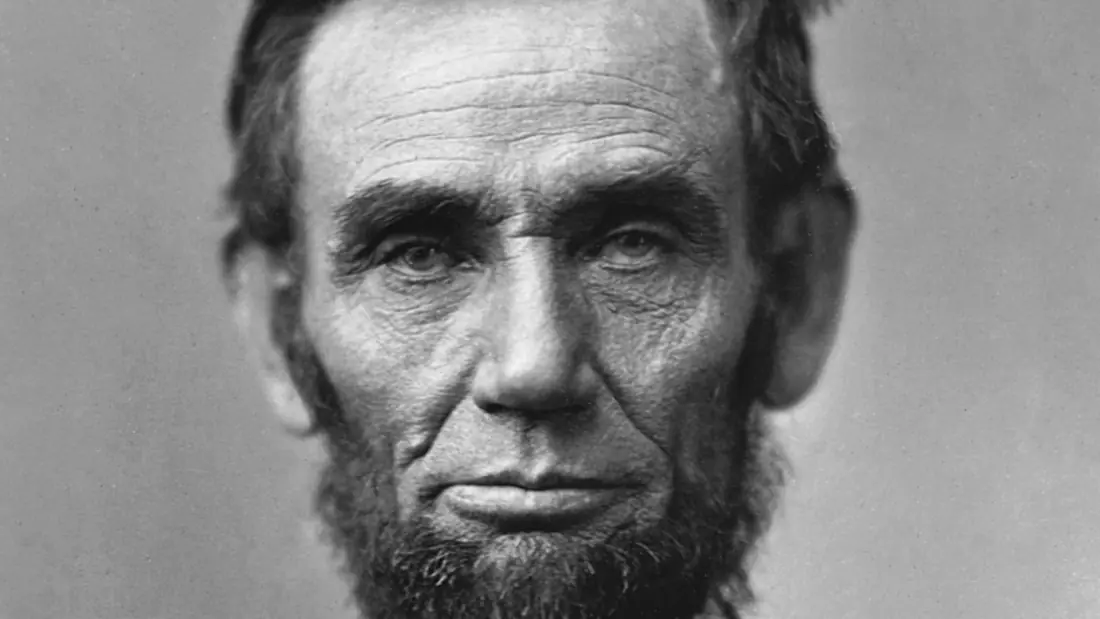
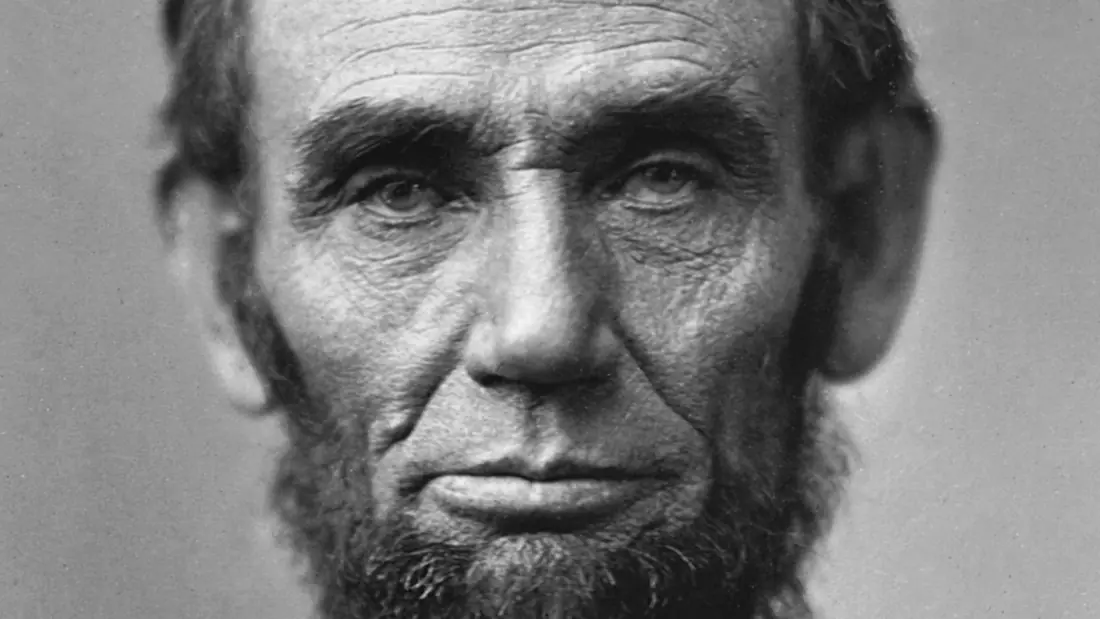
The warm glow of lanterns cast a golden light over the crowded balcony of the White House as the sound of murmuring voices and shuffling feet filled the evening air on April 11, 1865. The scent of blooming flowers and fresh-cut grass wafted through the streets of Washington, D.C., carrying the promise of a new season, one that would bring profound change to the nation. Just days earlier, Confederate General Robert E. Lee had surrendered to Union General Ulysses S. Grant at Appomattox, effectively ending the Civil War. As the weight of this victory settled upon the crowd, they eagerly awaited the words of their beloved President, Abraham Lincoln. Lincoln, with his characteristic folksy charm and unwavering conviction, stepped forward to address the gathering, his voice booming out across the lawn as he advocated for the right of African Americans to vote. This was a pivotal moment, one that underscored Lincoln's commitment to ensuring that the principles of liberty and equality enshrined in the Constitution would be extended to all Americans, regardless of the color of their skin. The crowd listened with rapt attention as Lincoln spoke, his words painting a picture of a future where all citizens could participate fully in the democratic process. In the immediate aftermath of his speech, the mood was one of hopeful anticipation, as many began to envision a nation where the scars of slavery and discrimination might begin to heal. Today, Lincoln's last public speech remains a powerful testament to the enduring struggle for civil rights and racial equality in the United States, a reminder of the profound impact one person can have on the course of history. As we reflect on the significance of April 11, 1865, we are reminded that the pursuit of a more perfect union is an ongoing endeavor, one that requires the collective efforts and unwavering commitment of generations.