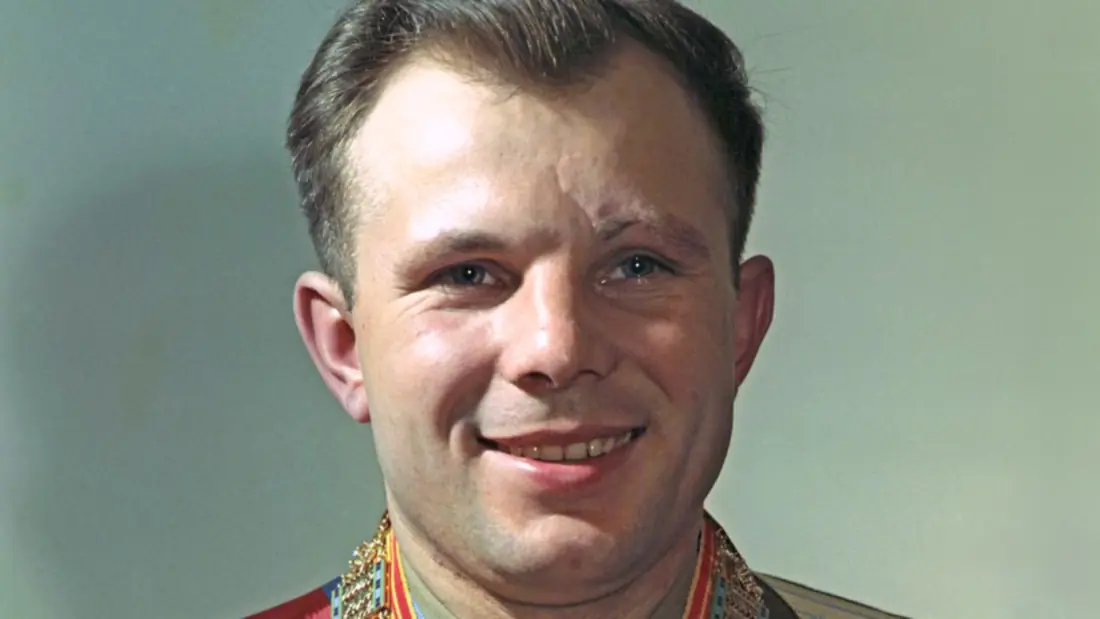
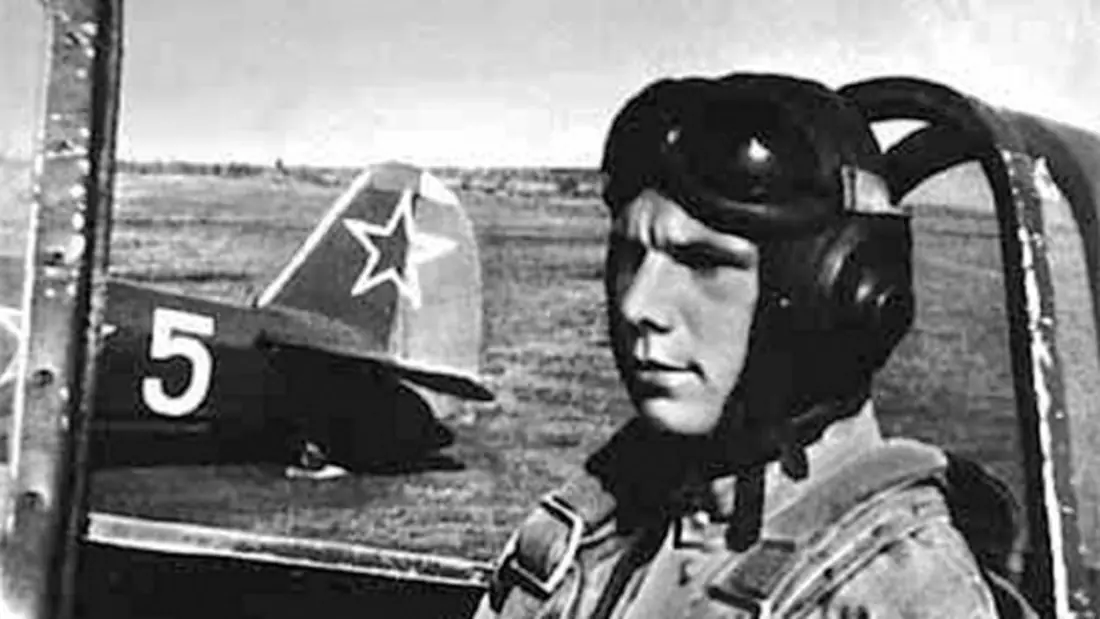
In a mere 108 minutes, a single human, Yuri Gagarin, orbited the Earth, shattering the perception that space travel was the realm of science fiction and paving the way for a new era of exploration. This groundbreaking feat was the culmination of years of intense research and development by the Soviet space program, which had been secretly working on launching a human into space. The journey to this moment began with the launch of Sputnik, the first artificial satellite, in 1957, which sparked a space race between the Soviet Union and the United States. On April 12, 1961, Gagarin climbed aboard the Vostok 1 spacecraft, and at 9:07 AM Moscow time, he blasted off from the Baikonur Cosmodrome in Kazakhstan. As Vostok 1 soared into the sky, Gagarin became the first human to journey into outer space, reaching a maximum altitude of 327 kilometers and completing one orbit of the Earth. The successful mission of Vostok 1 sent shockwaves around the world, with news of Gagarin's achievement spreading like wildfire. The immediate impact was a surge in interest and investment in space exploration, as the world realized that the possibility of human spaceflight was no longer a distant dream. Today, Yuri Gagarin's pioneering achievement continues to inspire new generations of scientists, engineers, and astronauts, serving as a powerful reminder of what can be accomplished through determination, innovation, and a willingness to push the boundaries of human knowledge.
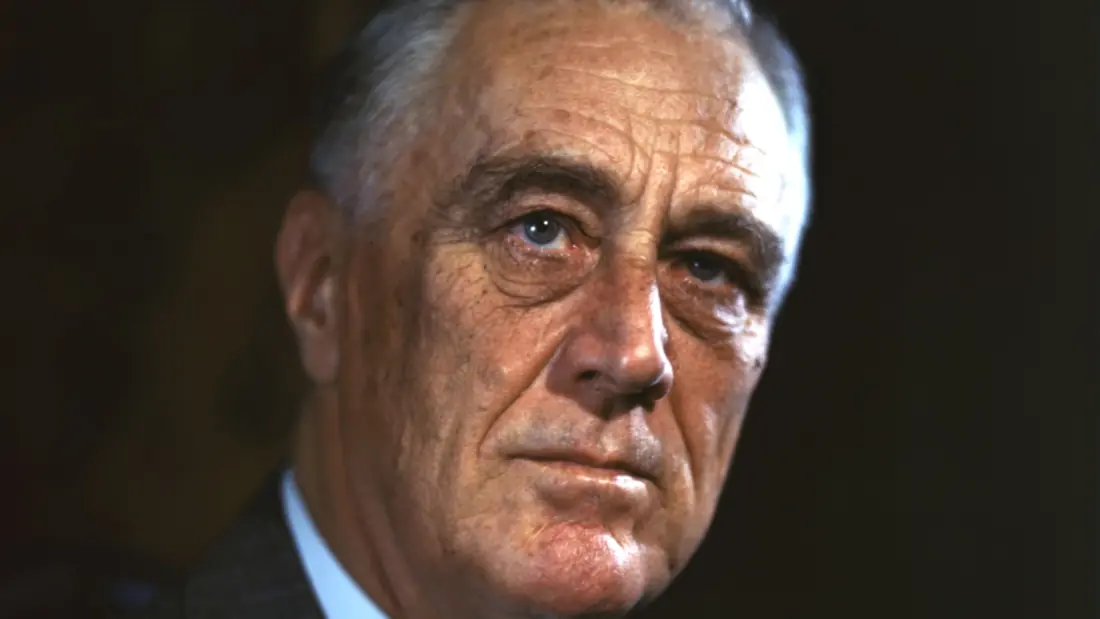
Across the vast and tumultuous landscape of World War II, where the fate of nations hung in the balance, a solemn stillness fell over a small town in Georgia on a fateful spring day. In the midst of this global upheaval, within the walls of his personal retreat, the Little White House in Warm Springs, a pivotal moment in history was unfolding. The year was 1945, and the world was bracing for the final push against the Axis powers. President Franklin D. Roosevelt, the stalwart leader of the United States, had been guiding his nation through its greatest challenge, but his own health had been declining. Despite his physical frailty, Roosevelt's indomitable spirit and political will remained unbroken, as he continued to steer the country towards victory. On April 12, 1945, while sitting for a portrait, Roosevelt suffered a severe cerebral hemorrhage, a stroke that would prove fatal. The event sent shockwaves across the nation and the globe, as the news of his passing reverberated through the halls of power and the hearts of the common people. Vice President Harry S. Truman was swiftly sworn in as the new President, marking a significant shift in the American political landscape. The immediate aftermath of Roosevelt's death saw a period of mourning and reflection, but also a steadfast commitment to the policies and visions he had championed. Today, the legacy of Franklin D. Roosevelt continues to inspire and influence American politics and society, a testament to the enduring impact of his leadership during the nation's most trying times. His commitment to social reform, his role in shaping the post-war world order, and his unwavering resolve in the face of adversity have cemented his place as one of the most revered figures in American history.