
Apollo 13 Accident
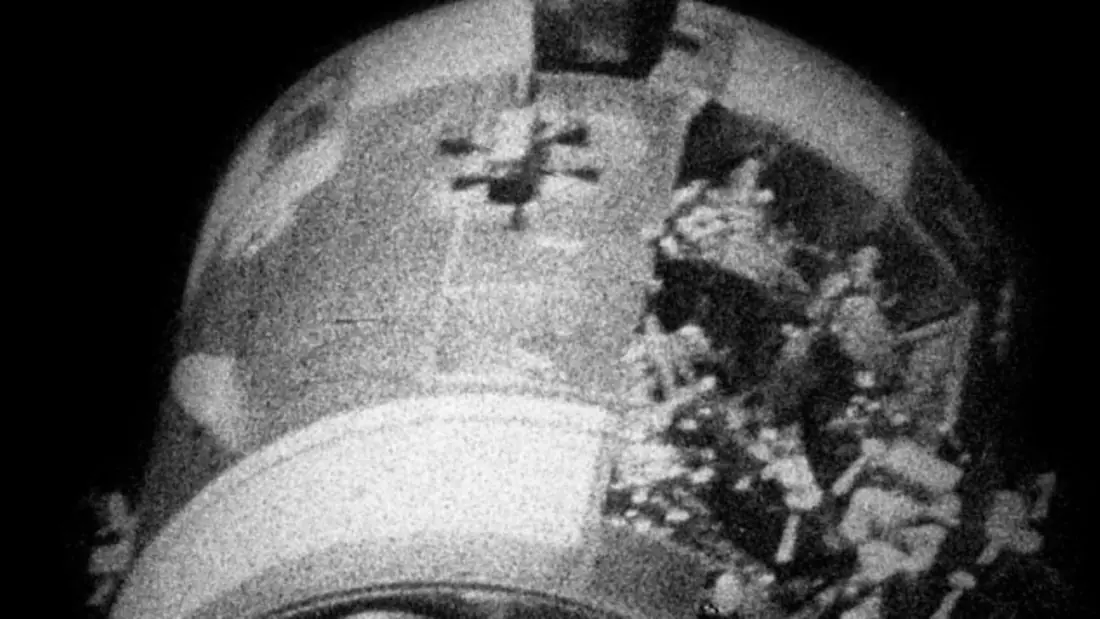
In Houston, the Mission Control team monitored the Apollo 13 spacecraft's journey with bated breath. Six thousand miles away in the Apollo 13 command module, astronauts James Lovell, Jack Swigert, and Fred Haise were settling into their routine, having launched from Kennedy Space Center two days prior. The mission aimed to be the third to land humans on the Moon, following a series of meticulous preparations and simulations. As the spacecraft soared through space, the crew had already conducted a successful transfer from the command module to the lunar module and back, a critical step before the lunar landing. On April 13, 1970, disaster struck when an oxygen tank exploded in one of the spacecraft's service modules, damaging the electrical power system and leaving the crew with a daunting challenge to survive. The explosion occurred at approximately 21:07 UTC, about 56 hours into the mission, and was heard by the astronauts as a loud bang, followed by the warning lights illuminating the control panel. With the ship's power dwindling and carbon dioxide levels rising, the situation was critical. The immediate response from Mission Control, led by Gene Kranz, was to scramble and find a way to power down the spacecraft and use the lunar module as a lifeboat, a plan that would require precise calculations and swift execution. The heroic efforts of the astronauts and the mission control team in the face of this life-threatening emergency not only saved the lives of Lovell, Swigert, and Haise but also redefined the boundaries of space exploration and crisis management. The Apollo 13 mission, though not achieving its original goal, became a landmark example of ingenuity and determination, influencing space travel safety protocols and inspiring future generations of astronauts and engineers. Today, the story of Apollo 13 serves as a powerful reminder of human resilience and the importance of meticulous planning in the pursuit of pushing beyond the frontiers of what is thought possible.
Source: en.wikipedia.org/wiki/Apollo 13