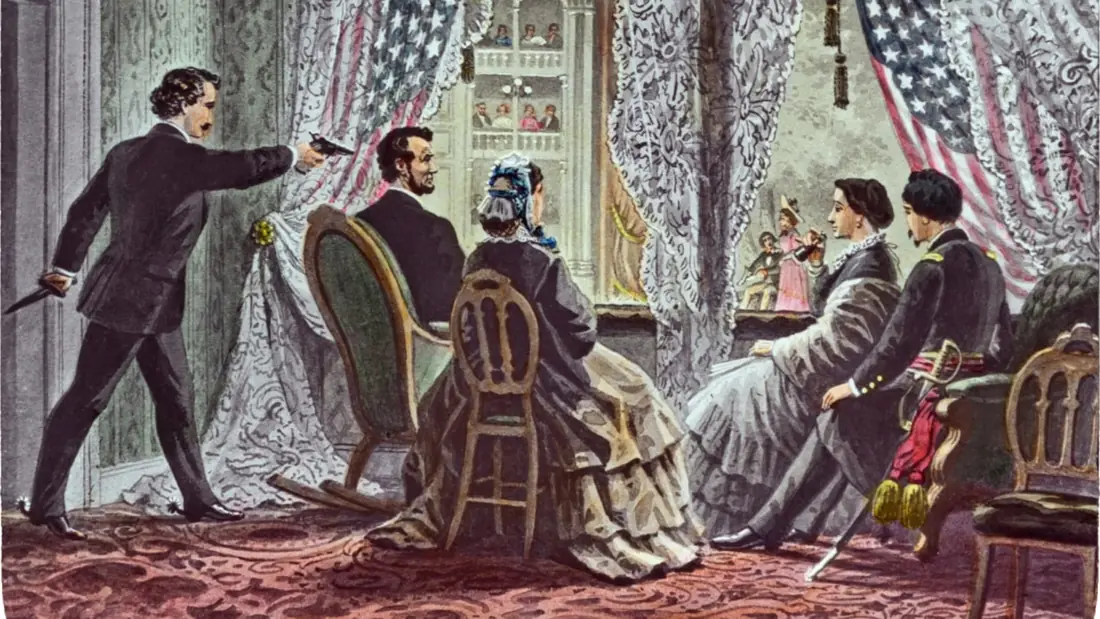
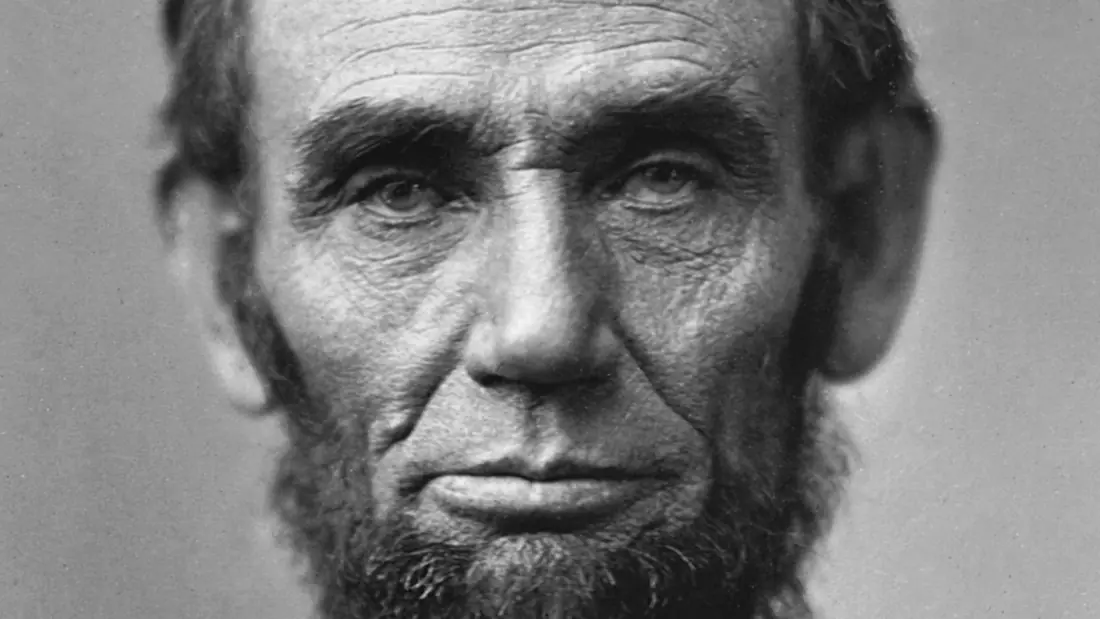
As the sun set over the nation's capital on a chilly spring evening, shopkeepers in downtown Washington, D.C. were closing their stores, unaware that within the hour, the course of American history would be forever altered. The ordinary rhythms of life - children playing in the streets, couples strolling hand in hand, and the sound of horse-drawn carriages - stood in stark contrast to the extraordinary events that were about to unfold. It was April 14, 1865, and the Civil War had finally come to an end, with General Robert E. Lee's surrender at Appomattox just five days prior. The nation was poised on the threshold of a new era of peace and reconciliation, with President Abraham Lincoln at the helm. Lincoln, a strong leader who had guided the country through its darkest hour, had announced plans to attend a play at Ford's Theatre that evening, a rare moment of leisure for the beleaguered president. As he and his wife Mary took their seats in the presidential box, the actors took to the stage, performing a rousing comedy called 'Our American Cousin.' But at 10:15 p.m., during the third act, a sense of unease settled over the audience as John Wilkes Booth, a well-known actor and Confederate sympathizer, stepped into the presidential box and fired a single shot from his Deringer pistol into the president's head. Lincoln slumped forward, mortally wounded, and the theatre erupted into chaos. The immediate impact was one of shock and horror, as the news of the president's assassination spread like wildfire through the city, plunging the nation into mourning. In the years and decades that followed, Lincoln's legacy would only continue to grow, as he came to be remembered as a martyr for the cause of freedom and unity, his commitment to ending the injustice of slavery and preserving the Union inspiring generations of Americans to strive for a more perfect union.
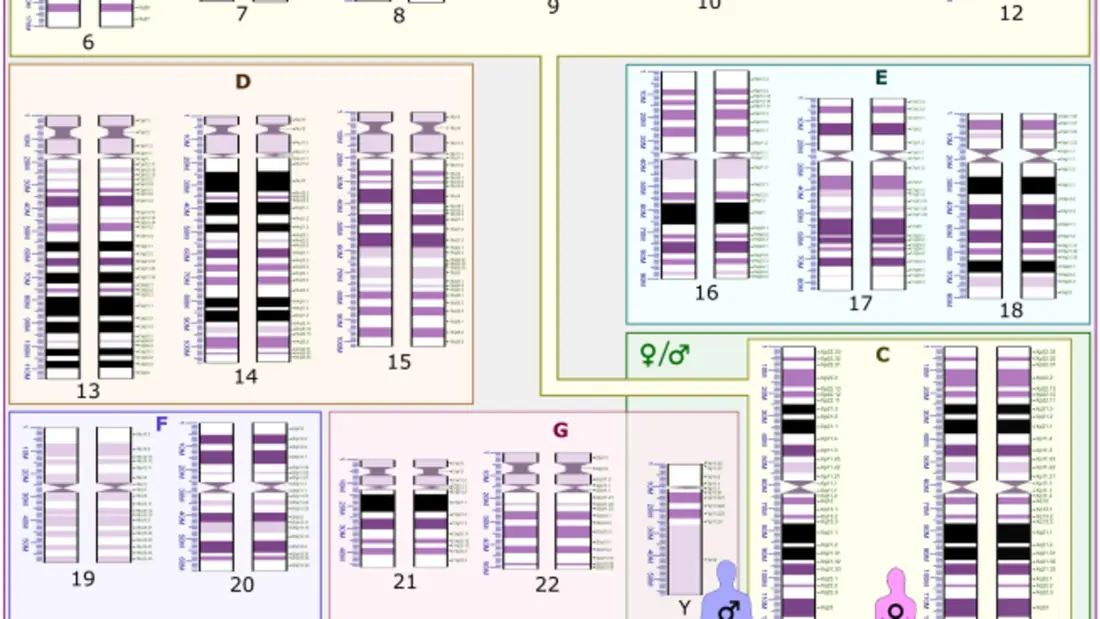
What happens when the code to life itself is finally cracked, and the very blueprint of humanity is laid bare for the world to see? This is the story of a momentous day when the culmination of years of tireless effort, unwavering dedication, and unrelenting curiosity led to a breakthrough that would change the face of science and medicine forever. The journey to this point was long and arduous, spanning over a decade, as the Human Genome Project embarked on its ambitious quest to map the entire human genome in 1990. Led by notable figures such as Francis Collins and Craig Venter, the project involved an international collaboration of researchers from various institutions, all working towards a common goal. On April 14, 2003, the Human Genome Project achieved its milestone with the publication of the human genome sequence, marking a historic moment in the annals of scientific discovery. This achievement was the result of sequencing approximately 3 billion base pairs of DNA, an endeavor that required cutting-edge technology and innovative methods to accomplish. The immediate aftermath of this publication saw a flurry of activity as scientists began to explore the vast possibilities and implications of having the human genome sequence at their disposal. The impact was profound, paving the way for significant advancements in personalized medicine, genetic engineering, and our understanding of the intricate mechanisms that govern human biology. Today, the completion of the Human Genome Project continues to influence scientific research and medical practice, offering insights into the genetic underpinnings of diseases and opening up new avenues for the development of targeted therapies. The legacy of this project serves as a testament to human ingenuity and the power of collaborative scientific endeavor, inspiring future generations of researchers to continue pushing the boundaries of what is possible.