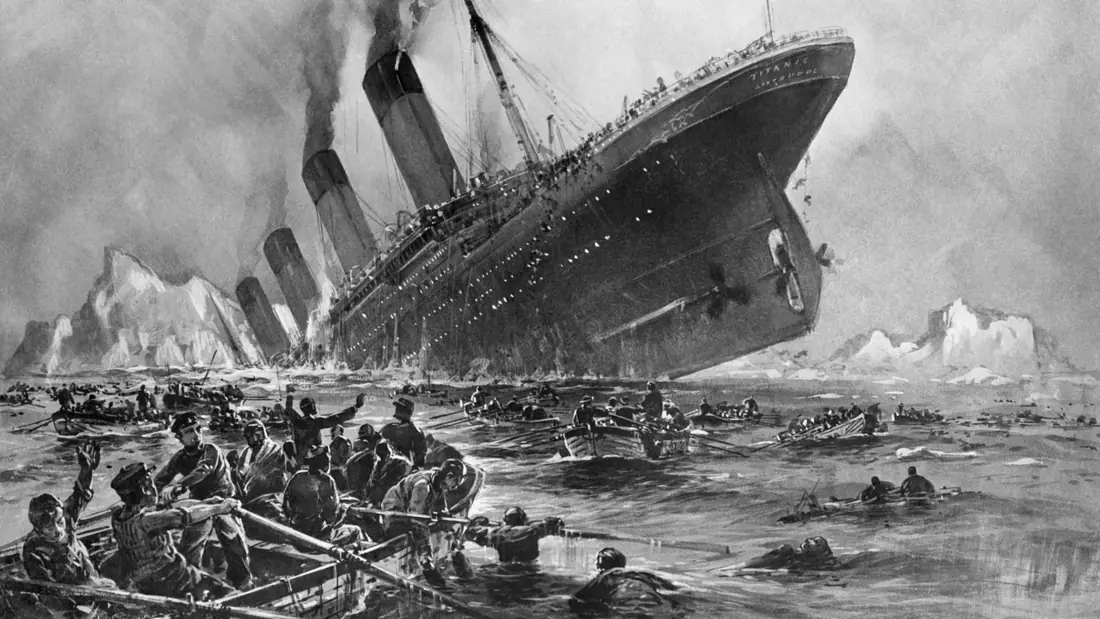
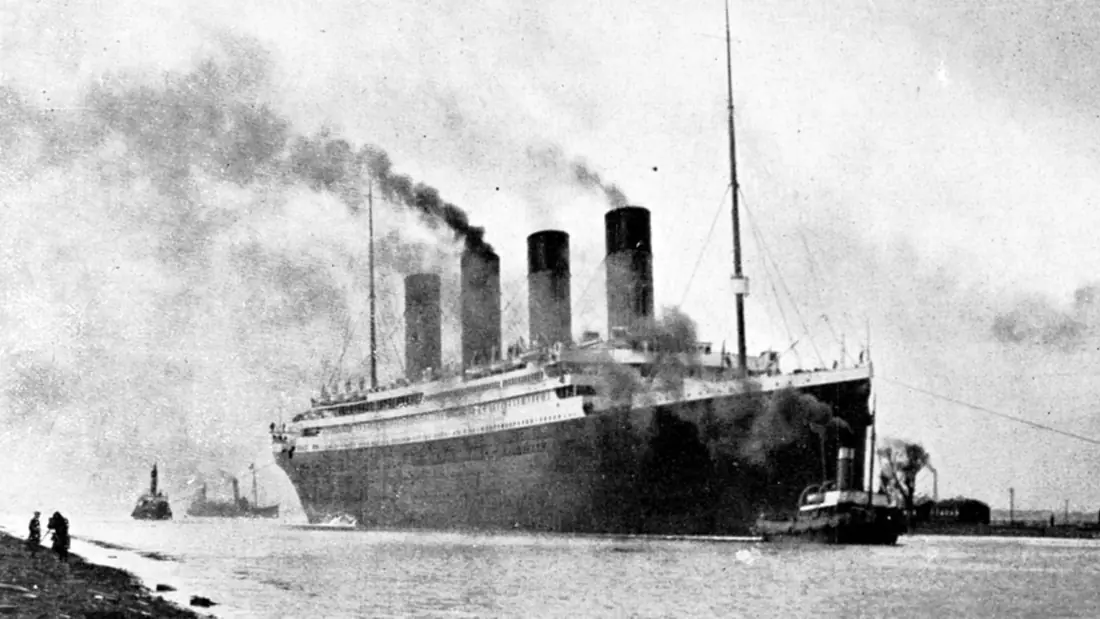
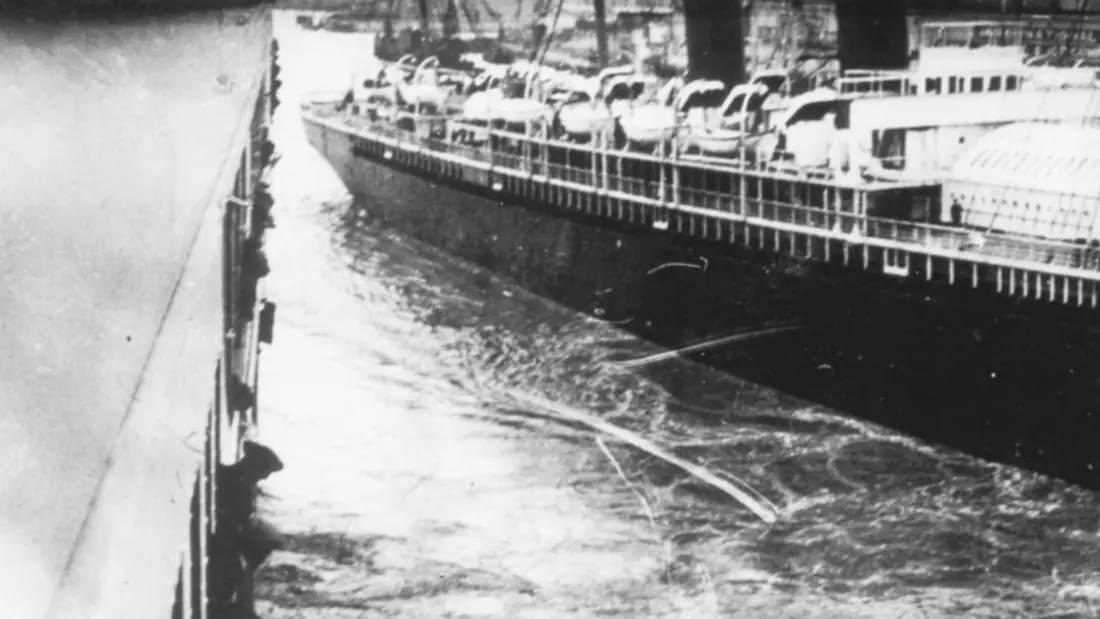
What happens when human ingenuity and nature's fury collide in the darkest depths of the ocean? The answer lies in one of the most infamous maritime disasters in history. The RMS Titanic, touted as unsinkable, was the epitome of luxury and technological advancement of its time. It was on its maiden voyage from Southampton to New York City, filled with over 2,200 passengers and crew, when disaster struck. The ship had received several warnings of icebergs in the area, but it was traveling at a speed that made it difficult to avoid a collision. On the night of April 14, 1912, the Titanic struck an iceberg on its starboard side, which caused extensive damage to its hull. The collision occurred around 11:40 PM, and by the early morning of April 15, 1912, the ship was taking on water at an alarming rate. Despite efforts to save the ship, the Titanic sank just over two hours later, resulting in the loss of more than 1,500 lives. The immediate aftermath of the tragedy was one of shock and grief, with the news sending ripples around the world. The sinking of the Titanic led to significant changes in maritime safety regulations, including the implementation of a system for reporting icebergs and the use of lifeboats. Today, the Titanic's legacy extends beyond its tragic fate, serving as a reminder of the importance of safety and humility in the face of nature's power. The story of the Titanic continues to captivate people around the world, inspiring countless books, films, and exhibitions, ensuring that the memory of those who lost their lives on that fateful night of April 15, 1912, will never be forgotten.
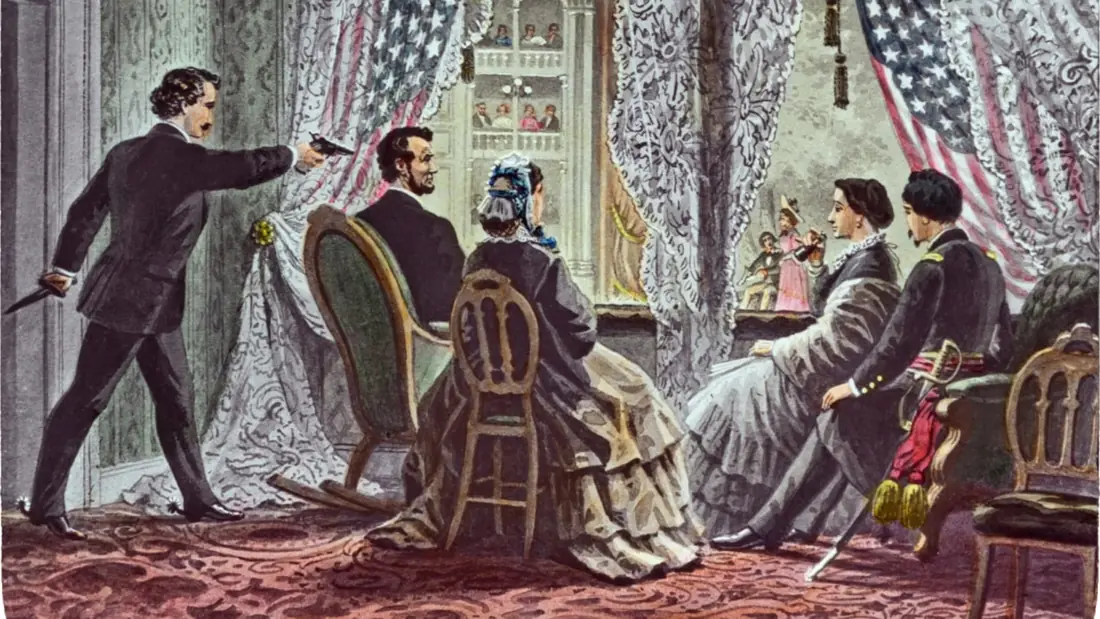
The misty dawn of April 15, 1865, crept over the nation's capital, casting a somber veil over the city of Washington D.C. The narrow streets, lined with gas lamps, were eerily quiet, as if the very city itself was holding its breath in anticipation of the devastating news that was to come. The Petersen House, a humble boarding house on 10th Street, stood as a silent witness to the tragic events that had unfolded just a few hours earlier. The Civil War, which had ravaged the nation for four long years, had finally come to an end, but at a steep cost. President Abraham Lincoln, the leader who had guided the country through its darkest hour, had fallen victim to an assassin's bullet. On the evening of April 14, 1865, Lincoln had attended a play at Ford's Theatre, where he was shot by John Wilkes Booth, a well-known actor and Confederate sympathizer. The President was rushed to the Petersen House, where he succumbed to his injuries in the early morning hours of April 15, 1865. The news of Lincoln's death sent shockwaves across the nation, plunging the country into mourning. As the news spread, people from all walks of life gathered in the streets, stunned and grief-stricken by the loss of their beloved leader. The assassination of President Lincoln marked a turning point in American history, as the nation struggled to come to terms with the loss of its leader and the end of the Civil War. Today, Lincoln's legacy continues to inspire and influence American politics, a testament to the enduring power of his vision for a united and equal society.