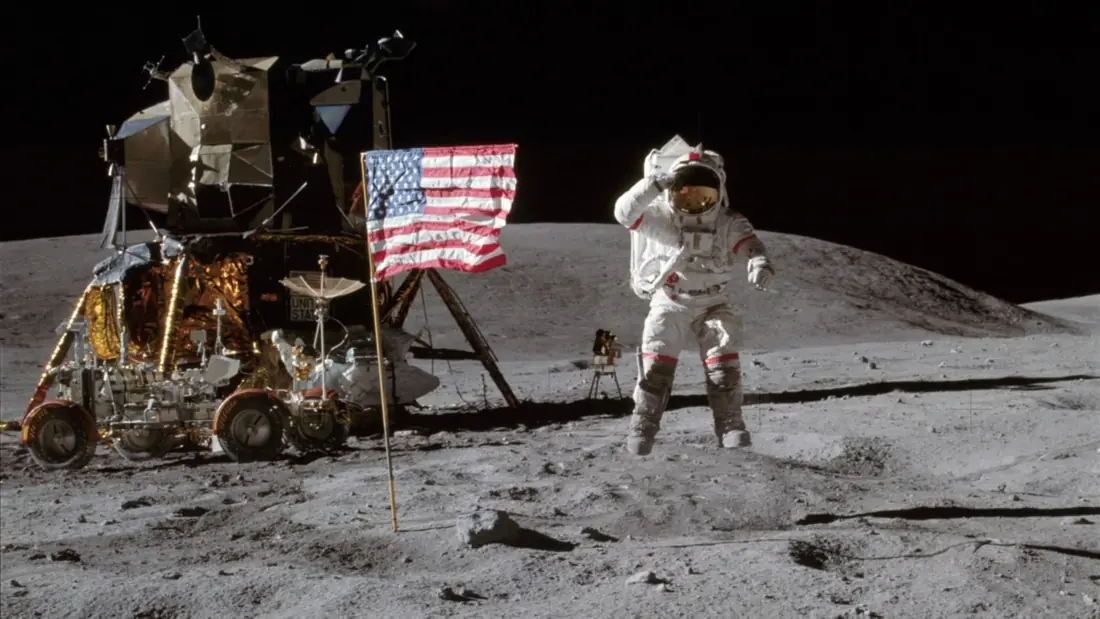
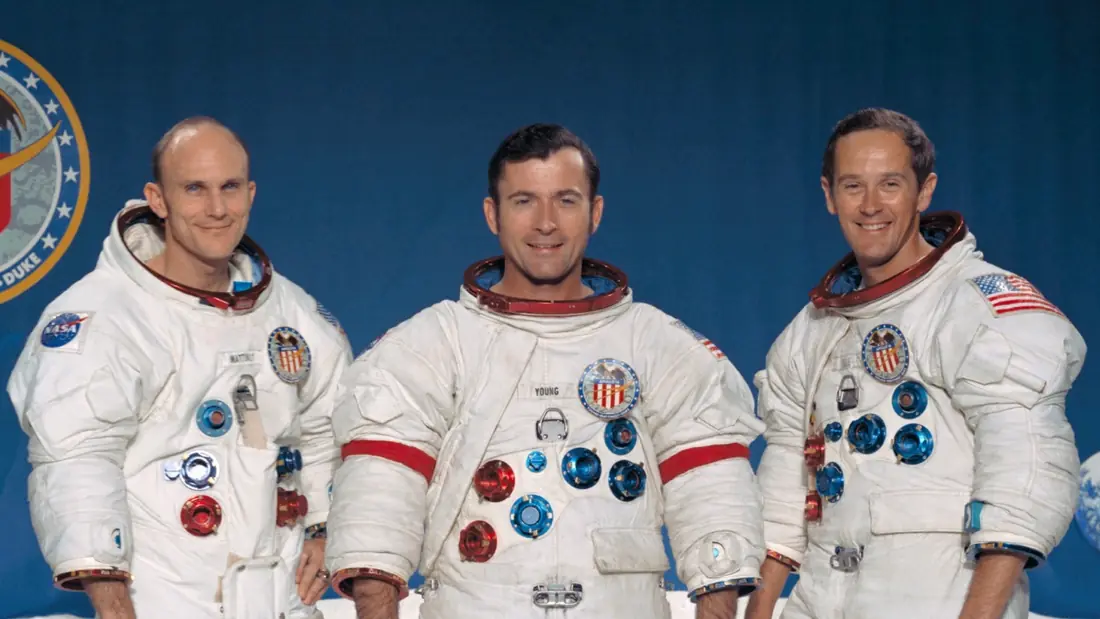
In a mere 72 hours, three astronauts, John Young, Charles Duke, and Kenneth Mattingly, would embark on a journey that would cover over 240,000 miles, culminating in a historic lunar landing. This extraordinary feat was the culmination of years of rigorous training, technological advancements, and strategic planning by NASA. The Apollo program, initiated in the early 1960s, had been driven by President John F. Kennedy's ambitious goal to land a man on the Moon before the end of the decade. As the Apollo 16 mission approached, the world watched with bated breath, eager to witness the fifth manned lunar landing. On April 16, 1972, John Young and Charles Duke successfully landed on the Moon's surface in the Lunar Module Orion, while Kenneth Mattingly remained in orbit around the Moon in the Command Module Casper. The lunar module touched down on the Moon's Cayley Formation, a region characterized by ancient volcanic deposits, with Young radioing back to Mission Control on Earth, 'Houston, Orion is on the ground.' The astronauts spent nearly 72 hours on the Moon, conducting three extravehicular activities, collecting over 96 kg of lunar samples, and deploying several scientific instruments. The immediate impact of the Apollo 16 mission was a significant expansion of our knowledge of the Moon's geology and composition. The legacy of Apollo 16 extends far beyond the mission itself, as it paved the way for future space exploration and inspired generations of scientists, engineers, and astronauts. Today, the Apollo 16 mission remains an extraordinary achievement in the history of space exploration, a testament to human ingenuity and the boundless potential of space travel.
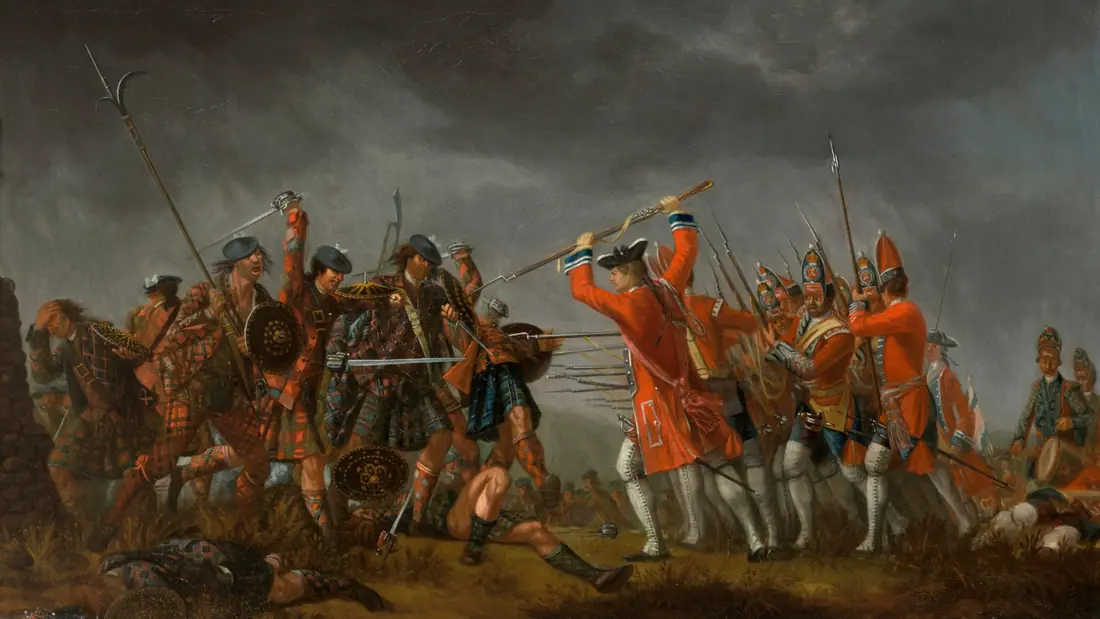
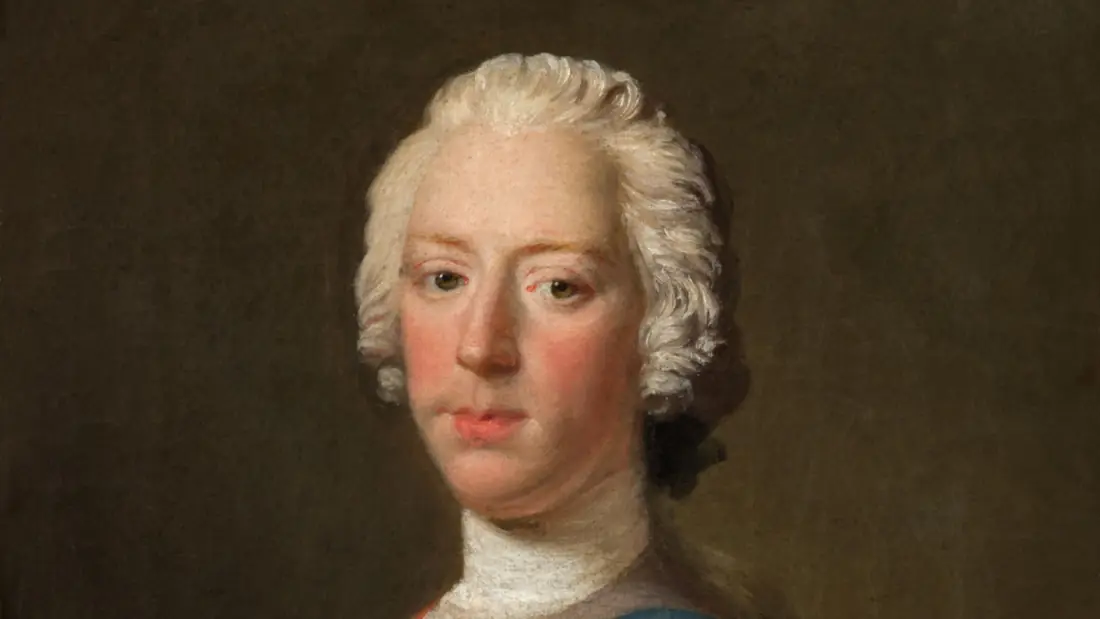
Ewen MacPherson, a 29-year-old Scottish Highlander, stood at the edge of the moor, his breath visible in the chill morning air as he gazed out at the assembled forces of Prince Charles Edward Stuart. It was a moment he had been preparing for, along with thousands of his comrades, for months - the culmination of a long and arduous campaign to restore the Stuart dynasty to the British throne. The Jacobite rising of 1745 had begun with a series of victories, but the tide had turned against them, and now, on April 16, 1746, they faced off against the Duke of Cumberland's government forces near Inverness, Scotland. The Battle of Culloden was about to commence, with the Jacobite army, numbering around 5,000, vastly outnumbered by the 8,000-strong Hanoverian forces. The clash was fierce and brief, lasting only about an hour, but the outcome was decisive: the Jacobite lines were broken, and their army routed, with estimates suggesting over 1,000 Jacobite casualties, compared to fewer than 300 for the government forces. The immediate aftermath saw the British army hunt down and execute many of the fleeing Jacobites, in what would become known as a period of brutal suppression. The legacy of Culloden extends far beyond the battle itself, marking the final defeat of the Jacobite cause and the beginning of a new era of British rule in Scotland, with the culture and traditions of the Highlands coming under sustained attack. Today, the site of the battle is remembered as a pivotal moment in Scottish and British history, a testament to the enduring power of national identity and the unyielding pursuit of self-determination.