Bay of Pigs invasion
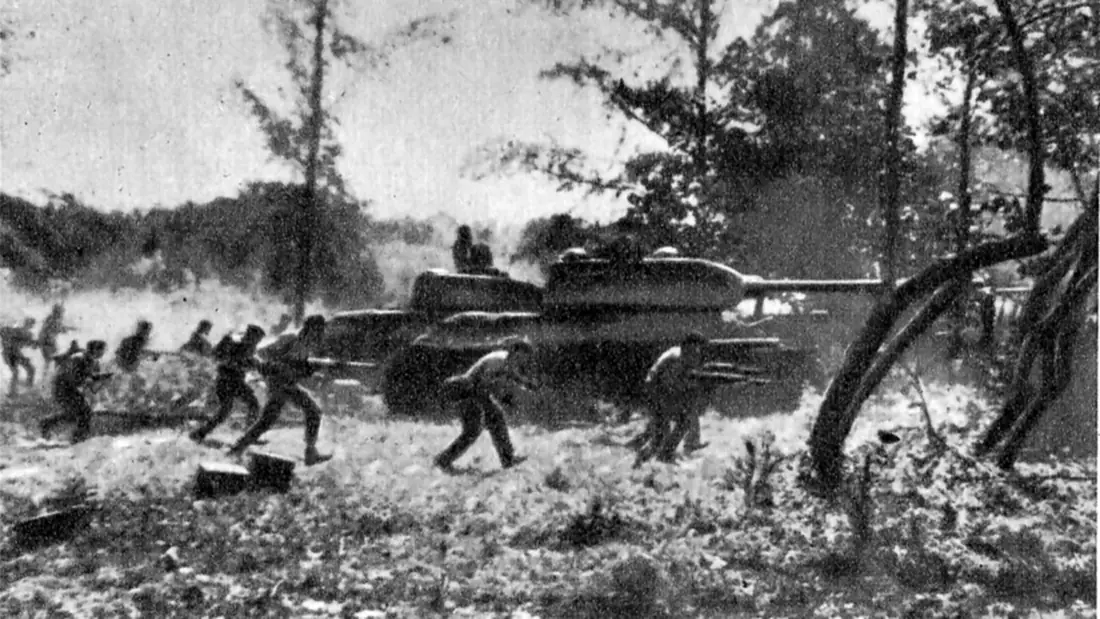
A memo, barely three pages long, stamped 'routine' by the clerk who filed it, would become the catalyst for one of the most infamous failed military invasions in modern history. Within a year, it would set off a chain of events that would topple the fragile balance of power in the Western Hemisphere. The context for this memo was the escalating tensions between the United States and Cuba, following Fidel Castro's communist revolution in 1959. As the new Cuban government nationalized American assets and aligned itself with the Soviet Union, the Eisenhower administration began to explore options for regime change. On April 17, 1961, a CIA-trained group of about 1,400 Cuban exiles, known as the Brigade 2506, landed at the Bay of Pigs, a remote area on Cuba's southern coast. Their mission was to establish a beachhead, spark a popular uprising, and ultimately overthrow Castro's communist government. However, the invasion was poorly planned and executed, with the exiles being pinned down on the beach by Cuban military forces. Despite being outnumbered, the Cuban army, led by Castro himself, managed to defeat the exile force within three days, with over 100 exiles killed and more than 1,000 captured. The immediate impact of the Bay of Pigs invasion was a significant escalation of tensions between the United States and the Soviet Union, bringing the world closer to nuclear war. In the aftermath, Castro's government became even more entrenched, and the United States imposed a trade embargo on Cuba that remains in place to this day. The legacy of the Bay of Pigs invasion serves as a cautionary tale about the dangers of covert operations and the importance of careful planning in foreign policy. It also marked a turning point in the Cold War, as the Soviet Union increased its support for Cuba, leading to the Cuban Missile Crisis just over a year later. The failed invasion remains an important reminder of the complexities and risks of international relations, and its impact continues to be felt more than six decades later.