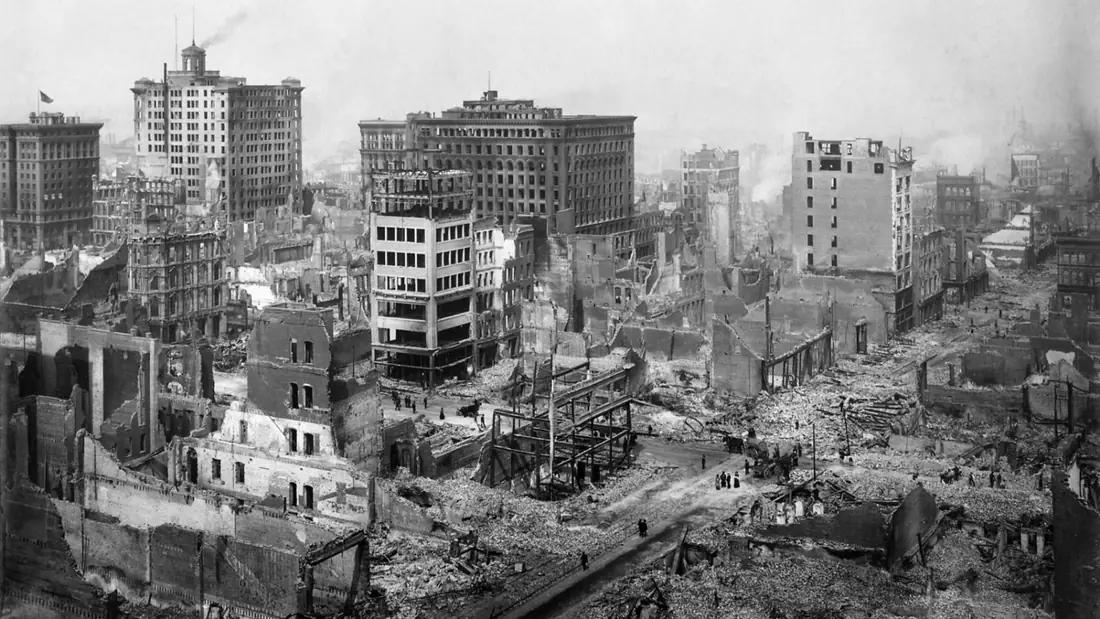
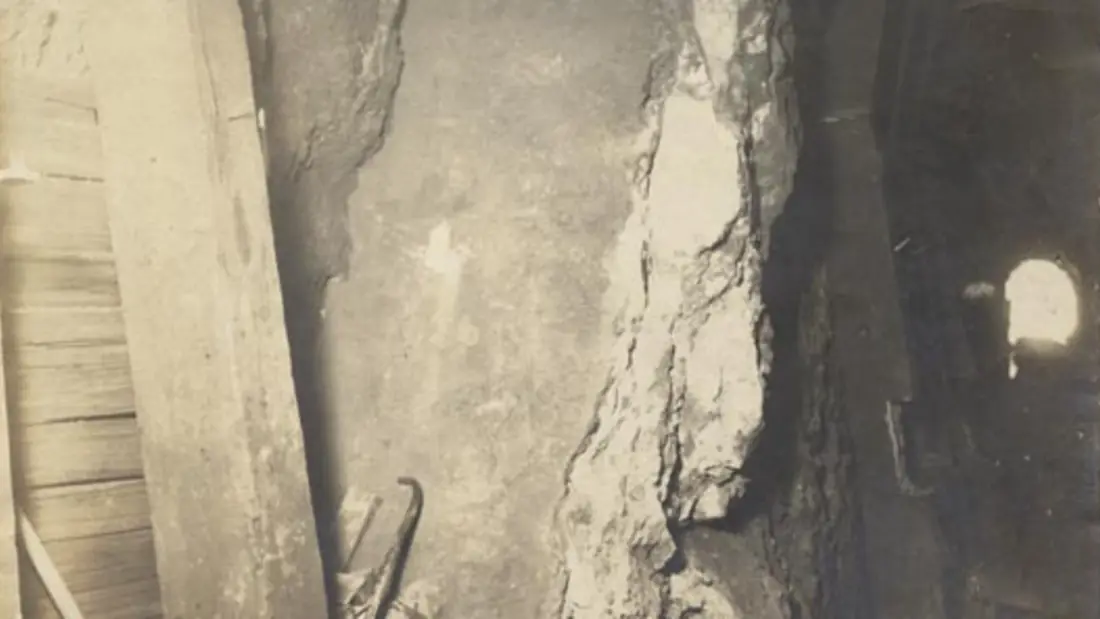
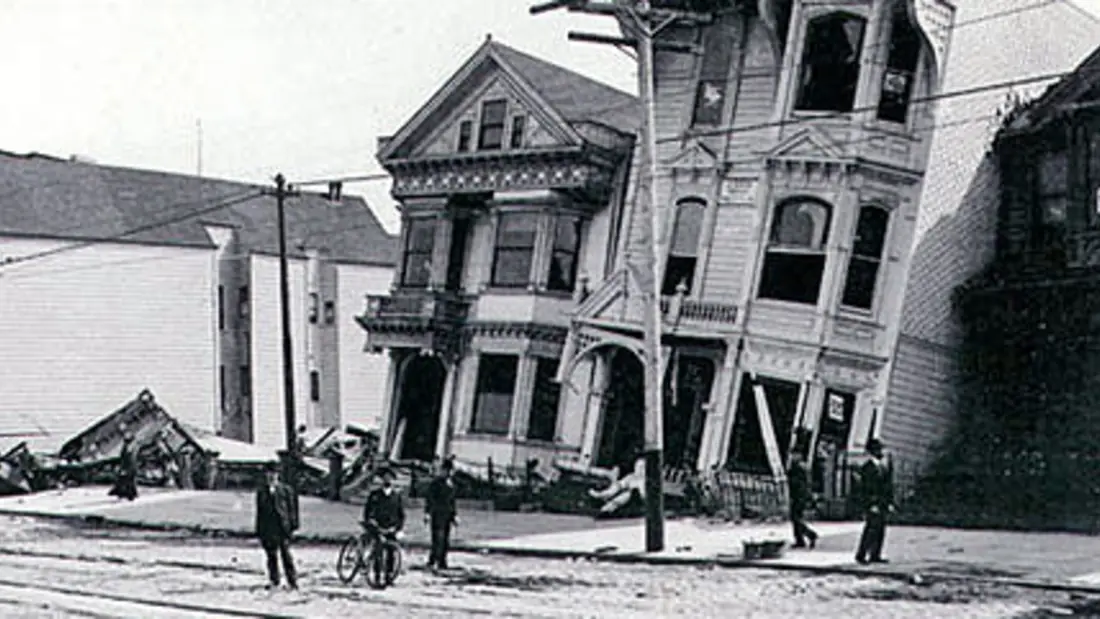
What happens when the very foundations of a city are shaken to their core, leaving nothing but rubble and despair in their wake? This is the story of a day that will be etched in the memories of San Francisco's residents for generations to come. The city, known for its vibrant culture and booming economy, had been growing rapidly since the Gold Rush of 1849, attracting people from all over the world with its promise of prosperity and opportunity. As the city's population swelled, so did the concerns about its seismic activity, with many warning of the dangers of earthquakes in the region. On April 18, 1906, at 5:12 am, those warnings became a harsh reality as a massive earthquake struck, devastating the city and killing over 3,000 people. The earthquake, which is now known as the 1906 San Francisco earthquake, was a magnitude 7.9 quake that lasted for approximately 60 seconds, causing widespread destruction and fires that burned for several days. The city's residents were caught off guard, and the initial response to the disaster was chaotic, with many struggling to come to terms with the scale of the destruction. In the immediate aftermath of the earthquake, the city was plunged into chaos, with looting, fires, and violence breaking out across the city. As the days passed, however, the people of San Francisco came together to rebuild and recover, with the earthquake serving as a catalyst for major changes in building codes and emergency preparedness. Today, the 1906 San Francisco earthquake is still remembered as one of the most significant disasters in American history, a testament to the power of nature and the resilience of the human spirit. The legacy of the earthquake can be seen in the city's modern architecture, with many buildings designed to withstand powerful earthquakes, and in the city's emergency response systems, which are now among the most advanced in the world.
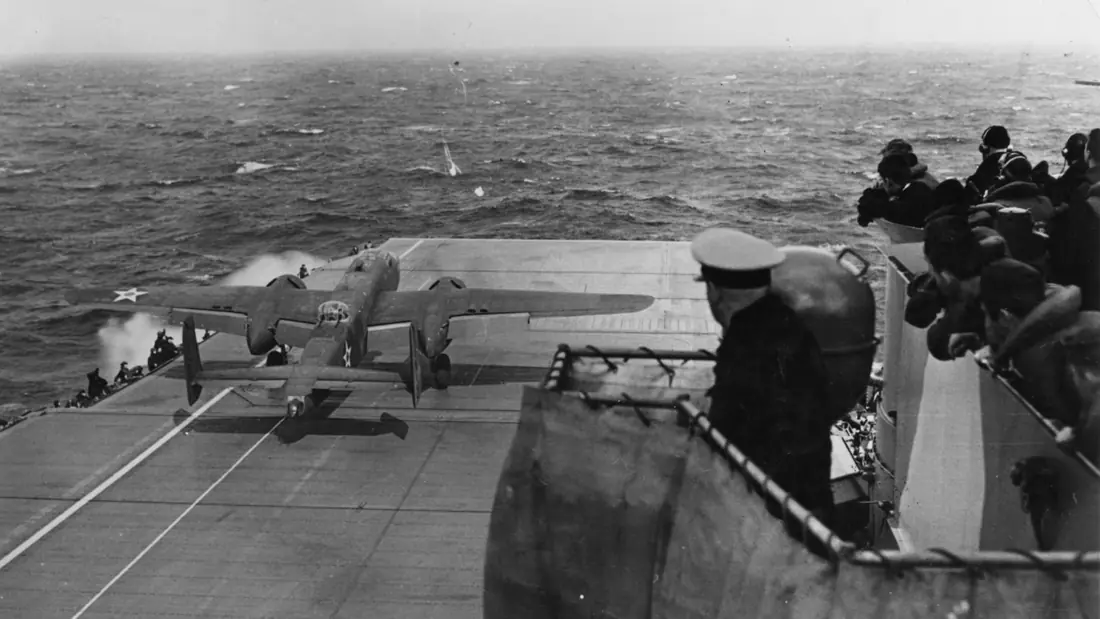
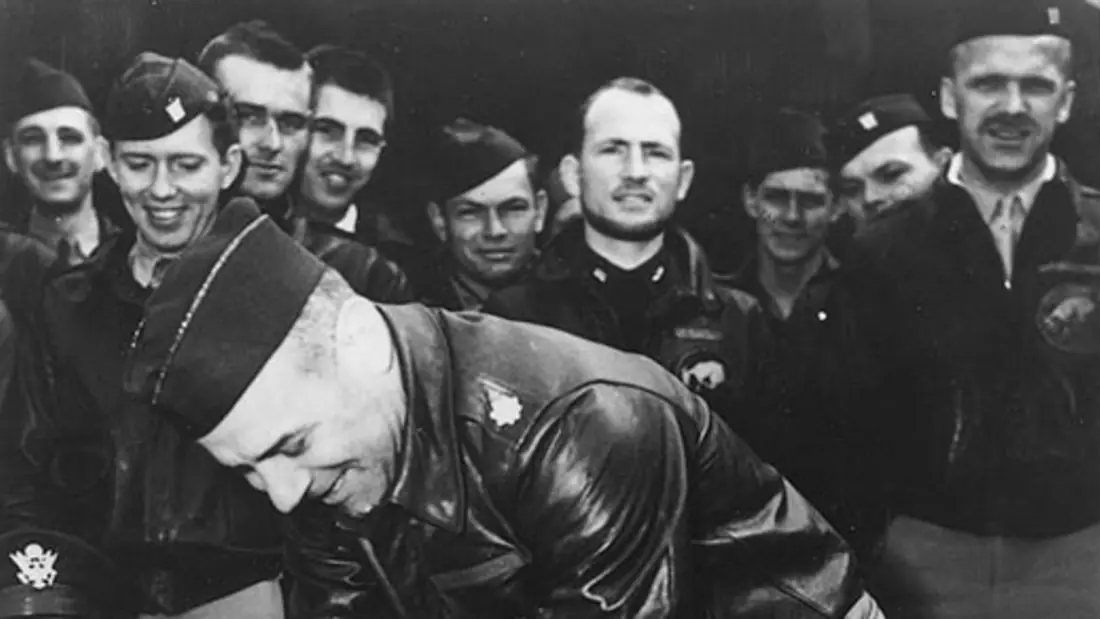
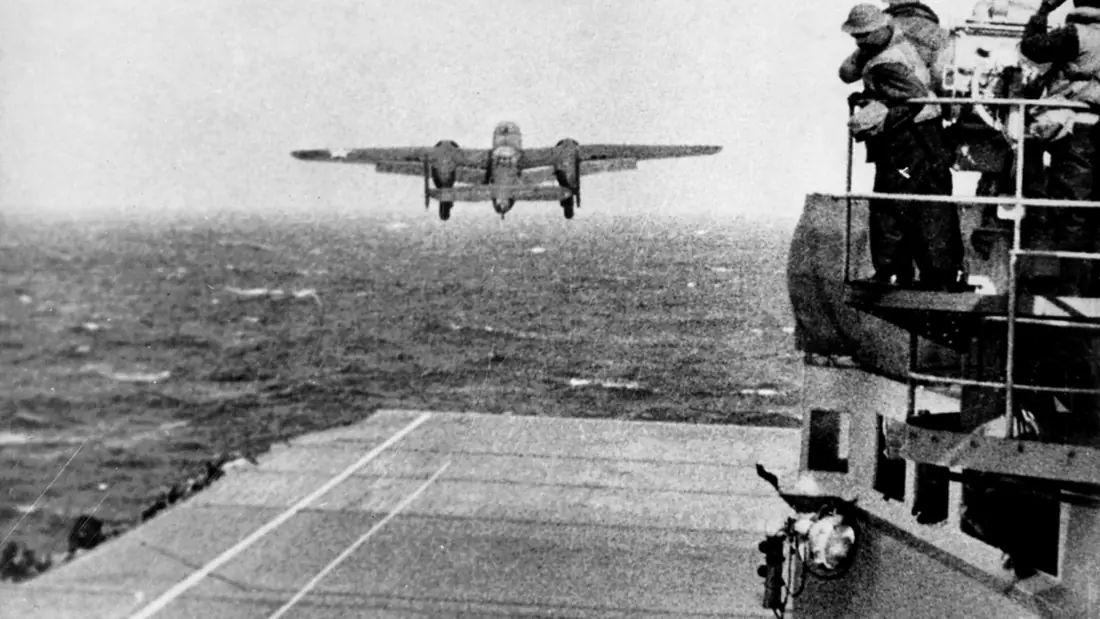
The roar of sixteen B-25 bombers thundered across the deck of the USS Hornet as they prepared for takeoff, the sound echoing through the misty dawn air on April 18, 1942. The acrid smell of fuel and oil hung low over the carrier, mingling with the salty sea air as the crew scrambled to launch the planes. This moment was the culmination of weeks of secret planning and training, led by Lieutenant Colonel James H. Doolittle, as the United States sought to respond to the surprise attack on Pearl Harbor. The Doolittle Raid, as it would come to be known, was a daring plan to launch a surprise attack on Japan, flying the bombers from the carrier at sea, a feat never before attempted. The mission involved 80 airmen, who would fly their planes to Japan, drop their bombs, and then continue on to China, where they hoped to find safe landing strips. As the planes took off, one by one, from the Hornet's short deck, the tension was palpable. The raid itself was a blur of action, with the bombers reaching Japan and releasing their payloads over Tokyo and other key cities, before turning southwards towards their intended landing sites in China. The immediate impact of the raid was a significant boost to American morale, as it showed that the United States could strike back at Japan, and it also led to a shift in Japanese strategy, as they began to withdraw troops from other theaters to defend their home islands. The legacy of the Doolittle Raid can still be felt today, as it marked a turning point in the war in the Pacific, and it remains an important symbol of American determination and ingenuity in the face of overwhelming odds. The bravery and sacrifice of the airmen involved in the raid will always be remembered, and their actions on April 18, 1942, will forever be etched in the annals of history.